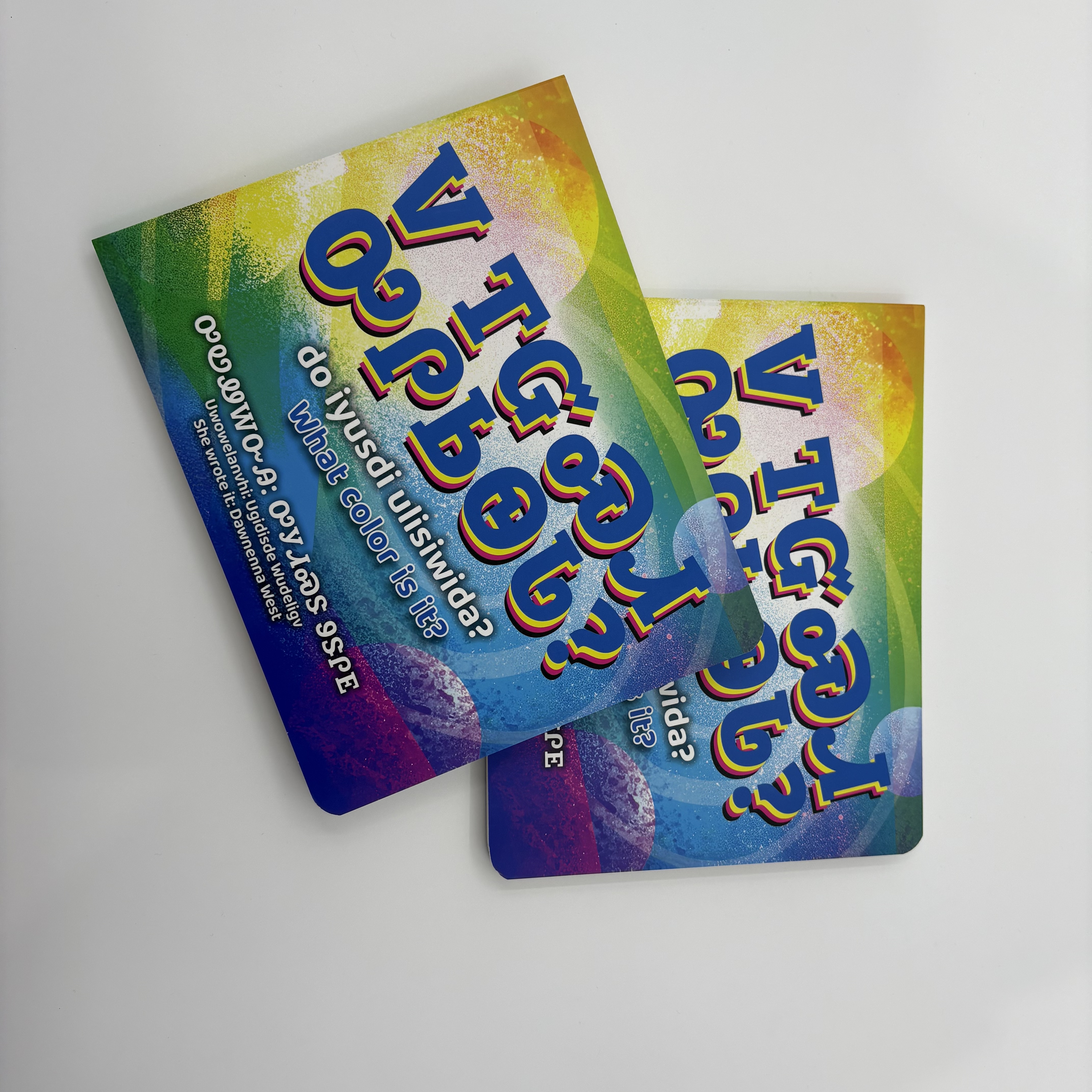
Repeated handling puts a different kind of demand on kids books than occasional adult reading. Young readers may open a book wide, turn pages quickly, carry it around, or return to a favorite story every day. Binding determines how well pages stay at...
VIEW MORE
Sustainability is changing how businesses specify packaging boxes, but the shift is not simply a move from one material to another. Buyers are weighing resource use, product protection, transport efficiency, and what happens after delivery. These pre...
VIEW MORE
Packaging boxes durability is not established by appearance alone. A box can look sturdy on a sample table yet fail when stacked, carried, exposed to moisture, or moved through a distribution network. Testing helps connect material and construction c...
VIEW MORE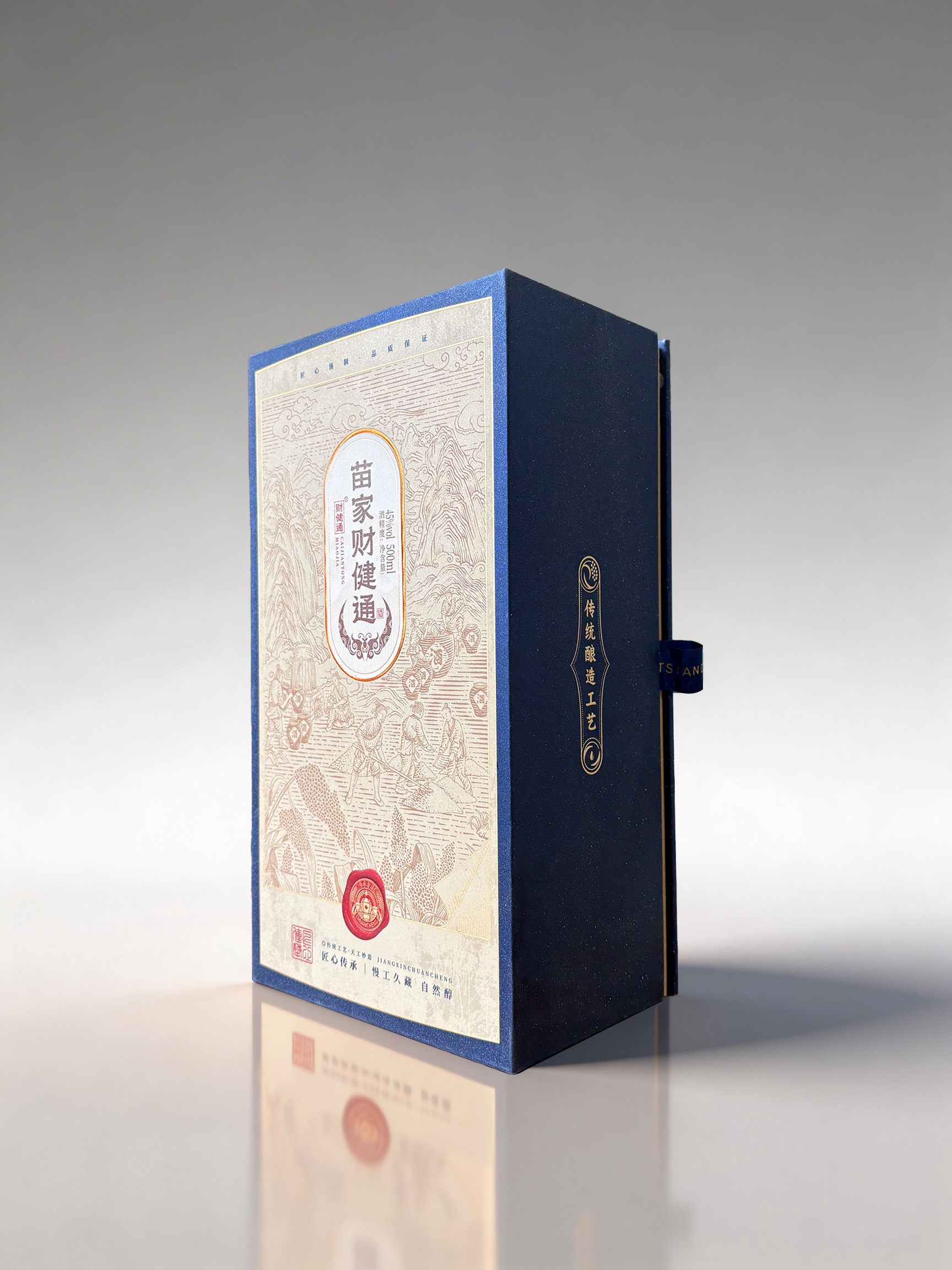
In 2026, packaging boxes are expected to do more than contain and protect a product. Buyers now judge them by how reliably they travel, how clearly they communicate, how efficiently they fit operations, and what happens to them after delivery. These ...
VIEW MORE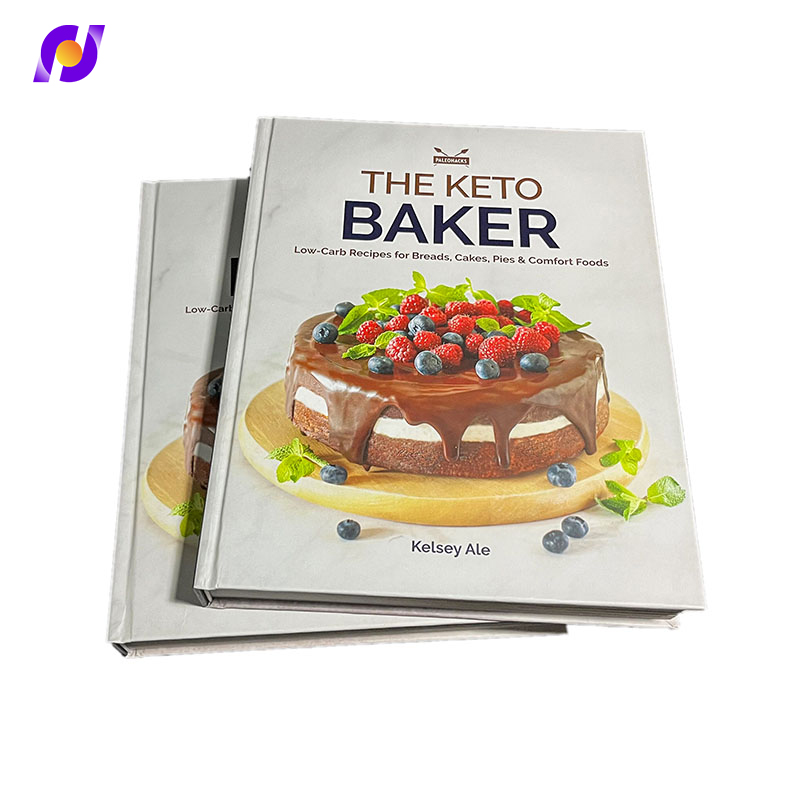
Choosing between printed and digital kids books is not a simple contest between old and new. In practice, the better format depends on how children will read, where the books will be used, and what the project needs to achieve. Printed kids books wor...
VIEW MORE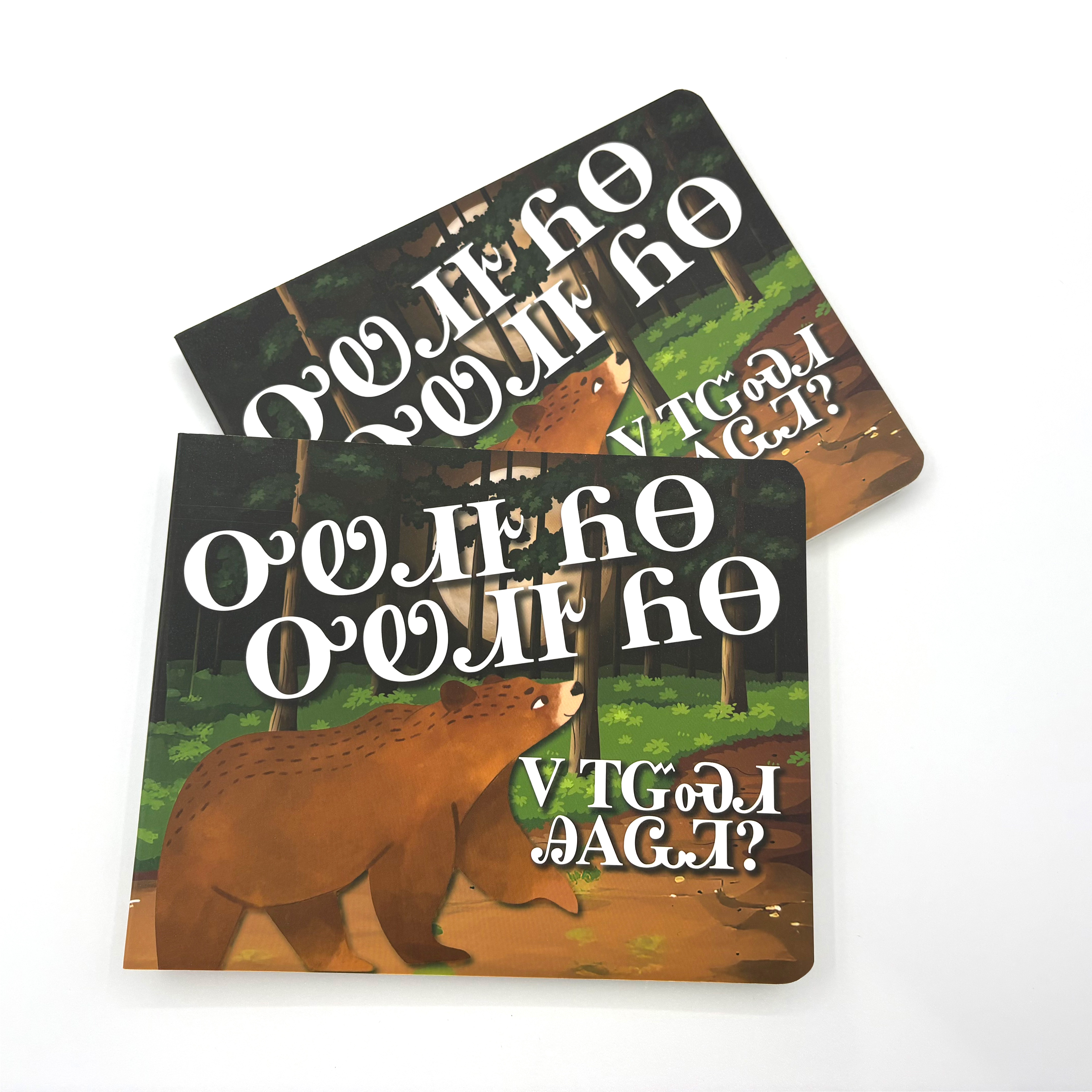
The quality of kids books directly influences how young readers engage with stories and learning materials. When parents and educators select kids books, they rarely consider the technical details behind production, yet paper quality, ink formulation...
VIEW MORE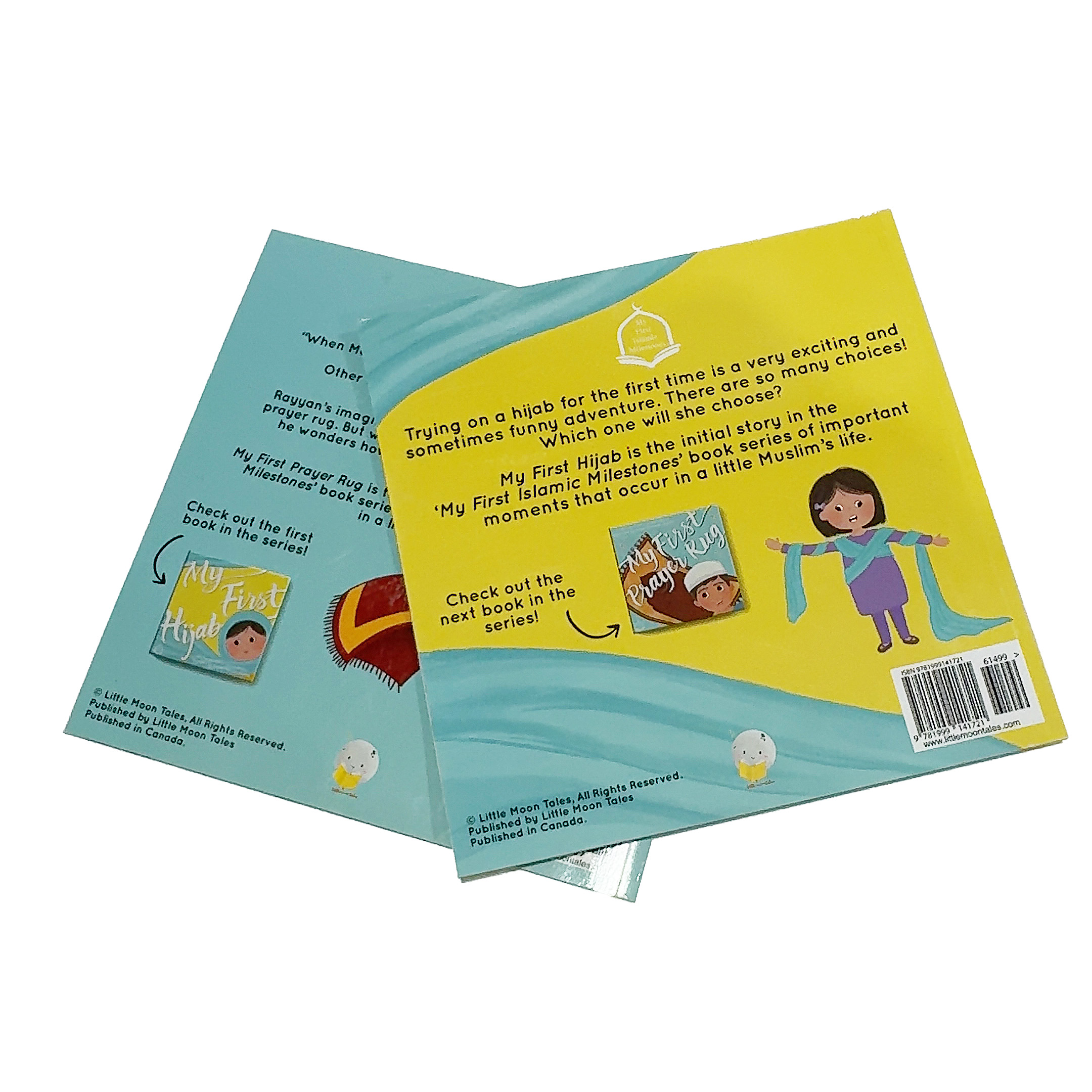
The way kids books are printed directly influences how children interact with stories and absorb information. Parents, educators, and publishers often overlook the critical connection between printing quality and reading outcomes. Understanding how p...
VIEW MORE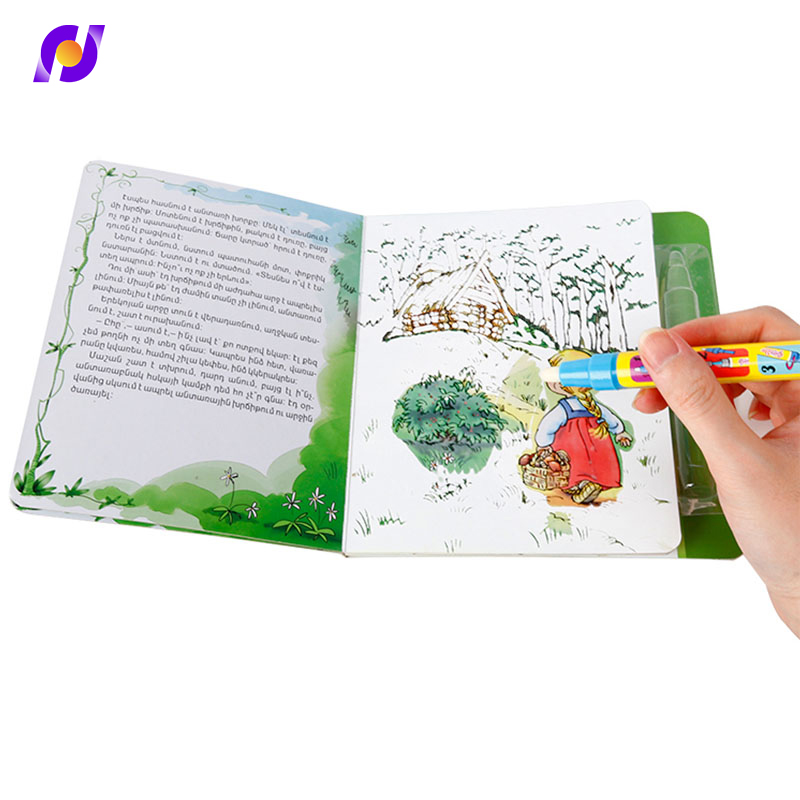
Designing and producing kids books involves navigating multiple technical and creative constraints that most publishers and designers encounter only after committing significant resources. Understanding kids books printing design limits at the planni...
VIEW MORE
Producing kids books requires a fundamentally different approach than adult publishing. The demands of kids books span material safety, developmental appropriateness, visual engagement, and durability standards that shift dramatically across age grou...
VIEW MORE
When parents select kids books for their children, safety is often the first concern on their minds. The production of kids books involves rigorous evaluation processes that ensure every material, ink, and binding component meets strict international...
VIEW MORE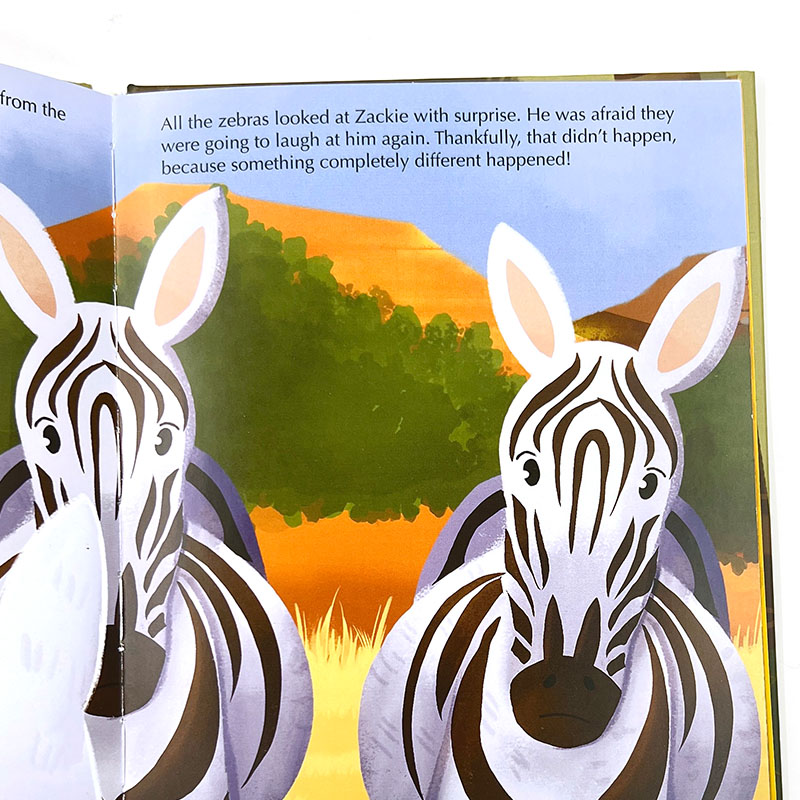
The publishing landscape for kids books continues to evolve at a rapid pace, driven by changing consumer preferences, technological advances, and sustainability concerns. Publishers investing in kids books are making deliberate decisions about how th...
VIEW MORE
The success of any hardcover book printing project hinges far more on material selection than on design aesthetics alone. While attractive layouts and compelling visuals grab attention, it is the underlying substrate, binding method, and finishing tr...
VIEW MORE
 EN