 EN
Sustainability is changing how businesses specify packaging boxes, but the shift is not simply a move from one material to another. Buyers are weighing resource use, product protection, transport efficiency, and what happens after delivery. These pressures explain why packaging boxes are increasingly designed around material recovery and practical performance together.

For procurement and packaging teams, the trend matters because material choices affect sourcing, customer experience, and waste handling. Sustainable packaging boxes are not automatically suitable for every product or distribution route. Understanding why the market is shifting helps teams set clear requirements, then choose packaging boxes that meet operational needs without treating sustainability as a separate afterthought.
Why material trends are shifting
Waste expectations are influencing design
Customers, retailers, and business partners increasingly expect packaging boxes to use materials that are easier to sort and recover. That expectation pushes designers to reduce unnecessary layers and reconsider coatings, windows, and mixed-material components. Packaging boxes that look simple to dispose of can still be difficult to process if their parts cannot be separated or identified.
Organizations also face growing pressure to explain packaging choices in procurement and sustainability reporting. Teams therefore examine how packaging boxes fit local collection systems rather than relying on a broad recyclability claim. Clear material specifications make it easier to discuss recovery with customers and waste handlers, while reducing uncertainty during packaging boxes reviews.
This shift does not mean every business can adopt the same format. The recovery options available to a customer depend on local infrastructure and the materials used. When companies assess packaging boxes, they should connect design decisions to the actual disposal context and communicate any preparation steps plainly. That makes packaging boxes easier to manage after use.
Resource efficiency extends beyond disposal
Material sustainability also concerns how much material is used to protect and deliver a product. Oversized packaging boxes can increase demand for board, void fill, and freight space, even when the materials themselves are recyclable. Right-sizing can reduce excess while preserving the strength needed for stacking, handling, and the expected distribution journey.
Lightweight construction may help reduce material use, but removing too much structure can create damage and returns. Buyers should assess packaging boxes as part of the full product journey, including storage, packing speed, and transport handling. A sound design balances less material with reliable protection, so packaging boxes do not shift environmental costs into avoidable product loss.
This broader view explains why trends include both material changes and structural redesign. A box that folds efficiently, stores flat, and uses space well may support operational efficiency as well as material goals. For packaging boxes, sustainability is strongest when the format fits the product and the process instead of adding complexity at the packing line.
How sustainability changes packaging decisions
Material selection follows product and route needs
Paper-based packaging boxes are often considered when businesses want a fiber-based format with familiar handling and recovery pathways. Kraft paper, corrugated board, and coated papers can serve different presentation and protection needs. The right choice depends on product weight, fragility, moisture exposure, and whether packaging boxes must withstand repeated handling.
A gift item shipped through several distribution stages may need a different structure from a product handed to a customer in a store. Teams should map where packaging boxes are filled, stored, transported, opened, and discarded. That journey reveals where cushioning or reinforcement is essential and where material can be simplified without compromising protection.
Coatings, adhesives, and decorative finishes deserve specific attention because they can affect separation and recovery. Ask what each layer contributes and whether a simpler option can meet the same functional need. Reviewing packaging boxes at component level helps buyers avoid relying on vague material descriptions and supports more informed packaging boxes specifications.
Performance requirements remain essential
Sustainable design must still protect goods against compression, abrasion, and routine handling. Packaging boxes should be evaluated against realistic storage and shipping conditions, not just their appearance on a sample table. Trial packing and distribution feedback can show whether a proposed material or structure performs as intended in everyday operations.
Protection requirements can vary by product dimensions, mass, and sensitivity. A compact box may be efficient for a lightweight item but unsuitable for a heavier product that needs stronger walls or inserts. Buyers can specify test conditions and acceptable damage limits so packaging boxes balance material objectives with the business cost of breakage.
Production details also influence suitability. A design should run consistently on available packing equipment, close securely, and support the required labeling or branding. When packaging boxes create slowdowns or require extra protective materials, the apparent material saving may not deliver an operational benefit. A practical assessment considers the complete pack-out process.
What businesses should evaluate next
Translate sustainability goals into purchasing criteria
Start with measurable requirements rather than a general request for greener packaging boxes. Define the product protection level, dimensions, material preferences, finish limitations, and intended recovery route. Specific criteria help suppliers propose relevant options and allow internal teams to compare packaging boxes against consistent operational and sustainability priorities.
Review available documentation for material composition and disposal guidance, and confirm that claims match the finished design. For custom packaging boxes, request details about board grades, coatings, inserts, and adhesives. This information supports more accurate internal review and gives customer-facing teams a clearer basis for explaining what the packaging can and cannot claim.
Teams can also assess whether packaging boxes use space efficiently in storage and transit. Flat-packed formats may reduce storage demands before assembly, while appropriate dimensions can improve pallet or parcel utilization. Evaluate these effects with actual product and shipping data so decisions reflect the use case rather than assumptions about packaging boxes performance.
Test, review, and refine the specification
Before a broad rollout, test samples with the actual product, filling method, and distribution conditions. Gather feedback from packing staff, logistics teams, and customers where relevant. These checks can reveal assembly problems, weak closure points, or confusing disposal instructions that were not obvious during design reviews of packaging boxes.
A pilot also helps teams understand trade-offs in cost, damage rates, and handling time. Record findings and adjust the specification where a material change affects performance. This measured approach keeps packaging boxes sustainability work grounded in evidence, while helping procurement avoid switching formats based only on appearance or a single material attribute.
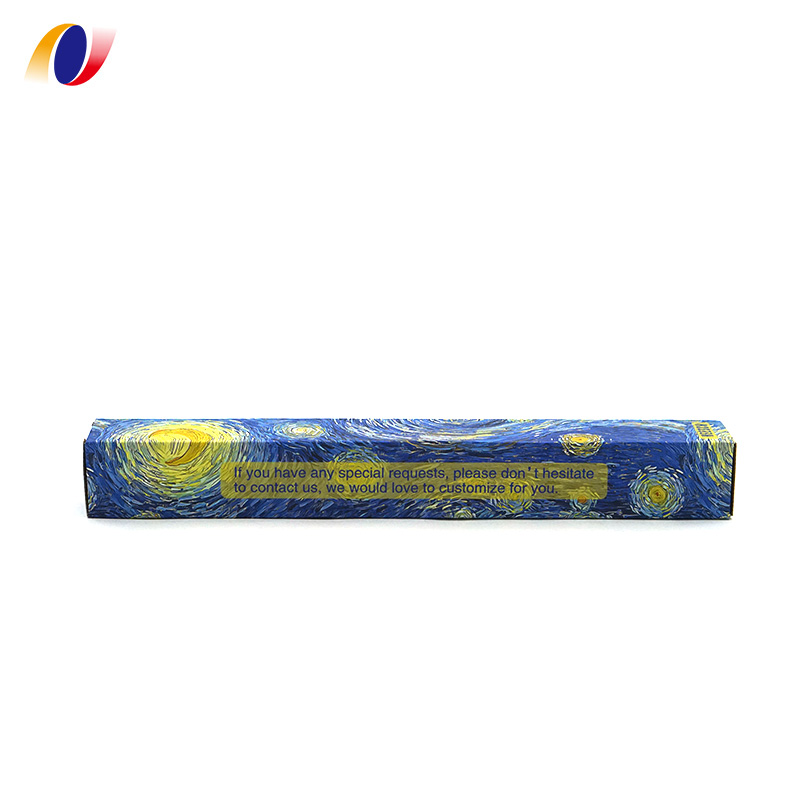
One suitable option for evaluation is packaging boxes designed with foldable construction and paper-based materials. Buyers should still confirm dimensions, protection needs, finishes, and recovery suitability for their application. Treating packaging boxes as part of a complete system makes material trends actionable rather than purely cosmetic.
FAQ
Why are businesses changing packaging box materials?
Businesses are responding to waste expectations, material efficiency goals, and customer questions about disposal. Packaging boxes are being reconsidered for their full life cycle, including sourcing, protection, transport, and recovery. The best material choice depends on the product and the waste systems available to its users.
Are paper-based packaging boxes suitable for every product?
No. Paper-based packaging boxes can suit many products, but weight, fragility, moisture exposure, and shipping conditions affect the required structure. Test the complete pack with the real item before choosing a format, and add reinforcement only where performance requirements justify it.
How can buyers assess sustainable packaging boxes?
Set clear requirements for material composition, product protection, dimensions, finishes, and disposal context. Ask for relevant material information, then test samples in the intended packing and distribution process. This makes packaging boxes easier to evaluate against practical needs and sustainability objectives.