
 EN
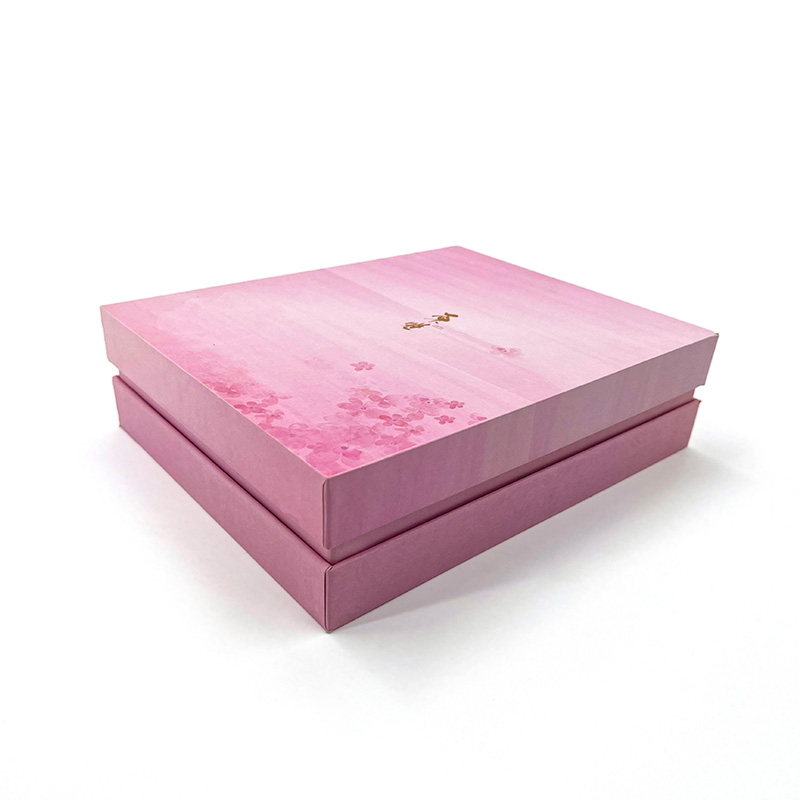
Packaging boxes durability is not established by appearance alone. A box can look sturdy on a sample table yet fail when stacked, carried, exposed to moisture, or moved through a distribution network. Testing helps connect material and construction choices with the stresses packaging boxes encounter in real use, so teams can identify weaknesses before routine shipments are affected.

The value of testing depends on how closely the test conditions reflect the product, route, and handling process. For packaging boxes, useful evaluation looks beyond a single strength number: it considers compression, impact, vibration, closure integrity, and environmental exposure together. Understanding what each test represents makes results easier to interpret and turns them into practical design decisions.
What real-use durability means for packaging boxes
Durability is a chain of demands
In distribution, packaging boxes experience a sequence rather than one isolated force. A filled carton may be stacked in a warehouse, transferred between vehicles, vibrated during transport, and handled repeatedly at a receiving dock. Each stage can add stress, while small weaknesses in a corner, seam, or closure may become more significant as demands accumulate.
That is why packaging boxes should be assessed in relation to their contents and journey. A light, compact item may mainly need protection from scuffs and drops, while heavier goods can place greater demands on the base and side panels. Fragile products also require control of internal movement, because a strong outer box cannot prevent damage if the product shifts inside.
Design details shape performance
Board grade, thickness, flute or panel structure, dimensions, and converting quality all influence how packaging boxes respond to pressure and handling. Oversized boxes may allow contents to move; undersized boxes can create excessive pressure at closure points. Material selection should therefore be considered alongside fit, inserts, cushioning, and the way operators assemble and seal each package.
For folding cartons and corrugated formats alike, joints and edges deserve attention. Creases, glued seams, tabs, and closures can become failure points if construction is poorly matched to repeated opening or heavy contents. Reviewing packaging boxes as complete systems helps teams distinguish a material issue from a design, assembly, or packing-process issue.
How durability tests represent shipping stresses
Compression, stacking, and edge strength
Compression testing applies a controlled load to packaging boxes to examine how much force they withstand before deformation or collapse. It is particularly relevant when filled units are stacked during storage or transit. The test can inform material and structural choices, but the result needs context: stacking duration, humidity, load distribution, and box orientation all affect what happens in practice.
A compression result is not a universal promise that packaging boxes will remain intact in every warehouse. Real stacks may be uneven, loads may shift, and lower cartons may carry weight for extended periods. Teams should compare test conditions with expected pallet patterns and storage time, then allow a sensible margin for variation rather than treating a laboratory figure as a complete forecast.
Impact, vibration, and environmental exposure
Drop and impact evaluations help show whether packaging boxes protect contents when a parcel is set down abruptly or falls during handling. Vibration testing represents repeated movement that may loosen closures, abrade surfaces, or encourage products to migrate within the pack. The useful question is not simply whether the carton survives, but whether the product remains protected and the package stays serviceable.
Humidity and temperature can change board stiffness, adhesive behavior, and the condition of packaging boxes. Where shipments face damp storage or changing climates, conditioning samples before testing can reveal weaknesses that dry-room checks miss. A test plan should reflect likely exposure, while avoiding assumptions that every shipment experiences the same environment or handling intensity.
Turning test results into better packaging decisions
Build a test plan around the actual journey
Start by documenting product weight, fragility, pack orientation, closure method, stacking pattern, and distribution route. This gives testing a clear purpose and helps select relevant procedures for packaging boxes. Include the people who pack, store, and receive the goods; their observations can reveal recurring damage patterns or handling steps that a specification alone does not capture.
Use representative samples, including normal production variations where appropriate, and test the package as it will be shipped. Packaging boxes tested empty or with an unrealistic substitute load may produce misleading conclusions. Record the sample construction, conditioning, test sequence, and visible damage so future teams can reproduce the evaluation and compare design revisions consistently.
Interpret failures and verify changes
When packaging boxes fail, identify where and how the failure began. A crushed panel may suggest inadequate compression resistance, while a separated seam can point toward closure design or assembly consistency. Product damage with an intact carton may indicate insufficient cushioning or excessive internal movement. This diagnosis prevents teams from changing board material when the real issue lies elsewhere.
After a change, repeat the relevant tests and check that improvements do not create new problems. Increasing material thickness may affect storage efficiency, packing speed, or fit, so durability is only one part of the decision. Teams evaluating options such as packaging boxes should compare construction details with the product and shipping demands, then confirm performance with representative samples.
A practical review also considers the condition of packaging boxes after testing. Cosmetic marks may be acceptable for some shipments, while a damaged label area, exposed product, or compromised closure can create operational problems. Set acceptance criteria before the test begins, and connect them to product protection, customer requirements, and handling needs rather than relying on vague judgments such as 'strong enough.'
FAQ
Which test matters most for packaging boxes?
There is no single test that suits every package. Compression is important for stacked loads, while impact and vibration can better reflect parcel handling and transport movement. Choose tests based on the product, route, and likely failure modes, and assess packaging boxes with contents and closures configured as they will be shipped.
Can laboratory testing predict every shipping condition?
No. Laboratory procedures provide controlled, repeatable evidence, but they cannot capture every variation in handling, weather, or storage. They help teams compare packaging boxes and find vulnerabilities. Pair test results with field observations and damage records, then revise the test plan when routes, products, or distribution practices change.
When should a packaging design be tested again?
Retest packaging boxes after meaningful changes to materials, dimensions, closure, product weight, or shipping conditions. A new supplier process or recurring field damage can also justify review. Verification is especially useful before adopting a change at scale, because it confirms that the revised package still protects the product under relevant demands.