 EN
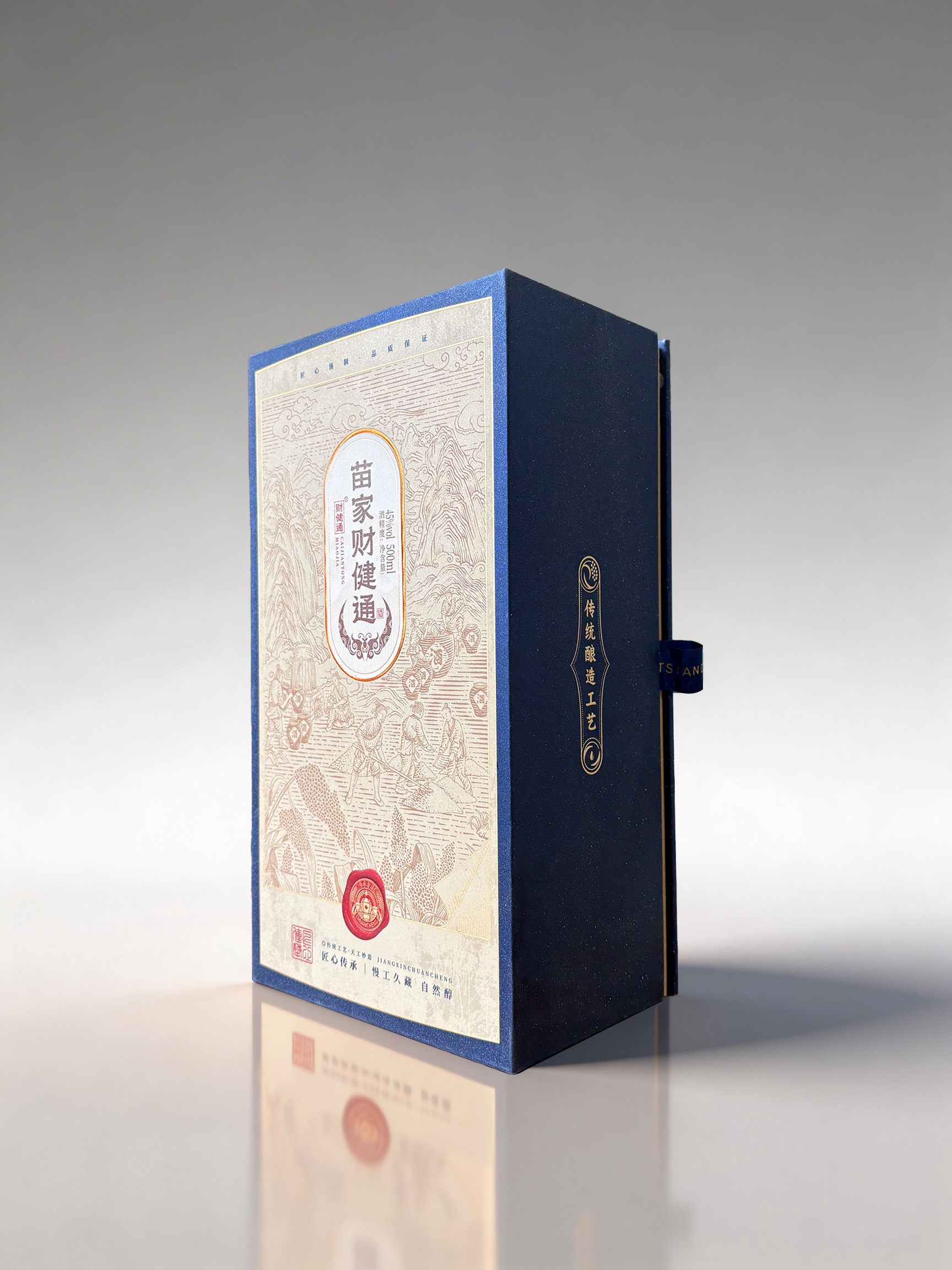
In 2026, packaging boxes are expected to do more than contain and protect a product. Buyers now judge them by how reliably they travel, how clearly they communicate, how efficiently they fit operations, and what happens to them after delivery. These expectations have evolved because packaging decisions connect customer experience with cost, compliance, and supply-chain performance.
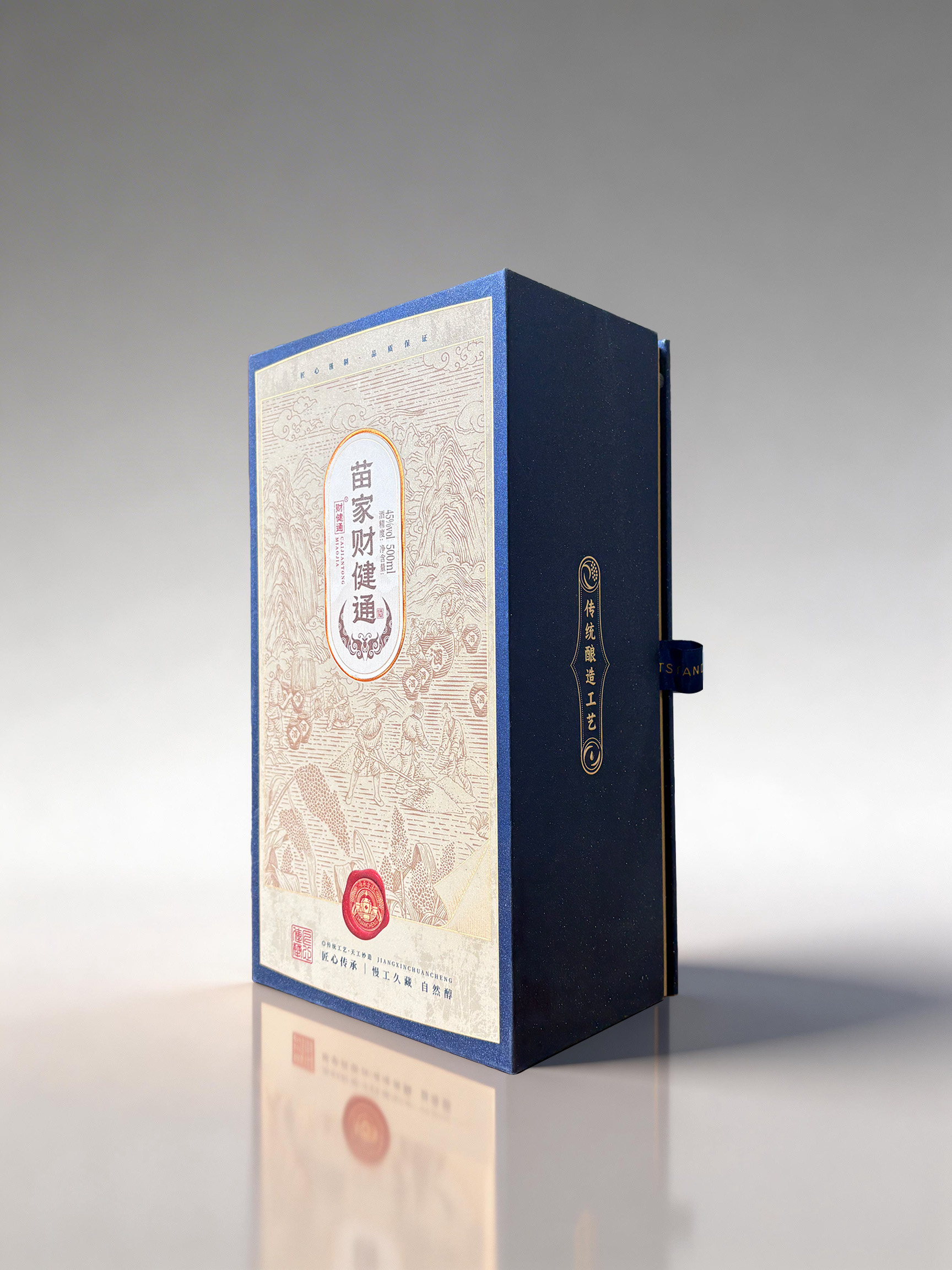
The shift is not simply toward more elaborate packaging boxes or a single preferred material. Companies must balance protection, presentation, material use, and production realities for each product and channel. Understanding how packaging boxes have changed helps procurement, operations, and marketing teams define practical specifications instead of relying on outdated assumptions or trend-driven choices.
From basic protection to dependable performance
Transit resilience is judged across the full route
The original job of packaging boxes was to keep goods together and reduce damage during handling. In 2026, that requirement remains essential, but businesses consider the full journey: storage, palletization, sorting, parcel delivery, and final handling. Packaging boxes need suitable strength for the actual distribution environment, not just for a neat warehouse stack or a short local trip.
This broader view changes how teams specify packaging boxes. They assess product weight, fragility, shape, shipping distance, and likely handling conditions before choosing board grade, dimensions, and internal support. A box that is too weak can expose goods to damage, while excessive material can add avoidable cost and shipping volume. The useful target is protection matched to risk.
Consistency matters as much as strength
Reliable packaging boxes must also perform consistently from run to run. Small differences in dimensions or construction can affect packing speed, closure, stacking, and automated equipment. For manufacturers and distributors, the practical expectation is a repeatable specification that works with existing processes and protects the product without creating unnecessary work at the packing station.
Teams can make this expectation measurable by checking samples in real packing conditions and confirming dimensions, closure methods, and product fit. Packaging boxes should be evaluated with the inserts or cushioning used in production, not as empty samples alone. This helps identify a poor fit before a larger order reaches the line and turns a packaging issue into an operating delay.
From material claims to responsible design
Material decisions now need context
Sustainability has become a more visible part of packaging expectations, but a material label alone does not explain whether a design is appropriate. Companies consider material quantity, protective needs, local recovery options, and how easily packaging boxes can be separated after use. The objective is to make a responsible choice that fits the product and the disposal systems customers can actually access.
That context encourages teams to question unnecessary layers, oversized formats, and components that complicate sorting. Packaging boxes designed around product dimensions can reduce unused space while retaining needed protection. A change should still be checked against shipping conditions and product sensitivity; reducing material without understanding damage risks can shift costs elsewhere rather than improve the overall outcome.
Clear, supportable communication is another evolving expectation. Buyers may ask what a package contains and how its materials should be handled, so packaging boxes should not make vague environmental promises. Specify materials accurately, keep disposal guidance understandable, and align printed claims with evidence and local requirements. This approach supports trust while giving internal teams a consistent basis for review.
Right-sizing connects responsibility with operations
Right-sizing is not just a design preference; it can affect storage, freight planning, and packing workflow. When packaging boxes closely match product dimensions, businesses can make better use of warehouse space and limit avoidable void fill. The right design still leaves enough room for protective elements and allows workers to pack and close each shipment reliably.
A useful review compares the current package with realistic alternatives using the same product and distribution conditions. Teams can examine material use, cube, packing time, and damage observations together. Packaging boxes should not be redesigned around a single metric, because a smaller footprint or lighter construction may create trade-offs in handling, product protection, or line compatibility.
From plain containers to useful brand touchpoints
Presentation must serve the customer and the channel
Digital commerce and crowded retail environments have raised expectations for how packaging boxes present a product. A package can help customers identify its contents, recognize a brand, and understand how to open or handle it. Yet graphic design must remain legible and appropriate to the channel, whether the box is seen on a shelf, in a delivery, or during business-to-business receiving.
For many organizations, design choices now combine brand consistency with practical information. Packaging boxes may carry product identification, handling details, or campaign artwork, but those elements must not obscure essential labels or compromise packing. A proof reviewed at its intended size and under realistic lighting is more useful than judging artwork only on a screen or oversized mock-up.
Customization can make packaging boxes more relevant to a product launch, seasonal program, or customer segment, provided the production plan supports it. Teams should confirm artwork, color expectations, print areas, and approval timing before committing. Where short runs or frequent updates are involved, simpler design systems can make revisions easier while preserving a recognizable presentation across different formats.
Procurement expectations include coordination and clarity
The purchasing process has evolved alongside the package itself. Buyers increasingly expect packaging boxes to arrive with clear specifications, dependable timelines, and approval records that reduce ambiguity between design and production. Early coordination across procurement, marketing, quality, and operations can surface conflicting requirements before tooling, artwork, or production schedules are finalized.
A practical specification describes intended use, dimensions, material expectations, print requirements, closure, and any testing or inspection criteria. Teams can also clarify how changes will be reviewed and how finished goods will be identified. For customized packaging boxes, this discipline helps prevent mismatched expectations and makes it easier to assess samples against the approved design.
In 2026, packaging boxes are increasingly treated as part of a broader product and fulfillment system rather than a last-minute purchasing item. Businesses that need a printed paper-based format can review options such as packaging boxes alongside the intended use, finish, and production needs. The important step is to connect the package choice to a defined business purpose.
FAQ
What has changed most about packaging boxes by 2026?
Expectations have expanded from basic containment to a balance of protection, efficient handling, responsible material choices, and useful presentation. Packaging boxes are assessed across the supply chain and customer experience, so a strong design must work in transit, at the packing line, and after delivery.
How can a business update existing packaging boxes?
Start by documenting product needs, shipping conditions, packing workflows, and customer-facing requirements. Then test packaging boxes with real products and review dimensions, protection, material use, and print clarity together. This process helps teams make targeted changes without overlooking operational trade-offs.
Do packaging boxes need custom printing in 2026?
Not always. Custom printing is useful when identification, brand presentation, or product information supports a clear business goal. Plain packaging boxes may be more suitable when cost, flexibility, or simple handling takes priority, provided required labels and customer instructions remain clear.