 EN

Choosing between printed and digital kids books is not a simple contest between old and new. In practice, the better format depends on how children will read, where the books will be used, and what the project needs to achieve. Printed kids books work well for shared reading and physical interaction, while digital editions offer convenient access and flexible updates.
For publishers, schools, educational organizations, and buyers, the practical decision is often about matching format to context rather than choosing only one. Kids books may need to serve classrooms, homes, libraries, or online learning environments, each with different demands. Comparing the reading experience, access, production, and ongoing use makes the choice clearer.
How children use each format
Print supports shared, hands-on reading
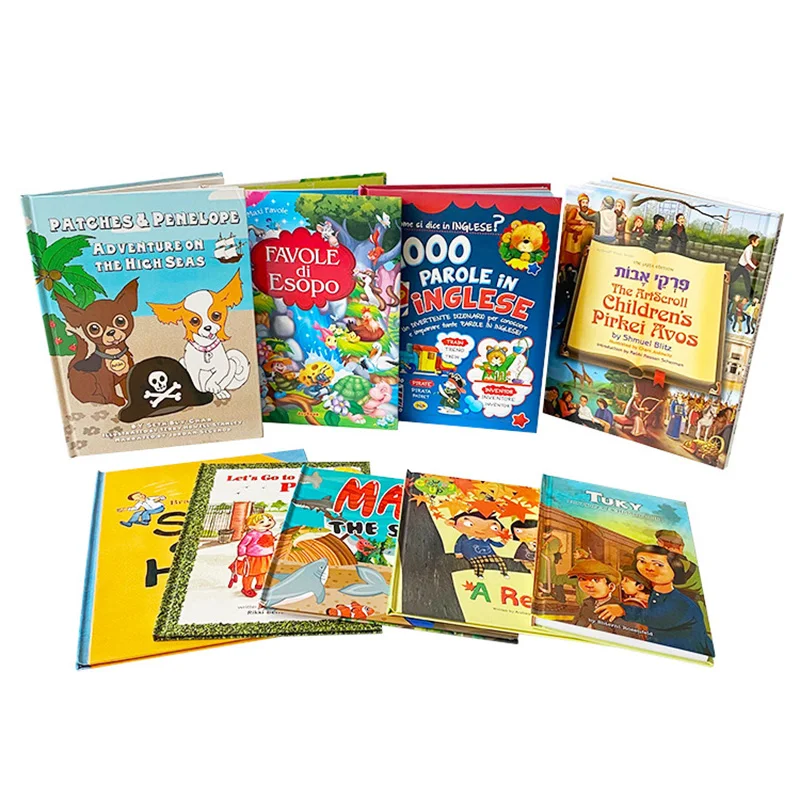
Printed kids books give children a tangible object to hold, turn, revisit, and share with another reader. That physical sequence can help make a story feel focused, especially during read-alouds at home, in a classroom, or in a library. For illustrated kids books, a full page or spread also presents artwork without the interface elements found on a screen.
The format can be useful when adults guide reading and want to point to a word, picture, or detail together. Durable binding and suitable paper help books withstand repeated handling, although specifications should fit the age group and expected use. In those settings, printed kids books make access straightforward: the reader does not need a device, login, battery, or connection.
Digital editions add portable access
Digital kids books are easy to store and distribute across compatible devices, which can help when a family or school needs access to many titles in a small physical space. Features such as adjustable text, audio, and search may support some readers, depending on the platform and edition. These functions make digital kids books useful for remote access and selected learning activities.
However, screens introduce practical considerations. Device availability, charging, software compatibility, connectivity, and screen policies can all affect whether children can use a title when needed. A digital edition also needs thoughtful design: small text, awkward navigation, or distracting interactive elements can make kids books harder to enjoy rather than easier.
How production and distribution change the decision
Print involves a physical production plan
Printed kids books require decisions about trim size, page count, paper, color, binding, and packaging before production. These choices shape how artwork appears, how the book feels in a child’s hands, and how well it suits its intended setting. A clear specification and reviewed proof help teams check color, layout, and text before committing to a print run.
Physical copies also require inventory planning, storage, shipping, and a way to manage replenishment. Those steps can be worthwhile when buyers expect a consistent, giftable, or classroom-ready object, but they call for coordination and forecasting. For kids books tied to a specific curriculum or event, teams should consider whether content may need revision before ordering quantities.
Digital delivery changes access and revision
Digital kids books can be delivered without packing and shipping individual copies, and revised files may be easier to distribute than a newly printed edition. That can suit projects with changing information or audiences spread across locations. Yet digital delivery still depends on file quality, platform requirements, permissions, and reliable access for the intended readers.
The economics are not automatically simpler. Initial design, conversion, platform setup, licensing, and support can all affect the total cost of digital kids books. Print costs likewise depend on specifications and quantity, so teams should compare realistic production and distribution scenarios rather than assume one format is always cheaper. For either format, define the expected audience and lifecycle first.
Choosing a format for the real use case
Match format to age, setting, and purpose
For toddlers and early readers who benefit from an adult reading alongside them, printed kids books can make shared attention and page turning feel natural. Schools may prefer physical copies for group activities where every child needs a visible page and device use is limited. Digital kids books can be a good fit when portability, remote access, or adjustable display features are priorities.
Consider the actual reading environment, not just the intended audience. A library, clinic, travel program, or home may have different storage, cleaning, access, and supervision needs. Kids books designed for repeated group handling may justify a robust physical format, while a downloadable edition can extend access to readers who are not near a stocked location.
Use a blended approach when needs differ
Some projects benefit from offering both print and digital kids books, particularly when readers have different access needs or the title serves several settings. A printed edition can support shared reading and physical distribution, while a digital version can provide another route to the same content. The two formats should be planned together so illustrations, text, and accessibility features remain consistent.
Before choosing, identify the primary reader, purchase or access route, expected usage, update frequency, and available budget. Then test a representative sample: review printed kids books as a physical proof and check digital editions on the devices readers are likely to use. A small, practical review can reveal issues with legibility, handling, navigation, or access before wider rollout.
FAQ
Are printed kids books better for young children?
They can be a practical choice for shared reading, page interaction, and settings without screens. The right format for kids books still depends on the child, the adult’s role, and the reading environment.
Do digital kids books reduce production costs?
They avoid physical printing and shipping, but design, conversion, platform, and licensing costs remain. Compare the full lifecycle costs of digital and printed kids books for the specific project.
Can a project offer both formats?
Yes. Offering print and digital kids books can serve different access needs, provided the content and design work well in each format and the team can support both distribution paths.