 EN
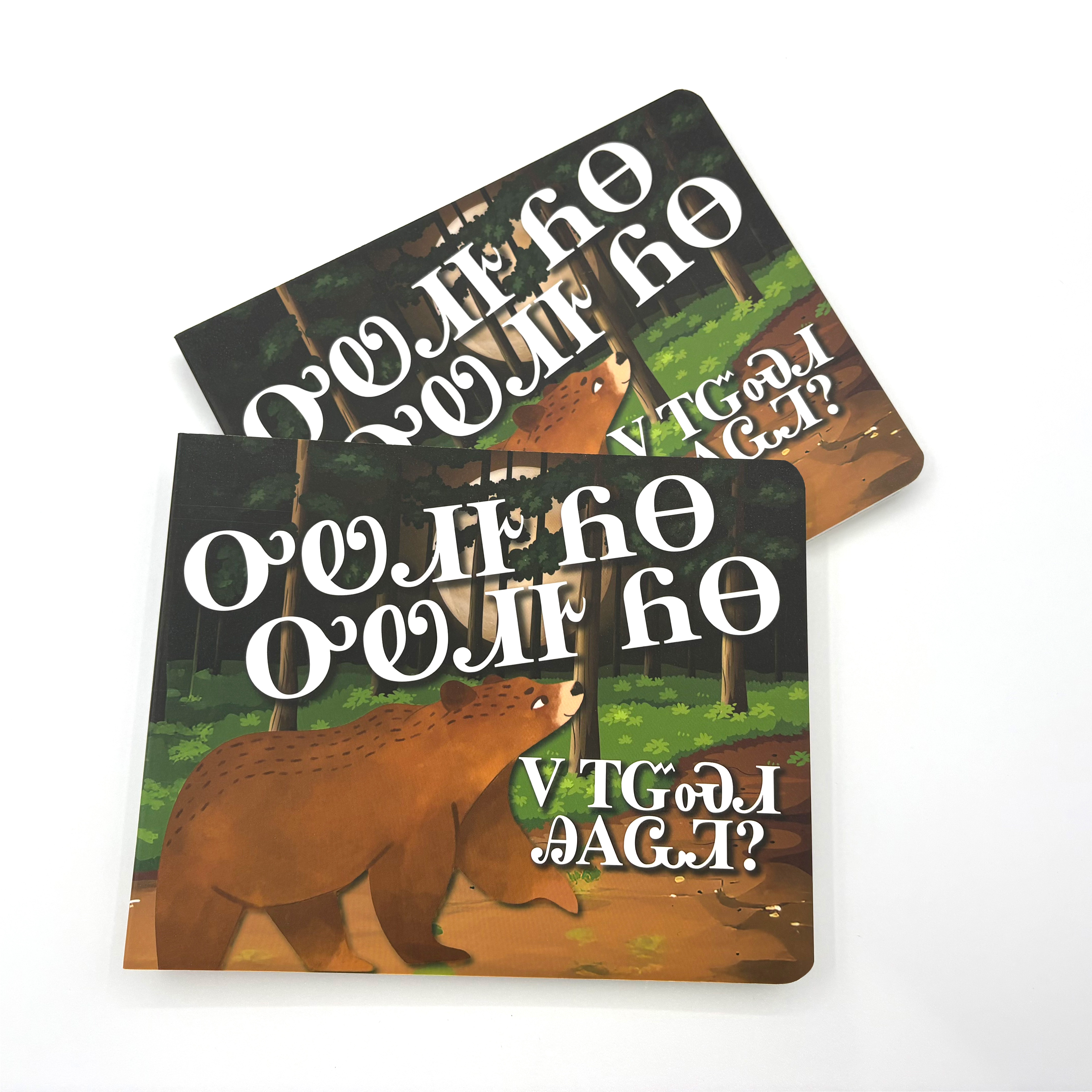
The quality of kids books directly influences how young readers engage with stories and learning materials. When parents and educators select kids books, they rarely consider the technical details behind production, yet paper quality, ink formulation, and printing precision profoundly affect the reading experience. Kids books printed on superior materials create lasting impressions, encourage repeated reading, and support visual comfort during extended study sessions. Understanding why kids books printing quality matters helps decision-makers invest in products that truly serve children's developmental needs.
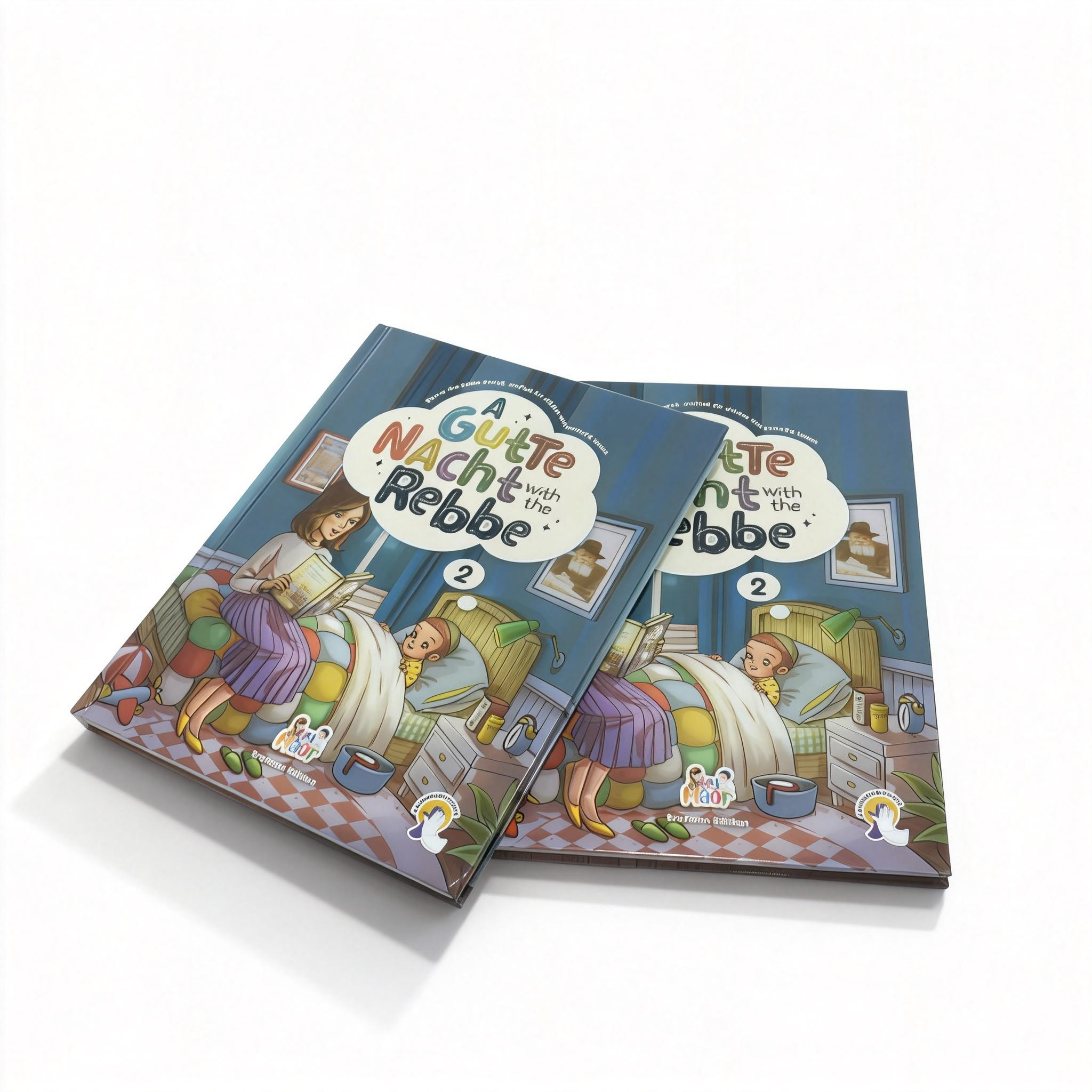
The paper used in kids books printing fundamentally shapes tactile experience and durability. High-quality paper resists tearing during enthusiastic page turning, withstands repeated library circulation, and maintains structural integrity throughout a child's reading journey. When kids books are printed on premium paper stocks, the printed pages remain crisp, colors stay vibrant, and the binding holds firm against the wear patterns typical of young readers. Investment in proper kids books printing materials reflects a commitment to delivering products that endure childhood adventures and classroom environments.
Paper Quality and Its Role in Kids Books Printing
How Paper Selection Impacts Reading Experience
Paper quality stands as a cornerstone in kids books printing because it directly affects how children perceive and handle their books. Lightweight coated paper, commonly used in premium kids books, provides smooth surfaces that enhance image clarity and text legibility. When kids books are printed on properly weighted paper, the pages turn smoothly without sticking together, reducing frustration for young readers still developing fine motor control. Thicker paper stocks prevent show-through, meaning ink from one side doesn't bleed into the next page, preserving illustration integrity in kids books printing projects.
The tactile dimension of kids books printing cannot be overstated. Children learn through sensory engagement, and the feel of pages in their hands contributes to reading pleasure and retention. Kids books printed on high-quality paper encourage extended engagement because the material itself communicates care and value. Libraries and schools recognize that kids books on inferior paper deteriorate rapidly, requiring frequent replacement and increasing long-term costs compared to investing in better kids books printing from the start.
Durability and Longevity in Children's Book Materials
Durability considerations make paper selection critical in kids books printing strategies. Children handle books differently than adults, often with unpredictable force and exposure to spills, folding, and corner creasing. Premium paper stocks used in quality kids books printing resist these stresses better than economy options. Acid-free paper, a standard in professional kids books printing, prevents yellowing and brittleness over years of storage and use. When institutions order kids books, they project replacement cycles spanning decades, making initial paper quality investment economically prudent.
Color retention in kids books printing depends heavily on paper composition. Illustrations in children's educational materials rely on consistent color perception to support learning. Paper with proper brightness and finish ensures that kids books maintain visual appeal whether sitting on classroom shelves or in home libraries. The paper substrate in kids books printing also affects how ink adheres, influencing whether colors fade after months of sunlight exposure or remain stable throughout the book's usable life.
Ink Quality and Visual Performance in Kids Books
Ink Formulation for Safety and Brilliance
Ink composition in kids books printing involves considerations beyond aesthetic appeal, including child safety and environmental responsibility. Premium inks used in quality kids books printing meet rigorous safety standards, containing no heavy metals or toxic compounds that might concern parents and educators. Water-based and soy-based inks, increasingly common in professional kids books printing, reduce environmental impact while delivering vibrant colors that capture children's attention. When kids books are printed with high-performance inks, illustrations achieve the saturation and clarity that support visual learning and emotional engagement with stories.
The pigment concentration in inks directly influences color performance in kids books printing. Lower-quality inks contain insufficient pigment, resulting in dull, washed-out colors that diminish illustration impact in kids books. Professional kids books printing uses carefully formulated inks that balance pigment density, fluidity, and adhesion to paper. This technical precision ensures that educational kids books maintain visual consistency page after page, supporting children's ability to focus on content rather than struggling with poor color definition.
Print Clarity and Text Readability
Text legibility represents a non-negotiable priority in kids books printing because young readers develop literacy skills through clear visual input. High-quality ink formulations in professional kids books printing create sharp edges on letterforms and symbols, reducing eye strain during reading sessions. When kids books employ substandard inks, text appears fuzzy or slightly smudged, forcing children's eyes to work harder and potentially discouraging reading engagement. The combination of precise ink delivery and quality paper ensures that kids books support rather than hinder the natural development of reading fluency.
Ink adhesion to paper affects the tactile experience of reading kids books. Premium inks in quality kids books printing bond properly to paper fibers, preventing smudging when children turn pages or touch illustrations. Poor ink adhesion in kids books can result in fingerprints, transferred ink to adjacent pages, and general deterioration of the printed surface. Parents notice these issues immediately when their children's hands darken from touching printed pages, making ink quality a tangible factor in parent satisfaction with kids books quality.
Production Standards and Long-Term Educational Value
Consistency and Standardization in Kids Books Printing
Professional kids books printing facilities maintain strict quality control standards that ensure consistency across large production runs. When educational institutions order multiple copies of kids books, they expect identical quality throughout the shipment. Kids books produced under certified quality management systems meet predictable specifications for color accuracy, text sharpness, and material durability. This consistency in kids books printing supports equitable learning experiences, ensuring that all students receive materials of equivalent quality regardless of when or where books enter classroom circulation.
Standardized kids books printing processes reduce variability that might otherwise compromise educational effectiveness. Advanced color management systems in quality kids books printing facilities calibrate equipment to maintain precise color reproduction from first copy to final production run. Batch testing in professional kids books printing catches potential issues before thousands of units reach schools and libraries. This systematic approach to kids books printing quality reflects industry recognition that children deserve consistent, reliable printed materials that support rather than compromise their learning experiences.
Environmental and Safety Considerations in Modern Kids Books Production
Contemporary kids books printing balances performance with environmental responsibility and safety compliance. Eco-friendly approaches to kids books printing increasingly employ recycled paper stocks and renewable-source inks without sacrificing quality or durability. Parents and educators increasingly value kids books produced through sustainable kids books printing processes that minimize environmental footprint. Safety certifications for kids books printing materials provide assurance that young readers face no chemical exposure or harmful substances during use.
Standards compliance in kids books printing reflects institutional commitment to child welfare. Many educational publishers require kids books printing facilities to maintain certifications demonstrating adherence to international safety and environmental standards. When kids books meet these rigorous criteria, schools and libraries confidently stock materials knowing they've been vetted for safety and sustainability. Quality kids books printing thus represents responsible stewardship of both children's health and environmental resources, supporting educational missions through conscientious production practices.
FAQ
Does paper quality really affect how children engage with kids books?
Yes, paper quality significantly influences engagement with kids books. Superior paper provides better tactile feedback, supports clearer image reproduction, and withstands repeated handling. Children instinctively recognize quality in physical materials, and kids books printed on premium paper communicate value and care. Studies indicate that high-quality kids books receive more repeated readings and maintain higher retention rates in institutional settings, demonstrating that paper quality directly correlates with educational impact.
What makes ink quality important in kids books printing safety?
Ink safety in kids books printing protects children from potential chemical exposure. Premium inks meet strict safety regulations and contain no harmful heavy metals or toxic components. Parents expect kids books materials to be safe for frequent handling and potential contact with mouths, especially for board books and early reader kids books. Professional kids books printing uses certified inks that balance vibrant performance with complete safety assurance, supporting parent confidence in product quality.
How does printing quality affect kids books costs and long-term value?
While premium kids books printing involves higher initial costs, long-term value substantially exceeds economy alternatives. Kids books printed with quality materials last years longer, reducing replacement frequency in libraries and schools. The educational impact of clear illustrations and readable text in properly printed kids books supports better learning outcomes, justifying investment in quality production. Institutions calculating total cost of ownership typically find that premium kids books printing delivers superior economics alongside superior educational performance.