
 EN
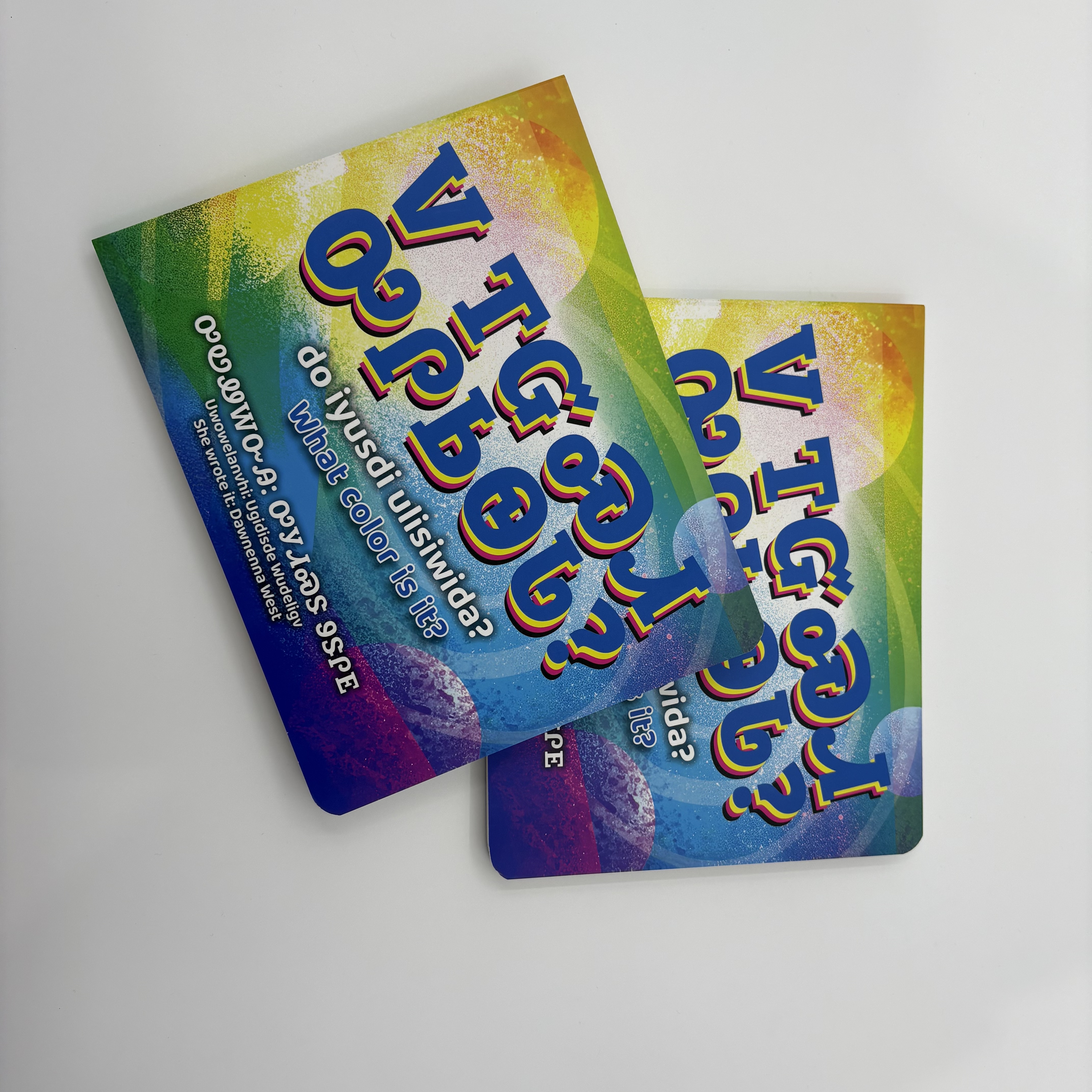
Repeated handling puts a different kind of demand on kids books than occasional adult reading. Young readers may open a book wide, turn pages quickly, carry it around, or return to a favorite story every day. Binding determines how well pages stay attached and how comfortably a book opens, so it is a central durability decision rather than a finishing detail.

For publishers, educators, and product teams, the right construction depends on age, format, page material, and expected use. Durable kids books balance secure attachment with easy handling; no single binding works for every title. Understanding how construction responds to repeated opening helps teams specify materials, test prototypes, and make realistic choices before a print run.
How binding handles repeated reading
Attachment points and opening movement
Every time a reader opens a book, the binding flexes and transfers force to the page edges or folds. In kids books, frequent wide opening can stress the spine, especially when the page block is heavy or the cover resists movement. A suitable construction keeps those forces distributed instead of concentrating them at a few weak points. That helps pages remain aligned through repeated use.
The way pages are gathered also matters. Folded signatures create connected groups of pages, while individual leaves require a secure bond or another joining method. For kids books, printers consider page count, paper weight, finished size, and how far the book needs to open. A design that suits a short, lightweight story may not provide the same support for a thick educational title.
Binding styles for different formats
Hardcover construction can protect the page block with rigid boards and a covered spine, making it a practical option for kids books expected to circulate often. Board books use thick, joined panels suited to very young readers who need sturdy pages they can grasp. Softcover formats are lighter and can work for older children or lower page counts, provided the spine and paper choices fit the handling demands.
The format should follow the reading experience, not just a preference for a particular finish. Kids books designed for toddlers often benefit from pages that resist bending and remain easy to turn, while storybooks for independent readers may need a lighter feel and a flexible opening. Matching binding to format helps avoid both unnecessary bulk and an underbuilt spine.
Choosing construction for the intended use
Age, page material, and reading setting
Age affects how readers interact with a book. Toddlers tend to grip, pull, and turn pages with less control, so kids books for this audience usually call for robust page construction and securely joined sections. Older children generally handle thinner pages more carefully, although classroom books still face frequent circulation. Consider the actual reader and setting rather than using age alone as the specification.
Page material changes the load on the spine. Thick stock adds weight and stiffness, while coated surfaces or special inserts can alter how pages stack and move. When planning kids books, check that the selected binding can accommodate the complete page block without forcing the cover or spine out of shape. Artwork that extends across a spread should also be reviewed against the binding area.
Balancing durability, usability, and production
A very rigid book may resist rough handling but can be awkward for a child to hold open. Conversely, a flexible construction may feel comfortable yet show wear sooner if it is not suited to the content and use cycle. For kids books, durability means maintaining function while allowing manageable page turns. Teams should weigh handling, portability, shelf storage, and expected replacement needs together.
Production specifications should describe more than the word hardcover or softcover. Clarify dimensions, page count, paper or board thickness, cover construction, and any unusual inserts. These details let a printer assess whether the proposed binding is compatible with the design of kids books. Discussing constraints early can prevent late changes to the spine width, artwork placement, or page layout.
Testing and specifying a durable result
Prototype checks before production
A physical dummy or production-representative sample reveals issues that a screen proof cannot. Open and close kids books repeatedly, turn pages from different positions, and check whether the cover returns neatly to its shape. Inspect the spine, page attachment, corners, and transitions between materials. These observations help teams identify weaknesses before approving a full quantity.
Testing should reflect real use rather than a single careful read. Ask people familiar with the target age group to handle the sample under supervision, and note whether pages are easy to grasp and the book stays open where needed. For kids books intended for classrooms or libraries, consider repeated lending and storage. Record any loosening, cracking, or uncomfortable resistance, then review the specification with the production team.
Clear specifications and ongoing quality review
A useful print brief connects the intended use to measurable construction details. State the audience, format, expected handling, page count, stock, cover requirements, and preferred opening behavior. When ordering kids books, include approved sample references and identify acceptable tolerances for alignment and finishing. A shared specification gives design, procurement, and production teams a common basis for review.
During production, inspect representative copies for consistent page attachment, clean folds, secure covers, and even trimming. A durable binding cannot compensate for unsuitable materials or inconsistent assembly, so review the complete book as a unit. Feedback from readers can also guide later editions of kids books. If wear appears in one location, adjust the relevant construction detail instead of changing the whole design without evidence.
FAQ
Which binding is most suitable for toddlers?
Board construction is often considered for kids books aimed at toddlers because thick panels are easier to grasp than delicate leaves. Suitability still depends on page count, size, materials, and the intended handling. Review a sample to confirm that pages turn comfortably and the assembled book feels appropriate for its readers.
Does hardcover binding always make a book more durable?
A rigid cover can protect kids books, but it does not guarantee that pages or the spine will withstand repeated use. Durability depends on how the cover, page block, materials, and attachment method work together. Match the complete construction to the audience and test it before approving production.
How can a publisher evaluate binding before ordering?
Request a sample made with representative materials and inspect kids books through repeated opening, page turning, and ordinary handling. Check for loose pages, spine stress, difficult movement, and damage around corners. Share observations with the production team so any needed changes can be made to the specification before the print run.