 EN
The success of any hardcover book printing project hinges far more on material selection than on design aesthetics alone. While attractive layouts and compelling visuals grab attention, it is the underlying substrate, binding method, and finishing treatment that determine whether your hardcover book printing will survive years of handling, maintain its visual appeal, and deliver genuine value to readers. Understanding why materials matter in hardcover book printing is essential for publishers, authors, and businesses looking to create professional, lasting publications that stand out in a competitive market.
Design creativity matters, of course, but without proper hardcover book printing materials, even the most innovative layout will fail to impress end users or withstand the test of time. Paper quality, cover board composition, adhesive strength, and lamination durability are the core technical factors that separate premium hardcover book printing from mediocre work. This article explores the critical relationship between material choices and overall hardcover book printing quality, helping you make informed decisions that protect your investment and ensure reader satisfaction.
The Foundation: Why Paper and Board Quality Defines Hardcover Book Printing
Selecting the Right Paper Stock for Interior Pages
The interior paper stock is the backbone of professional hardcover book printing. High-quality uncoated or lightly coated papers in the 80–150 gsm range provide superior opacity, reducing show-through and ensuring text and images remain crisp across facing pages. In hardcover book printing, using premium paper stock prevents yellowing, maintains color fidelity over time, and enhances readability. Budget-grade paper, by contrast, absorbs ink unevenly, yellows quickly, and creates a hollow, cheap feel that undermines the perceived value of your entire hardcover book printing project, regardless of design quality.
Cover Board Composition and Durability
Cover boards form the protective shell of hardcover book printing and must combine rigidity, flexibility, and resistance to damage. Boards made from compressed fiber, clay coating, or multi-ply construction provide the structural integrity that readers expect from professional hardcover book printing. Cheap board delaminates, cracks, and warps under normal use, while premium board maintains its shape, protects interior pages from physical stress, and preserves the book's appearance through multiple read-throughs. The thickness and density of cover board directly impact how professional and durable your hardcover book printing appears on store shelves and in customer hands.
Binding and Assembly: How Material Quality Ensures Longevity
Case Binding and Adhesive Strength
Case binding is the industry standard for hardcover book printing because it creates a strong, professional structure that holds up to frequent use. The quality of adhesives used in hardcover book printing determines whether pages remain securely attached or gradually loosen over months of reading. Hot-melt adhesives, polyurethane adhesives, and water-based glues each offer different performance characteristics; premium hardcover book printing typically relies on formulations that offer flexibility, water resistance, and long-term stability. Inferior adhesives fail prematurely, causing pages to fall out and destroying the reader's experience while damaging the reputation of your hardcover book printing brand.
Sewn Versus Notch Binding Trade-offs
Sewn binding, where signatures are stitched together before attaching to the case, represents the highest standard of hardcover book printing durability. This method distributes stress across multiple threads, allowing the book to open fully and withstand thousands of page turns without spine cracking. Notch binding, a faster and less expensive method, can work well for shorter hardcover book printing runs but may not deliver the same longevity for frequently consulted reference materials. Understanding when to invest in sewn binding versus when notch binding suffices depends on your audience expectations and the intended lifespan of your hardcover book printing project.
Finishing Techniques: How Surface Treatment Protects Material Investment
Lamination and Coating Applications
Lamination and coating are critical finishing steps in hardcover book printing that protect both aesthetics and structural integrity. Matte lamination reduces glare, provides a sophisticated tactile experience, and hides fingerprints on covers. Gloss lamination enhances color vibrancy and creates a premium feel but shows handling marks more readily. UV coating provides exceptional durability and scuff resistance for high-traffic hardcover book printing applications. Without proper coating or lamination, hardcover book printing covers fade, scratch easily, and deteriorate faster, leading to disappointed customers and negative reviews that could have been prevented through material-focused quality decisions.
Edge Treatment and Specialty Finishes
The edges and special details often make the difference between average and exceptional hardcover book printing. Fore-edge painting, colored edge spray, foil stamping, and embossing are material-intensive techniques that elevate perceived value and create memorable tactile impressions. These finishing steps require precision material handling and expert craftsmanship, but they transform standard hardcover book printing into collector-grade products. Even subtle enhancements, such as rounded corners or gilt edges, demonstrate a commitment to material quality that signals professionalism to readers and justifies premium pricing for your hardcover book printing.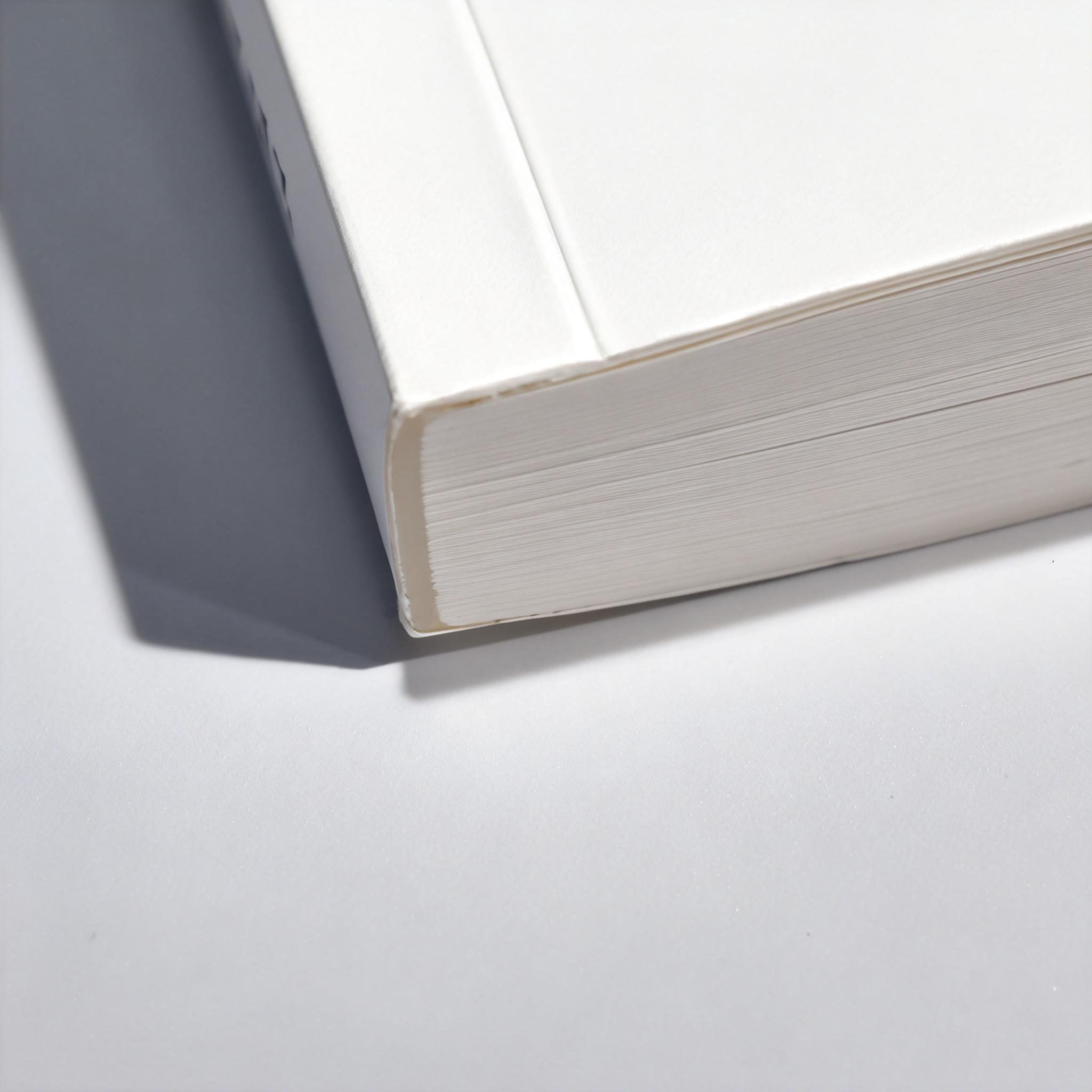
FAQ
Does design really matter less than materials in hardcover book printing?
Design and materials work together; however, superior materials make even modest designs look professional, while poor materials undermine exceptional design. A beautifully designed book on low-grade paper and weak binding frustrates readers and damages credibility. In hardcover book printing, materials are the foundation upon which design impact is built. Quality materials ensure your creative vision survives production, shipping, storage, and repeated handling without degradation. This is why professional publishers prioritize material selection first, then invest in design that complements the physical quality of hardcover book printing.
What paper weight is ideal for hardcover book printing interior pages?
Most premium hardcover book printing uses 80–100 gsm uncoated or 90–120 gsm coated paper for interior pages. This weight provides sufficient opacity to prevent show-through, enough stiffness to minimize flutter, and excellent ink adhesion for sharp image reproduction. Lighter paper (60–80 gsm) reduces production costs but sacrifices opacity and durability, while heavier stock (150+ gsm) increases material costs and can make hardcover book printing awkwardly thick. The ideal choice depends on your target audience, content type, and budget; however, mid-range premium paper consistently delivers the best value in professional hardcover book printing.
How does adhesive quality impact the longevity of hardcover book printing?
Adhesive quality directly determines whether pages remain bound together or gradually separate over time. In hardcover book printing, poor-quality hot-melt adhesive becomes brittle after months or years, causing pages to fall out prematurely. Premium adhesives used in professional hardcover book printing maintain flexibility, resist moisture damage, and provide consistent strength across temperature variations. Books bound with inferior adhesive may look acceptable initially but fail within 1–2 years, while quality hardcover book printing with proper adhesive can remain functional for decades. This is why material selection in binding directly impacts your reputation and customer satisfaction in hardcover book printing projects.