
 EN
EN
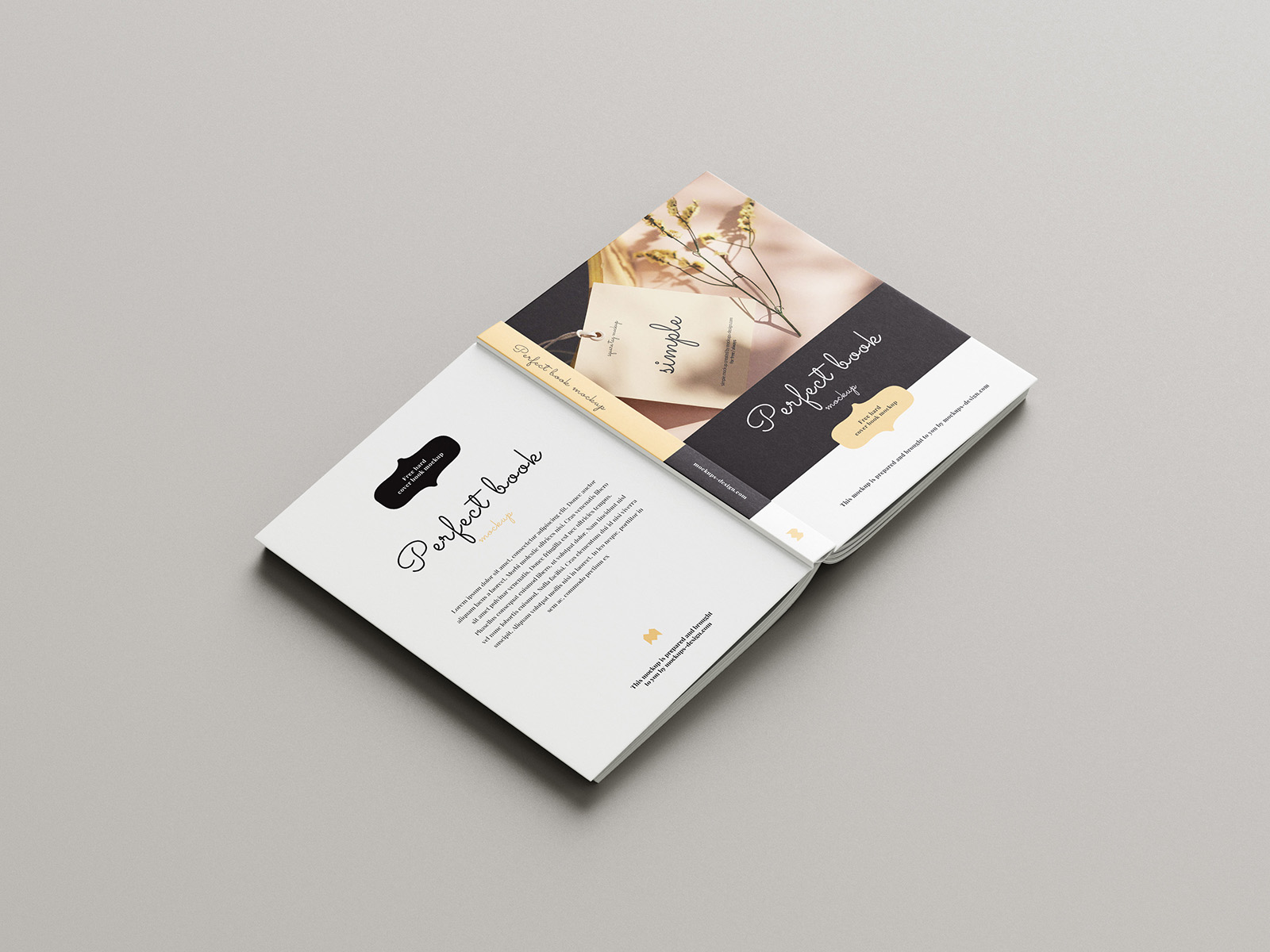
When deciding how to publish your book, one of the most critical choices you'll face involves selecting between hardcover book printing and paperback formats. This decision extends far beyond aesthetics and directly impacts your production timeline, budget, shelf presence, and reader perception. Understanding the genuine distinctions between these two binding methods empowers authors, publishers, and businesses to make informed choices aligned with their specific goals and market positioning.

The hardcover book printing process involves fundamentally different construction techniques than its paperback counterpart. While paperback books use flexible adhesive binding and thin covers, hardcover book printing employs rigid board covers, sewn or stitched signatures, and a protective dust jacket in many cases. These structural differences create tangible performance variations that affect durability, longevity, perceived value, and reader experience throughout the book's lifespan.
Structure and Construction Differences in Hardcover Book Printing
Binding Methods and Cover Materials
Hardcover book printing utilizes superior binding techniques that distinguish it from paperback production. The hardcover book printing process typically involves Smyth sewn binding, where individual signatures are sewn together with thread before being attached to the spine. This method creates exceptional durability and allows books to open flat, a feature readers highly value for reference materials and coffee table books. Paperbacks, conversely, use perfect binding, where pages are glued directly to the spine without stitching, making them more prone to page separation over time.
The cover materials differ dramatically between formats. Hardcover book printing employs rigid cardboard boards wrapped in cloth, leather, or specialty papers, creating a protective shell that preserves the interior pages. This structural integrity means hardcover book printing delivers books that withstand frequent handling, shelf storage, and environmental exposure far better than paperbacks. The board thickness in hardcover book printing typically ranges from two to three millimeters, providing substantial protection without excessive weight.
Longevity and Physical Durability
Longevity represents one of the most significant distinctions when comparing hardcover book printing to paperback options. Books produced through hardcover book printing can maintain their structural integrity for decades or even centuries when stored properly. Libraries and institutions consistently choose hardcover book printing for this reason, as these books withstand repeated borrowing cycles that would quickly destroy paperback editions. The sewn binding method used in hardcover book printing prevents the common paperback problem of pages becoming loose or detaching from the spine.
Paperback books, while more affordable to produce, typically show visible wear within two to three years of regular use. The glued spine can crack, pages may separate, and covers become bent and faded more quickly. For businesses, organizations, or authors focused on creating lasting impressions or long-term reference materials, hardcover book printing emerges as the superior choice despite higher production costs.
Cost Implications and Market Positioning
Production Expenses and Pricing Strategy
The investment required for hardcover book printing significantly exceeds paperback production costs. Per-unit costs for hardcover book printing typically range from two to three times higher than comparable paperback editions, depending on quantity, page count, and specifications. The additional expense stems from higher-quality materials, more complex manufacturing processes, and specialized equipment required for hardcover book printing. Paperback books offer faster production timelines and lower per-unit costs, making them attractive for budget-conscious publishers or high-volume distribution scenarios.
However, hardcover book printing commands premium retail pricing, allowing publishers to recover higher production investments while maintaining healthy profit margins. A hardcover book printing project that costs eight dollars per unit to produce might retail at twenty-five to thirty-five dollars, whereas a comparable paperback might cost three dollars to produce and retail at twelve to eighteen dollars. This pricing structure makes hardcover book printing particularly valuable for specialty publications, limited editions, and prestige positioning in competitive markets.
Market Perception and Reader Expectations
Reader psychology plays a crucial role in the hardcover book printing versus paperback decision. Consumers typically perceive hardcover book printing as more prestigious, authoritative, and valuable than paperback formats. This perception holds true across fiction and nonfiction categories, making hardcover book printing advantageous for establishing credibility in corporate training materials, leadership books, and technical references. Business professionals and decision-makers often associate hardcover book printing with quality and substance, which can influence purchasing decisions and brand perception.
Paperbacks appeal to readers prioritizing affordability and portability, particularly for recreational reading and fiction. However, when a book's purpose involves establishing expertise, creating lasting gifts, or serving as authoritative reference material, hardcover book printing delivers stronger market positioning and justifies premium pricing to target audiences.
Practical Applications and Decision Factors
Suitability by Book Type and Use Case
Different book categories benefit from distinct hardcover book printing strategies. Corporate training manuals, technical documentation, and professional development books align naturally with hardcover book printing, as these materials are referenced repeatedly and must withstand frequent handling in work environments. Children's books also benefit significantly from hardcover book printing, as young readers and classroom settings demand durability. Educational institutions consistently prefer hardcover book printing for textbooks and reference materials due to longevity and multi-year circulation requirements.
Specialty publications including coffee table books, limited editions, art books, and commemorative publications gain tremendous value from hardcover book printing investments. These formats leverage the premium aesthetics and tactile quality that hardcover book printing provides. Conversely, genre fiction, self-help paperbacks, and high-volume consumer releases often use paperback formats to maximize distribution reach and accessibility while managing production budgets effectively.
Environmental and Practical Considerations
Environmental impact considerations increasingly influence hardcover book printing decisions. Hardcover books require more material and energy during production, resulting in larger carbon footprints per unit than paperbacks. However, the extended lifespan of hardcover book printing means individual books remain in circulation longer, potentially offsetting the initial production environmental cost. Libraries and institutions factoring sustainability into procurement decisions must weigh per-unit environmental impact against multi-year usage cycles and avoided waste from premature replacement.
Storage and transportation logistics also differentiate hardcover book printing from paperback options. Hardcover books occupy more shelf space and weigh more per unit, increasing warehouse and shipping expenses. For large-scale distribution, particularly across international markets, these logistical considerations compound the cost advantages of paperback production. Organizations managing extensive inventory systems often factor transportation efficiency alongside durability when selecting between hardcover book printing and paperback formats.
FAQ
How much more expensive is hardcover book printing compared to paperback production?
Hardcover book printing typically costs two to three times more per unit than equivalent paperback production. The exact premium depends on book specifications, page count, print quantity, and material selections. While hardcover book printing requires higher initial investment, the premium retail pricing and perceived value often justify the increased production costs for targeted publishing strategies.
Can hardcover book printing achieve the same visual design impact as paperback books?
Absolutely. Hardcover book printing actually provides superior design opportunities through specialty covers, embossing, foil stamping, and custom binding materials. The rigid structure of hardcover book printing accommodates elaborate cover treatments and dust jacket designs that enhance visual impact far more effectively than paperback options, making hardcover book printing ideal for prestige branding.
What book types benefit most from hardcover book printing investments?
Corporate training materials, technical references, limited editions, children's books, educational textbooks, and specialty publications benefit most from hardcover book printing. These categories demand durability, project professional credibility, or justify premium pricing through perceived value. Hardcover book printing proves particularly valuable when books serve multiple-year circulation cycles or require lasting impression impact.