
 EN
EN
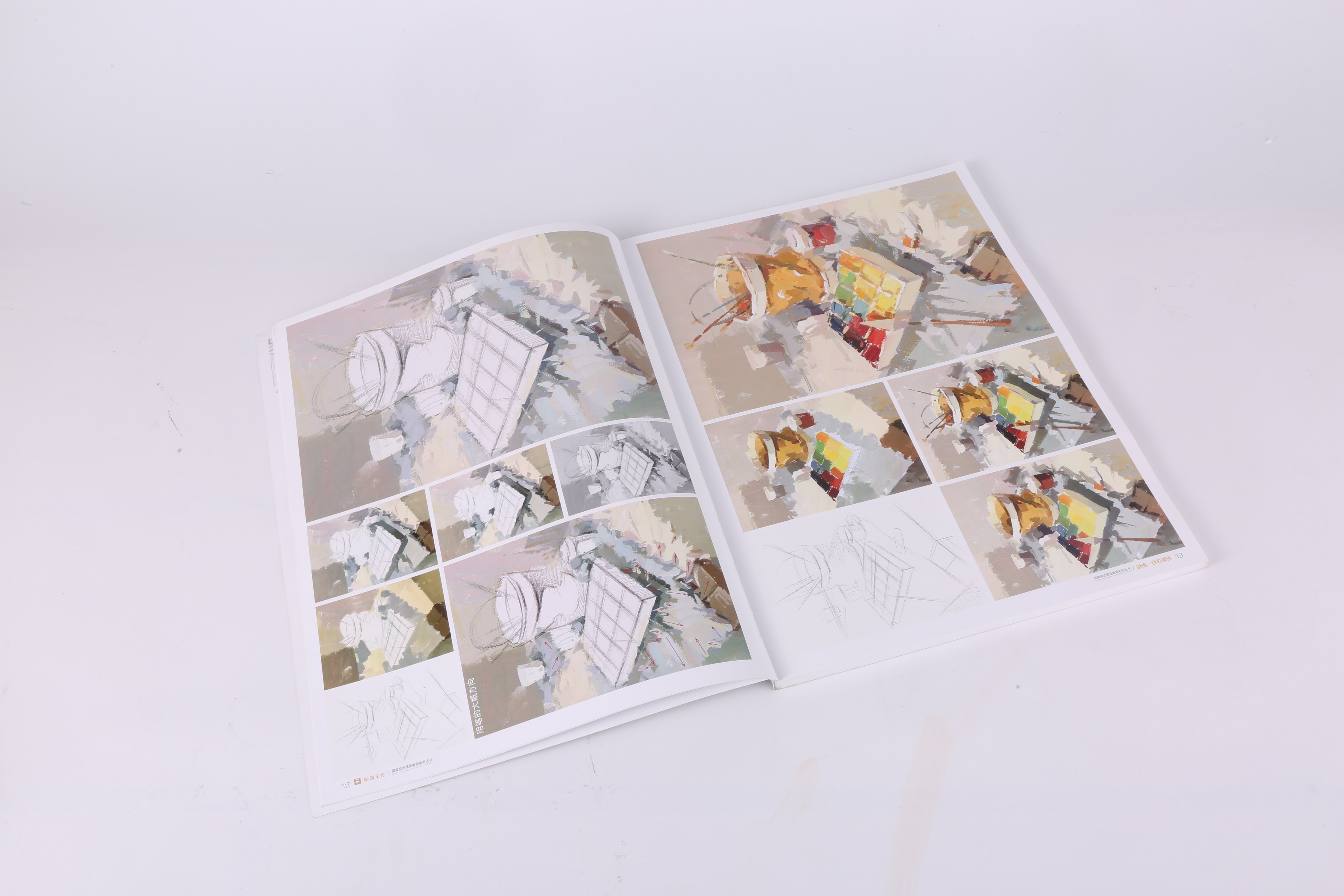
Hardcover book printing represents a significant investment in durability, and understanding how covers protect books during long-term use is essential for publishers, authors, and book collectors. The quality of hardcover book printing directly determines whether a book remains in pristine condition after years of reading, storage, and handling. Many people assume that hardcover books simply have thick cardboard covers, but the reality is far more sophisticated. The engineering behind hardcover book printing involves multiple layers, protective coatings, and strategic material selection that work together to shield the book's interior pages from environmental damage, physical wear, and degradation over time.

The durability of hardcover book printing depends on several interconnected factors that extend far beyond aesthetic appeal. Professional hardcover book printing combines structural integrity, material quality, and surface protection to create books that can endure decades of use without significant deterioration. Whether a hardcover book remains readable and attractive after ten years, twenty years, or even a century largely depends on the decisions made during the hardcover book printing process. Understanding these protective mechanisms helps readers, collectors, and publishers make informed choices about which books deserve hardcover investment and how to maintain them properly.
The Structural Foundation of Hardcover Book Printing Protection
Board Thickness and Material Composition
Hardcover book printing begins with the selection of board material, which serves as the primary structural support for the entire book. The boards used in hardcover book printing are typically made from multi-ply cardboard, kraft paper, or binder's board, each offering different levels of protection and durability. Thicker boards provide superior protection against bending, warping, and physical impact, which is why premium hardcover book printing uses boards ranging from 1.5mm to 3mm in thickness. The material composition of boards used in hardcover book printing directly influences how well the book resists moisture, temperature fluctuations, and repeated opening and closing cycles.
The quality of the board material in hardcover book printing determines the book's resistance to edge crushing, corner damage, and long-term deformation. High-grade binder's board, commonly used in fine hardcover book printing, contains fewer air pockets and maintains structural integrity even after years of shelf storage and frequent handling. When hardcover book printing employs inferior board materials, books develop warped covers, cracked spines, and compromised structural strength within just a few years. Professional hardcover book printing consistently selects board materials with proven longevity records and stable dimensional properties.
Spine Construction and Hinge Engineering
The spine represents the most vulnerable component of hardcover book printing, enduring maximum stress every time a reader opens the book. Proper spine construction in hardcover book printing uses reinforced hinges that connect the cover boards to the book block while allowing smooth, controlled opening and closing. The hinge area in quality hardcover book printing incorporates specialized paper or cloth materials that flex repeatedly without tearing, creating a reliable joint between cover and interior pages. Books that fail in hardcover book printing typically show spine damage first, as weak hinge construction leads to cracking and eventual separation of the cover from the book block.
Advanced hardcover book printing techniques utilize multiple layers of material at the hinge point to distribute stress evenly and prevent concentrated tearing. The endpapers used in hardcover book printing serve as both aesthetic elements and functional reinforcement, gluing the book block to the cover boards and creating additional structural stability. When hardcover book printing underestimates the importance of spine construction, readers experience difficulty opening books smoothly, cracked spines on new books, and cover detachment after minimal use. Professional hardcover book printing invests in robust spine engineering that maintains structural integrity through thousands of open-close cycles.
Surface Protection Coatings and Finishes
Lamination and Coating Technologies
Surface coatings are essential to hardcover book printing durability because they create a protective barrier between the cover artwork and environmental hazards. Hardcover book printing typically employs either film lamination or liquid coating systems to protect the printed surface from scratches, fading, moisture, and fingerprints. Film lamination in hardcover book printing creates a tough, transparent plastic layer bonded directly to the cover, offering superior protection against physical damage while maintaining vibrant color visibility. Matte film lamination provides elegant aesthetics and reduces glare, while glossy lamination in hardcover book printing creates a more dramatic visual impact and enhanced color saturation.
Liquid coatings used in modern hardcover book printing applications include aqueous coatings, UV coatings, and specialty formulations that add additional protection while allowing books to maintain a natural printed paper feel. Aqueous coating in hardcover book printing dries quickly and creates a water-resistant surface without the plastic appearance of lamination, appealing to publishers seeking traditional aesthetics. UV coating used in hardcover book printing provides exceptional clarity and scratch resistance but requires specialized equipment and careful application to avoid uneven coverage. The choice between lamination and coating in hardcover book printing significantly impacts both long-term durability and the tactile experience of holding the finished book.
Color Fading Prevention and UV Protection
Dust jackets have historically protected hardcover book printing investments by shielding the cover artwork from sunlight exposure, but permanent protection requires hardcover book printing to incorporate UV-resistant inks and protective coatings. Quality hardcover book printing uses fade-resistant pigments and dyes that resist color degradation when books are stored near windows or displayed in bright environments. UV-absorbing compounds incorporated into coatings during hardcover book printing can extend the color vibrancy of book covers by decades, preventing the yellowing and fading that occurs with lower-quality production methods. Books produced with inferior hardcover book printing often show noticeable color fading after just five to ten years of normal storage and handling.
The combination of archival-quality inks and UV-protective coatings in hardcover book printing creates covers that maintain their visual appeal through generations of shelf storage. Professional hardcover book printing facilities test color stability under accelerated aging conditions to verify that printed covers will resist fading throughout their projected lifespan. When hardcover book printing prioritizes color preservation, collectors and libraries gain confidence that their book investments will remain visually attractive and valuable for decades. This attention to protective finishing is what distinguishes premium hardcover book printing from cheaper alternatives that sacrifice longevity for immediate cost reduction.
Environmental Protection and Long-Term Preservation
Moisture and Humidity Resistance
Moisture exposure represents one of the primary threats to book longevity, which is why hardcover book printing incorporates moisture-resistant materials and protective coatings throughout the book structure. The board materials used in hardcover book printing must resist warping and swelling when exposed to humidity fluctuations, maintaining dimensional stability even in challenging storage environments. Film lamination in hardcover book printing creates an effective moisture barrier that prevents humid air from penetrating the cover and reaching the paper pages inside. Books printed with poor-quality hardcover book printing absorb ambient moisture readily, leading to warped covers, swollen pages, and eventual mold growth in damp storage conditions.
Archival-grade hardcover book printing uses materials and adhesives that remain stable across wide humidity ranges, from desert-like conditions to humid tropical environments. The adhesives selected in hardcover book printing must bond materials securely without brittleness in dry conditions or excessive flexibility in humid conditions. Quality hardcover book printing specifies adhesives that have been tested for long-term stability and resistance to moisture-induced degradation. This attention to material compatibility ensures that books produced through hardcover book printing maintain structural integrity regardless of storage location or climate conditions.
Temperature Stability and Storage Durability
Temperature fluctuations accelerate material degradation and can cause internal stress within book structures, so hardcover book printing must employ materials that withstand thermal cycling without cracking or warping. The adhesives, coatings, and board materials used in quality hardcover book printing expand and contract uniformly across temperature ranges, preventing internal stress accumulation. Poor-quality hardcover book printing uses materials with mismatched thermal expansion coefficients, leading to cracking, delamination, and structural failure when books experience significant temperature changes. Professional hardcover book printing selects components that have been validated for thermal stability across storage temperatures ranging from cool archives to warm retail environments.
Books produced through premium hardcover book printing can survive storage in attics, basements, and uncontrolled environments without significant degradation. The material science behind hardcover book printing ensures that covers remain firmly bonded, pages stay securely attached, and visual quality remains acceptable even after decades in variable conditions. Libraries, museums, and private collectors depend on hardcover book printing durability standards to preserve important works for future generations. When hardcover book printing achieves proper thermal stability, books become heirloom-quality publications that can be passed through multiple generations without loss of structural integrity or visual appeal.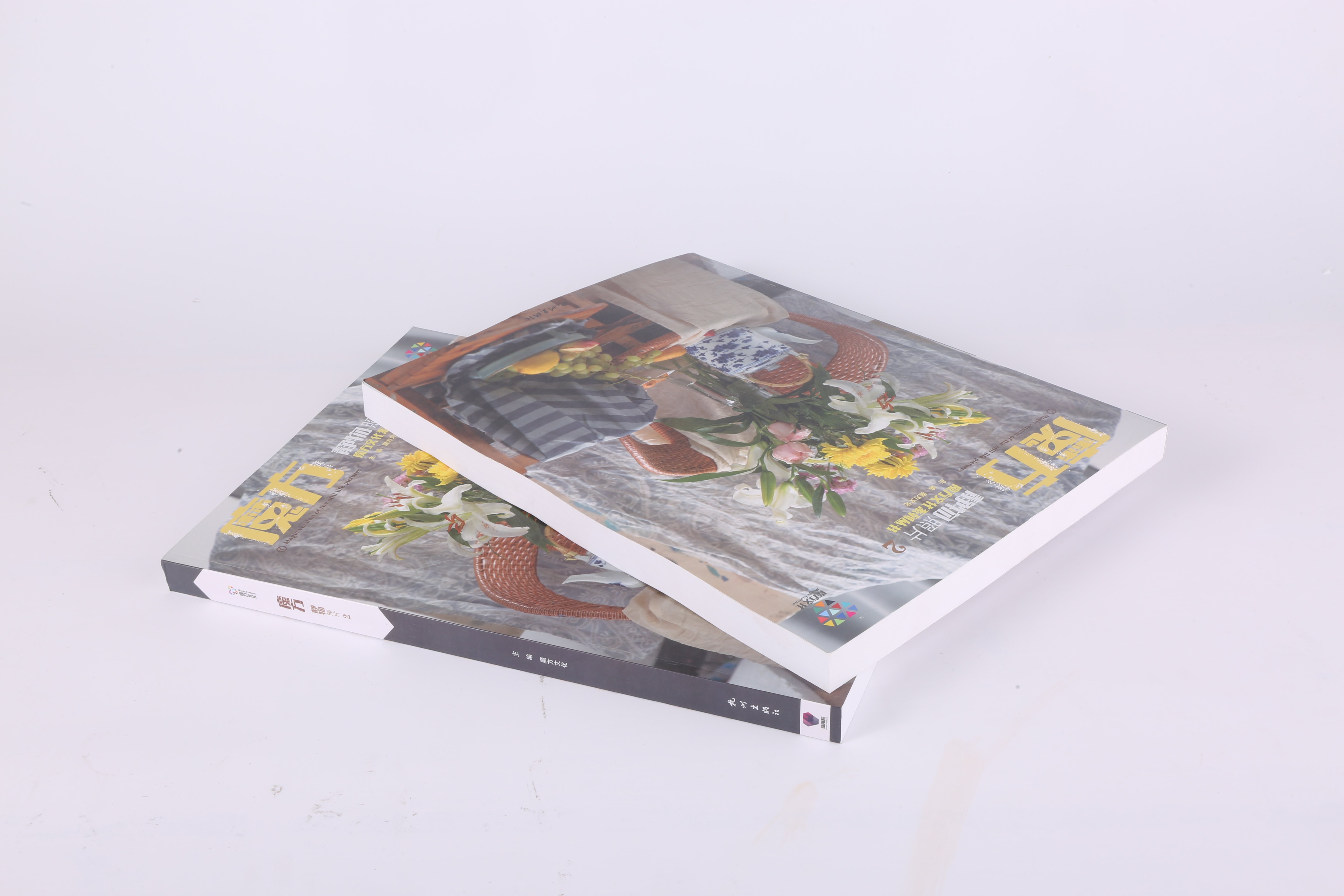
FAQ
What makes hardcover book printing more durable than paperback printing?
Hardcover book printing provides superior durability through rigid board covers, reinforced spine construction, protective coatings, and thicker materials that resist damage from handling and environmental exposure. Paperback books use flexible cardboard and lack the protective lamination and rigid board structure of hardcover book printing. The structural advantages of hardcover book printing allow books to survive frequent reading, repeated handling, and storage in challenging conditions without deteriorating. Hardcover book printing distributes stress across multiple reinforced layers, while paperback books concentrate force on thin flexible materials that tear and degrade more easily.
How long do books produced with quality hardcover book printing last?
Books produced with quality hardcover book printing can remain in excellent condition for fifty to one hundred years or longer when stored in stable conditions. Premium hardcover book printing using archival-grade materials has demonstrated longevity exceeding one hundred fifty years without significant deterioration. The actual lifespan of hardcover book printing quality books depends on storage conditions, handling frequency, environmental exposure, and the specific materials selected during production. Even basic hardcover book printing typically outperforms paperback books by twenty to thirty years, while premium hardcover book printing achieves exceptional longevity that approaches that of leather-bound antique volumes.
Can hardcover book printing covers be damaged despite protective coatings?
Yes, hardcover book printing covers can be damaged through extreme physical impact, improper storage, or exposure to harsh conditions beyond design parameters. However, quality hardcover book printing provides substantial protection that prevents damage from normal use, accidental drops, and typical storage environments. The protective coatings and materials used in hardcover book printing are designed to withstand foreseeable hazards like scratches, moisture, and fading but cannot prevent damage from deliberate abuse or severe environmental disasters. Proper care and reasonable storage conditions allow books produced through hardcover book printing to maintain their structural integrity and visual appeal throughout their intended lifespan.