 EN
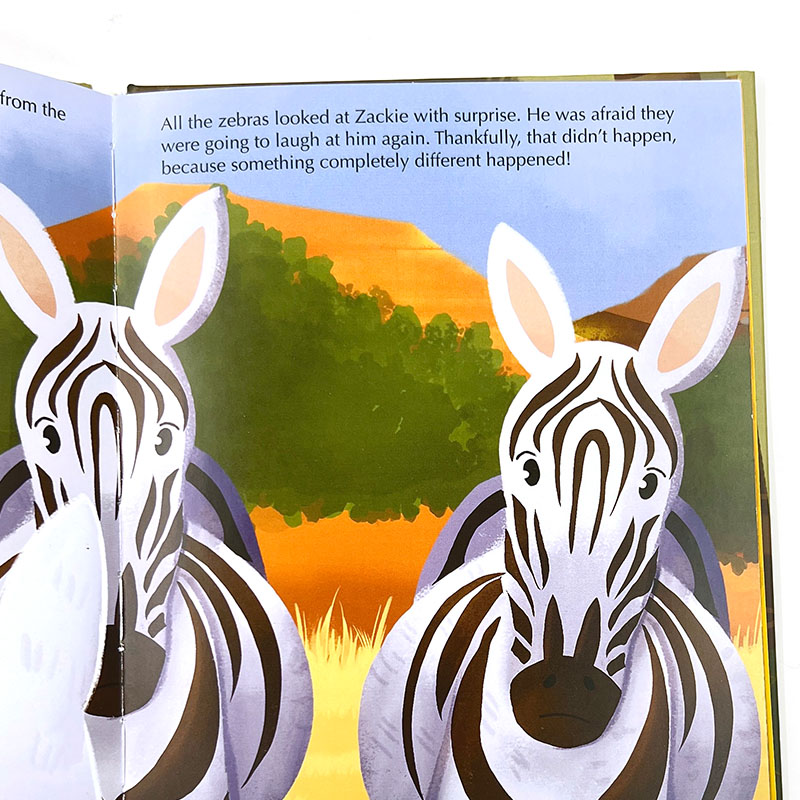
The publishing landscape for kids books continues to evolve at a rapid pace, driven by changing consumer preferences, technological advances, and sustainability concerns. Publishers investing in kids books are making deliberate decisions about how they produce, design, and distribute their titles to remain competitive in 2026. Understanding these emerging trends in kids books printing helps stakeholders across the industry anticipate market shifts and make informed production investments.
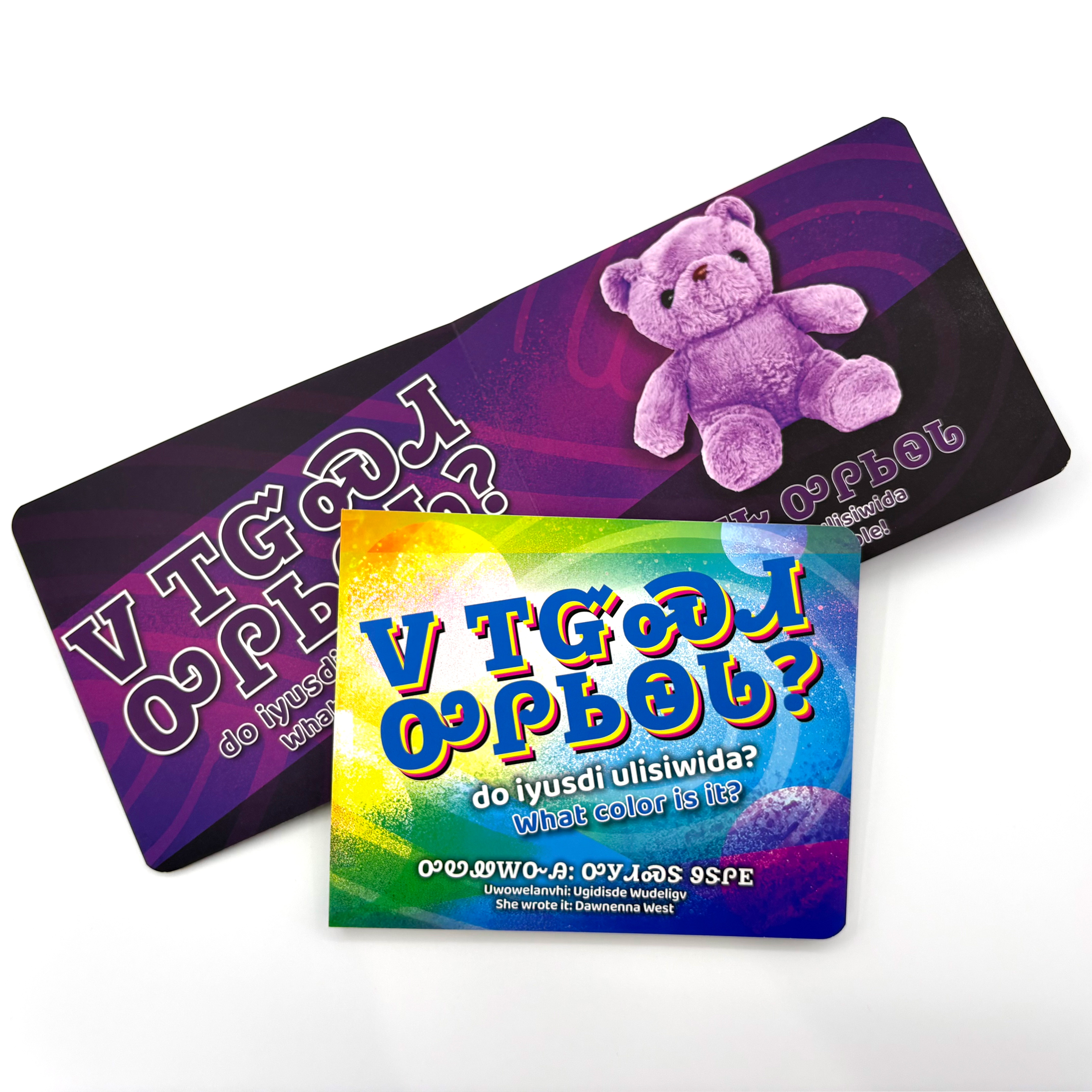
As the children's publishing sector matures, kids books producers are reconsidering everything from paper selection to binding techniques. The 2026 outlook for kids books reflects a balanced approach between innovation and responsibility. Publishers are not simply chasing trends; they are making strategic choices based on reader feedback, parental expectations, and long-term brand positioning. This shift represents a significant departure from one-size-fits-all production models that dominated previous years.
Sustainability and Eco-Friendly Materials in Kids Books Production
Green Paper and Recycled Content Priorities
Sustainability has moved from a niche consideration to a core priority for kids books publishers. Parents increasingly demand eco-friendly options when purchasing children's literature, and this market pressure directly influences kids books printing decisions. Publishers are now actively sourcing recycled paper, FSC-certified materials, and soy-based inks for their kids books collections. The demand for sustainable kids books is reshaping supplier relationships and production timelines across the industry.
Recycled content in kids books printing has become a competitive differentiator. High-quality recycled paper maintains the vibrant color reproduction necessary for illustrated kids books while reducing environmental impact. Publishers recognize that families value the message behind sustainable kids books, often paying premium prices for titles produced with certified green materials. This trend extends beyond paper to include water-based coatings and environmentally conscious binding adhesives specifically designed for kids books.
Durability Without Compromising Eco Values
A critical tension exists in kids books production between durability and sustainability. Children are notoriously tough on printed materials, requiring kids books to withstand frequent handling, spills, and rough storage conditions. Publishers are investing in durable lamination techniques and reinforced spine construction for kids books without sacrificing their green credentials. Eco-friendly lamination options now allow kids books to maintain protection while using non-petroleum-based materials.
Longevity has become a sustainability argument itself. Kids books that last longer through multiple children reduce the total environmental cost of publishing. Publishers are designing kids books with this lifecycle perspective, choosing materials and construction methods that extend shelf life. This approach contradicts the assumption that sustainable kids books must be flimsy or less durable than conventional options.
Personalization and Digital Integration in Kids Books Design
Variable Data and Custom Elements
Personalization is transforming how publishers approach kids books printing in 2026. Digital printing technology enables cost-effective customization for kids books, allowing readers' names, illustrations, or story elements to be integrated directly into printed text. This capability makes kids books more engaging for young audiences while creating memorable keepsake products. Publishers using variable data printing for kids books report significantly higher engagement rates and customer satisfaction scores.
The economics of personalized kids books have shifted dramatically. What once required prohibitively expensive custom print runs is now feasible at smaller scales. Publishers are testing personalization features in kids books across age groups, from board books for toddlers to chapter books for older children. This trend reflects a broader shift toward treating kids books as interactive experiences rather than static published content.
Augmented Reality and QR Code Integration
Kids books increasingly serve as bridges to digital experiences. Publishers are embedding QR codes, augmented reality markers, and interactive elements directly into printed kids books. These integrations connect young readers to audio narration, animated illustrations, or supplementary educational content. The combination of tactile print with digital enhancement creates a multi-sensory experience that traditional kids books cannot match.
The challenge for kids books publishers lies in balancing technological integration with the timeless appeal of physical reading. Parents appreciate that quality kids books still offer screen-free time while providing optional digital engagement. Publishers are designing kids books with optional tech features rather than mandatory ones, preserving the core reading experience while offering added value for digitally-connected families.
Production Efficiency and Cost Management in Kids Books Manufacturing
Print-on-Demand and Reduced Waste
Print-on-demand technology is fundamentally changing how kids books reach market. Publishers can now manage kids books inventory more efficiently, printing only quantities that match actual demand rather than large minimum print runs. This shift reduces warehouse costs, minimizes overstock waste, and allows faster iteration on kids books content and design. The flexibility of print-on-demand production enables kids books publishers to test new titles with lower financial risk.
Waste reduction directly impacts the profitability and sustainability metrics of kids books operations. Publishers using on-demand production for kids books report significantly lower environmental impact per unit. This model also accelerates time-to-market for kids books, allowing rapid response to trending topics or seasonal demand. The economics of print-on-demand have matured sufficiently that even mid-sized publishers can leverage these advantages for their kids books catalogs.
Automation and Workflow Optimization
Automation is reshaping production workflows for kids books printing facilities. Collation, binding, and finishing processes for kids books increasingly rely on integrated systems that reduce labor costs and improve consistency. Publishers investing in modern equipment for kids books production achieve faster turnaround times and more predictable quality metrics. These operational improvements directly translate to competitive advantages in the kids books market.
Quality control automation ensures that every copy of kids books meets rigorous specifications for color accuracy, binding strength, and finishing details. Advanced imaging systems inspect kids books as they move through production lines, catching defects before books reach consumers. This precision is particularly important for kids books, where quality issues directly impact brand reputation and customer satisfaction. kids books production benefits substantially from these technological advances in quality assurance and process optimization.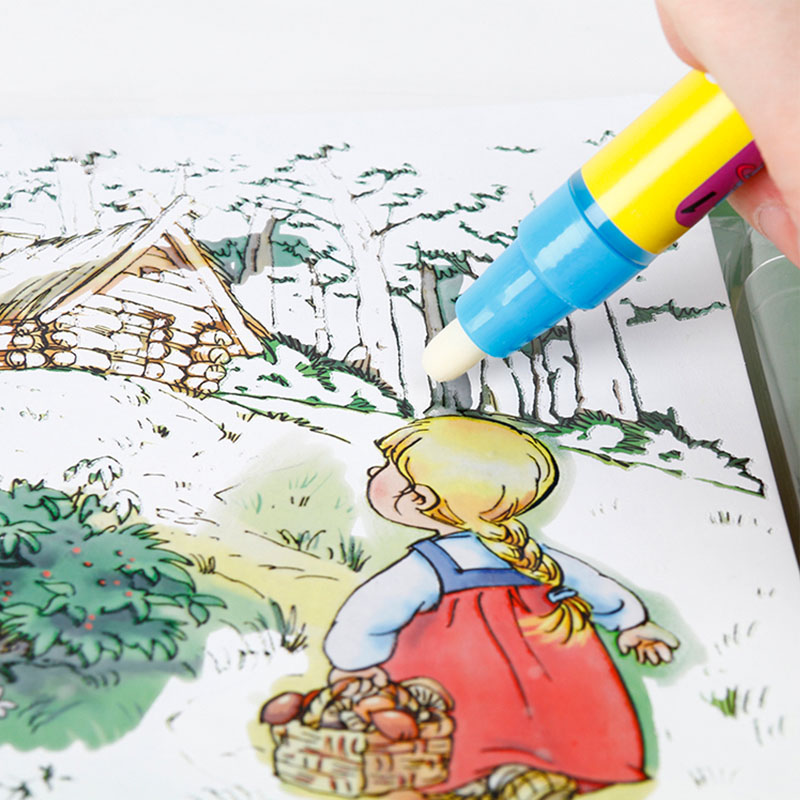
FAQ
What are the most important trends affecting kids books printing in 2026?
The most significant trends include sustainability priorities, personalization capabilities, digital integration features, and production efficiency improvements. Publishers are balancing environmental responsibility with durability, incorporating variable data printing and augmented reality features, and leveraging print-on-demand technology to reduce waste and improve profitability.
How are publishers addressing sustainability concerns in kids books production?
Publishers are sourcing FSC-certified recycled paper, adopting soy-based inks, and implementing eco-friendly lamination processes for kids books. They are also designing for durability to extend the lifecycle of each title, treating sustainability as both an environmental commitment and a quality promise to families purchasing kids books.
Why is personalization becoming popular in kids books printing?
Personalization makes kids books more engaging and memorable for young readers while creating keepsake products that families value. Digital printing technology now makes customized kids books economically feasible at smaller scales. Publishers report that personalized kids books drive higher engagement rates and stronger customer loyalty compared to standard printed editions.