 EN
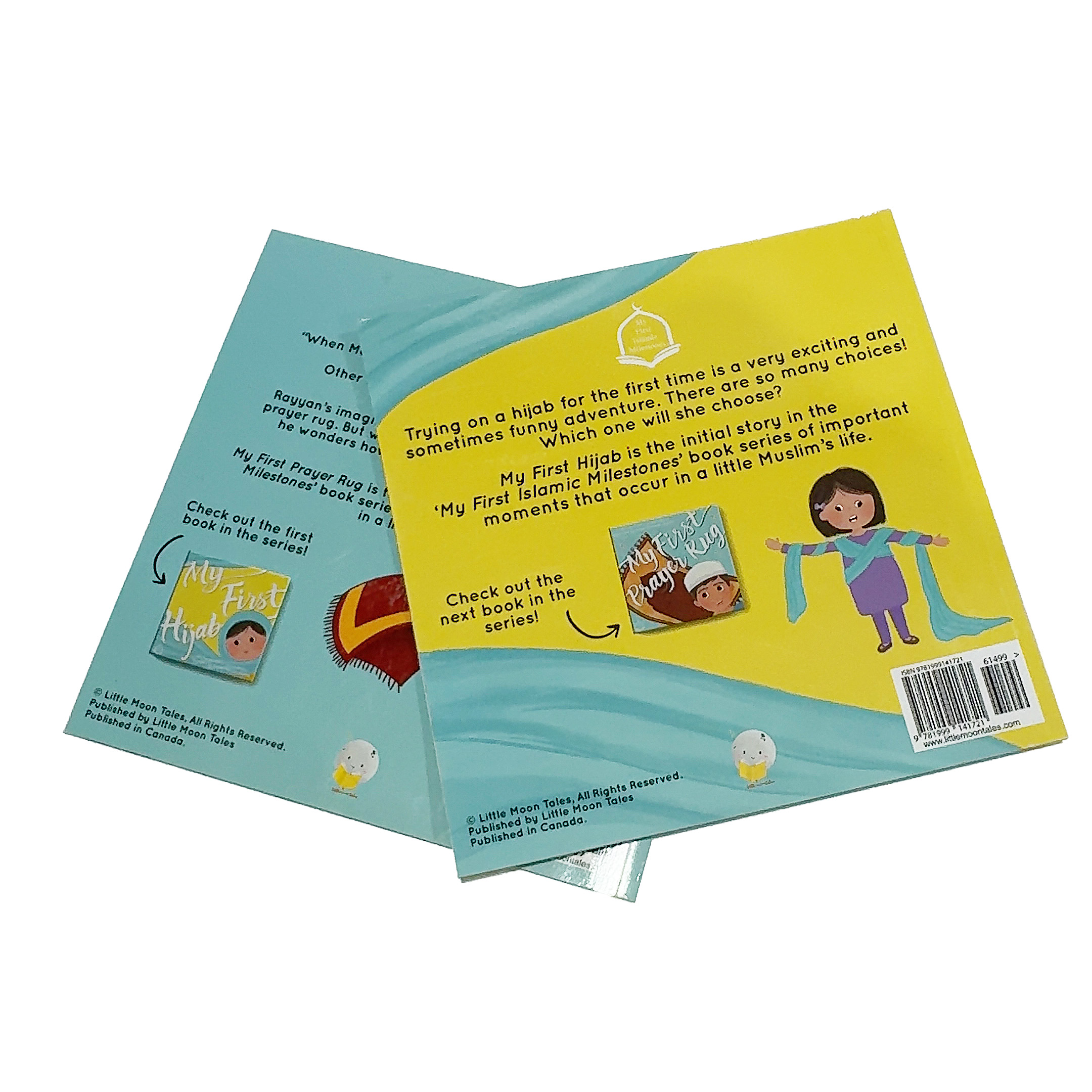
When parents select kids books for their children, safety is often the first concern on their minds. The production of kids books involves rigorous evaluation processes that ensure every material, ink, and binding component meets strict international safety standards. Understanding how kids books are assessed for safety helps parents, educators, and publishers make informed decisions about which titles are truly safe for young readers. The evaluation of kids books encompasses multiple layers of testing, certification, and compliance verification that happen long before a book reaches a child's hands.
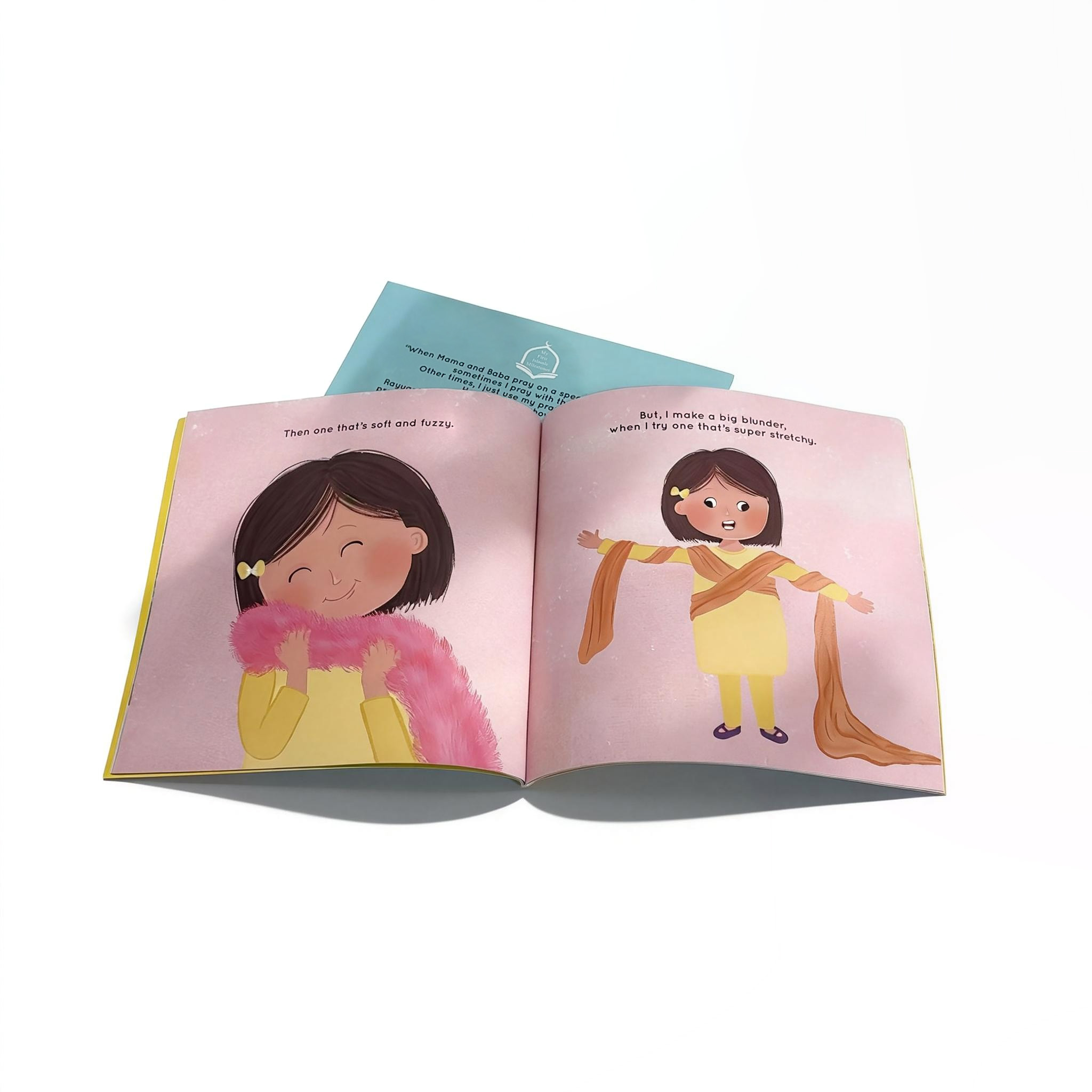
The safety standards for kids books are established by regulatory bodies and international organizations that prioritize child protection. These standards define acceptable limits for harmful substances, require proper material certifications, and mandate testing protocols that publishers and manufacturers must follow. For kids books produced commercially, compliance with these standards is not optional but a fundamental requirement for market access. The evaluation framework for kids books reflects decades of research into child safety, toxicology, and material science, ensuring that the stories children love are printed on materials that protect their health.
Material Composition and Toxicity Testing for Kids Books
Understanding Ink and Paper Safety in Kids Books
The materials used in kids books must undergo comprehensive toxicity testing to ensure they contain no harmful substances. Paper used in kids books is typically screened for heavy metals, volatile organic compounds (VOCs), and chemical residues that could pose health risks to children. Inks applied to kids books must be non-toxic, lead-free, and formulated with food-grade or child-safe compounds that won't cause harm if a young child ingests a small amount. Manufacturers of kids books work with certified ink suppliers that provide documentation proving their products meet safety thresholds. The binding adhesives used in kids books are equally important, as children often chew on book corners or edges, so these adhesives must be non-toxic and certified safe for oral contact.
Chemical Testing and Residue Limits
Every batch of paper destined for kids books undergoes laboratory testing to measure chemical residue levels. Kids books manufacturers test for phthalates, which are plasticizing chemicals that could leach from coated papers and pose developmental risks. Lead content in printing inks used for kids books must fall below legally defined thresholds, typically less than 90 parts per million. The testing protocols for kids books also screen for cadmium, chromium, and other heavy metals that historically contaminated printing materials. Regulatory bodies that oversee kids books safety require detailed chemical analysis reports before production can commence, creating a documented trail of compliance for each printed edition.
International Certification Standards for Kids Books
Key Regulatory Frameworks for Kids Books
The safety certification landscape for kids books includes multiple overlapping standards from different regions and organizations. In North America, kids books must comply with Consumer Product Safety Commission (CPSC) guidelines that define acceptable chemical levels and testing methods. European kids books must meet CE marking requirements and comply with the European Committee for Standardization (CEN) protocols. International standards for kids books include ISO 8124 series requirements for toy safety, which often apply to interactive or picture-heavy kids books with small parts or attachments. The harmonization of standards across regions means that kids books produced to meet the strictest requirements can typically gain access to multiple global markets simultaneously.
Specific Testing Requirements Within Kids Books Standards
Standards for kids books typically mandate accelerated aging tests where materials are exposed to heat and humidity to simulate years of use and storage. Colorfastness testing of kids books ensures that inks won't fade, bleed, or release dyes when exposed to light or moisture. Durability assessments for kids books include flexing tests on bindings to confirm they withstand repeated opening and closing without releasing fibers or small parts. Migration testing on kids books involves soaking materials in simulated saliva to measure how much ink or coating transfers to a child's mouth. Manufacturers producing kids books must document all test results and maintain certification records for each production run, proving that every copy meets stated safety requirements.
Compliance Processes and Quality Assurance in Kids Books Production
Supply Chain Verification for Kids Books Materials
Publishers and printers of kids books work with carefully vetted suppliers who provide certified materials with documented safety credentials. The procurement process for kids books materials includes requesting Safety Data Sheets (SDS) from every ink, paper, and adhesive supplier. Reputable producers of kids books conduct periodic audits of their suppliers to verify that material compositions haven't changed and that certifications remain current. The traceability requirements for kids books mean that each batch of paper or ink can be traced back to its source, production date, and testing results. This supply chain rigor ensures that kids books maintain consistent safety profiles across all published editions and multiple print runs.
On-Site Testing and Production Monitoring
Manufacturing facilities that produce kids books typically operate their own quality assurance laboratories to conduct spot-check testing. Quality control technicians working on kids books production regularly pull samples from the printing line to verify that inks and coatings meet specifications. Facilities certified for kids books printing maintain detailed production logs documenting ink formulations, paper batches, and test results for each book edition. Environmental controls within kids books printing facilities prevent cross-contamination from non-compliant materials or paints used in adjacent production areas. Final inspection protocols for kids books include visual checks for defects, edge trimming quality, and binding integrity that could pose choking hazards to young children.
FAQ
What specific chemicals are banned from kids books?
Lead, cadmium, mercury, and hexavalent chromium are among the most strictly regulated substances prohibited or severely limited in kids books. Phthalates, which are plasticizing chemicals once common in printing coatings, are now heavily restricted in kids books sold in North America and Europe due to developmental concerns. Azo dyes that break down into carcinogenic amines are also banned from inks used in kids books. Many flame retardants and brominated compounds are restricted in materials destined for kids books as well. The specific limits for each substance in kids books vary slightly by region but generally reflect the most protective regulatory standards globally.
How often are kids books testing standards updated?
Standards governing kids books are reviewed and updated periodically as new research emerges about material safety and child health. Major regulatory bodies overseeing kids books typically update their frameworks every three to five years, incorporating new scientific findings and technological advances. When kids books standards are updated, manufacturers are usually given transition periods ranging from six months to two years to implement new compliance measures. The revision cycle for kids books standards reflects the ongoing commitment to protecting children's safety as industrial capabilities and scientific understanding evolve. Publishers producing kids books must monitor regulatory announcements to stay ahead of upcoming requirement changes and adjust their supply chains accordingly.
Can independent publishers verify kids books safety themselves?
Independent publishers producing kids books can hire third-party testing laboratories to conduct safety assessments of their materials before printing. However, most small publishers producing kids books work with established printing partners who already maintain certified compliance with relevant safety standards. Conducting independent testing for every kids books project can be costly and time-consuming, so many publishers choose facilities that provide documented safety certifications as part of their service. Some standards-issuing organizations offer certification programs specifically for small publishers producing kids books, providing affordable pathways to compliance. The key for any kids books publisher is to ensure that chosen printing partners can provide complete documentation of their safety compliance and testing protocols.