
 EN
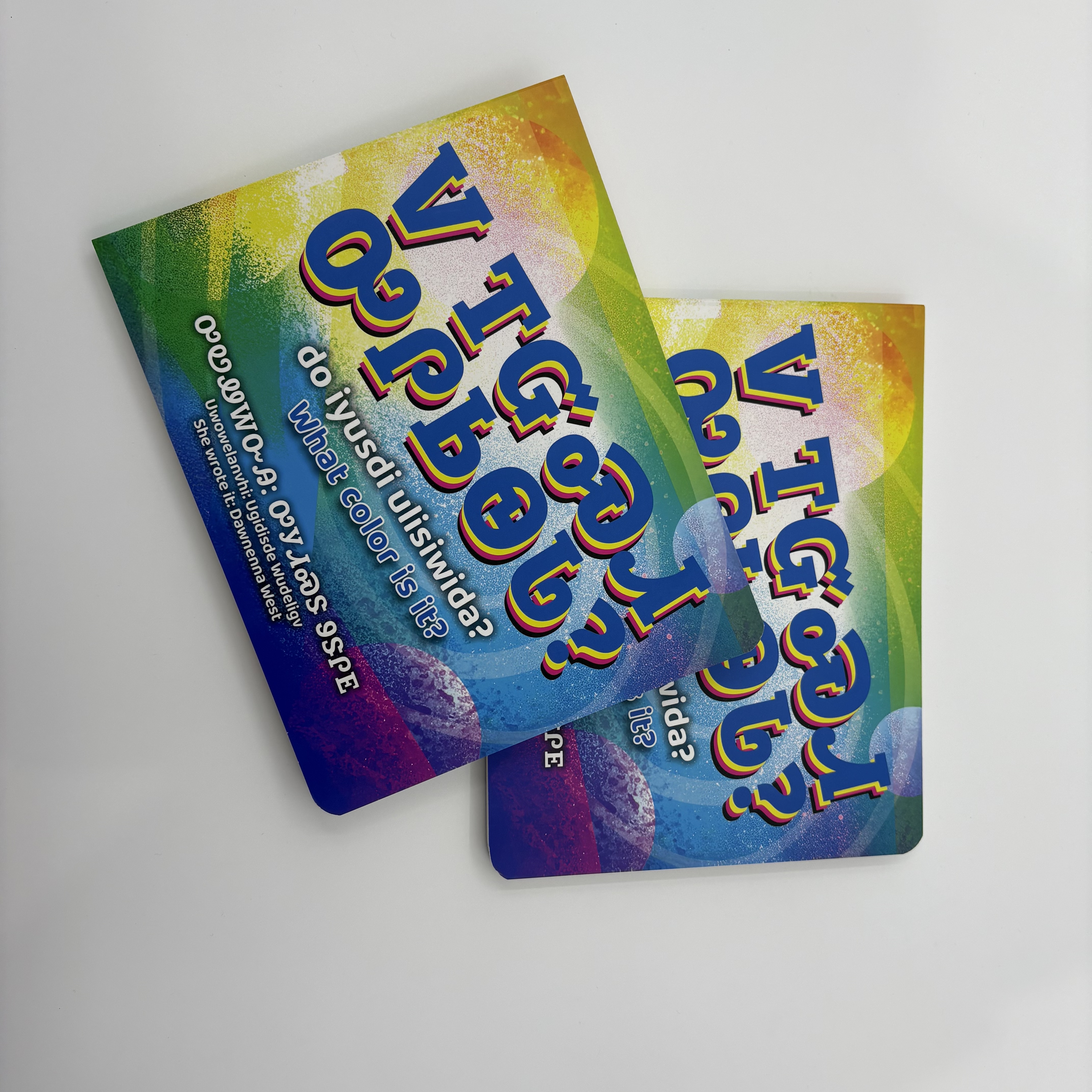
Producing kids books requires a fundamentally different approach than adult publishing. The demands of kids books span material safety, developmental appropriateness, visual engagement, and durability standards that shift dramatically across age groups. From infant board books to young adult fiction, each category of kids books demands distinct production specifications, printing techniques, and design considerations. Understanding these differences is essential for publishers, educators, and printing professionals who want to deliver age-appropriate, high-quality products that engage young readers and withstand heavy use.
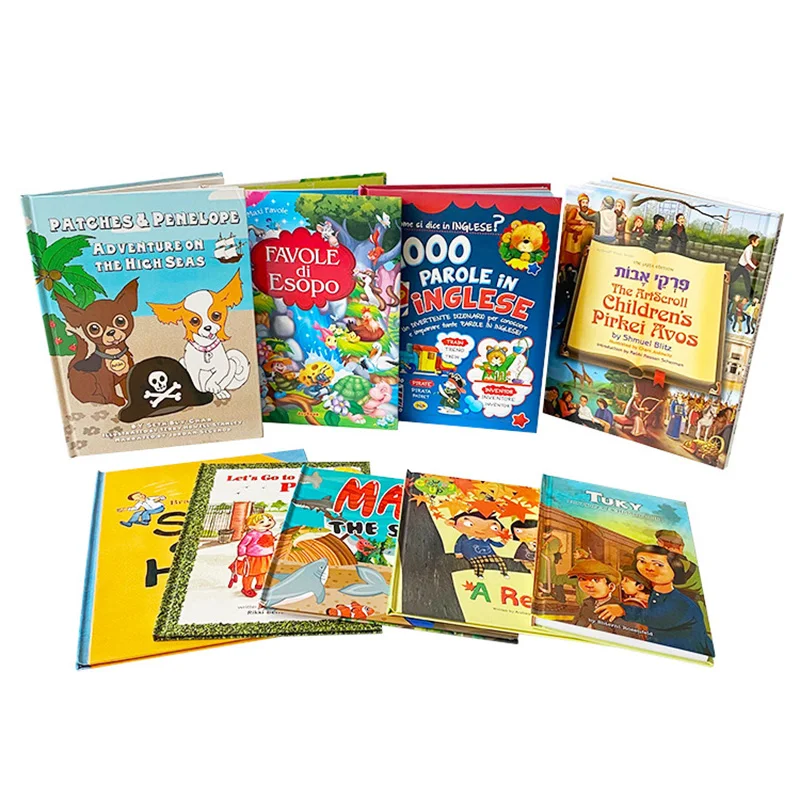
Kids books printing involves multiple specialized considerations that go far beyond standard book manufacturing. The production needs for kids books are shaped by safety regulations, reader behavior patterns, cognitive development stages, and content complexity. A board book for toddlers requires completely different paper stock, binding methods, and printing techniques than a chapter book for school-age children. This guide explores how kids books printing evolves across age categories and what production decisions matter most at each developmental stage.
Toddler and Infant Kids Books Printing Requirements
Safety Standards and Material Selection for Baby Kids Books
Kids books designed for infants and toddlers face the strictest safety and material requirements. Babies explore their environment through touch and taste, making non-toxic materials absolutely essential for kids books at this stage. The printing inks used must be food-safe and completely non-toxic, complying with international safety standards like ASTM F963 and EN 71-3. Kids books for this age group typically use thick cardboard or laminated board stock rather than traditional paper, with edges rounded and smoothed to prevent injury.
Binding methods for infant kids books must be extremely robust since these books endure constant bending, pulling, and chewing. Spiral binding and traditional sewn binding are avoided in favor of special adhesive systems and reinforced board construction. The production of kids books at this level requires specialized equipment and quality control protocols to ensure that no small parts can be detached. Color fastness becomes critical because kids books are frequently washed and exposed to moisture, demanding inks that remain vibrant after repeated laundering and sanitization.
Visual Design and Production Specifications
Visual appeal drives the entire production strategy for toddler-focused kids books. High-contrast colors, bold shapes, and simple illustrations are printed with bright, eye-catching pigments that support visual development. Kids books for infants typically feature large, clear images with minimal text, often just single words or simple sounds. The production process for kids books at this age uses heavy coverage printing to ensure colors remain saturated and visible even after extended handling and exposure to daylight.
Early Elementary Kids Books Printing Specifications
Paper Quality and Durability for School-Age Kids Books
Kids books for early elementary readers require enhanced durability without the extreme safety measures needed for toddlers. These kids books typically use premium gloss or matte-coated paper stocks ranging from 100 to 200 GSM, providing substance and resistance to wear while maintaining affordability. School libraries demand kids books that can withstand hundreds of readings and frequent handling from young learners. The production of kids books at this level incorporates reinforced binding, often using Smyth sewn or perfect binding methods with high-strength adhesives that create flexible spines capable of opening flat.
Print durability testing becomes essential in the production of kids books destined for educational settings. Kids books must resist fading from classroom lighting and maintain color integrity through multiple seasons of use. The printing inks for kids books at this stage are selected for their adhesion to coated papers and resistance to fingerprints and smudging. Production specifications typically call for full-color process printing on both cover and interior pages, with varnish coatings that add protective gloss and extend the lifespan of these frequently handled kids books.
Illustration Style and Layout Production Considerations
Early elementary kids books introduce more sophisticated illustration techniques while maintaining visual clarity. The production of kids books for this age group balances detailed artwork with easy readability, often incorporating mixed media imagery, photography, and traditional illustration. Kids books at this level require careful color management to ensure that subtle shading and nuanced tones reproduce accurately across large print runs. Font selection becomes crucial in kids books production, with sans-serif typefaces predominating and font sizes maintained at levels that prevent eye strain during learning-to-read activities.
Middle Grade and Young Adult Kids Books Printing Evolution
Advanced Production Techniques for Mature Readers
Kids books for middle-grade and young adult readers demand production sophistication that rivals adult publishing. These kids books often feature complex cover designs, specialty finishes, and premium paper stocks that appeal to developing readers' desire for more mature aesthetics. The production of kids books at this level frequently incorporates embossing, foil stamping, or special finishes that create tactile appeal and differentiate titles on crowded shelves. Kids books in this category may use uncoated, natural-finish papers that evoke literary quality and convey a more grown-up reading experience.
Interior production specifications for kids books at this level support longer narratives and more complex illustrations. Kids books typically use 80 to 100 GSM paper for interior pages, balancing thickness with cost-effectiveness for larger page counts. The production of kids books in this category often incorporates detailed typographic choices, including serif fonts for body text and carefully designed chapter openings. Color reproduction becomes more nuanced, with production teams managing subtle tonal variations, skin tone accuracy, and environmental color palettes that enhance storytelling in these kids books.
Cover Design and Binding Sophistication
Cover production for middle-grade and young adult kids books reflects market positioning and reader expectations. Kids books at this stage commonly feature laminated hardcover finishes, casebinding with decorative endpapers, and dust jackets that protect premium editions. The production of kids books in this category requires precise color matching, sophisticated die-cutting for shaped covers, and integration of multiple finishing techniques. Binding standards for kids books shift toward quality library binding suitable for institutional collections, with sewn signatures and reinforced hinges designed for years of circulation.
The kids books production ecosystem includes specialized finishing options that appeal to discerning young readers. Cloth cases, ribbon bookmarks, and premium paper endsheets elevate the perceived value of kids books while supporting long-term durability through institutional use. Production decisions for kids books at this level consider both aesthetic appeal and functional performance, ensuring these books remain valuable collection pieces throughout childhood and beyond.
FAQ
What safety standards must kids books meet during printing?
Kids books must comply with international safety regulations including ASTM F963, EN 71-3, and country-specific guidelines that govern materials, inks, and adhesives. The production of kids books requires non-toxic, food-safe inks for books intended for very young children, and all materials must be free from harmful chemicals. Kids books undergo testing for toxicity, flammability, and small parts that could present choking hazards, with these requirements intensifying for books targeting infants and toddlers.
How does paper selection differ across kids books age categories?
Toddler kids books use thick, laminated board stock with rounded edges, while early elementary kids books employ premium coated papers of 100–200 GSM for durability. Middle-grade and young adult kids books may use uncoated natural-finish papers that convey maturity and literary quality. Paper selection for kids books balances durability requirements, safety considerations, cost efficiency, and aesthetic appropriateness for each developmental stage.
What binding methods work best for different kids books age groups?
Infant and toddler kids books require specialized adhesive binding or board-on-board construction to prevent small parts from detaching. Early elementary kids books typically use Smyth sewn or perfect binding with reinforced spines, while middle-grade and young adult kids books often employ quality library binding or premium casebinding. The choice of binding for kids books reflects expected use intensity and required lifespan in educational and personal collections.