 EN
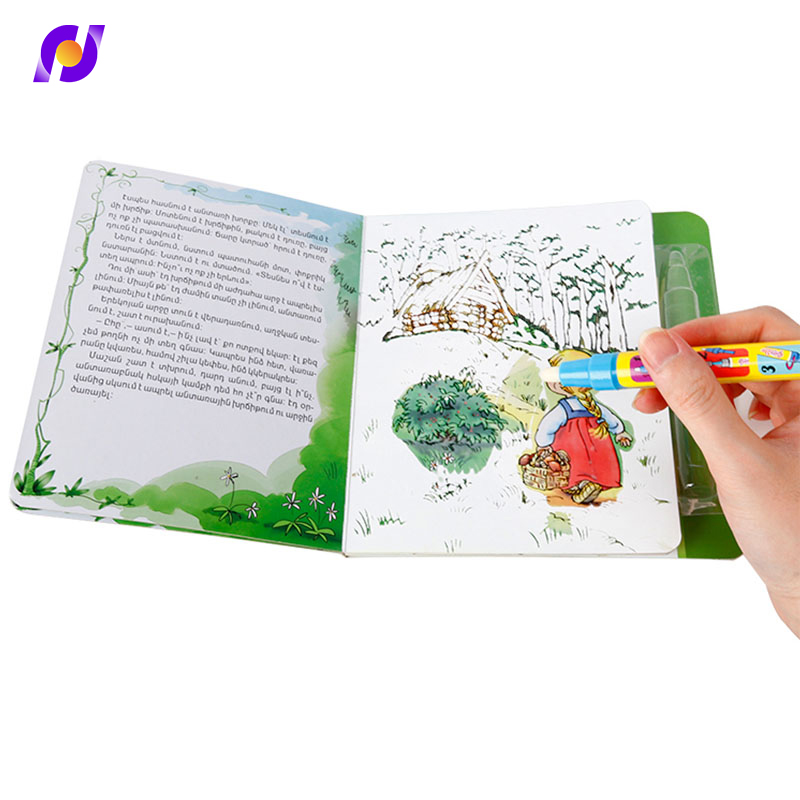
Designing and producing kids books involves navigating multiple technical and creative constraints that most publishers and designers encounter only after committing significant resources. Understanding kids books printing design limits at the planning stage prevents costly revisions, production delays, and quality compromises. Printers must consider children's book specifications early because decisions made during the design phase directly impact feasibility, cost, timeline, and final product quality.
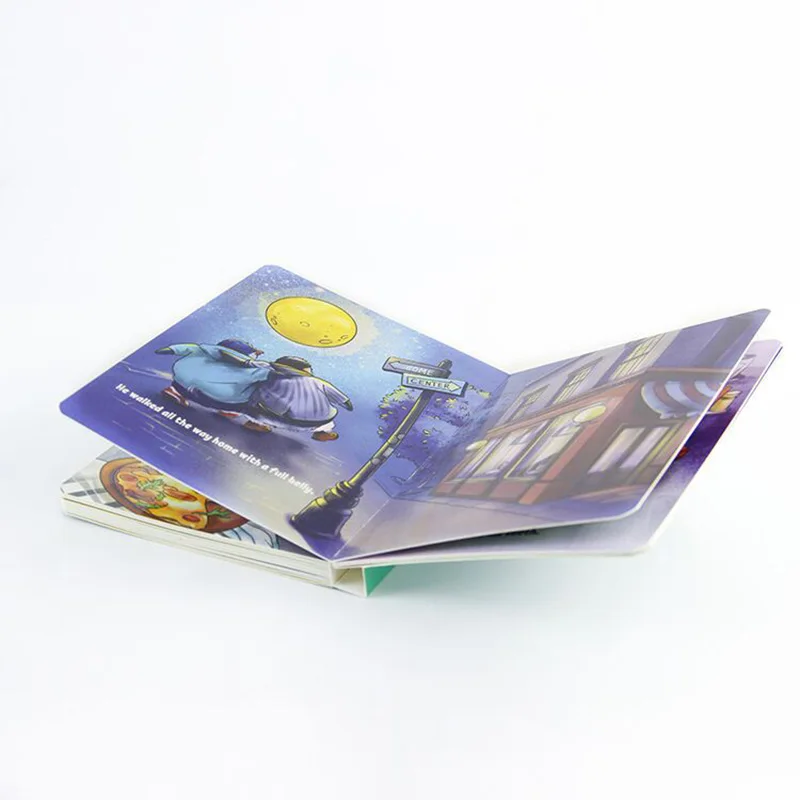
The printing industry recognizes that kids books demand particular attention to material safety, durability, and visual appeal. These requirements create specific design boundaries that differ from adult book production. When publishers and designers grasp the fundamental constraints governing kids books printing early, they can make informed decisions about trim sizes, page counts, binding methods, color specifications, and content placement that align with both creative vision and manufacturing reality.
Understanding Core Material and Safety Constraints in Kids Books Printing
Material Selection Impact on Design Feasibility
Kids books printing requires careful material selection because children interact with books differently than adult readers. Board stock, uncoated paper, and specialty finishes all present distinct printing limitations. When selecting materials for kids books, designers must balance aesthetic preferences with practical manufacturing constraints. Thicker stocks reduce the page count that can be sewn or glued into a binding, while certain material combinations may exceed weight limits for shipping efficiency. Understanding these trade-offs allows designers to specify materials that maintain visual quality while remaining printable at scale.
Safety certifications further restrict material choices for kids books printing. Papers and inks must meet stringent standards for children's products, eliminating certain bright dyes, metallic inks in certain applications, and recycled content with undocumented origins. Printers familiar with kids books printing know that ISO and FSC certifications require traceability and specific material sourcing. These constraints mean that designer-approved color schemes or specialty finishes may need modification to comply with safety regulations applicable to children's publications.
Ink and Color Specification Boundaries
Color reproduction in kids books printing differs significantly from commercial or adult publishing. Vibrant, eye-catching colors attract young readers, yet printers must work within ink formulations specifically approved for contact with children's skin and mouth. Standard process colors work reliably in kids books printing, but certain custom Pantone selections may require substitution or special ordering. Designers often specify vivid colors without realizing that some pigments carry restrictions or require longer lead times for kids books printing approval.
Spot color applications in kids books printing face additional limits when colors fall near mouth level or interactive areas. Printers recommend avoiding inks that migrate or bleed, especially on uncoated stocks where children's books frequently appear. When designing kids books, limiting spot colors to three or fewer reduces complexity and cost while maintaining visual impact. Metallic finishes popular in children's book design are printable but require specific ink formulations for kids books printing, adding both cost and production time that must be factored into timelines.
Structural and Format Design Considerations for Kids Books Printing
Trim Size, Page Count, and Binding Method Relationships
Trim size selection fundamentally shapes what is achievable in kids books printing. Standard trim sizes like 8.5 x 11 inches or 10 x 8 inches align with industry equipment, reducing costs and lead times. Non-standard trim sizes for kids books printing require special setup, increase waste, and may exceed minimum order quantities that make economical production impossible. Once trim size is locked, designers must calculate page counts that match binding methods available at their printer.
For kids books printing, page count constraints depend on binding choice. Saddle-stitch binding limits total pages due to physical folding and stapling capabilities, while perfect binding or sewn binding support higher page counts. Designers often specify page counts without consulting binding capacity, creating expensive engineering problems for printers. Kids books printing standards typically support page counts in multiples of four for most binding methods, requiring designers to plan content carefully to avoid forced pagination or white space. Understanding these kids books printing mechanics during initial design prevents selecting book concepts that become structurally impossible to produce.
Bleed, Margin, and Text Placement Constraints
Bleed margins are critical in kids books printing because color extends to the edge of pages after trimming. Designers must plan color placement with safety margins around text and interactive elements to prevent accidental cropping of important content. For kids books printing, standard bleed allowances typically range from 0.125 to 0.25 inches, and printers must establish these requirements before design commences. Specifying bleeds too close to trim lines creates risk that essential design elements vanish during production.
Text placement near spine areas presents another kids books printing challenge. Interactive text, important illustrations, or visual elements positioned too close to the spine become difficult to read once bound. Kids books printing professionals recommend keeping critical content at least 0.5 inches from spine areas, depending on binding method. Interactive features like flaps, cutouts, or textured elements add complexity to kids books printing and require specific reinforcement or assembly steps that affect design feasibility and cost. Early coordination between designers and printers identifies which interactive elements are achievable within budget and timeline constraints.
Production Timeline and Cost Factors Specific to Kids Books Printing
Lead Time Requirements and Setup Considerations
Kids books printing projects require accurate lead time planning because safety approvals, specialized ink formulations, and binding complexity extend production timelines. Standard kids books printing runs typically require 4 to 8 weeks from final approval to delivery, while custom specifications can extend to 12 weeks or longer. Design decisions made during early planning stages directly impact timeline risk. Selecting non-standard specifications for kids books printing triggers extended lead times, specialized vendor coordination, and potential approval delays that derail publication schedules.
Setup costs for kids books printing include color proofing, plate creation, binding tool configuration, and compliance verification. These fixed costs apply regardless of print volume, meaning small-quantity kids books printing runs become expensive relative to larger orders. Understanding minimum order economics allows designers and publishers to make informed decisions about whether specialized kids books printing treatments justify the investment. When budget allows, consolidating multiple kids books printing projects or increasing run quantities distributes setup costs more efficiently.
Quality Assurance and Compliance in Kids Books Production
Kids books printing includes mandatory quality checks that adult book production may skip. Color accuracy verification, ink safety testing, binding strength assessment, and edge trimming precision all require additional inspection steps in kids books printing workflows. These quality gates extend production timelines but protect both child safety and brand reputation. Printers experienced in kids books printing budget additional time for compliance documentation and supplier certifications that verify materials meet relevant children's product standards.
Revisions discovered after production begins in kids books printing create significant cost and timeline impacts. A color shift, binding defect, or text alignment issue requires reprinting affected components or entire press runs for kids books printing, multiplying costs exponentially. Investing in comprehensive design review, color proofing, and pre-production samples before committing to full kids books printing runs prevents expensive remediation. Publishers who understand these risks allocate budget for quality samples early, ensuring final production meets expectations without emergency reprinting.
FAQ
What are the most common design mistakes in kids books printing?
Common kids books printing errors include specifying non-standard trim sizes without consulting printer equipment, ignoring bleed and margin requirements, placing critical content too close to spine areas, selecting unsupported ink colors or finishes, and calculating page counts that exceed binding capabilities. Designers who involve printers early in kids books planning catch these issues before substantial design investment. Open communication with printing professionals ensures that creative concepts translate into manufacturable reality without major revisions.
How does page count affect binding choice in kids books printing?
Page count directly determines viable binding methods for kids books printing. Saddle-stitch binding works best for kids books printing with up to 64 pages, while perfect binding and sewn binding support higher page counts without structural compromise. Designers must finalize page counts early in kids books printing planning because switching binding methods late in development creates design conflicts and budget overruns. Printers recommend consulting binding specifications before committing to content length for kids books printing projects.
What safety standards apply to kids books printing materials?
Kids books printing materials must comply with ISO 8124 toy safety standards, CPSIA lead paint restrictions, and FSC or similar forest management certifications depending on jurisdiction. Inks, adhesives, and papers used in kids books printing require documented safety testing and compliance verification. Designers and publishers must specify that all materials meet applicable children's product standards when requesting quotes for kids books printing. Printers with kids books experience maintain approved material lists and can guide material selection that satisfies safety requirements while maintaining visual quality and budget feasibility.