Best Hardcover Book Printing Services - Premium Quality Professional Publishing Solutions

Get a Free Quote

Our representative will contact you soon.
Email
Name
Company Name
Message
0/1000

best hardcover book printing

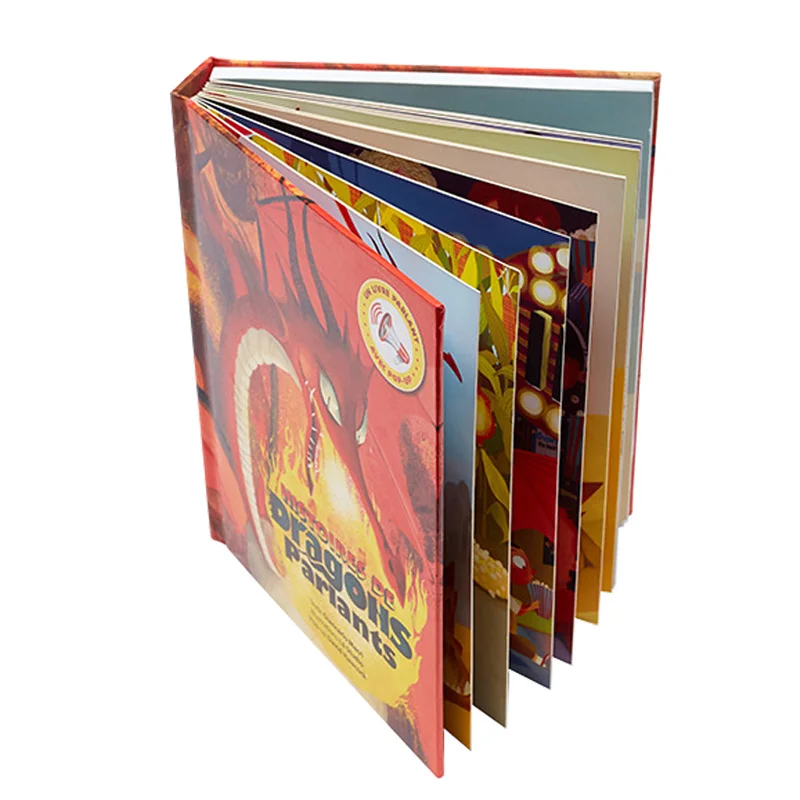
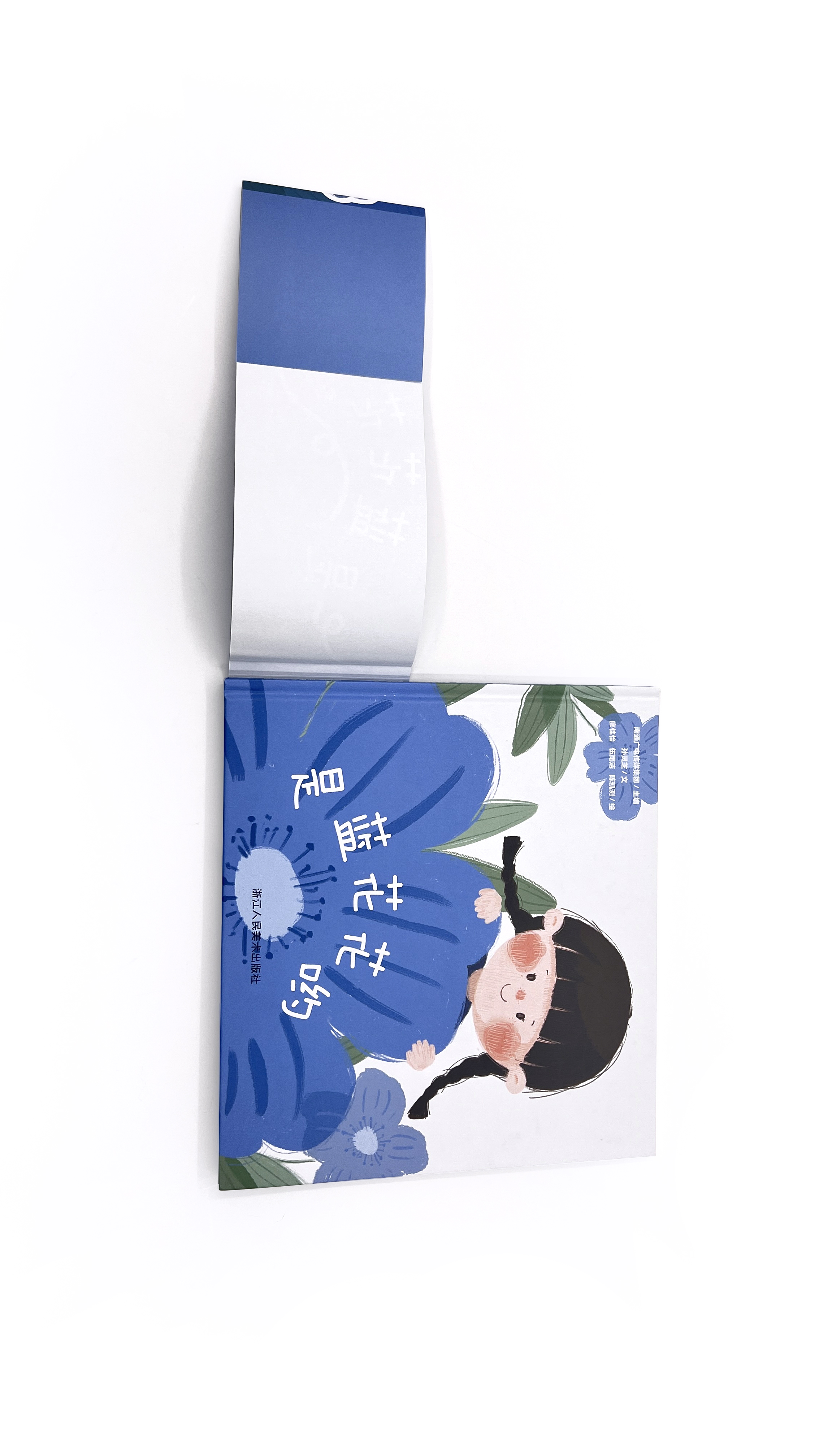
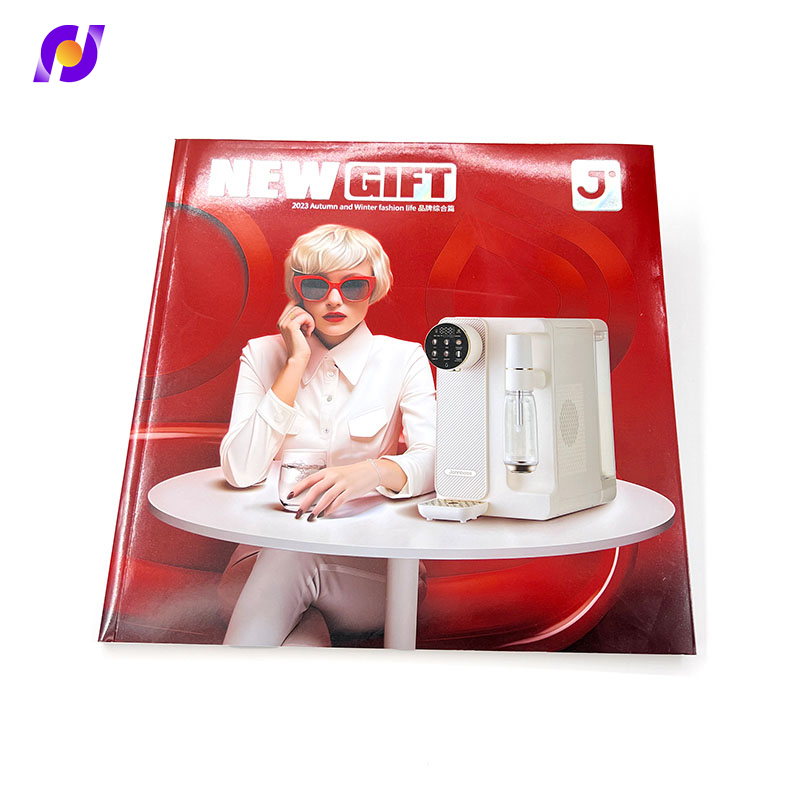
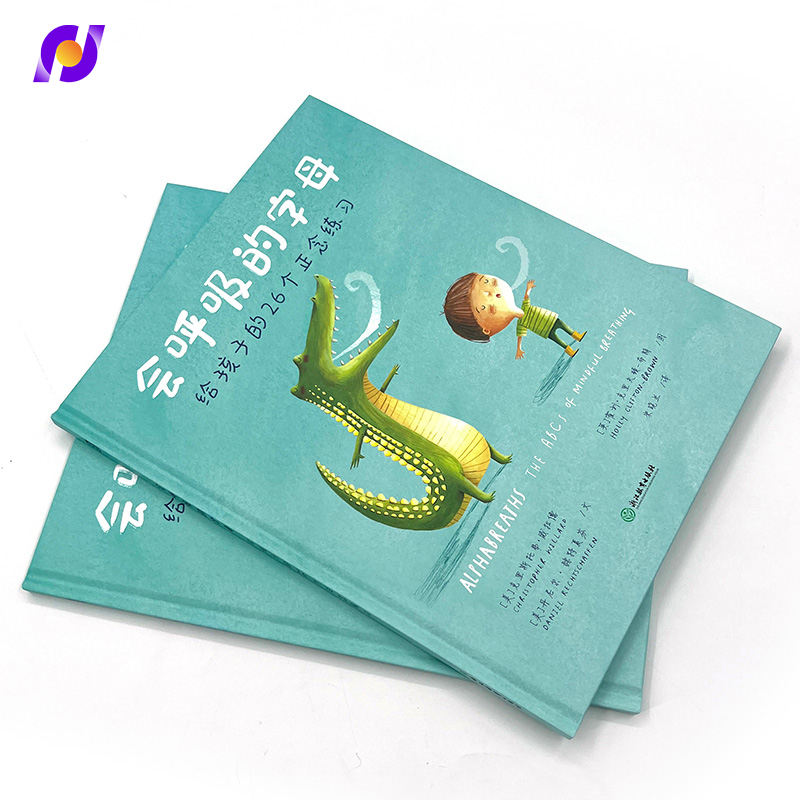
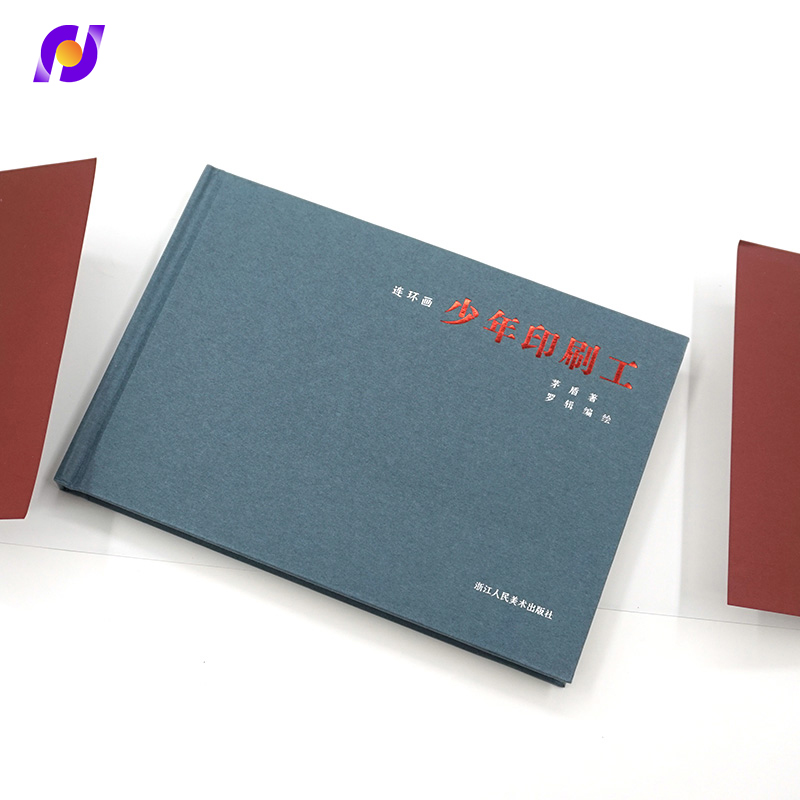
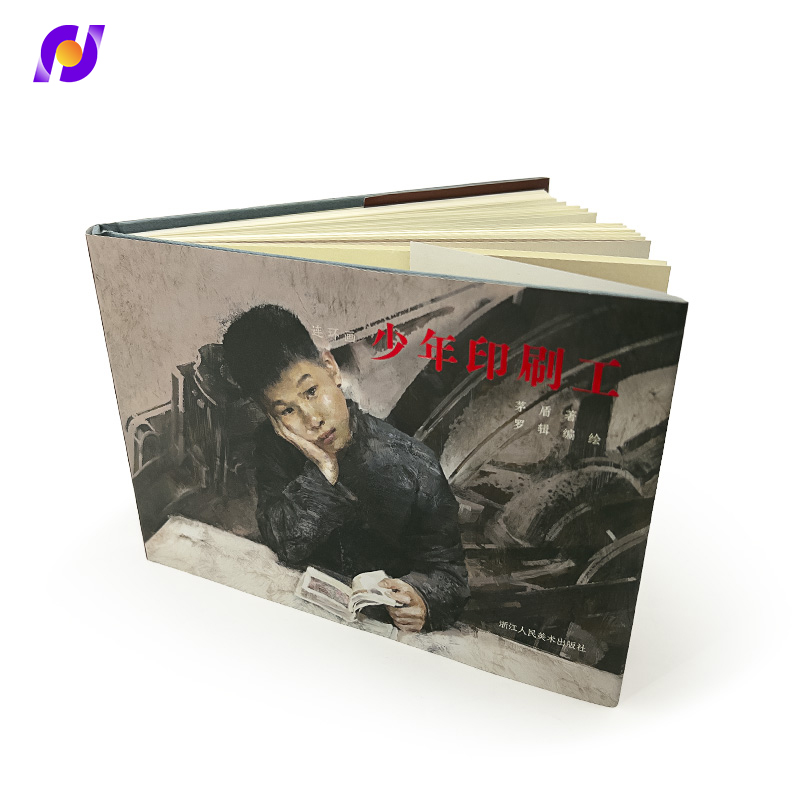
The best hardcover book printing represents a pinnacle of publishing excellence that transforms manuscripts into durable, professional publications. This sophisticated printing technology combines advanced digital and offset printing methods to create books with rigid covers wrapped in premium materials like cloth, leather, or specialty papers. The main functions of superior hardcover book printing encompass complete production workflows from pre-press preparation through final binding and quality control. These systems handle various book sizes, from standard novels to large-format coffee table books, accommodating diverse content types including text-heavy manuscripts, image-rich publications, and mixed-media works. Technological features of the best hardcover book printing include high-resolution imaging systems that deliver sharp text and vibrant colors with precise color matching capabilities. Modern printing equipment utilizes advanced ink technologies, including UV-cured and eco-friendly formulations that ensure longevity and environmental responsibility. Digital workflow integration streamlines the production process through automated plate-making, real-time quality monitoring, and computerized binding operations. The printing systems incorporate sophisticated paper handling mechanisms that manage various substrates, from lightweight text papers to heavy coated stocks for premium applications. Case binding technology represents a cornerstone feature, utilizing precision machinery that assembles book blocks with reinforced endpapers and headbands for enhanced durability. Applications for the best hardcover book printing span numerous industries and purposes. Publishers rely on these services for literary works, academic texts, reference materials, and collectible editions that require superior presentation and longevity. Corporate clients utilize hardcover printing for annual reports, marketing materials, and commemorative publications that reflect organizational prestige. Educational institutions benefit from durable textbooks and academic publications designed to withstand repeated use. Art galleries and museums employ hardcover printing for exhibition catalogs and art books requiring exceptional color reproduction and archival quality materials that preserve artistic integrity for decades.

New Product Recommendations

The best hardcover book printing delivers exceptional durability that ensures publications withstand years of handling, reading, and storage without deteriorating. Unlike paperback alternatives, hardcover books resist bending, tearing, and moisture damage, making them ideal for frequently referenced materials and cherished collections. This enhanced longevity translates to better value for money, as hardcover books maintain their structural integrity and appearance over extended periods. Professional presentation stands as another significant advantage, as hardcover books convey authority, credibility, and premium quality that impresses readers and reflects positively on authors and publishers. The rigid spine displays titles clearly on shelves, improving visibility and marketing appeal in bookstores and libraries. Superior protection for internal pages represents a crucial benefit, as the hardcover structure shields delicate paper from environmental factors, accidental spills, and physical damage. This protection proves especially valuable for books containing high-quality illustrations, photographs, or specialized papers that require careful preservation. The best hardcover book printing accommodates various finishing options that enhance visual appeal and tactile experience. Embossing, foil stamping, spot UV coating, and custom dust jackets create distinctive appearances that differentiate publications in competitive markets. These finishing techniques enable creative expression while maintaining professional standards that meet industry expectations. Enhanced reading comfort emerges as a practical advantage, as hardcover books lay flat when opened, reducing strain on readers during extended reading sessions. The substantial construction provides stable support that makes note-taking and reference work more convenient compared to flexible paperback formats. Market positioning benefits include higher perceived value that justifies premium pricing strategies, enabling better profit margins for publishers and authors. Hardcover editions often serve as flagship releases that generate initial sales momentum before paperback versions reach broader audiences. Archival quality represents a long-term advantage, as the best hardcover book printing utilizes acid-free papers and pH-neutral adhesives that prevent yellowing, brittleness, and deterioration over time. This archival durability makes hardcover books suitable for institutional libraries, personal collections, and historical preservation purposes. Customization flexibility allows clients to specify unique dimensions, materials, and design elements that create distinctive publications tailored to specific audiences and purposes, providing competitive advantages in specialized markets.

Tips And Tricks

【B2B Printing Guide】What Are Custom Printing Services? 5 Key Processes Explained and Business Applications

13

Jan

【B2B Printing Guide】What Are Custom Printing Services? 5 Key Processes Explained and Business Applications

View More
How to Choose the Right Printing Process for Your Business? A Comprehensive Decision Guide from Offset to Digital Printing

13

Jan

How to Choose the Right Printing Process for Your Business? A Comprehensive Decision Guide from Offset to Digital Printing

View More
The Complete Process of Company Brochure Printing Revealed: 7 Steps to Professional Results from File Preparation to Final Delivery

13

Jan

The Complete Process of Company Brochure Printing Revealed: 7 Steps to Professional Results from File Preparation to Final Delivery

View More

Get a Free Quote

Our representative will contact you soon.
Email
Name
Company Name
Message
0/1000

best hardcover book printing

Advanced Binding Technology and Structural Excellence

Advanced Binding Technology and Structural Excellence

The cornerstone of the best hardcover book printing lies in its sophisticated binding technology that creates structurally superior publications through precision engineering and quality materials. Modern case binding systems utilize computer-controlled machinery that ensures consistent spine alignment, uniform glue application, and proper tension distribution throughout the binding process. This technological precision eliminates common issues like loose pages, uneven margins, and binding failures that compromise book integrity over time. The binding process begins with precise folding and gathering of printed signatures, followed by sewing or perfect binding techniques that create strong connections between pages and the book spine. High-quality adhesives, including PUR (Polyurethane Reactive) hotmelt systems, provide flexible yet durable bonds that maintain elasticity even in varying temperature and humidity conditions. The case construction involves creating rigid covers using layered materials including chipboard cores, reinforcement strips, and covering materials that resist warping and damage. Advanced measuring systems ensure exact dimensions and square corners that contribute to professional appearance and proper shelf alignment. Headband attachment and endpaper installation add structural reinforcement while providing aesthetic finishing touches that enhance overall quality perception. Quality control measures throughout the binding process include tension testing, page pull tests, and visual inspections that verify proper construction before final packaging. This comprehensive approach to binding technology results in hardcover books that exceed industry durability standards and customer expectations. The structural excellence achieved through advanced binding technology provides tangible benefits including extended service life, reduced replacement costs, and enhanced user satisfaction. Professional presentations benefit significantly from the stability and rigidity that proper binding provides, ensuring books maintain their intended appearance throughout their operational lifetime. The investment in superior binding technology translates to measurable returns through reduced warranty claims, improved customer loyalty, and enhanced brand reputation in competitive publishing markets.
Premium Material Selection and Environmental Sustainability

Premium Material Selection and Environmental Sustainability

The best hardcover book printing distinguishes itself through careful selection of premium materials that balance performance, aesthetics, and environmental responsibility. Cover materials range from traditional book cloth and genuine leather to innovative synthetic alternatives that provide superior durability while reducing environmental impact. High-grade book cloth features tight weaves and specialized coatings that resist staining, fading, and abrasion while maintaining attractive appearance over extended use periods. Leather options include full-grain, top-grain, and bonded varieties that offer different performance characteristics and price points to meet diverse customer requirements. Synthetic materials incorporate recycled content and bio-based components that deliver excellent performance while supporting sustainability initiatives. Paper selection represents another critical aspect of material quality, with options including acid-free sheets, archival-quality stocks, and FSC-certified papers that ensure long-term preservation while supporting responsible forestry practices. Specialty papers for art books and illustrated works provide enhanced color reproduction and texture variations that optimize visual presentation for specific content types. Ink technologies utilize low-VOC formulations and vegetable-based alternatives that reduce environmental impact while maintaining superior color saturation and fade resistance. UV-cured inks provide immediate drying and enhanced durability while eliminating solvent emissions that contribute to air pollution. Adhesive selection focuses on archival-quality formulations that remain stable over decades while avoiding chemical interactions that could damage paper or cause odor issues. Environmental sustainability initiatives include waste reduction programs, energy-efficient production processes, and responsible sourcing policies that minimize ecological impact throughout the supply chain. Recycling programs for production waste and customer returns demonstrate commitment to circular economy principles while reducing disposal costs and environmental burden. The integration of premium materials with sustainable practices creates value propositions that appeal to environmentally conscious customers while maintaining the quality standards expected from the best hardcover book printing services.
Precision Color Management and Visual Excellence

Precision Color Management and Visual Excellence

The best hardcover book printing achieves exceptional visual results through sophisticated color management systems that ensure accurate reproduction across diverse content types and printing conditions. Advanced color profiling technology creates precise characterizations of printing equipment, papers, and inks that enable predictable color matching from design files to finished products. Spectrophotometer-based measurement systems monitor color consistency throughout production runs, automatically adjusting ink densities and press settings to maintain tight tolerances that exceed industry standards. This precision proves especially critical for art books, photography collections, and branded materials where color accuracy directly impacts perceived quality and customer satisfaction. Digital workflow integration connects design software directly to printing equipment through calibrated color spaces that eliminate guesswork and reduce revision cycles. Proofing systems provide accurate previews of final results, allowing customers to approve colors before full production begins, reducing waste and ensuring satisfaction with finished products. The color management process extends beyond basic CMYK printing to include spot colors, metallic inks, and specialty formulations that create unique visual effects impossible to achieve through standard printing methods. Pantone color matching ensures brand consistency across different print runs and production facilities, supporting corporate identity programs and marketing campaigns that require exact color reproduction. Quality control measures include regular calibration of measuring devices, maintenance of printing equipment, and systematic monitoring of environmental conditions that affect color stability. Temperature and humidity controls create consistent printing environments that prevent color variations caused by material expansion, ink viscosity changes, and static electricity buildup. Press operators receive specialized training in color theory and quality control procedures, enabling them to identify and correct potential issues before they affect finished products. The investment in precision color management technology and expertise translates to measurable benefits including reduced reprint costs, improved customer satisfaction scores, and enhanced reputation for quality that supports premium pricing strategies. Visual excellence achieved through superior color management creates competitive advantages in markets where appearance quality directly influences purchasing decisions and brand perception.

Get a Free Quote

Our representative will contact you soon.
Email
Name
Company Name
Message
0/1000