
 EN
EN
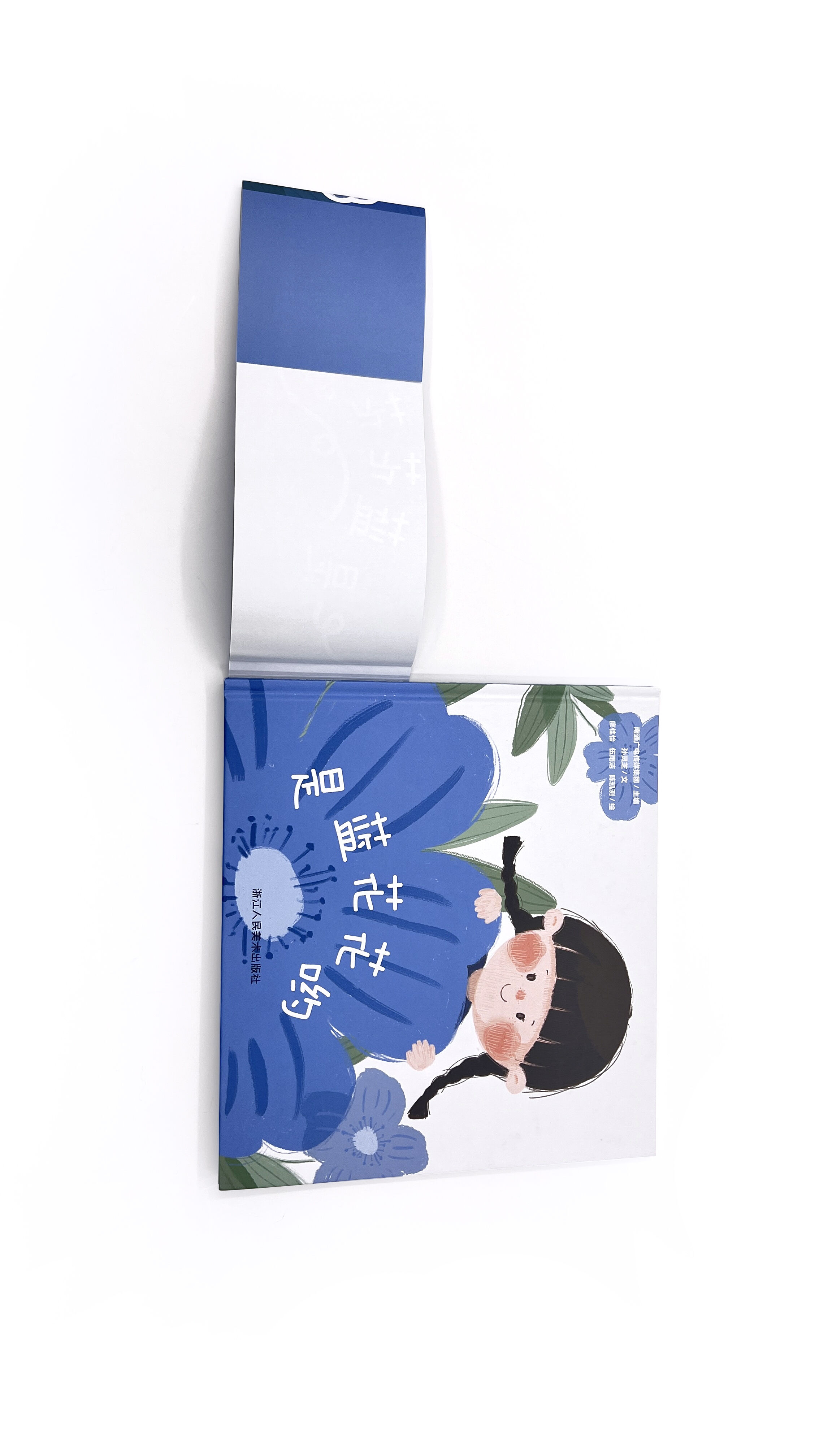
Understanding how printing accuracy works in practice requires examining the intricate relationships between color management, paper selection, and equipment setup. These three elements function as an interconnected system where each component directly influences the final output quality. Professional printing operations depend on mastering these interactions to achieve consistent, predictable results that meet client expectations and industry standards.

The complexity of modern printing systems means that achieving optimal accuracy requires understanding how substrate characteristics, ink behavior, and mechanical precision work together. Small adjustments in one area can cascade through the entire printing process, affecting everything from color reproduction to registration accuracy. This interconnected nature makes printing accuracy both challenging to master and rewarding when properly executed.
Color Management Integration
Color Profile Matching and Calibration
Color accuracy in printing begins with proper profile management that accounts for the specific characteristics of paper substrates and printing equipment. Each paper type absorbs and reflects light differently, requiring customized color profiles that map digital color values to achievable printed results. Professional printing workflows use ICC profiles that define the color gamut limitations of specific paper and ink combinations, ensuring predictable color reproduction across different substrate types.
The calibration process must account for how different paper surfaces interact with ink absorption and dot gain characteristics. Coated papers typically allow for sharper dot definition and broader color gamuts, while uncoated substrates require adjusted ink densities and modified screening patterns. Regular calibration using spectrophotometers ensures that color profiles remain accurate as printing conditions change over time.
Monitor calibration forms another critical component of color management accuracy, as visual color assessment depends on consistent display characteristics. Professional printing environments maintain controlled lighting conditions and calibrated monitors to ensure accurate color evaluation throughout the design and proofing process. This systematic approach to color management creates the foundation for predictable printing outcomes.
Ink Density and Color Balance
Maintaining proper ink density relationships across cyan, magenta, yellow, and black inks requires understanding how paper absorption affects color balance. Different paper types demand specific ink density adjustments to achieve neutral gray balance and prevent color shifts in shadow and highlight areas. Newsprint requires significantly different ink densities compared to high-quality coated stocks to achieve similar visual results.
The interaction between ink viscosity and paper surface characteristics directly influences dot gain and color saturation. Rough paper surfaces cause increased dot gain as ink spreads beyond the intended halftone dot boundaries, requiring compensation through adjusted screen values and ink density modifications. Professional printing operations use densitometers and spectrophotometers to monitor these relationships and maintain consistent color reproduction.
Understanding how ink trapping efficiency varies across different paper types helps optimize printing sequences and maintain color accuracy. Papers with high absorbency may require modified printing sequences or adjusted ink formulations to prevent show-through and maintain proper color density relationships between overlapping ink layers.
Paper Substrate Influence
Surface Characteristics and Ink Interaction
Paper surface smoothness directly affects printing accuracy by influencing how evenly ink transfers from the printing plate or blanket to the substrate. Rough paper surfaces create microscopic gaps that can result in incomplete ink transfer, leading to mottled or uneven print density. Coated papers with smooth, sealed surfaces allow for more complete ink transfer and sharper image reproduction, but require adjusted printing pressures and ink formulations.
The porosity of paper substrates determines ink absorption rates and penetration depth, which significantly impacts color saturation and drying characteristics. Highly porous papers absorb ink rapidly, potentially causing strike-through and reduced color intensity, while low-porosity coated stocks may experience slower drying times and increased risk of set-off. Professional printing operations adjust ink formulations and press speeds to accommodate these substrate characteristics.
Paper brightness and opacity levels affect color perception and contrast ratios in printed materials. Higher brightness papers enhance color vibrancy and provide better contrast for text reproduction, while lower brightness substrates may require adjusted color values to maintain visual impact. Understanding these relationships allows printers to select appropriate papers for specific applications and adjust color management accordingly.
Dimensional Stability and Registration
Paper dimensional stability plays a crucial role in maintaining registration accuracy throughout multi-color printing processes. Papers with poor dimensional stability may expand or contract as they absorb moisture from ink or environmental conditions, causing color-to-color registration problems. Grain direction affects how paper responds to moisture and mechanical stress during printing operations.
Temperature and humidity changes can cause significant dimensional variations in paper substrates, particularly in hygroscopic papers that readily absorb moisture from the environment. Professional printing facilities maintain controlled environmental conditions and allow paper stocks to acclimate to shop conditions before printing to minimize dimensional instability issues.
The interaction between paper caliper consistency and printing pressure settings affects both ink transfer quality and dimensional stability. Variations in paper thickness can cause uneven printing pressure across the sheet, resulting in density variations and potential registration problems in subsequent printing units. Quality control procedures include paper thickness measurements and press adjustment protocols.
Equipment Setup and Mechanical Precision
Pressure Settings and Ink Transfer
Printing pressure calibration must account for the compressibility and surface characteristics of different paper types to achieve optimal ink transfer efficiency. Soft, compressible papers may require reduced printing pressures to prevent over-squashing of halftone dots, while hard, smooth papers need sufficient pressure for complete ink transfer. Understanding these pressure relationships prevents both incomplete ink transfer and excessive dot gain.
Blanket and impression cylinder settings require adjustment based on paper caliper and surface characteristics to maintain consistent printing pressure across the entire sheet. Variations in blanket hardness and thickness affect how pressure is distributed and how the blanket conforms to paper surface irregularities. Professional printing operations maintain detailed setup sheets that specify optimal pressure settings for different paper types and basis weights.
The relationship between printing speed and ink transfer quality varies significantly across different paper types and ink formulations. Absorbent papers may allow higher printing speeds due to rapid ink penetration, while coated papers require slower speeds to ensure proper ink setting and prevent smudging. Balancing productivity with quality requires understanding these substrate-specific limitations.
Registration Control Systems
Modern printing systems use electronic registration control systems that continuously monitor and adjust color-to-color registration throughout the printing process. These systems must be calibrated for the specific dimensional characteristics of different paper types, as substrate behavior affects how registration corrections should be applied. Understanding paper grain direction and expansion characteristics helps optimize registration control system performance.
Web tension control becomes critical when printing on papers with varying dimensional stability characteristics. Papers that are prone to stretching or shrinking require more sophisticated tension control systems and modified unwinding and rewinding procedures. The interaction between web tension and printing pressure affects both registration accuracy and print quality.
Temperature control systems in printing presses must account for how different paper types respond to heat generated during the printing process. Some papers may become more dimensionally unstable when heated, while others may actually improve in stability. Understanding these thermal characteristics helps optimize press operating conditions for maximum accuracy.
Quality Control and Measurement
Measurement Standards and Protocols
Establishing consistent measurement protocols requires understanding how different paper types affect spectrophotometric readings and visual color assessment. White point variations between paper types can cause measurement inconsistencies that lead to incorrect color corrections. Professional printing operations use standardized measurement conditions and backing materials to ensure accurate color assessment across different substrate types.
Densitometer readings must be interpreted differently for various paper types due to differences in ink absorption and surface reflection characteristics. Coated papers typically show higher density readings for the same ink film thickness compared to uncoated papers, requiring adjusted target densities for equivalent visual results. Understanding these measurement relationships prevents over or under-inking conditions.
Registration measurement systems need calibration adjustments for different paper types to account for how substrate characteristics affect measurement accuracy. Papers with high opacity may allow more precise registration measurements, while translucent papers may require modified measurement techniques or additional backing materials to ensure accurate readings.
Process Control and Adjustment Procedures
Implementing effective process control requires establishing paper-specific control parameters that account for the unique characteristics of different substrates. Control charts and statistical process control methods must be adjusted for the expected variation ranges of different paper types and printing conditions. Understanding normal variation patterns helps distinguish between acceptable process variation and problems requiring correction.
Adjustment procedures for color and registration corrections must consider how different paper types respond to press modifications. Changes in ink density or registration may have different effects on various substrates, requiring substrate-specific correction protocols. Professional printing operations maintain detailed procedures for common adjustment scenarios on different paper types.
Preventive maintenance schedules for printing equipment should account for how different paper types affect wear patterns and cleaning requirements. Abrasive papers may require more frequent blanket and roller maintenance, while coated papers may leave different residue patterns that require specific cleaning procedures. Understanding these relationships helps maintain optimal equipment performance across diverse substrate requirements.
FAQ
How does paper brightness affect color accuracy in printing?
Paper brightness directly influences color perception and contrast ratios in printed materials. Higher brightness papers reflect more light, making colors appear more vibrant and providing better contrast for text reproduction. Lower brightness papers absorb more light, which can make colors appear duller and reduce overall contrast. Professional printing operations compensate for brightness variations by adjusting color profiles and ink densities to maintain consistent visual results across different paper brightnesses.
What causes registration problems when switching between different paper types?
Registration problems typically occur due to dimensional stability differences between paper types. Papers respond differently to moisture absorption from inks and environmental conditions, causing expansion or contraction that affects color-to-color alignment. Grain direction, basis weight, and coating characteristics all influence how paper behaves during printing. Professional printers address these issues by allowing paper to acclimate to shop conditions, adjusting web tension controls, and modifying registration control system parameters for each substrate type.
Why do identical ink densities look different on various paper types?
Identical ink densities appear different on various paper types due to differences in surface reflection, ink absorption, and substrate brightness. Coated papers with smooth, reflective surfaces make colors appear more saturated, while uncoated papers with rough, absorbent surfaces cause colors to appear duller. Paper brightness also affects color perception, with brighter papers enhancing color vibrancy. Professional printing requires adjusting ink densities and color profiles for each paper type to achieve consistent visual results.
How should printing pressure be adjusted for different paper types?
Printing pressure adjustments depend on paper surface characteristics and compressibility. Soft, compressible papers require reduced pressure to prevent excessive dot gain and over-squashing of halftone elements. Hard, smooth papers need sufficient pressure for complete ink transfer but not so much as to cause show-through or substrate damage. Coated papers typically require moderate pressure settings, while textured or absorbent papers may need higher pressures for adequate ink transfer. Each paper type requires specific pressure calibration to optimize both print quality and substrate handling.