
 EN
EN
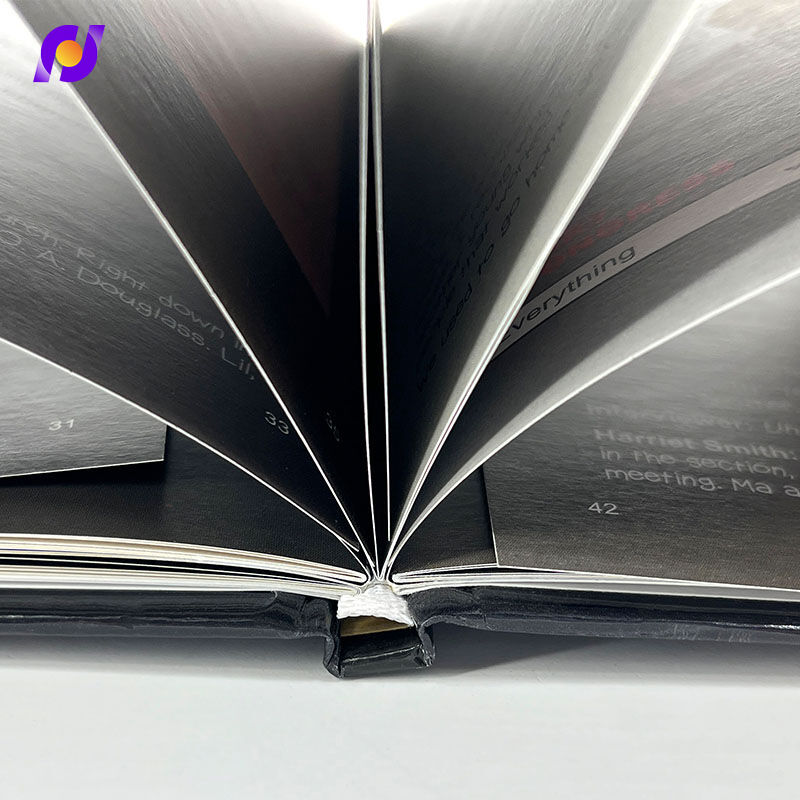
In modern commercial printing operations, quality control represents the critical difference between profitable production runs and costly reprints that damage client relationships. Professional printing factory operations have evolved sophisticated systems to identify potential issues at multiple checkpoints throughout the production process, rather than discovering problems only after final output. Understanding where these quality control interventions occur helps businesses make informed decisions about their printing partnerships and internal quality management strategies.

The strategic placement of quality control checkpoints throughout the printing factory workflow enables early detection of color variations, registration problems, substrate defects, and finishing inconsistencies before they compound into major production failures. These proactive quality management systems reduce material waste, minimize production delays, and ensure consistent output quality that meets or exceeds client specifications. The economic impact of early issue detection extends beyond immediate cost savings to include enhanced customer satisfaction, reduced warranty claims, and improved operational efficiency across the entire production facility.
Pre-Production Quality Control Checkpoints
File Preparation and Digital Asset Verification
Before any physical printing begins, experienced printing factory technicians conduct comprehensive digital file analysis to identify potential production issues. This pre-flight verification process examines color profiles, resolution specifications, font embedding, and artwork construction to ensure compatibility with the intended printing technology. Quality control specialists use advanced software tools to detect missing links, inappropriate color modes, and resolution inadequacies that could compromise final print quality.
The file preparation stage also includes critical assessment of bleed areas, crop marks, and color registration elements that directly impact downstream production efficiency. Professional printing factory operations maintain standardized checklists for different project types, ensuring consistent evaluation criteria across various print applications. This systematic approach prevents common issues like color shifts, text overflow, and image pixelation from reaching the production floor.
Substrate and Material Inspection Protocols
Quality control teams in leading printing factory facilities implement rigorous incoming material inspection procedures to identify substrate defects, coating inconsistencies, and dimensional variations before materials enter production workflows. These inspections include moisture content testing, surface roughness evaluation, and opacity measurements that directly influence print quality and production reliability. Material verification protocols help prevent press runs with defective substrates that would result in entire batch rejections.
The substrate inspection process also evaluates supplier consistency, tracking performance metrics across different material lots to identify potential quality trends. This data-driven approach enables printing factory managers to make informed supplier decisions and establish appropriate safety stock levels for critical materials. Early detection of substrate issues prevents production delays and maintains consistent output quality across extended production runs.
Press Setup and Calibration Quality Control
Color Management and Calibration Verification
Modern printing factory operations implement sophisticated color management systems that require careful calibration and verification before production begins. Press operators conduct comprehensive color profiling using standardized test targets and spectrophotometric measurements to ensure accurate color reproduction according to industry standards. This calibration process identifies potential color drift issues, ink density variations, and press characteristic changes that could affect final print quality.
The color calibration protocol includes verification of monitor displays, proofing systems, and press output to maintain color consistency throughout the production workflow. Professional printing factory operations maintain detailed calibration records that enable rapid identification of equipment drift and proactive maintenance scheduling. This systematic approach prevents color-related quality issues from developing during production runs.
Registration and Mechanical Setup Validation
Press setup quality control procedures include comprehensive registration testing using specialized alignment targets and measurement tools to ensure precise color-to-color registration throughout the printing process. These mechanical setup validations identify potential issues with plate mounting, blanket tension, and impression settings that could cause registration problems during production. Early detection of mechanical setup issues prevents costly reprints and material waste associated with registration defects.
The registration validation process also includes assessment of feeding mechanisms, delivery systems, and substrate handling components that influence print quality consistency. Printing factory technicians use precision measurement tools to verify mechanical tolerances and identify components requiring adjustment or maintenance. This proactive approach ensures optimal press performance and consistent output quality across entire production runs.
In-Process Quality Monitoring Systems
Real-Time Production Monitoring Technologies
Advanced printing factory operations utilize automated quality monitoring systems that continuously assess print quality parameters during production runs without interrupting the printing process. These inline inspection systems use high-resolution cameras, spectrophotometers, and specialized sensors to detect color variations, streak defects, registration problems, and surface imperfections in real-time. Automated monitoring enables immediate corrective action when quality parameters drift outside acceptable tolerances.
The implementation of real-time monitoring systems significantly reduces the time between issue occurrence and detection, minimizing the quantity of defective output produced before corrections can be implemented. Modern printing factory installations integrate these monitoring systems with press control mechanisms, enabling automatic adjustments for minor quality deviations without operator intervention. This automation improves overall equipment effectiveness and reduces the skill requirements for consistent quality production.
Statistical Process Control Implementation
Professional printing factory operations implement statistical process control methodologies that use systematic sampling and measurement procedures to track quality trends and identify potential issues before they become significant problems. These SPC systems collect data on critical quality parameters such as color density, registration accuracy, and substrate handling performance throughout production runs. Statistical analysis of this data enables prediction of quality drift and proactive intervention before defective output occurs.
The statistical approach to quality control provides objective evidence of process capability and helps identify root causes of quality variations within the printing factory environment. Quality control technicians use control charts and capability studies to distinguish between normal process variation and assignable causes that require corrective action. This data-driven methodology improves decision-making accuracy and reduces subjective interpretation of quality issues.
Post-Production Quality Verification
Finishing and Binding Quality Assessment
Quality control protocols in comprehensive printing factory operations extend beyond the printing process to include systematic evaluation of finishing operations such as cutting, folding, binding, and coating applications. These post-production inspections identify issues with dimensional accuracy, edge quality, binding strength, and coating uniformity that could affect final product performance and customer satisfaction. Early detection of finishing defects prevents delivery of substandard products to clients.
The finishing quality assessment process includes both automated measurement systems and skilled operator inspections to ensure comprehensive evaluation of all quality parameters. Printing factory operations maintain specific quality standards for different finishing operations and track performance metrics to identify process improvement opportunities. This systematic approach ensures consistent final product quality across diverse finishing requirements.
Final Inspection and Pack-Out Procedures
The final quality control checkpoint in professional printing factory operations involves comprehensive inspection of completed products before packaging and shipment to customers. These final inspections include visual assessment, dimensional verification, and functional testing appropriate to the specific product requirements. Quality control specialists use standardized inspection procedures and documented acceptance criteria to ensure consistent evaluation across different product types and production shifts.
Final inspection protocols also include verification of packaging integrity, labeling accuracy, and shipment documentation to prevent delivery issues that could affect customer satisfaction. Professional printing factory operations maintain detailed records of final inspection results that enable tracking of quality trends and identification of improvement opportunities throughout the production process. This comprehensive documentation supports continuous improvement initiatives and customer quality reporting requirements.
FAQ
What percentage of quality issues are typically caught during pre-production versus in-process monitoring in a printing factory?
Industry data indicates that approximately 60-70% of potential quality issues are identified and resolved during pre-production quality control phases, including file preparation and press setup verification. The remaining 30-40% of issues are typically detected during in-process monitoring and final inspection phases. This distribution emphasizes the critical importance of thorough pre-production quality control procedures in preventing costly production problems and material waste.
How do automated quality monitoring systems compare to manual inspection methods in terms of detection accuracy?
Automated quality monitoring systems generally provide superior consistency and detection speed compared to manual inspection methods, particularly for measurable parameters like color density and registration accuracy. However, experienced human inspectors remain essential for detecting subjective quality issues such as surface defects, texture problems, and overall aesthetic quality that automated systems may not recognize. The most effective printing factory quality control programs combine automated monitoring with skilled human inspection for comprehensive coverage.
What are the typical cost savings associated with early quality issue detection compared to discovering problems after production completion?
Early detection of quality issues typically reduces total correction costs by 75-85% compared to discovering problems after production completion. This cost advantage results from reduced material waste, eliminated reprint requirements, minimized labor rework, and avoided rush delivery charges. Additionally, early detection prevents customer dissatisfaction costs and maintains production schedule integrity, providing indirect benefits that often exceed direct cost savings.
How frequently should printing factory equipment be calibrated to maintain effective quality control?
Industry best practices recommend daily calibration verification for critical equipment such as spectrophotometers and color measurement devices, with full calibration procedures performed weekly or bi-weekly depending on production volume and environmental conditions. Press calibration should be verified at the beginning of each production shift and whenever substrate or ink changes occur. Environmental monitoring equipment requires monthly calibration verification to ensure accurate measurement of temperature, humidity, and other factors affecting print quality in the printing factory environment.
Table of Contents
- Pre-Production Quality Control Checkpoints
- Press Setup and Calibration Quality Control
- In-Process Quality Monitoring Systems
- Post-Production Quality Verification
-
FAQ
- What percentage of quality issues are typically caught during pre-production versus in-process monitoring in a printing factory?
- How do automated quality monitoring systems compare to manual inspection methods in terms of detection accuracy?
- What are the typical cost savings associated with early quality issue detection compared to discovering problems after production completion?
- How frequently should printing factory equipment be calibrated to maintain effective quality control?