Professional On Demand Hardcover Book Printing Services - Premium Quality, Zero Minimum Orders

Get a Free Quote

Our representative will contact you soon.
Email
Name
Company Name
Message
0/1000

on demand hardcover book printing

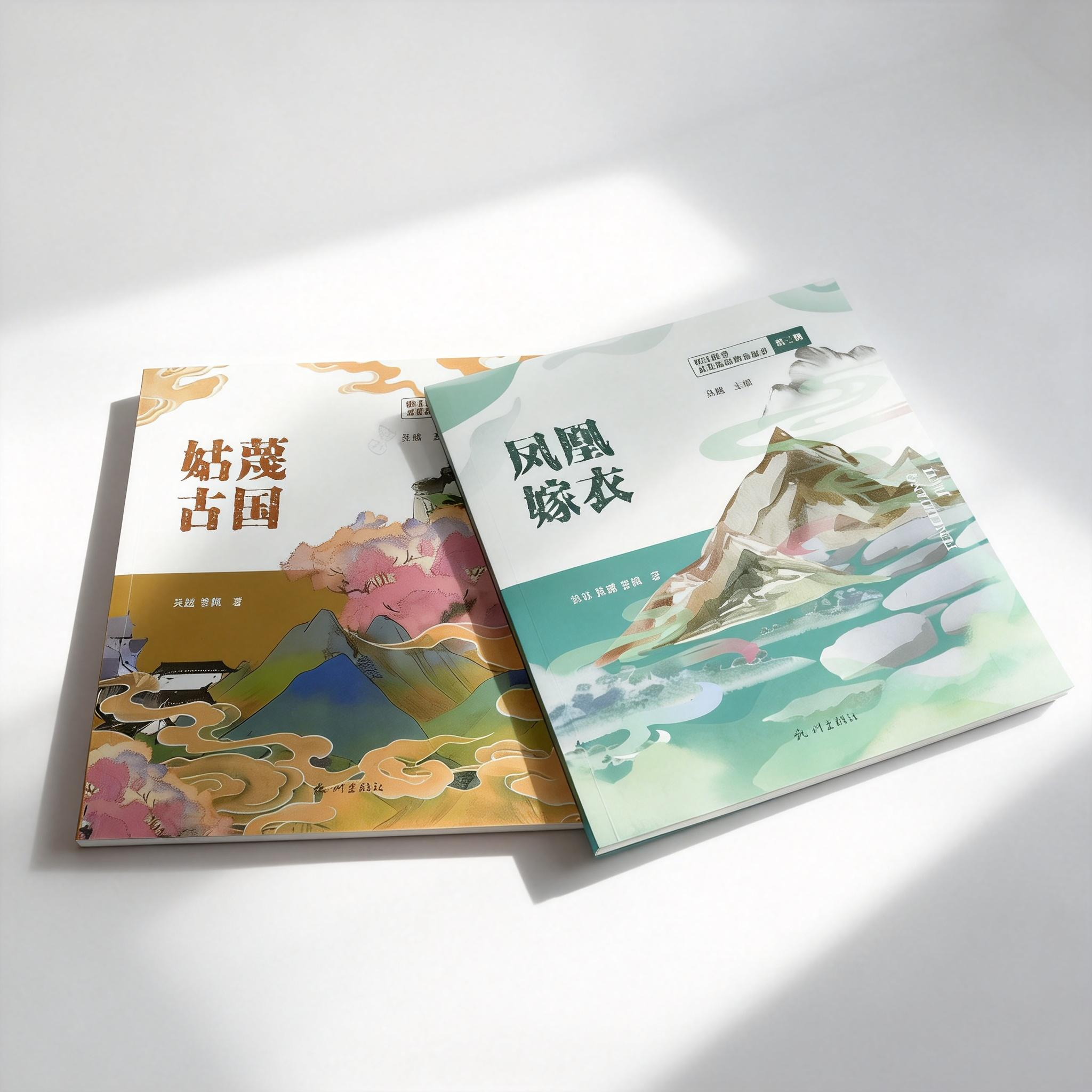
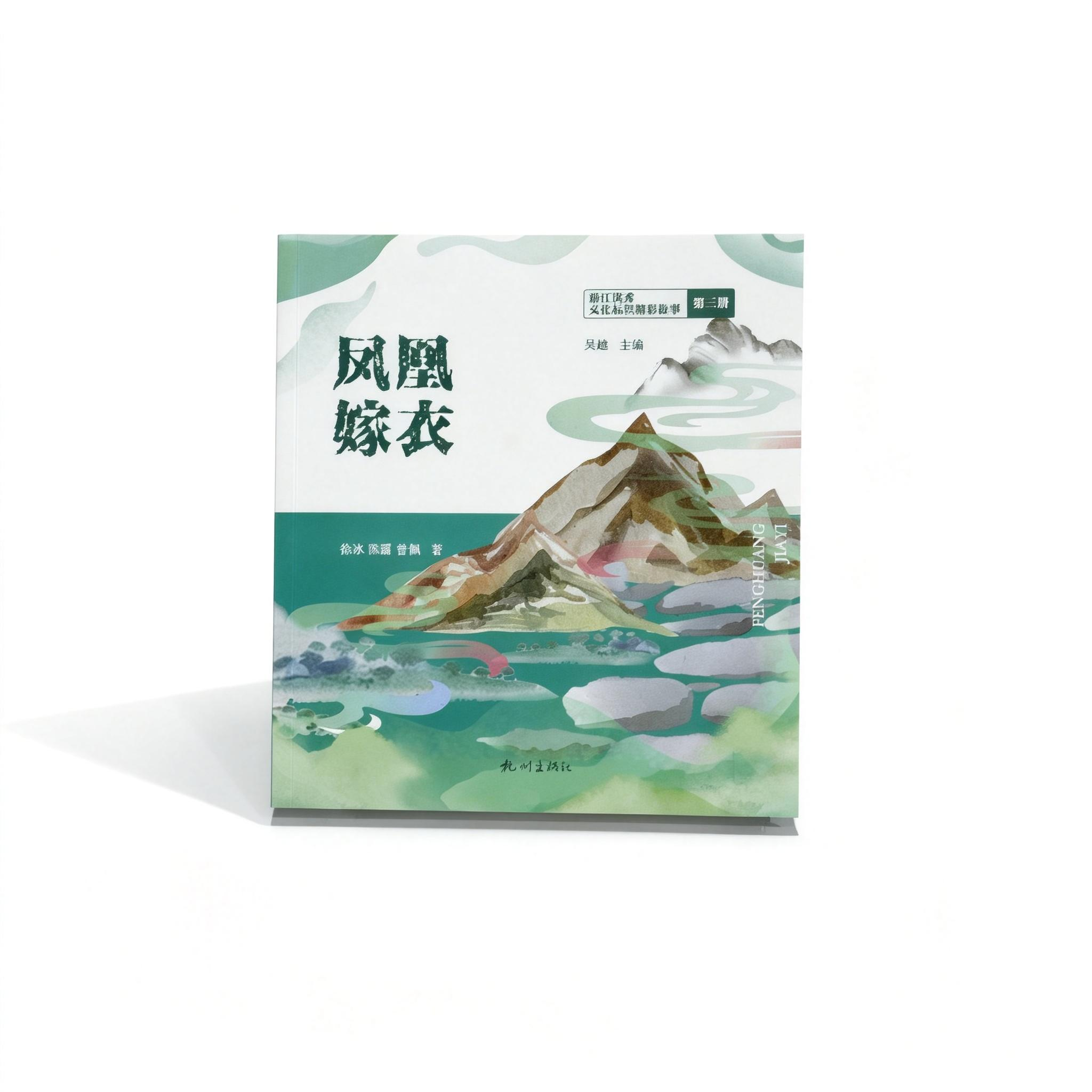
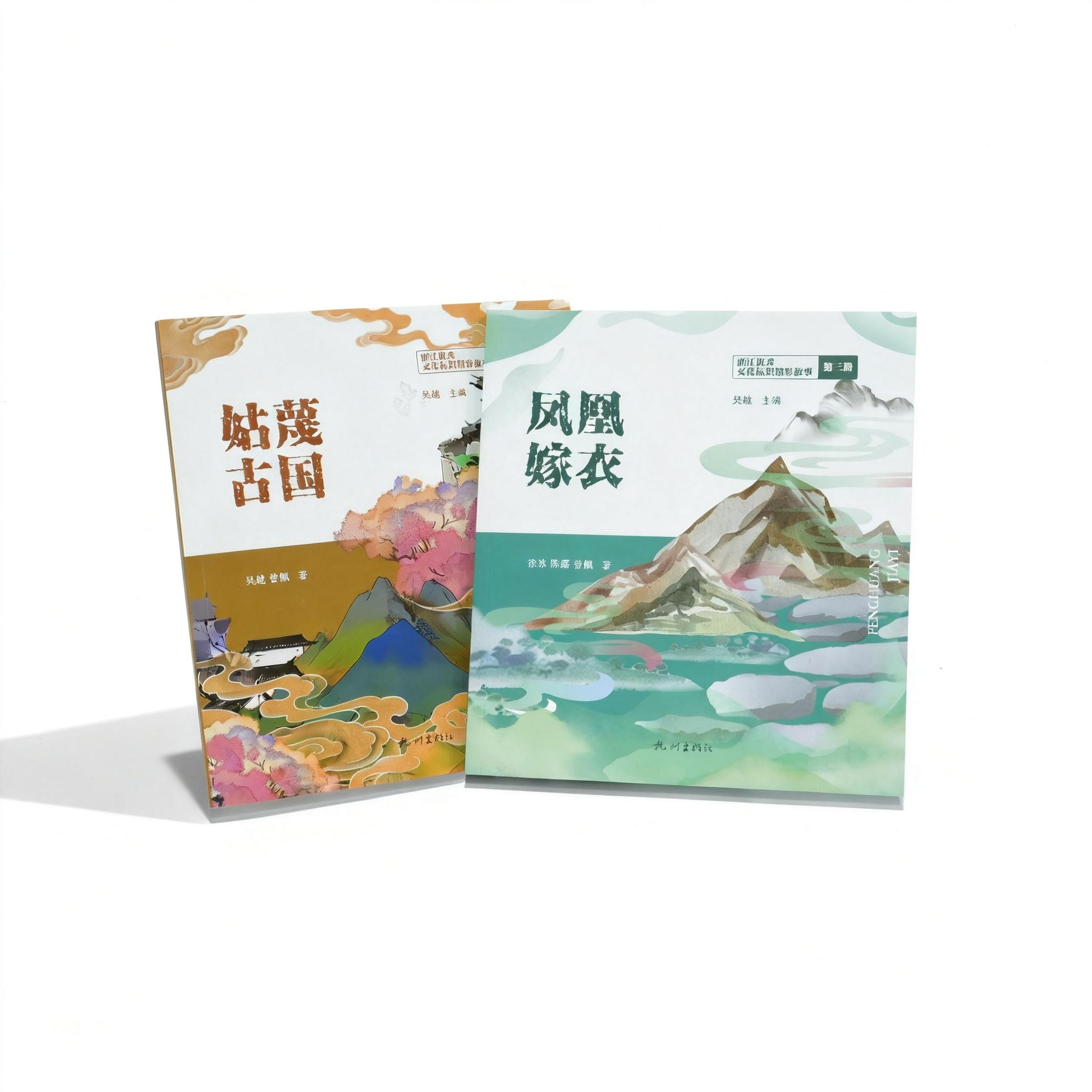
On demand hardcover book printing represents a revolutionary approach to publishing that enables authors, publishers, and businesses to create professional-quality hardcover books without the need for large minimum orders or substantial upfront investments. This innovative printing technology allows customers to produce single copies or small quantities of hardcover books as needed, eliminating the traditional barriers associated with conventional printing methods. The on demand hardcover book printing process utilizes advanced digital printing equipment combined with sophisticated binding machinery to deliver high-quality results that rival traditional offset printing. The main functions of on demand hardcover book printing include personalized book creation, rapid prototyping, short-run publishing, and custom gift book production. The technological features encompass state-of-the-art digital presses that deliver exceptional color accuracy and crisp text reproduction, automated binding systems that ensure consistent quality, and sophisticated paper handling mechanisms that accommodate various paper weights and textures. The printing process supports multiple cover options including dust jackets, case lamination, and foil stamping, providing extensive customization possibilities. Applications for on demand hardcover book printing span numerous industries and purposes, from independent authors seeking to publish their first novels to corporations creating branded publications, educational institutions producing custom textbooks, and photographers compiling portfolio books. The technology also serves genealogy enthusiasts documenting family histories, entrepreneurs launching specialized publications, and artists creating limited edition art books. The versatility of on demand hardcover book printing makes it an ideal solution for commemorative books, wedding albums, corporate reports, academic dissertations, and promotional materials that require premium presentation quality without the constraints of traditional printing minimums.

New Product Recommendations

The advantages of on demand hardcover book printing offer compelling benefits that transform how individuals and businesses approach book production and publishing endeavors. Cost-effectiveness stands as a primary advantage, as customers avoid expensive setup fees and minimum order requirements that traditional printing demands. Publishers can test market response with small quantities before committing to larger print runs, significantly reducing financial risk and inventory management challenges. The flexibility inherent in on demand hardcover book printing allows for immediate corrections and updates, ensuring that content remains current and accurate without reprinting entire inventories. Quality control reaches exceptional standards through digital printing technology, delivering consistent results across all copies while maintaining color accuracy and sharp text reproduction throughout the production process. Personalization capabilities enable unique customization for each book, including individual names, messages, or specific content variations that appeal to niche markets and specialized audiences. Environmental sustainability represents another significant advantage, as on demand hardcover book printing eliminates waste associated with overproduction and reduces carbon footprint through localized printing networks. Time efficiency dramatically improves project timelines, with typical turnaround periods ranging from days to weeks rather than months required by traditional printing methods. Storage concerns disappear entirely, as books are printed only when orders are received, eliminating warehouse costs and inventory management complexities. Market responsiveness increases substantially, allowing publishers to respond quickly to trends, seasonal demands, or unexpected popularity surges without lengthy production delays. Geographic accessibility expands through distributed printing networks, enabling faster delivery to customers worldwide while reducing shipping costs and delivery times. The testing capabilities of on demand hardcover book printing allow authors and publishers to experiment with different formats, sizes, and design elements without significant financial commitments. Revenue optimization improves through reduced upfront costs and the ability to maintain consistent profit margins regardless of order quantities, making publishing ventures more financially viable for smaller operations.

Latest News

【B2B Printing Guide】What Are Custom Printing Services? 5 Key Processes Explained and Business Applications

13

Jan

【B2B Printing Guide】What Are Custom Printing Services? 5 Key Processes Explained and Business Applications

View More
How to Choose the Right Printing Process for Your Business? A Comprehensive Decision Guide from Offset to Digital Printing

13

Jan

How to Choose the Right Printing Process for Your Business? A Comprehensive Decision Guide from Offset to Digital Printing

View More
The Complete Process of Company Brochure Printing Revealed: 7 Steps to Professional Results from File Preparation to Final Delivery

13

Jan

The Complete Process of Company Brochure Printing Revealed: 7 Steps to Professional Results from File Preparation to Final Delivery

View More

Get a Free Quote

Our representative will contact you soon.
Email
Name
Company Name
Message
0/1000

on demand hardcover book printing

Revolutionary Zero Inventory Publishing Model

Revolutionary Zero Inventory Publishing Model

The zero inventory publishing model represents the most transformative aspect of on demand hardcover book printing, fundamentally changing how publishers and authors approach book production and distribution strategies. This innovative approach eliminates the traditional publishing paradigm where thousands of books must be printed upfront and stored in warehouses, creating significant financial burdens and storage complications. With on demand hardcover book printing, books are manufactured only after customers place orders, creating a lean operation that maximizes efficiency and minimizes waste. Publishers no longer need to predict market demand or risk overproduction that could result in unsold inventory taking up valuable warehouse space and tying up capital resources. The financial implications of this model are profound, as initial investments drop dramatically when setup costs and minimum order requirements are removed from the equation. Authors can launch their publishing careers without substantial upfront capital, democratizing the publishing industry and enabling creative voices that might otherwise remain unheard due to financial constraints. The zero inventory model also provides unprecedented flexibility for content updates and revisions, allowing publishers to implement changes immediately without disposing of outdated stock. Market testing becomes more feasible and cost-effective, enabling publishers to gauge audience response with small quantities before scaling production. This approach particularly benefits specialized or niche publications that target specific audiences, as publishers can serve these markets profitably without worrying about minimum order constraints. The environmental benefits are substantial, as overproduction waste is eliminated entirely, and carbon footprints are reduced through localized printing networks that minimize shipping distances. Publishers can maintain global reach while operating with minimal environmental impact, appealing to increasingly environmentally conscious consumers. The zero inventory model of on demand hardcover book printing creates sustainable business practices that benefit both publishers and the environment while maintaining exceptional quality standards.
Premium Quality Matching Traditional Offset Standards

Premium Quality Matching Traditional Offset Standards

The premium quality achievement of on demand hardcover book printing has reached parity with traditional offset printing standards, delivering exceptional results that satisfy the most discerning quality requirements. Advanced digital printing technologies employed in on demand hardcover book printing utilize sophisticated color management systems that ensure accurate color reproduction across all print runs, maintaining consistency that rivals traditional offset methods. The printing resolution capabilities reach impressive levels, producing sharp text and vibrant images that meet professional publishing standards expected by consumers and industry professionals alike. Paper selection options encompass premium weights and finishes, including coated and uncoated stocks that provide the tactile experience associated with high-quality hardcover publications. The binding processes incorporate professional-grade materials and techniques, creating durable hardcover books with reinforced spines that withstand repeated handling and long-term storage. Cover finishing options include various lamination techniques, spot UV applications, and foil stamping capabilities that add sophisticated aesthetic elements to enhance visual appeal. Quality control measures integrated throughout the production process ensure consistency across individual copies and multiple orders, with automated inspection systems detecting and correcting potential issues before books reach customers. The durability of books produced through on demand hardcover book printing matches or exceeds traditional methods, with properly constructed bindings that maintain structural integrity over time. Color consistency remains stable across different production runs, ensuring that reprints match original orders perfectly, which is crucial for series publications and brand consistency requirements. The paper adhesion and ink penetration achieve optimal levels, preventing issues like page separation or print smudging that could compromise book longevity. Attention to detail extends to elements like dust jacket application, case binding precision, and spine alignment, creating finished products that are indistinguishable from traditionally printed hardcover books. The quality standards of on demand hardcover book printing have evolved to meet the expectations of professional publishers, making it a viable alternative for any publication requiring premium presentation quality.
Global Accessibility with Localized Production Networks

Global Accessibility with Localized Production Networks

Global accessibility through localized production networks represents a groundbreaking advantage of on demand hardcover book printing, creating worldwide distribution capabilities while maintaining cost-effectiveness and rapid delivery times. This distributed manufacturing approach establishes printing facilities in strategic locations across different continents, enabling publishers to serve international markets without the logistical complexities and expenses associated with centralized production and global shipping. The localized production networks of on demand hardcover book printing reduce shipping costs significantly, as books are manufactured close to their final destinations rather than transported across vast distances from centralized printing facilities. Delivery times decrease substantially when production occurs within regional networks, allowing customers to receive their orders within days rather than weeks, enhancing customer satisfaction and enabling time-sensitive publishing projects. Environmental benefits multiply through reduced carbon emissions associated with shorter shipping distances and optimized logistics networks that minimize transportation requirements. Currency fluctuations and international trade complications are minimized when production occurs within local economic zones, providing more predictable pricing and reducing financial risks associated with global commerce. Cultural customization becomes more feasible through localized networks that understand regional preferences, regulations, and market requirements, enabling publishers to adapt content and presentation to specific geographic markets. Quality consistency is maintained across all network locations through standardized equipment, materials, and processes, ensuring that books produced in different regions meet identical quality standards regardless of manufacturing location. The scalability of localized production networks allows for capacity expansion in high-demand regions while maintaining service levels in emerging markets, creating flexible response capabilities that adapt to changing market conditions. Time zone advantages enable continuous production cycles, as projects can be transferred between network locations to maintain progress during local downtime, accelerating overall production schedules. The localized approach of on demand hardcover book printing eliminates many international shipping restrictions and customs complications that can delay traditional book distribution, creating smoother cross-border transactions and more reliable delivery schedules for publishers operating in multiple countries.

Get a Free Quote

Our representative will contact you soon.
Email
Name
Company Name
Message
0/1000