Professional Hard Book Printing Services - Premium Quality Binding Solutions

Get a Free Quote

Our representative will contact you soon.
Email
Name
Company Name
Message
0/1000

hard book printing

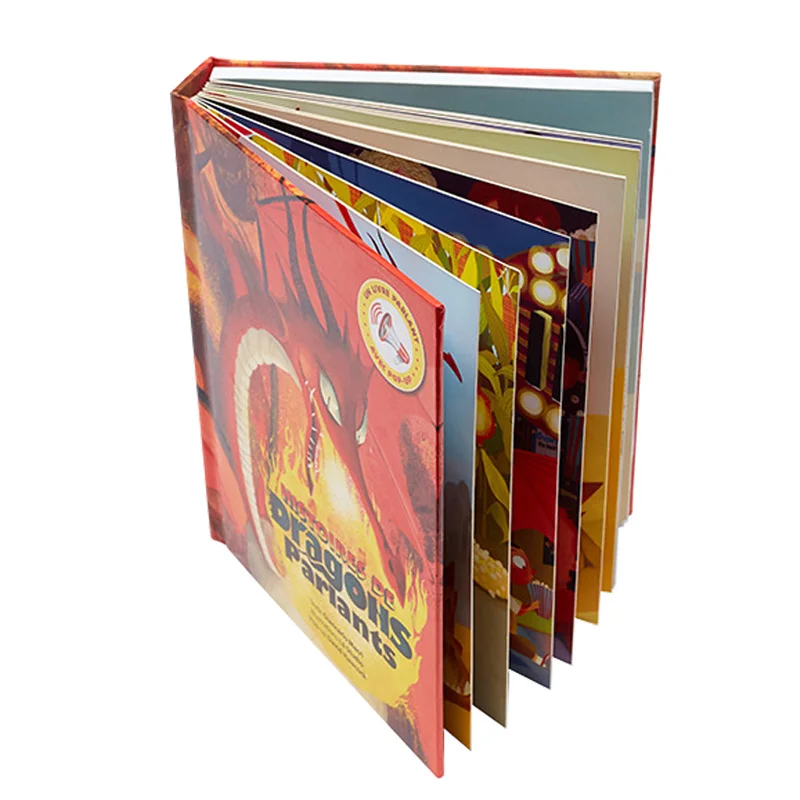
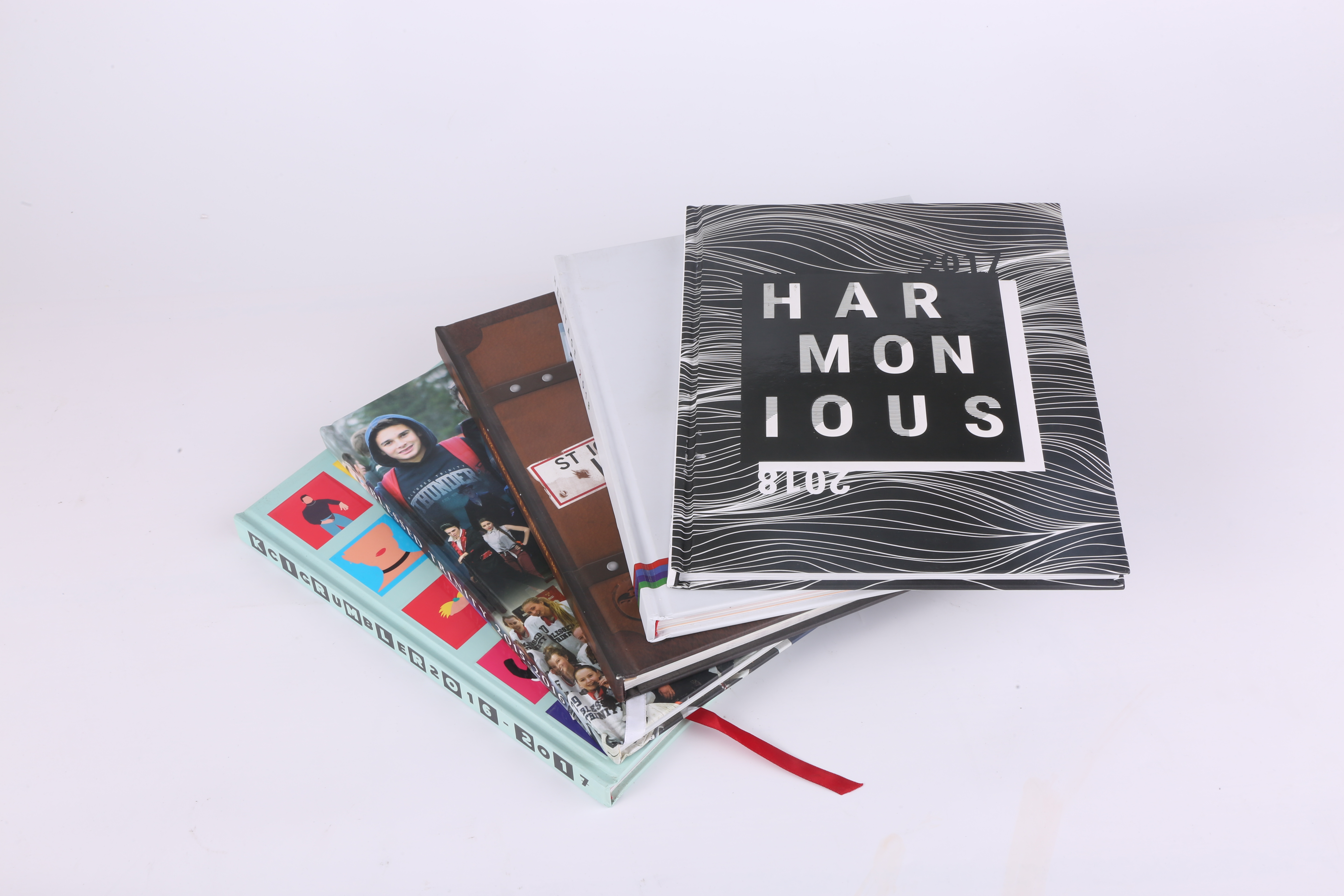
Hard book printing represents a sophisticated publishing method that transforms digital manuscripts into durable, professionally bound volumes with rigid covers and premium construction. This specialized printing process combines advanced digital or offset printing technology with traditional bookbinding techniques to create publications that withstand extensive handling while maintaining their aesthetic appeal. Hard book printing serves multiple functions across various industries, from educational textbook production to corporate documentation and luxury coffee table books. The technological foundation of hard book printing relies on high-resolution printing systems capable of reproducing sharp text, vibrant images, and consistent color accuracy across large print runs. Modern hard book printing facilities utilize state-of-the-art equipment including digital presses, perfect binding machines, and specialized coating systems that ensure optimal print quality and longevity. The process begins with digital file preparation, where manuscripts undergo thorough pre-flight checks to verify proper formatting, color profiles, and resolution requirements. Subsequently, pages are printed on high-quality paper stocks specifically selected for their durability and print receptivity. The binding process involves creating rigid covers using cardboard or chipboard substrates covered with printed materials, cloth, or specialty papers. Advanced adhesive systems ensure pages remain securely attached throughout the book's lifespan, while professional finishing techniques such as dust jacket application, foil stamping, or embossing add distinctive visual elements. Hard book printing applications span numerous sectors including academic publishing, corporate communications, art documentation, technical manuals, and limited edition publications. Educational institutions rely on hard book printing for textbooks that must endure repeated classroom use, while businesses utilize this method for annual reports, product catalogs, and training materials that project professional credibility and long-term value.

New Products

Hard book printing delivers exceptional durability that significantly outperforms softcover alternatives, ensuring your publications maintain their professional appearance throughout extended use and handling. The rigid construction protects internal pages from damage while the sturdy binding prevents page separation, making hard book printing ideal for frequently referenced materials such as textbooks, reference guides, and corporate documentation. This enhanced durability translates directly into cost savings over time, as hard book printing eliminates the need for frequent reprinting due to wear and tear. Publishers and businesses recognize that investing in hard book printing reduces long-term replacement costs while maintaining consistent brand presentation. The premium appearance achieved through hard book printing elevates your content's perceived value, creating a powerful first impression that influences reader engagement and retention. Professional binding techniques combined with high-quality materials communicate credibility and attention to detail, essential factors for academic publications, corporate communications, and marketing materials. Hard book printing accommodates diverse customization options including embossing, foil stamping, spot UV coating, and specialty paper selections that enhance visual impact and tactile experience. These finishing options allow organizations to create distinctive publications that align with brand identity while standing out in competitive markets. The printing process ensures superior color reproduction and text clarity through advanced printing technologies and quality paper stocks specifically designed for optimal ink adhesion and image sharpness. Hard book printing maintains consistent quality across large print runs, ensuring every copy meets identical standards regardless of quantity requirements. This consistency proves crucial for educational materials where uniform presentation supports effective learning outcomes. The robust construction of hard book printing makes it suitable for archival purposes, preserving important documents and publications for future generations while maintaining readability and structural integrity. Organizations requiring long-term document storage benefit from the superior preservation qualities inherent in hard book printing methods. Additionally, hard book printing supports various paper weights and finishes, allowing customization based on specific content requirements and budget considerations while maintaining the fundamental advantages of rigid binding construction.

Latest News

【B2B Printing Guide】What Are Custom Printing Services? 5 Key Processes Explained and Business Applications

13

Jan

【B2B Printing Guide】What Are Custom Printing Services? 5 Key Processes Explained and Business Applications

View More
How to Choose the Right Printing Process for Your Business? A Comprehensive Decision Guide from Offset to Digital Printing

13

Jan

How to Choose the Right Printing Process for Your Business? A Comprehensive Decision Guide from Offset to Digital Printing

View More
The Complete Process of Company Brochure Printing Revealed: 7 Steps to Professional Results from File Preparation to Final Delivery

13

Jan

The Complete Process of Company Brochure Printing Revealed: 7 Steps to Professional Results from File Preparation to Final Delivery

View More

Get a Free Quote

Our representative will contact you soon.
Email
Name
Company Name
Message
0/1000

hard book printing

Superior Construction and Longevity Performance

Superior Construction and Longevity Performance

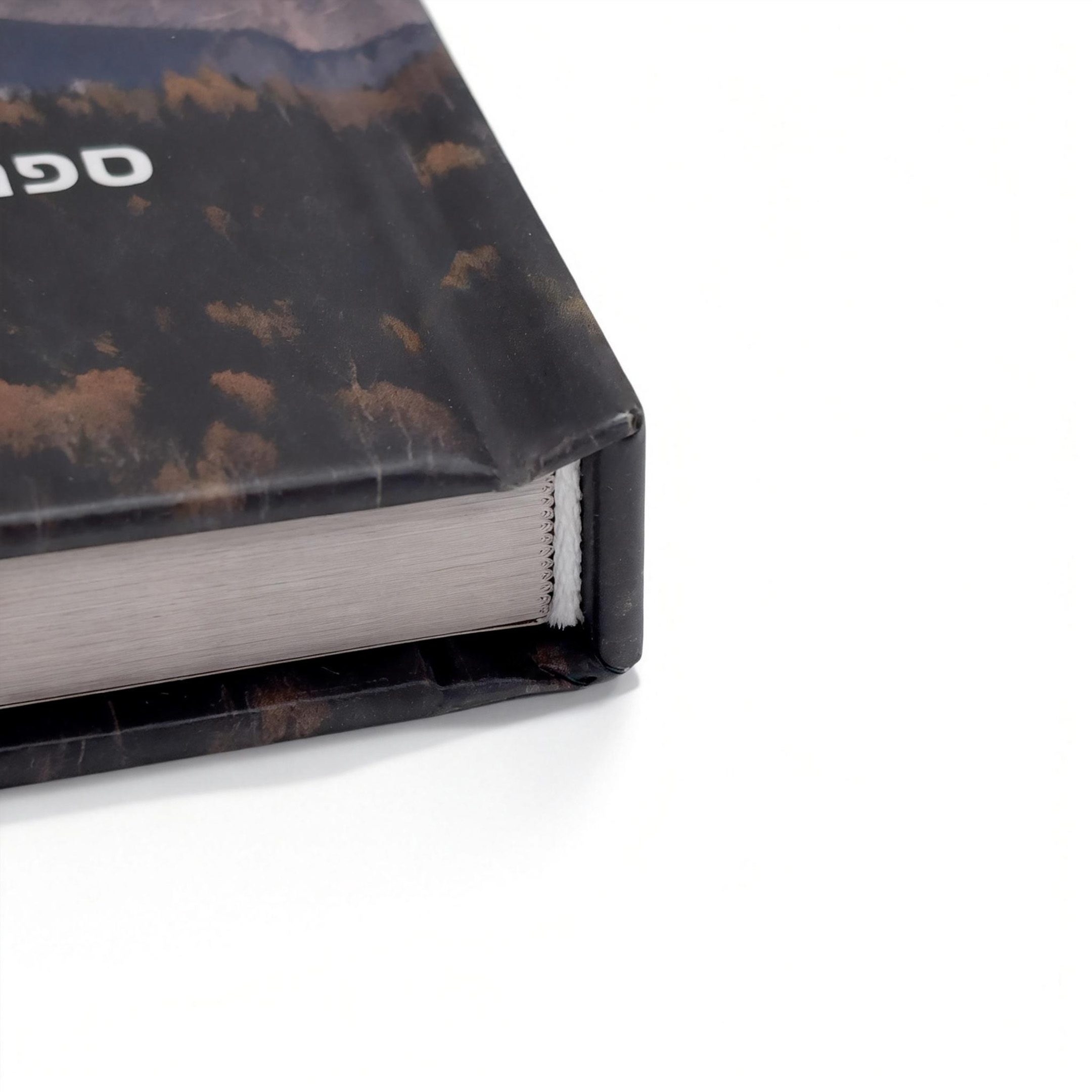
Hard book printing excels in delivering unmatched construction quality that ensures publications withstand years of intensive use without compromising structural integrity or visual appeal. The foundation of this superiority lies in the meticulous binding process that combines rigid cover boards with professional-grade adhesives, creating a robust framework that protects internal content from environmental damage and physical stress. Unlike traditional softcover alternatives, hard book printing utilizes reinforced spine construction that prevents the common issues of page separation and cover detachment that plague lesser binding methods. The rigid cover system distributes stress evenly across the entire publication, eliminating weak points that typically cause premature failure in standard binding approaches. This construction methodology proves particularly valuable for educational materials, reference books, and frequently accessed corporate documentation where durability directly impacts long-term usability and cost-effectiveness. The enhanced longevity achieved through hard book printing extends beyond mere structural benefits, encompassing superior page protection that maintains print quality and readability throughout the publication's extended lifespan. Professional binding techniques create a stable environment for internal pages, preventing the warping, creasing, and edge damage commonly associated with flexible binding systems. This protection becomes increasingly important for publications containing critical information, detailed graphics, or precise technical specifications where content clarity remains essential over time. Organizations investing in hard book printing recognize that the initial higher cost generates substantial long-term savings through reduced replacement frequency and maintained professional appearance. The construction quality inherent in hard book printing also supports enhanced storage capabilities, allowing publications to be shelved vertically without sagging or deformation that compromises accessibility and organization systems.
Professional Aesthetic Impact and Brand Enhancement

Professional Aesthetic Impact and Brand Enhancement

Hard book printing transforms ordinary publications into premium presentation tools that significantly enhance organizational credibility and brand perception through sophisticated visual appeal and tactile quality. The professional aesthetic achieved through hard book printing immediately communicates attention to detail and commitment to excellence, creating powerful first impressions that influence reader engagement and content reception. This visual impact stems from the combination of rigid construction, high-quality cover materials, and advanced finishing techniques that collectively elevate the publication's perceived value far beyond its production cost. The substantial feel and appearance of hard book printing convey permanence and importance, making recipients more likely to retain, reference, and share the content with others. This psychological effect proves invaluable for marketing materials, corporate communications, and educational resources where content retention and referral rates directly impact success metrics. Hard book printing enables extensive customization options including embossed logos, foil stamping, spot UV treatments, and specialty cover materials that align perfectly with brand identity requirements while creating distinctive visual signatures. These enhancement options allow organizations to develop consistent brand presentation across various publication types while maintaining the flexibility to adapt designs for specific audiences or purposes. The professional appearance of hard book printing also supports premium positioning strategies, enabling businesses to justify higher pricing for products and services by demonstrating quality commitment through publication excellence. Educational institutions benefit from the credibility enhancement that hard book printing provides to curriculum materials, research publications, and institutional documentation. The sophisticated appearance helps establish academic authority while encouraging student engagement through materials that convey importance and lasting value. Corporate applications of hard book printing include annual reports, product catalogs, and training manuals that require professional presentation to maintain stakeholder confidence and support business objectives effectively.
Versatile Applications and Market Adaptability

Versatile Applications and Market Adaptability

Hard book printing demonstrates remarkable versatility across diverse market segments and application requirements, providing customizable solutions that adapt seamlessly to varying content types, audience needs, and industry specifications. This adaptability makes hard book printing an invaluable resource for publishers, businesses, educational institutions, and organizations requiring professional documentation that serves multiple purposes and audiences effectively. The flexibility inherent in hard book printing encompasses various paper weights, cover materials, binding styles, and finishing options that accommodate everything from luxury art books to technical manuals and corporate presentations. Educational markets particularly benefit from hard book printing's ability to produce textbooks, workbooks, and reference materials that withstand classroom environments while maintaining readability and structural integrity throughout academic cycles. The robust construction supports repeated handling by multiple users while preserving content quality essential for effective learning outcomes. Corporate applications leverage hard book printing for annual reports, product catalogs, training materials, and marketing publications that require professional presentation and long-term usability. The premium appearance supports brand positioning strategies while the durable construction ensures consistent presentation quality across extended distribution periods. Publishing houses utilize hard book printing for trade publications, limited editions, and specialty books where quality and durability justify premium pricing and enhanced profit margins. The printing process accommodates various content types including text-heavy publications, image-intensive materials, and combination formats that require precise color reproduction and layout integrity. Technical documentation benefits from hard book printing's ability to preserve detailed diagrams, specifications, and instructional content that must remain accessible and legible throughout extended reference periods. The binding strength supports heavy paper stocks required for technical drawings while maintaining lay-flat capabilities essential for practical usage. Art and photography applications showcase the superior color reproduction and paper quality options available through hard book printing, enabling accurate representation of visual content that meets professional standards. Museums, galleries, and artists rely on hard book printing for exhibition catalogs, portfolio presentations, and archival documentation that preserves cultural and artistic heritage while providing accessible public resources.

Get a Free Quote

Our representative will contact you soon.
Email
Name
Company Name
Message
0/1000