
 EN
EN
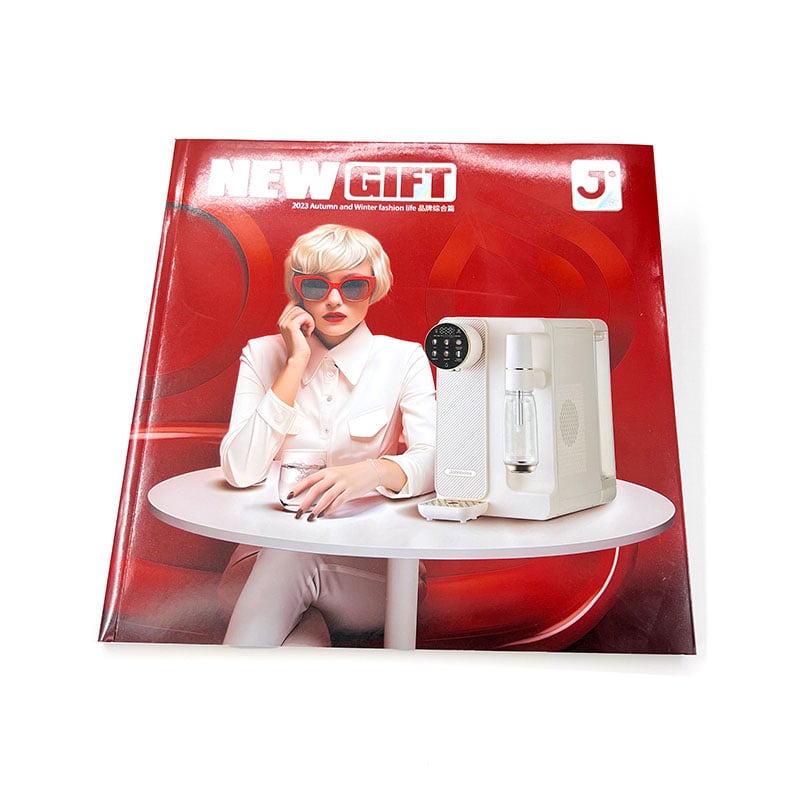
Selecting the optimal printing method for your business operations requires careful evaluation of multiple factors including volume requirements, quality expectations, budget constraints, and timeline considerations. The printing landscape offers diverse technologies ranging from traditional offset printing to modern digital solutions, each serving specific business needs and market segments. Understanding the fundamental characteristics, advantages, and limitations of each printing approach enables business leaders to make informed decisions that align with their operational objectives and financial parameters.
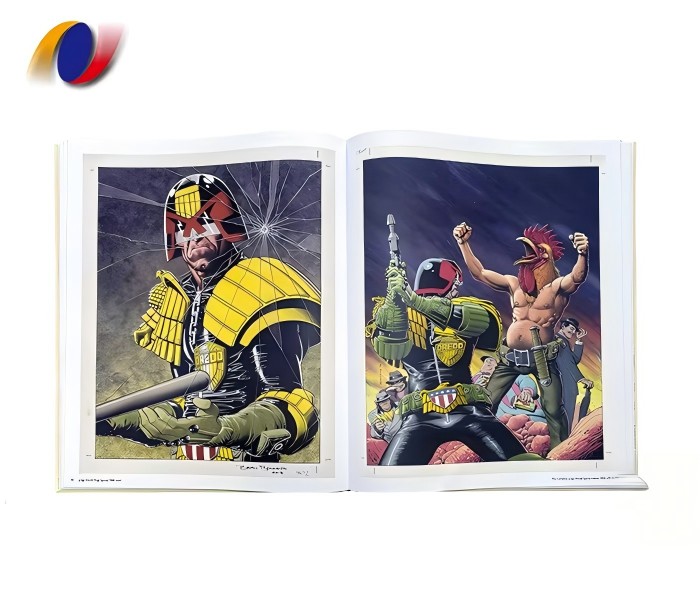
The choice between different printing methodologies directly impacts production efficiency, cost per unit, material compatibility, and final output quality. Modern businesses must navigate complex printing ecosystems where traditional methods compete with innovative digital technologies, while specialized techniques serve niche applications. This comprehensive analysis examines the critical decision factors that determine which printing solution delivers maximum value for specific business scenarios, helping organizations optimize their printing investments and achieve superior results.
Digital Printing Solutions for Modern Business Needs
On-Demand Digital Printing Capabilities
Digital printing technology revolutionizes business operations by eliminating traditional setup requirements and enabling immediate production starts. This printing method processes electronic files directly through digital presses, bypassing conventional plate-making processes that consume time and resources. Businesses benefit from rapid turnaround times, typically completing projects within hours rather than days, making digital printing ideal for urgent marketing campaigns, last-minute presentations, and time-sensitive documentation.
The variable data printing capabilities inherent in digital systems allow businesses to customize individual pieces within the same print run. Marketing departments leverage this functionality for personalized direct mail campaigns, customized brochures, and targeted promotional materials that speak directly to specific customer segments. This level of customization was previously impossible with traditional printing methods, giving businesses powerful tools for enhanced customer engagement and improved response rates.
Cost-Effectiveness for Small to Medium Volumes
Digital printing delivers superior economics for businesses requiring smaller quantities, typically ranging from single copies to several thousand units. The absence of setup costs, plate fees, and minimum order requirements makes this printing approach financially attractive for businesses with limited budgets or variable demand patterns. Small businesses particularly benefit from the ability to print marketing materials as needed, avoiding inventory storage costs and reducing waste from outdated promotional content.
Professional service firms, consultancies, and specialized businesses find digital printing perfectly suited for proposal documents, client presentations, and custom reports. The cost per page remains consistent regardless of quantity, providing predictable budgeting and enabling businesses to respond quickly to client requirements without significant financial commitments. This printing method supports lean business operations by minimizing upfront investments while maintaining professional quality standards.
Offset Printing for High-Volume Commercial Applications
Superior Quality and Color Consistency
Offset printing maintains its position as the gold standard for businesses requiring exceptional print quality across large production runs. This printing method utilizes advanced plate technology and precise ink transfer mechanisms to achieve superior color accuracy, sharp text definition, and consistent results throughout extended print runs. Publishing companies, corporate marketing departments, and businesses producing high-end promotional materials rely on offset printing to maintain brand integrity and professional appearance.
The Pantone color matching capabilities inherent in offset printing ensure precise brand color reproduction essential for corporate identity materials, packaging, and marketing collateral. This printing approach supports specialty inks, varnishes, and finishing techniques that enhance visual impact and tactile experience. Businesses requiring premium presentation materials for trade shows, client meetings, and brand representation find offset printing delivers the sophisticated appearance necessary for professional credibility.
Economic Advantages for Large Quantities
Offset printing demonstrates clear economic advantages when production volumes exceed several thousand units, with cost per piece decreasing significantly as quantities increase. The initial setup investments in plates, color calibration, and press preparation are amortized across larger runs, resulting in competitive unit costs for substantial printing projects. Manufacturing companies, educational institutions, and organizations with predictable high-volume needs achieve optimal cost efficiency through offset printing strategies.
Long-term printing partnerships with offset providers enable businesses to negotiate favorable pricing structures, bulk discounts, and priority scheduling arrangements. The ability to print on diverse paper stocks, specialty substrates, and unusual sizes expands creative possibilities while maintaining cost-effectiveness. Businesses planning annual reports, product catalogs, and comprehensive marketing campaigns find offset printing delivers unmatched value for substantial projects requiring premium quality presentation.
Specialized Printing Methods for Unique Business Requirements
Screen Printing for Durable Applications
Screen printing serves businesses requiring durable, long-lasting printed materials that withstand environmental challenges, frequent handling, and extended exposure conditions. This printing method creates thick ink deposits that provide excellent opacity, vibrant colors, and resistance to fading, making it ideal for outdoor signage, promotional products, and industrial applications. Retail businesses utilize screen printing for point-of-sale materials, window graphics, and promotional items that maintain appearance despite constant customer interaction.
The versatility of screen printing extends to non-traditional substrates including textiles, plastics, metals, and specialty materials that other printing methods cannot accommodate. Manufacturing companies leverage this capability for product labeling, safety signage, and equipment identification that must remain legible throughout product lifecycles. The ability to print with specialty inks including metallics, fluorescents, and weather-resistant formulations provides businesses with unique branding opportunities and functional solutions.
Large Format Printing for Impact Marketing
Large format printing addresses business needs for high-impact visual communications including banners, trade show displays, vehicle graphics, and architectural signage. This printing method produces oversized graphics with impressive visual impact that captures attention in competitive marketing environments. Retail businesses, event organizers, and companies participating in trade shows rely on large format printing to create compelling brand presence that stands out from competitor messaging.
The technological advances in large format printing enable businesses to create stunning graphics on diverse materials including vinyl, canvas, fabric, and rigid substrates. Interior design firms, retail environments, and corporate facilities utilize large format printing for custom wallcoverings, wayfinding systems, and branded environmental graphics that enhance customer experience. The durability and weather resistance of modern large format printing materials support long-term outdoor installations, providing excellent return on marketing investments.
Decision Framework for Selecting Optimal Printing Methods
Volume and Frequency Analysis
Businesses must carefully analyze their printing volume patterns and frequency requirements to identify the most cost-effective printing method for their specific needs. Companies with consistent high-volume requirements exceeding 5,000 units per project typically achieve optimal results with offset printing, while businesses with variable or smaller quantities find digital printing more economical. The frequency of printing projects also influences method selection, as regular high-volume users can justify offset setup costs while sporadic users benefit from digital flexibility.
Seasonal businesses, project-based organizations, and companies with fluctuating demand patterns require printing solutions that adapt to changing requirements without penalizing low-volume periods. The ability to scale printing production up or down based on actual needs provides significant operational advantages and financial flexibility. Businesses should evaluate their annual printing requirements, peak demand periods, and growth projections to select printing methods that support both current needs and future expansion plans.
Quality Standards and Brand Requirements
Brand positioning and quality expectations significantly influence printing method selection, as different technologies deliver varying levels of color accuracy, image sharpness, and overall presentation quality. Premium brands, luxury service providers, and businesses targeting sophisticated markets require printing methods that reflect their brand values through superior visual presentation. The printing method chosen becomes an extension of brand identity, influencing customer perceptions and market positioning.
Technical requirements including color matching, specialty finishes, and substrate compatibility must align with available printing capabilities. Businesses with specific technical requirements such as food-safe inks, archival quality, or specialized color systems need printing partners equipped with appropriate technologies and certifications. The evaluation process should consider not only current quality requirements but also potential future needs as businesses evolve and expand their market presence.
FAQ
How do I determine the most cost-effective printing method for my business volume?
Calculate your total annual printing volume and average project size to identify the optimal printing method. Digital printing typically offers better economics for volumes under 5,000 units per project, while offset printing becomes more cost-effective for larger quantities. Consider both per-unit costs and setup fees when comparing options, and factor in inventory storage costs if printing large quantities infrequently.
What printing method provides the fastest turnaround times for urgent projects?
Digital printing delivers the fastest turnaround times, often completing projects within hours or same-day service, since it requires no setup time or plate preparation. This printing method processes files directly from electronic formats, enabling immediate production starts. For urgent business needs, marketing campaigns, or last-minute presentations, digital printing provides unmatched speed and flexibility.
Which printing approach works best for businesses requiring frequent design changes?
Digital printing excels for businesses with frequently changing designs, seasonal promotions, or evolving marketing messages because it eliminates setup costs and minimum order requirements. Each print run can feature completely different designs without additional preparation fees. This flexibility makes digital printing ideal for businesses testing marketing approaches, personalizing customer communications, or adapting quickly to market changes.
How important is color accuracy when choosing a printing method for brand materials?
Color accuracy is crucial for maintaining brand consistency across all printed materials, making offset printing the preferred choice for businesses with strict brand guidelines or Pantone color requirements. This printing method provides superior color matching capabilities and consistency throughout large runs. However, modern digital printing has significantly improved color accuracy and may be sufficient for businesses with less stringent color requirements or smaller volumes.
Table of Contents
- Digital Printing Solutions for Modern Business Needs
- Offset Printing for High-Volume Commercial Applications
- Specialized Printing Methods for Unique Business Requirements
- Decision Framework for Selecting Optimal Printing Methods
-
FAQ
- How do I determine the most cost-effective printing method for my business volume?
- What printing method provides the fastest turnaround times for urgent projects?
- Which printing approach works best for businesses requiring frequent design changes?
- How important is color accuracy when choosing a printing method for brand materials?