
 EN
EN
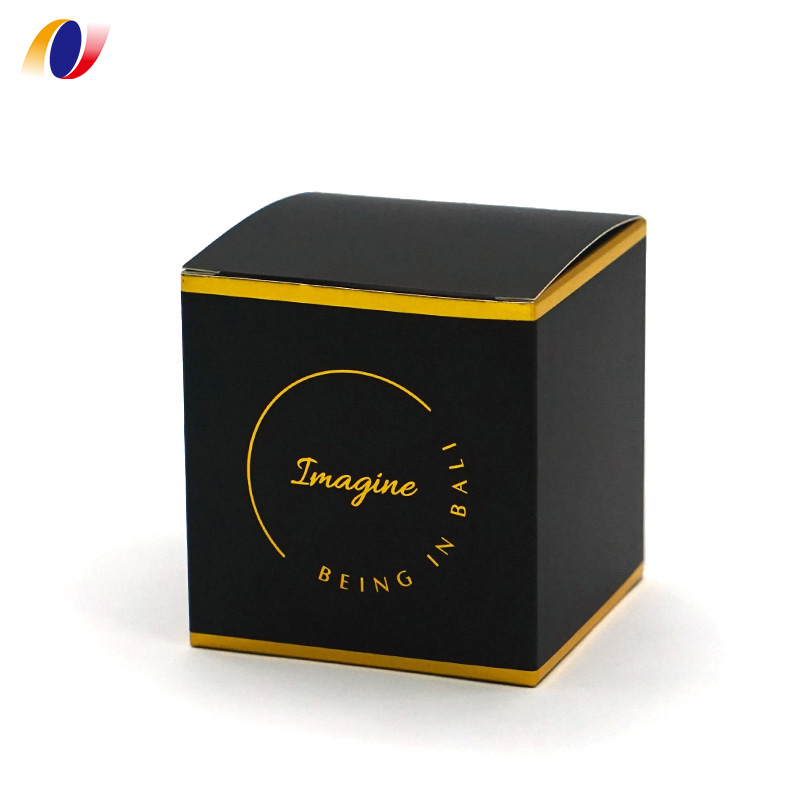
Modern businesses face the critical challenge of selecting packaging boxes that serve dual purposes: protecting products during transit while effectively communicating brand identity. The intersection of design aesthetics and logistics functionality determines whether packaging boxes become a competitive advantage or a costly operational burden. Companies that successfully align their packaging design with logistics requirements achieve reduced shipping damage, improved customer satisfaction, and enhanced brand recognition throughout the supply chain.

The strategic approach to matching packaging boxes design with logistics needs requires understanding material science, structural engineering principles, and supply chain dynamics. Businesses must evaluate multiple factors including product weight distribution, shipping distances, handling frequency, storage conditions, and customer unboxing experience. This comprehensive analysis ensures that packaging boxes deliver optimal performance across all touchpoints while maintaining cost efficiency and environmental responsibility.
Understanding the Design-Logistics Integration Framework
Structural Design Principles for Logistics Efficiency
Effective packaging boxes begin with structural design that prioritizes both product protection and handling efficiency. The geometry of packaging boxes directly impacts stacking stability, compression strength, and space utilization during transportation. Square and rectangular designs typically offer superior stacking characteristics compared to irregular shapes, while maintaining material efficiency. Edge crush strength becomes particularly critical when packaging boxes must support significant weight during multi-level stacking in warehouses and shipping containers.
The internal structure of packaging boxes requires careful consideration of product fit and void reduction. Proper internal dimensions minimize product movement during transit while avoiding excessive material usage. Custom inserts, dividers, or molded sections can be integrated into the design to secure products without relying solely on loose-fill materials. This approach reduces shipping costs by optimizing dimensional weight calculations and improves the customer experience by eliminating messy packing materials.
Material Selection for Dual Performance
Material choices for packaging boxes must balance aesthetic appeal with logistics performance requirements. Corrugated cardboard remains the most versatile option, offering excellent printability for branding while providing adequate protection for most products. The flute configuration affects both strength characteristics and printing quality, with fine flutes supporting high-resolution graphics and coarse flutes providing superior cushioning. Understanding these trade-offs allows businesses to select materials that optimize both visual impact and protective performance.
Specialty coatings and treatments can enhance both design flexibility and logistics durability. Water-resistant coatings protect packaging boxes from moisture damage during storage and shipping, while maintaining print quality and structural integrity. Anti-scuff coatings preserve graphic elements during handling, ensuring that branded packaging boxes arrive at their destination in pristine condition. These enhancements represent investments in both brand protection and operational efficiency.
Logistics-Driven Design Optimization Strategies
Dimensional Standardization for Supply Chain Efficiency
Standardizing packaging boxes dimensions across product lines creates significant logistics advantages while maintaining design flexibility within established parameters. Standard dimensions facilitate automated handling systems, improve truck and container space utilization, and reduce inventory complexity for packaging suppliers. Businesses can achieve design variety through graphics, colors, and structural details while maintaining dimensional consistency that supports operational efficiency.
The relationship between packaging boxes dimensions and shipping costs requires careful analysis of dimensional weight pricing structures used by carriers. Optimizing the dimensional weight ratio often involves redesigning packaging boxes to minimize air space without compromising product protection. This optimization process may require testing multiple configurations to identify designs that achieve the best balance between material costs, shipping expenses, and protective performance.
Handling and Storage Considerations
Design features that facilitate efficient handling can significantly reduce logistics costs and improve worker safety. Integrated handles, thumb holes, or grip areas make packaging boxes easier to move manually while maintaining structural integrity. The placement and design of these features must consider the box's center of gravity and typical handling orientations throughout the supply chain.
Storage efficiency depends on how packaging boxes interact with warehouse systems and equipment. Designs that accommodate standard pallet configurations maximize warehouse space utilization and facilitate mechanized handling. The ability of packaging boxes to nest when empty or collapse for return shipping can dramatically reduce storage space requirements and reverse logistics costs. These considerations should be integrated into the initial design process rather than addressed as afterthoughts.
Balancing Brand Expression with Functional Requirements
Visual Design Within Structural Constraints
Creating compelling brand experiences through packaging boxes design requires working within the constraints imposed by logistics requirements. Effective graphic design maximizes visual impact while respecting structural elements such as score lines, fold areas, and closure mechanisms. The placement of brand elements must consider how packaging boxes will be oriented during display, storage, and handling throughout the supply chain.
Color selection for packaging boxes involves balancing brand identity with practical considerations such as print consistency across different materials and lighting conditions. Colors that photograph well for e-commerce applications may appear different under warehouse lighting or outdoor shipping conditions. Understanding these variables helps ensure that brand colors remain consistent and appealing throughout the customer journey.
Functional Graphics and Information Hierarchy
Beyond aesthetic appeal, graphics on packaging boxes must communicate essential logistics information clearly and efficiently. Shipping labels, handling instructions, and regulatory symbols require dedicated space that must be integrated into the overall design concept. The hierarchy of information should prioritize logistics requirements while maintaining brand consistency and visual appeal.
Barcode placement and sizing requirements can significantly impact design layouts but represent critical elements for supply chain efficiency. Modern packaging boxes designs incorporate these functional elements seamlessly into the overall graphic scheme rather than treating them as necessary intrusions. Strategic placement ensures scanability while maintaining aesthetic integrity across different viewing angles and handling orientations.
Testing and Validation Methodologies
Prototype Performance Evaluation
Comprehensive testing of packaging boxes prototypes validates both design aesthetics and logistics performance before full-scale production. Drop testing, compression testing, and vibration testing simulate real-world shipping conditions while revealing potential failure points that could compromise both product protection and brand presentation. These tests should encompass the full range of shipping scenarios that packaging boxes will encounter throughout their lifecycle.
Environmental testing ensures that packaging boxes maintain both structural integrity and visual appeal under various climate conditions. Temperature and humidity variations can affect both material properties and adhesive performance, potentially leading to structural failures or graphic degradation. Understanding these limitations allows businesses to specify appropriate materials and treatments for their expected shipping environments.
Supply Chain Integration Testing
Testing packaging boxes within actual supply chain operations reveals performance characteristics that laboratory testing cannot replicate. Real-world handling by warehouse personnel, interaction with automated systems, and customer feedback provide insights into both functional performance and user experience. This feedback loop enables continuous refinement of designs to better serve both logistics efficiency and customer satisfaction.
Integration testing should evaluate how packaging boxes perform throughout multiple supply chain partners and handling systems. Variations in handling practices, equipment capabilities, and environmental conditions across different facilities can reveal design weaknesses that might not be apparent in controlled testing environments. This comprehensive approach ensures that packaging boxes perform consistently regardless of the specific logistics pathway they follow.
Implementation and Continuous Improvement
Rollout Strategy for New Packaging Designs
Implementing new packaging boxes designs requires careful coordination between design teams, logistics operations, and supply chain partners. Phased rollouts allow for real-world performance validation while minimizing risk to ongoing operations. Initial implementation should focus on products and markets where both design impact and logistics performance can be measured objectively.
Training programs for warehouse and shipping personnel ensure that new packaging boxes designs achieve their intended performance benefits. Understanding proper handling techniques, assembly procedures, and quality checkpoints enables consistent execution throughout the supply chain. Documentation and training materials should address both functional requirements and quality standards to maintain design integrity during implementation.
Performance Monitoring and Optimization
Ongoing monitoring of packaging boxes performance provides data for continuous improvement initiatives. Key performance indicators should encompass both logistics metrics such as damage rates and handling efficiency, and brand metrics such as customer satisfaction and unboxing experience quality. This comprehensive measurement approach identifies optimization opportunities that benefit both operational efficiency and customer engagement.
Regular review and updating of packaging boxes specifications ensure continued alignment with evolving logistics requirements and brand objectives. Changes in shipping patterns, product mix, regulatory requirements, or sustainability goals may necessitate design modifications. Maintaining flexibility in design specifications while preserving core performance characteristics enables adaptation to changing business needs without compromising established quality standards.
FAQ
How do I determine the right balance between design appeal and logistics efficiency for my packaging boxes?
Start by defining your primary objectives and constraints, including budget, product protection requirements, and brand positioning goals. Conduct a comprehensive analysis of your supply chain to identify critical performance requirements such as stacking strength, temperature resistance, and handling compatibility. Work with packaging engineers and designers collaboratively from the project outset to ensure that aesthetic goals align with functional requirements rather than treating them as competing priorities.
What are the most critical structural elements that affect both appearance and logistics performance?
The most critical elements include box geometry and proportions, which affect both stacking stability and visual appeal; closure mechanisms, which impact both security and ease of handling; and internal structure design, which influences both product protection and space efficiency. Material thickness and flute configuration also significantly impact both print quality and structural performance. Edge treatments and corner designs affect both durability and professional appearance throughout the shipping process.
How can I optimize packaging boxes for e-commerce shipping while maintaining retail-ready presentation?
Design packaging boxes with dual-purpose functionality that serves both as shipping containers and retail presentation packages. Consider split-resistant adhesives and reinforced stress points for shipping durability while incorporating easy-open features and premium graphics for retail appeal. Implement protective coatings that maintain print quality during shipping while ensuring that the package presents well to end customers. Test designs under both shipping stress conditions and retail display requirements to validate performance in both environments.
What role does sustainability play in balancing design and logistics needs for packaging boxes?
Sustainability considerations can actually enhance both design appeal and logistics efficiency when properly integrated. Lightweight materials reduce shipping costs while supporting environmental goals, and designs that optimize material usage through efficient layouts serve both cost and sustainability objectives. Recyclable materials and water-based inks can meet environmental requirements while providing excellent print quality for branding applications. Consider end-of-life disposal requirements when selecting materials and adhesives to ensure that sustainable packaging boxes maintain performance standards throughout their intended use cycle.
Table of Contents
- Understanding the Design-Logistics Integration Framework
- Logistics-Driven Design Optimization Strategies
- Balancing Brand Expression with Functional Requirements
- Testing and Validation Methodologies
- Implementation and Continuous Improvement
-
FAQ
- How do I determine the right balance between design appeal and logistics efficiency for my packaging boxes?
- What are the most critical structural elements that affect both appearance and logistics performance?
- How can I optimize packaging boxes for e-commerce shipping while maintaining retail-ready presentation?
- What role does sustainability play in balancing design and logistics needs for packaging boxes?