
 EN
EN
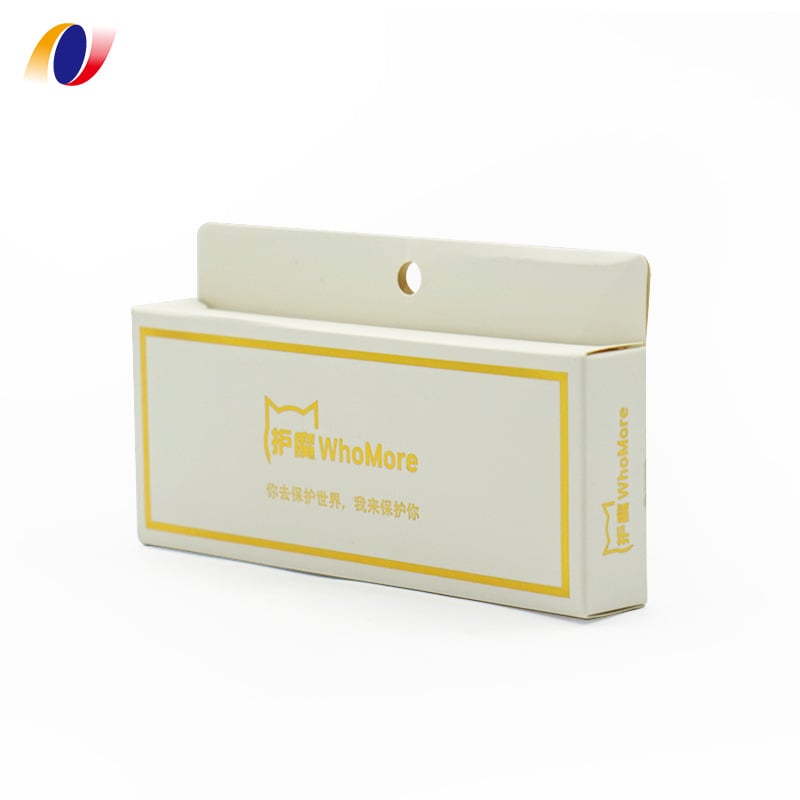
Custom packaging design represents far more than a protective wrapper for products—it serves as a strategic brand communication tool that directly influences consumer perception and purchasing decisions. The structural elements of custom packaging, from material selection to dimensional configuration, work together to create an immediate impression that can elevate or diminish brand value within seconds of consumer contact. Understanding how physical design choices translate into psychological brand associations enables businesses to leverage custom packaging as a powerful differentiator in competitive markets.
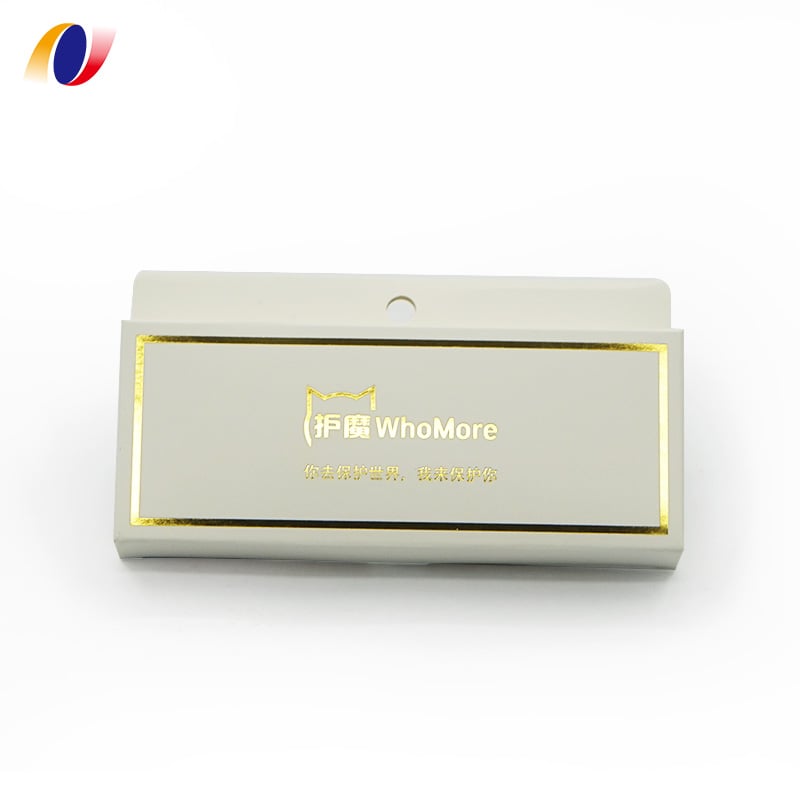
The relationship between structural design and brand perception operates through multiple sensory channels that consumers process both consciously and subconsciously. When customers interact with custom packaging, they immediately form judgments about product quality, brand sophistication, and company values based on tactile feedback, visual aesthetics, and functional performance. This complex interplay between physical structure and psychological response makes custom packaging design a critical component of brand strategy that extends far beyond mere product protection.
Structural Foundation Elements in Brand Communication
Material Selection and Perceived Quality
The choice of materials in custom packaging design directly correlates with consumer perceptions of product value and brand positioning. Premium substrates such as rigid cardboard, specialty papers, or sustainable materials communicate quality and attention to detail, while flimsy or inappropriate materials can undermine even the most sophisticated product offerings. The weight, texture, and durability of custom packaging materials create immediate tactile impressions that consumers associate with overall brand reliability.
Research demonstrates that consumers consistently link heavier, more substantial packaging materials with higher-quality products and premium pricing expectations. This psychological connection operates independently of actual product quality, highlighting how custom packaging structure influences purchasing behavior through perceived value associations. Companies investing in appropriate material selection for their custom packaging often see improved customer satisfaction and increased willingness to pay premium prices.
The environmental implications of material choices also contribute significantly to brand perception in modern markets. Custom packaging utilizing recycled content, biodegradable materials, or sustainably sourced substrates communicates corporate responsibility and environmental awareness. These structural decisions resonate particularly strongly with environmentally conscious consumers who increasingly factor sustainability into purchasing decisions and brand loyalty considerations.
Dimensional Proportion and Visual Impact
The dimensional characteristics of custom packaging create visual hierarchy and brand presence that directly influences shelf impact and consumer attention. Proportional relationships between height, width, and depth affect how products appear in retail environments and how consumers perceive size value relationships. Well-proportioned custom packaging design maximizes visual impact while efficiently utilizing materials and shipping space.
Structural dimensions also communicate brand personality through their adherence to or departure from category conventions. Conservative, traditional brands often utilize established dimensional norms that signal reliability and familiarity, while innovative brands may deliberately challenge conventional proportions to create distinctiveness and modernity. The strategic manipulation of custom packaging dimensions enables brands to position themselves effectively within their competitive landscape.
Dimensional optimization in custom packaging also affects practical considerations such as storage efficiency, shipping costs, and retail display effectiveness. Packages that stack efficiently, fit standard shipping containers, or display attractively on store shelves provide functional advantages that support brand perception through improved availability and presentation consistency across multiple touchpoints.
Functional Design Features and Brand Trust
Opening Mechanisms and User Experience
The structural design of opening mechanisms in custom packaging significantly influences consumer perception of brand thoughtfulness and user-centricity. Intuitive, smooth opening experiences create positive emotional associations with the brand, while difficult or frustrating opening mechanisms can generate negative impressions that persist beyond the initial interaction. Custom packaging design must balance security requirements with accessibility to optimize user experience.
Advanced closure systems such as magnetic closures, ribbon pulls, or innovative tear strips communicate attention to detail and premium positioning. These structural elements demonstrate brand investment in customer experience and often justify higher price points through perceived added value. The tactile satisfaction of well-designed opening mechanisms contributes to unboxing experiences that customers share through social media and word-of-mouth recommendations.
Resealable features and reusable structural elements in custom packaging design extend brand interaction beyond initial purchase and consumption. Packages designed for multiple uses or long-term storage create ongoing brand presence in consumer environments while demonstrating environmental responsibility through extended product lifecycle. These functional considerations strengthen brand relationships through repeated positive interactions.
Protection Integration and Quality Assurance
The protective capabilities built into custom packaging structure directly reflect brand commitment to product integrity and customer satisfaction. Structural elements such as internal cushioning, moisture barriers, or shock-absorbing features communicate brand understanding of customer needs and product vulnerability. Effective protection design prevents damage-related complaints and returns while maintaining positive brand perception through consistent product quality delivery.
Visible protection features in custom packaging design also serve as quality signals that influence pre-purchase decision-making. Consumers often interpret robust protective structures as indicators of valuable or fragile products worthy of careful handling and premium pricing. The visual communication of protection through structural design elements supports brand positioning and justifies pricing strategies.
Custom packaging protection systems must balance effectiveness with efficiency to maintain cost competitiveness while delivering expected quality assurance. Over-engineered protection can suggest excessive costs passed to consumers, while inadequate protection risks product damage and brand reputation harm. Optimal protection integration demonstrates brand competence in understanding customer needs and market requirements.
Aesthetic Structure Elements and Emotional Connection
Surface Treatment and Tactile Branding
Surface treatments applied to custom packaging structures create immediate tactile impressions that contribute significantly to brand perception and emotional engagement. Texture variations such as embossing, debossing, or specialty coatings provide sensory differentiation that distinguishes brands from competitors while creating memorable interaction experiences. These structural surface modifications communicate sophistication and attention to detail that consumers associate with premium brand positioning.
The psychological impact of tactile sensations in custom packaging design operates through subconscious associations between texture and quality perceptions. Smooth, refined surfaces suggest precision and modernity, while textured or organic finishes communicate authenticity and craftsmanship. Strategic surface treatment selection enables brands to align tactile experiences with desired brand personality and target audience preferences.
Durability considerations for surface treatments in custom packaging affect long-term brand impression maintenance. Treatments that wear poorly or deteriorate during handling create negative quality perceptions that can override initial positive impressions. Successful surface treatment integration requires balancing aesthetic impact with practical performance across expected usage scenarios and environmental conditions.
Structural Geometry and Brand Personality
The geometric characteristics of custom packaging structures communicate brand personality through visual language that consumers interpret intuitively. Angular, precise geometries suggest technological advancement and modern efficiency, while curved, organic forms communicate warmth and approachability. These structural choices enable brands to position themselves appropriately within their target market's aesthetic preferences and cultural associations.
Innovative structural geometries in custom packaging can create distinctive brand recognition while challenging category conventions. Unique folding patterns, unconventional shapes, or creative space utilization demonstrate brand creativity and innovation while potentially creating viral marketing opportunities through social media sharing. However, geometric innovation must remain functional to avoid compromising practical utility.
The scalability of geometric design elements across different product lines and package sizes requires careful consideration in custom packaging development. Structural geometries that work effectively across multiple applications provide brand consistency while enabling efficient production and inventory management. This consistency strengthens brand recognition and reinforces brand values across diverse product offerings.
Market Positioning Through Structural Innovation
Category Differentiation Strategies
Custom packaging structure serves as a primary vehicle for category differentiation by challenging established conventions and creating distinctive shelf presence. Brands can leverage structural innovation to separate themselves from commodity competition while establishing unique positioning that justifies premium pricing. Successful differentiation through custom packaging requires understanding category norms and strategically departing from them in meaningful ways.
Structural differentiation strategies must align with brand values and target customer preferences to achieve desired market positioning. Innovation for its own sake can confuse consumers or create functional disadvantages that outweigh aesthetic benefits. Effective custom packaging differentiation balances novelty with practical utility while maintaining clear communication of brand benefits and values.
The sustainability of structural differentiation in custom packaging depends on its defensibility against competitive imitation and its scalability across product lines. Successful differentiation creates competitive advantages that extend beyond initial novelty while establishing brand territories that competitors find difficult to replicate effectively.
Premium Positioning Through Design Excellence
Custom packaging design excellence communicates premium brand positioning through multiple structural elements that collectively create luxury perception and justify higher pricing. Attention to detail in tolerances, joint construction, and finish quality demonstrates brand commitment to excellence that consumers associate with superior product quality. These subtle but important structural refinements separate premium brands from mass market competitors.
The investment level visible in custom packaging structure signals brand confidence and market positioning that influences consumer willingness to pay premium prices. High-quality materials, precision manufacturing, and sophisticated design elements communicate brand seriousness and market leadership while creating customer experiences that justify premium pricing strategies.
Premium positioning through custom packaging must remain authentic to brand values and product quality to maintain credibility and customer satisfaction. Mismatched packaging quality and product quality creates customer disappointment and can damage brand reputation more severely than simpler, honest packaging presentations.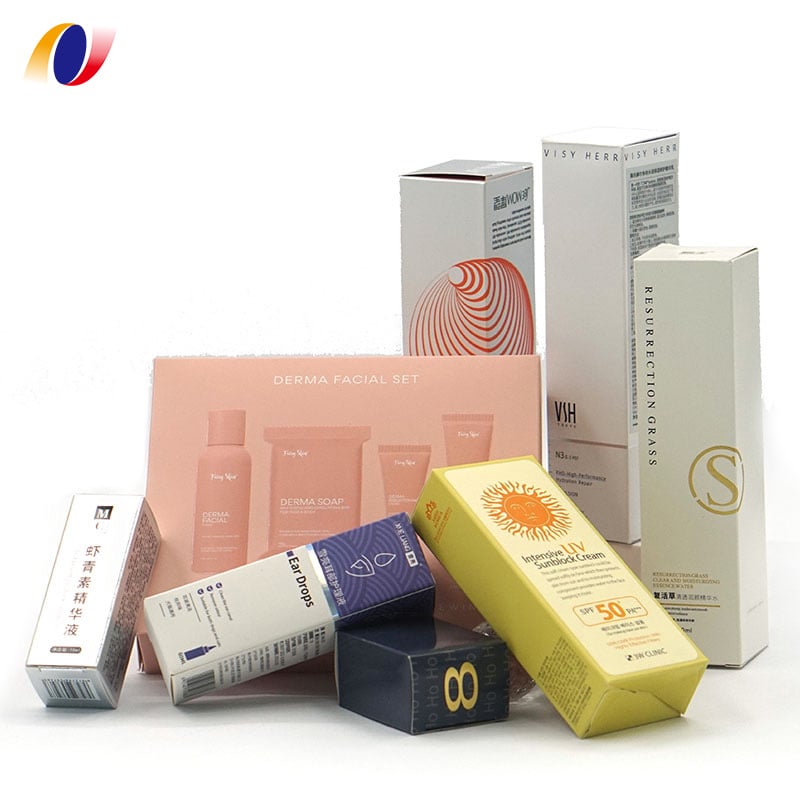
FAQ
How does custom packaging structure influence consumer purchasing decisions?
Custom packaging structure influences purchasing decisions through immediate visual and tactile impressions that consumers interpret as quality indicators. The weight, materials, and construction quality of packaging create subconscious associations with product value that affect willingness to pay and brand preference. Studies show that consumers consistently associate well-designed custom packaging with higher product quality, even when actual product characteristics remain identical across different packaging presentations.
What structural elements in custom packaging most effectively communicate premium brand positioning?
Premium brand positioning through custom packaging relies most heavily on material quality, construction precision, and innovative functional features that demonstrate attention to detail. Rigid substrates, smooth opening mechanisms, and sophisticated surface treatments create tactile experiences that consumers associate with luxury and quality. The integration of multiple premium structural elements creates cumulative impression effects that justify higher pricing and strengthen brand perception more effectively than individual features alone.
How can sustainable materials in custom packaging structure support positive brand perception?
Sustainable materials in custom packaging structure support positive brand perception by demonstrating corporate responsibility and environmental awareness that resonates with increasingly conscious consumers. Recycled content, biodegradable substrates, and responsibly sourced materials communicate brand values that extend beyond product functionality to include social and environmental considerations. This alignment with consumer values strengthens brand loyalty and can justify premium pricing while creating competitive differentiation in environmentally conscious market segments.
What role does packaging dimension optimization play in brand success?
Packaging dimension optimization plays a crucial role in brand success by affecting shipping efficiency, retail presentation, and consumer perception of value. Well-proportioned custom packaging maximizes shelf impact while minimizing material costs and shipping expenses, creating competitive advantages that support profitability and market presence. Optimal dimensions also ensure consistent brand presentation across different retail environments while enabling efficient inventory management and distribution logistics.
Table of Contents
- Structural Foundation Elements in Brand Communication
- Functional Design Features and Brand Trust
- Aesthetic Structure Elements and Emotional Connection
- Market Positioning Through Structural Innovation
-
FAQ
- How does custom packaging structure influence consumer purchasing decisions?
- What structural elements in custom packaging most effectively communicate premium brand positioning?
- How can sustainable materials in custom packaging structure support positive brand perception?
- What role does packaging dimension optimization play in brand success?