
 EN
EN
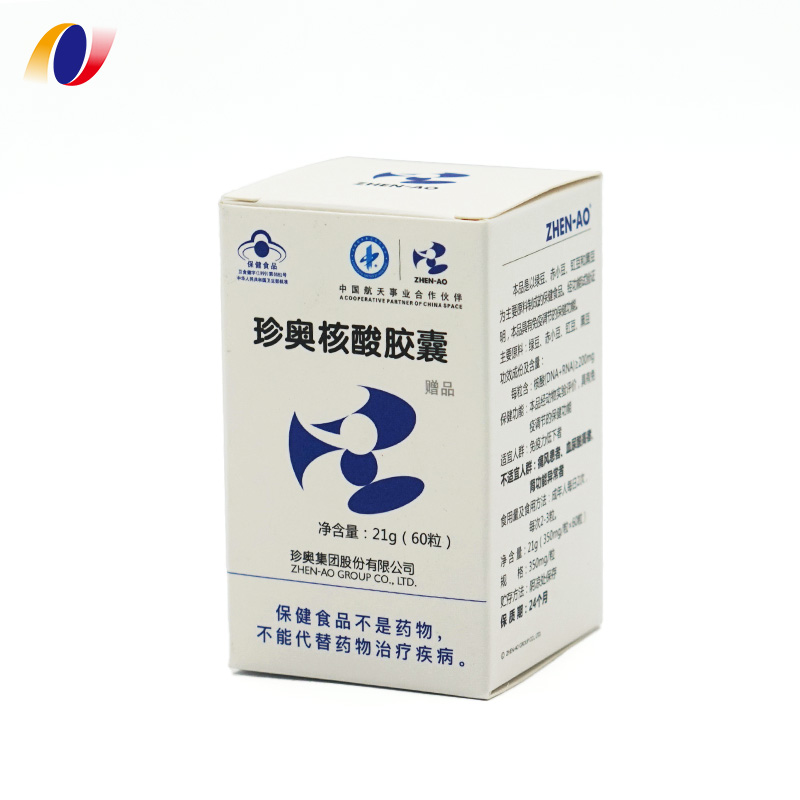
Understanding the true cost structure of custom packaging extends far beyond the raw materials that form the foundation of your packaging solution. While material expenses often represent the most visible component of custom packaging investments, numerous hidden factors significantly influence the total project cost and long-term value proposition for businesses seeking tailored packaging solutions.
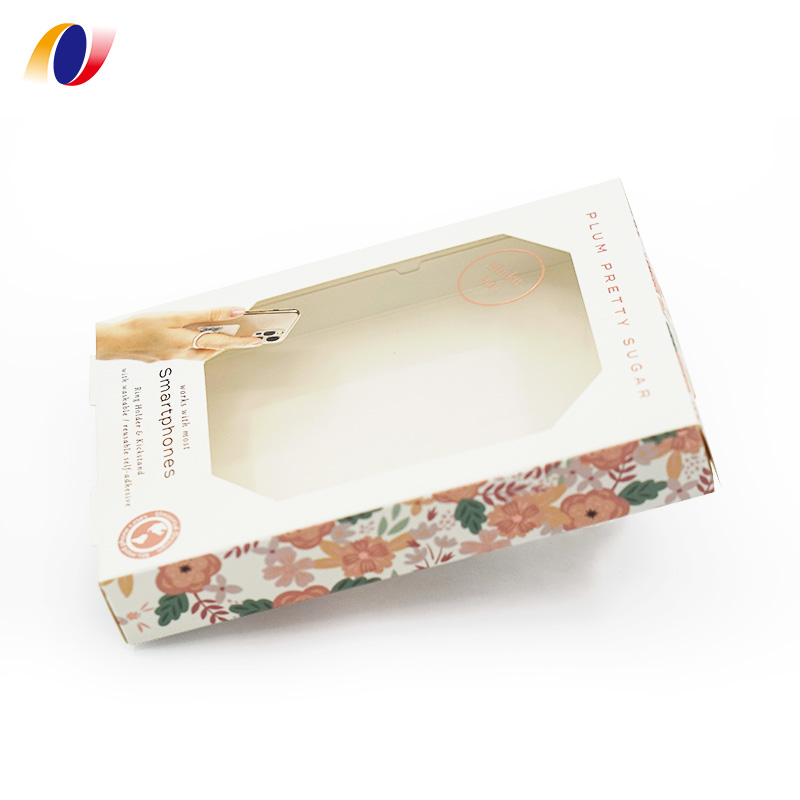
The complexity of custom packaging cost structures reflects the intricate balance between design sophistication, production requirements, market positioning, and operational efficiency. Companies investing in custom packaging solutions must navigate multiple cost drivers that collectively determine the financial commitment required to achieve their packaging objectives and competitive positioning in the marketplace.
Design Development and Engineering Costs
Initial Concept Creation and Prototyping
The design development phase of custom packaging represents a substantial upfront investment that directly influences both aesthetic appeal and functional performance. Professional design teams must translate brand vision into practical packaging solutions, requiring extensive research, conceptualization, and iterative refinement to achieve optimal results.
Prototype development costs encompass multiple iterations of physical samples, allowing businesses to evaluate structural integrity, visual impact, and user experience before committing to full production runs. These prototype expenses vary significantly based on complexity, material specifications, and the number of design variations explored during the development process.
Custom packaging design often requires specialized software, advanced modeling capabilities, and expert knowledge of manufacturing constraints, all contributing to higher development costs compared to standard packaging options. The investment in professional design services ensures that the final custom packaging solution aligns with brand standards and meets functional requirements.
Technical Specification and Engineering Requirements
Engineering specifications for custom packaging demand precise calculations for structural integrity, dimensional accuracy, and compatibility with automated packaging equipment. These technical requirements often necessitate specialized expertise and additional testing phases to validate performance under various conditions.
The complexity of custom packaging engineering increases substantially when products require specific protection levels, temperature resistance, or compliance with industry regulations. Each additional technical requirement introduces new cost factors that must be evaluated against the intended application and performance expectations.
Advanced engineering features such as tamper-evident mechanisms, child-resistant closures, or specialized dispensing systems require significant development investment but provide essential functionality that justifies the additional cost for many custom packaging applications.
Production Setup and Manufacturing Infrastructure
Tooling and Die Creation Expenses
Custom packaging production requires specialized tooling, dies, and molds that are specifically manufactured for each unique design configuration. These tooling costs represent significant upfront investments that must be amortized across production volumes to achieve acceptable per-unit economics.
The precision required for high-quality custom packaging often demands advanced tooling technologies and premium materials for die construction, increasing initial setup costs but ensuring consistent quality throughout production runs. Tool maintenance and replacement schedules also contribute to ongoing manufacturing expenses.
Complex custom packaging designs may require multiple tooling setups for different production stages, multiplying the initial investment required to establish manufacturing capability. These costs must be carefully evaluated against projected production volumes and expected product lifecycle duration.
Manufacturing Process Optimization
Custom packaging production often requires specialized manufacturing processes that differ significantly from standard packaging production lines. Equipment modifications, operator training, and process optimization contribute substantial costs that extend beyond basic material and labor expenses.
Quality control systems for custom packaging typically involve more rigorous inspection procedures and specialized testing equipment to ensure consistency with design specifications. These enhanced quality assurance measures increase production costs but provide essential verification of performance standards.
Production efficiency optimization for custom packaging requires careful analysis of workflow, material handling, and equipment utilization to minimize waste and maximize throughput while maintaining quality standards throughout the manufacturing process.
Brand Integration and Marketing Value
Brand Differentiation Investment
The brand differentiation value delivered by custom packaging justifies significant investment premiums over standard packaging alternatives. This differentiation encompasses visual identity, tactile experience, and emotional connection that directly influences consumer perception and purchasing behavior.
Premium custom packaging solutions create powerful marketing tools that communicate brand values, quality positioning, and product differentiation without requiring additional advertising expenditure. The packaging itself becomes a marketing vehicle that delivers value beyond its primary protective function.
Market research consistently demonstrates that distinctive custom packaging influences consumer perception of product value, justifying higher price points and improving profit margins that offset the additional packaging investment over time.
Consumer Experience Enhancement
Custom packaging investments focus significantly on enhancing the consumer unboxing experience, creating memorable interactions that drive brand loyalty and encourage social media sharing. This experiential value represents a quantifiable return on packaging investment through improved customer retention and organic marketing.
The psychological impact of well-designed custom packaging extends beyond the initial purchase, influencing repurchase decisions and brand recommendation behavior among consumers who associate quality packaging with superior product value.
Functional improvements in custom packaging, such as easier opening mechanisms, reusable designs, or enhanced protection, provide practical value that customers appreciate and remember, contributing to long-term brand loyalty and competitive advantage.
Supply Chain and Logistics Considerations
Inventory Management and Storage
Custom packaging inventory management requires more sophisticated planning and storage solutions compared to standard packaging options. The unique specifications and potentially longer lead times for custom packaging create inventory challenges that add complexity and cost to supply chain operations.
Storage requirements for custom packaging often demand specialized handling procedures and climate-controlled environments to maintain quality standards, particularly for packaging incorporating premium materials or sensitive components that require careful preservation.
Minimum order quantities for custom packaging typically exceed those of standard alternatives, requiring larger inventory investments and more careful demand forecasting to avoid excess stock or production shortages that could disrupt operations.
Shipping and Distribution Efficiency
Custom packaging design optimization can significantly impact shipping costs through improved space utilization, weight reduction, and protection efficiency. Well-designed custom packaging solutions often deliver transportation cost savings that partially offset higher packaging expenses.
The dimensional optimization possible with custom packaging allows for more efficient palletization and container utilization, reducing per-unit shipping costs while improving product protection during transportation and storage.
Custom packaging solutions can incorporate features that streamline distribution center operations, such as standardized dimensions for automated handling systems or integrated labeling areas that reduce processing time and labor costs.
Regulatory Compliance and Testing
Industry-Specific Certification Requirements
Many industries require custom packaging to meet specific regulatory standards that add substantial testing and certification costs to the development process. These compliance requirements vary by industry, product type, and target markets, creating complex cost structures that must be carefully evaluated.
Food-grade custom packaging requires extensive testing for material safety, migration limits, and contamination prevention, while pharmaceutical packaging must meet stringent sterility and stability requirements that add significant cost to the development process.
International market access often requires custom packaging to comply with multiple regulatory frameworks simultaneously, multiplying testing and certification costs while extending development timelines and increasing overall investment requirements.
Quality Assurance and Performance Validation
Custom packaging performance validation requires comprehensive testing programs that evaluate structural integrity, environmental resistance, and compatibility with intended products under various conditions that simulate real-world usage scenarios.
Accelerated aging tests, drop tests, compression tests, and environmental exposure studies are standard requirements for custom packaging validation, each adding cost but providing essential performance verification before market introduction.
Ongoing quality monitoring systems for custom packaging production require sophisticated measurement equipment and trained personnel to ensure consistent compliance with established performance standards throughout the product lifecycle.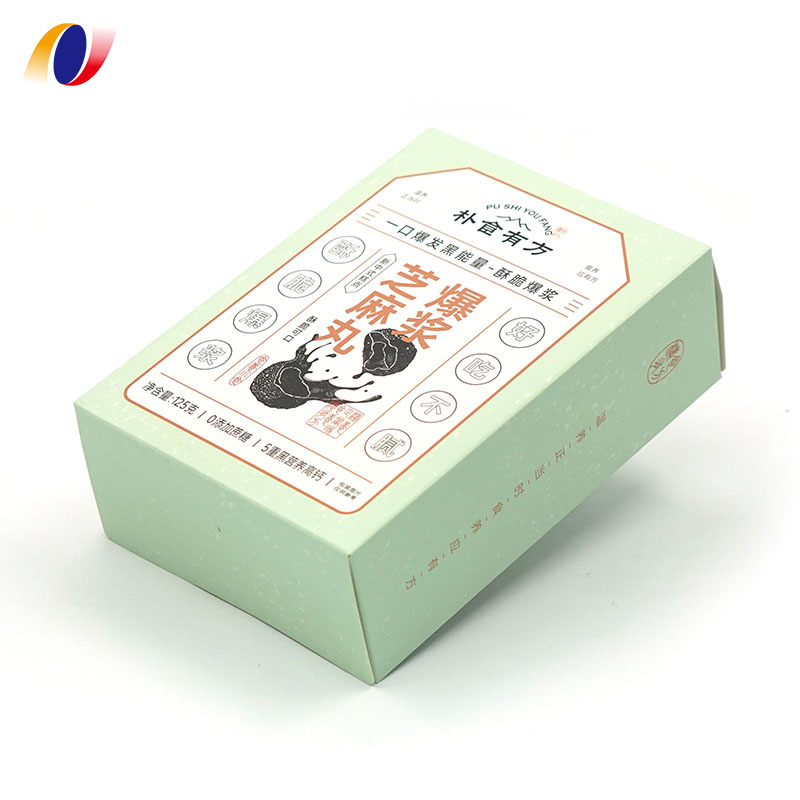
FAQ
What percentage of custom packaging costs typically goes beyond raw materials?
Non-material costs typically account for 40-60% of total custom packaging investment, including design development, tooling, setup, compliance testing, and operational considerations. The exact percentage varies significantly based on complexity, volume, and specific requirements, but material costs rarely represent the majority of total investment in sophisticated custom packaging solutions.
How do minimum order quantities affect custom packaging cost structure?
Minimum order quantities for custom packaging significantly impact per-unit economics by spreading fixed costs like tooling, setup, and design development across larger production runs. Higher minimum quantities generally reduce per-unit costs but increase total investment requirements and inventory carrying costs, requiring careful balance between unit economics and cash flow considerations.
Can custom packaging investment deliver measurable return on investment?
Well-designed custom packaging frequently delivers measurable ROI through premium pricing opportunities, reduced shipping costs, improved brand recognition, and enhanced customer loyalty. Studies indicate that distinctive packaging can support 10-15% price premiums while reducing transportation costs by 15-25% through optimized dimensions and protection efficiency.
What factors most significantly influence custom packaging cost variations?
Design complexity, production volume, material specifications, and regulatory requirements represent the primary cost drivers for custom packaging projects. Secondary factors include geographic location, supplier capabilities, timeline constraints, and special features like security elements or sustainable materials that can substantially impact total investment requirements.