
 EN
EN
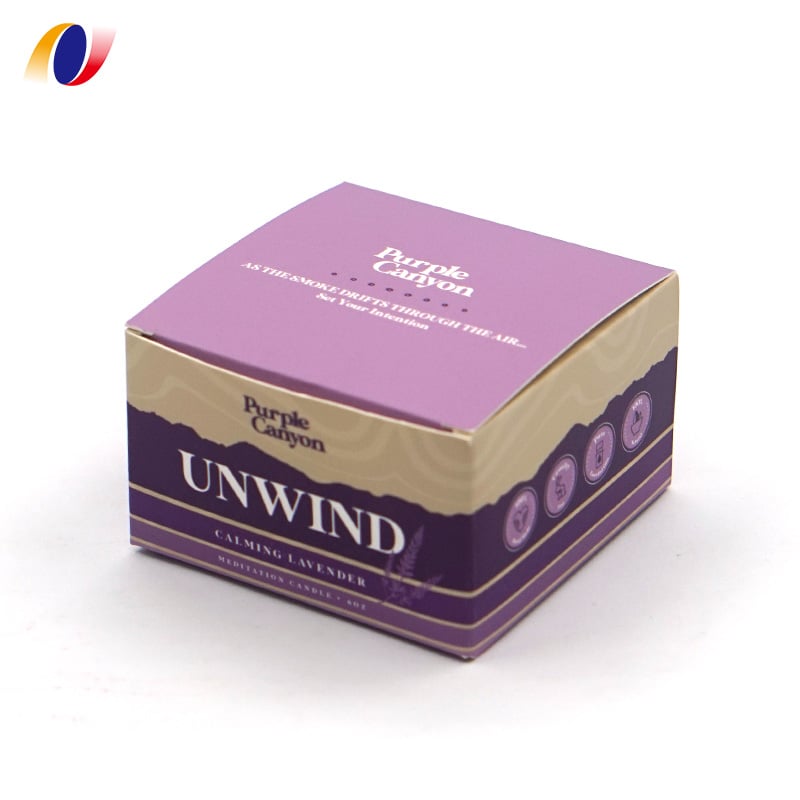
Custom packaging production involves numerous stages and variables that can significantly impact project timelines, often extending delivery schedules beyond initial estimates. Understanding these time-consuming factors is crucial for businesses planning product launches, marketing campaigns, or inventory restocking that depends on specialized packaging solutions.
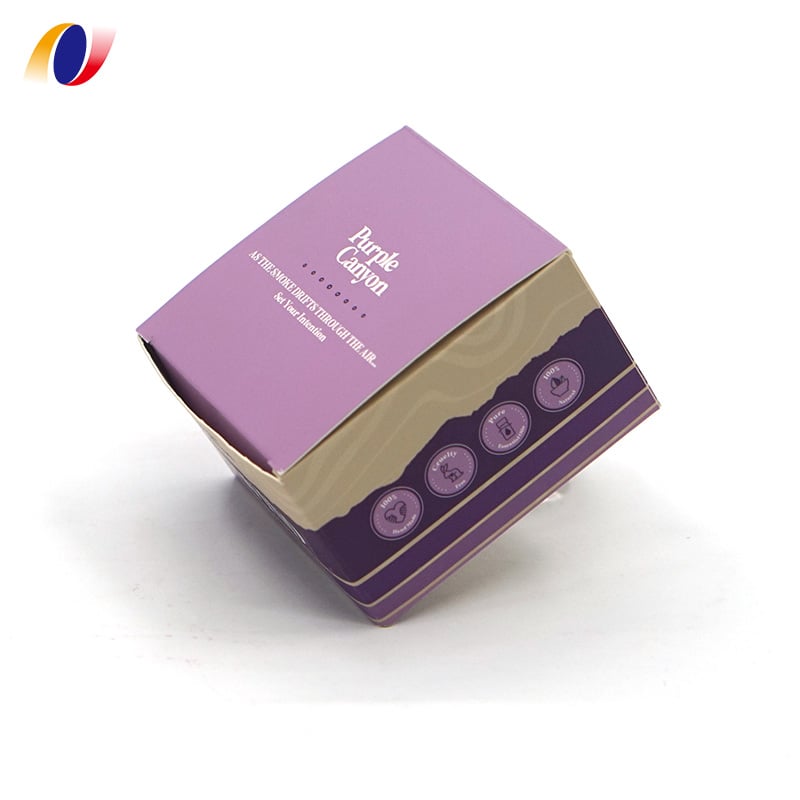
The complexity of custom packaging production stems from its bespoke nature, where each project requires individualized attention, specialized tooling, and quality validation processes that standard packaging simply doesn't require. From initial concept development through final delivery, multiple bottlenecks can emerge that extend production timelines, making it essential for procurement teams and brand managers to identify and plan for these potential delays.
Design Development and Approval Cycles
Initial Concept Creation and Refinement
The design phase represents one of the most significant time investments in custom packaging production, often requiring multiple iterations before achieving the desired aesthetic and functional requirements. Professional designers must translate brand guidelines, product specifications, and marketing objectives into practical packaging designs that balance visual appeal with manufacturing feasibility.
Concept development typically involves creating initial sketches, digital mockups, and 3D renderings that allow stakeholders to visualize the final product. This process becomes particularly time-intensive when custom packaging projects involve complex structural designs, unique opening mechanisms, or multi-component assemblies that require extensive engineering consideration.
The refinement process often extends beyond aesthetic considerations to include functional testing, where designers must ensure the packaging adequately protects contents, fits within shipping constraints, and meets regulatory requirements specific to the product category and target markets.
Client Review and Revision Cycles
Client approval processes frequently represent the longest phase in custom packaging development, particularly when multiple stakeholders or approval layers are involved in decision-making. Marketing teams, product managers, legal departments, and executive leadership often require separate review periods, each potentially requesting modifications that necessitate design revisions.
The revision cycle can become particularly extended when clients request significant structural changes, color modifications, or text updates after initial approval, requiring designers to restart portions of the development process. Each revision round typically requires 3-5 business days for completion, followed by additional review periods that can stretch approval timelines considerably.
International projects often face additional delays when custom packaging designs must accommodate multiple languages, regional regulatory requirements, or cultural preferences that weren't initially considered in the original brief.
Technical Specification and Engineering Requirements
Structural Engineering and Die Creation
Custom packaging often requires specialized structural engineering to ensure the final product meets both aesthetic and functional requirements while remaining cost-effective to manufacture. Engineers must analyze material stress points, fold patterns, and assembly sequences to create packaging that withstands shipping stresses and provides optimal product protection.
Die creation represents a particularly time-intensive process, especially for custom packaging designs that incorporate intricate cutting patterns, embossing details, or unique structural elements. Manufacturing facilities must create precision cutting dies, embossing plates, and folding guides that can reproduce the design consistently across production runs.
The engineering phase becomes increasingly complex when custom packaging incorporates multiple materials, requires specialized assembly techniques, or includes integrated features like windows, handles, or security closures that demand additional tooling development.
Material Selection and Testing Validation
Material selection for custom packaging projects requires extensive testing to ensure compatibility with printing processes, structural requirements, and end-use conditions. Different substrate materials react differently to various printing techniques, adhesives, and finishing processes, requiring validation testing that can extend project timelines significantly.
Testing protocols often include drop tests, compression analysis, moisture resistance evaluation, and color stability assessment under various environmental conditions. These validation processes typically require 1-2 weeks to complete, depending on the complexity of the packaging design and the specific performance requirements.
Sustainable material options often require additional testing phases to verify compostability claims, recyclability performance, or biodegradation rates, particularly when custom packaging must meet specific environmental certifications or regulatory standards.
Production Setup and Manufacturing Considerations
Press Configuration and Color Matching
Production setup for custom packaging requires extensive press configuration to achieve accurate color reproduction, proper registration, and consistent quality across the entire print run. Color matching becomes particularly challenging when custom packaging designs incorporate specific brand colors, metallic inks, or specialty finishes that require precise calibration.
Press operators must create custom color profiles, adjust ink densities, and fine-tune registration settings to ensure each printed piece meets quality standards. This setup process typically requires 4-8 hours of dedicated press time, depending on the complexity of the design and the number of colors involved.
Specialty finishes like embossing, foil stamping, or UV coating require additional setup time as operators must align finishing equipment with printed elements, calibrate pressure settings, and conduct test runs to ensure proper application across the entire production run.
Quality Control and Inspection Protocols
Custom packaging production requires more rigorous quality control measures compared to standard packaging, as each design element must be validated against approved specifications. Quality inspectors must verify color accuracy, registration precision, structural integrity, and finishing quality throughout the production process.
Inspection protocols often include statistical sampling at multiple production stages, with operators pulling samples every 500-1000 pieces to verify consistency. Any quality deviations require production stops, equipment adjustments, and potential material waste that can extend delivery timelines considerably.
Final inspection processes typically require additional time for custom packaging projects, as inspectors must verify that all design elements, text accuracy, and structural components meet approved specifications before authorizing shipment to clients.
External Dependencies and Supply Chain Factors
Specialty Material Procurement
Custom packaging often requires specialty materials that aren't maintained in standard inventory, necessitating special orders from suppliers that can extend production timelines significantly. Unique substrates, specialty inks, or finishing materials may require 2-4 weeks lead time depending on supplier availability and minimum order quantities.
Import requirements for specialty materials can add additional delays, particularly when custom packaging designs specify materials from international suppliers that must clear customs, undergo quality inspections, or meet specific regulatory standards before use in production.
Material availability fluctuations, especially for eco-friendly or recycled content substrates, can force production delays or require design modifications to accommodate alternative materials that may have different printing characteristics or structural properties.
Third-Party Processing and Finishing
Many custom packaging projects require specialized finishing processes that must be performed by external vendors, creating additional coordination requirements and potential bottlenecks in the production timeline. Processes like foil stamping, embossing, die-cutting, or assembly often require shipping materials between multiple facilities.
Scheduling coordination with third-party processors becomes particularly challenging during peak seasons when finishing vendors may have extended lead times or limited capacity for rush orders. Each handoff between facilities typically adds 2-3 days to the overall timeline for transportation and processing setup.
Quality validation at each processing stage requires additional time for inspection, approval, and potential rework if any finishing elements don't meet specifications, particularly for complex custom packaging designs that incorporate multiple specialty processes.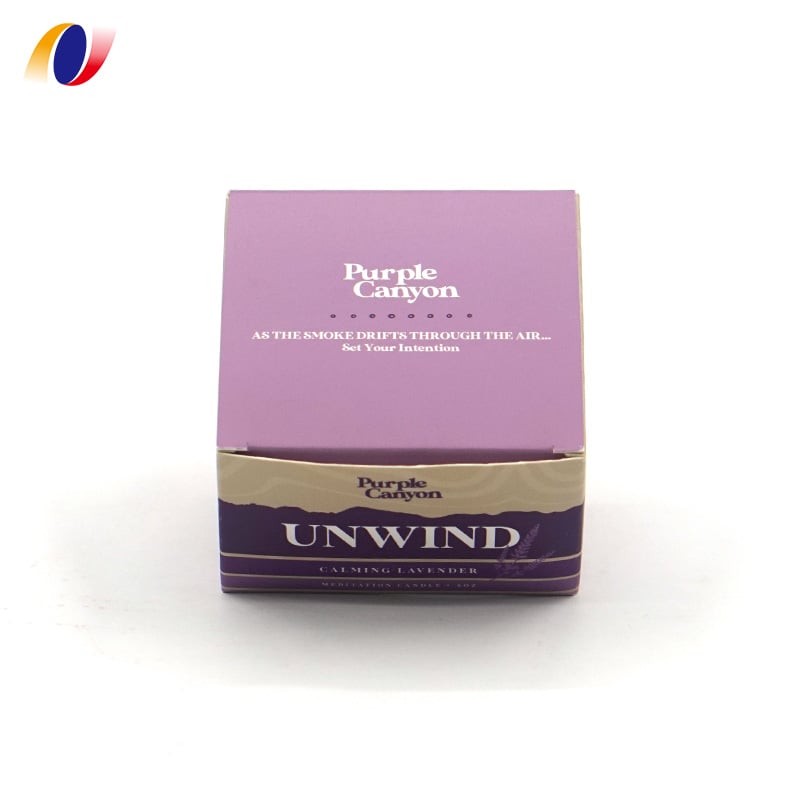
FAQ
How long does typical custom packaging production take from start to finish?
Custom packaging production typically requires 3-6 weeks from final design approval to delivery, though complex projects with multiple finishing processes or specialty materials can extend to 8-10 weeks. The timeline depends heavily on design complexity, material requirements, quantity ordered, and current production schedules at the manufacturing facility.
What's the biggest factor that delays custom packaging projects?
Client approval cycles represent the most common cause of delays in custom packaging production, particularly when multiple stakeholders require review time or when clients request significant design changes after initial approval. Material procurement for specialty substrates or finishing components represents the second most common delay factor.
Can rush orders reduce custom packaging production time?
Rush processing can reduce custom packaging timelines by 25-40% in many cases, though this typically requires premium pricing and may limit material options or finishing choices. Rush orders work best when designs are relatively simple and don't require specialty materials with extended lead times.
How can businesses minimize delays in custom packaging production?
Businesses can minimize custom packaging delays by finalizing all design approvals before production begins, selecting materials from standard inventory when possible, and maintaining clear communication channels with single-point approval authority to avoid extended revision cycles that extend project timelines unnecessarily.