
 EN
EN
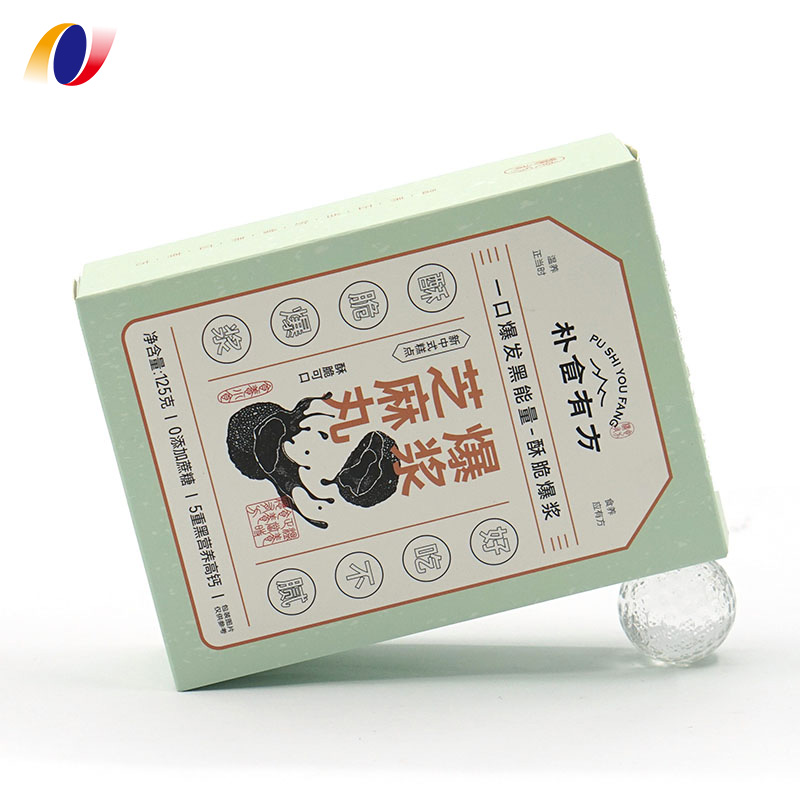
The moment a customer receives your product, the unboxing experience begins to shape their perception of your brand. Custom packaging serves as the critical bridge between your product and user satisfaction, yet many businesses underestimate how packaging fit directly influences the overall customer experience. When products move loosely inside oversized boxes or struggle to fit properly within tight containers, the entire user journey suffers from the very first interaction.
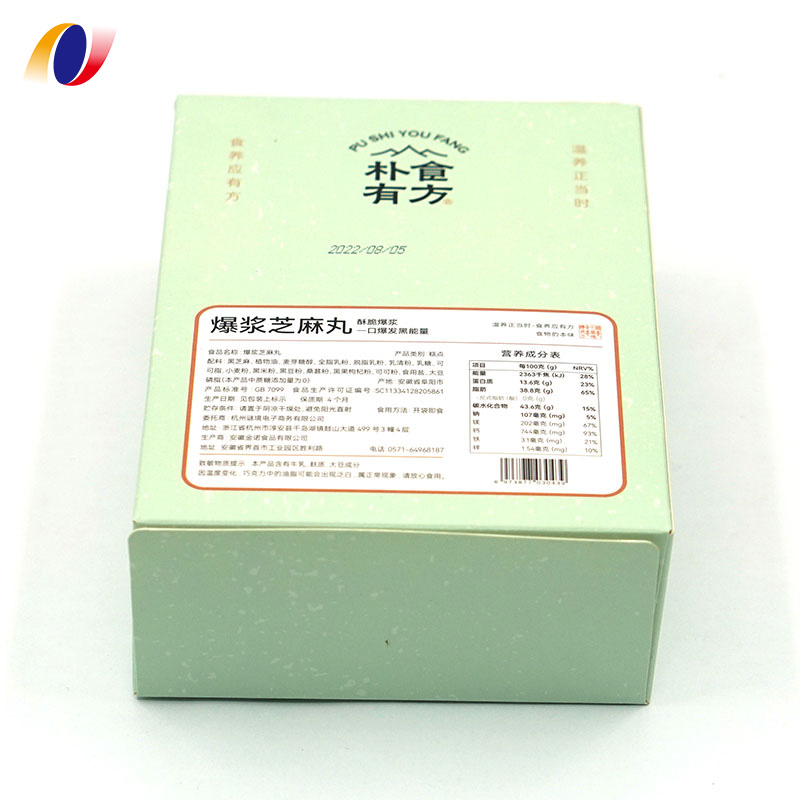
Understanding when packaging fit becomes a determining factor in user experience requires examining the intersection of product protection, presentation quality, and customer expectations. The precision of custom packaging dimensions affects everything from shipping costs and damage rates to brand perception and repeat purchase decisions. This relationship between fit and experience becomes particularly crucial in competitive markets where customer retention depends on exceeding expectations at every touchpoint.
The Critical Connection Between Packaging Fit and Customer Satisfaction
First Impression Formation Through Packaging Precision
Customer satisfaction begins the moment packaging arrives, and the fit quality immediately communicates your brand's attention to detail. When custom packaging fits products perfectly, customers perceive higher value and professional care in the entire purchase experience. Research shows that 52% of consumers are more likely to make repeat purchases when products arrive in premium packaging that demonstrates thoughtful design consideration.
The psychological impact of well-fitted packaging extends beyond mere aesthetics to create emotional connections with your brand. Customers associate precise packaging fit with product quality, reliability, and brand trustworthiness. This perception forms within seconds of opening the package, making the fit quality a crucial factor in establishing positive customer relationships from the initial interaction.
Professional custom packaging that fits products appropriately also reduces customer anxiety about product condition and authenticity. When items arrive securely positioned within properly sized containers, customers feel confident about their purchase decisions and develop positive associations with your brand's reliability standards.
Impact on Product Safety and Integrity
Proper packaging fit directly influences product safety during shipping and handling, which significantly affects user experience quality. When custom packaging dimensions match product requirements precisely, items remain secure throughout the delivery process, reducing damage rates and associated customer frustration. Ill-fitting packaging leads to movement during transit, resulting in scratches, dents, or complete product failure that destroys user satisfaction.
The relationship between fit and protection becomes particularly important for fragile or sensitive products that require specific positioning and cushioning. Custom packaging designed with exact product dimensions ensures optimal protection while maintaining cost efficiency. This precision prevents both under-protection that leads to damage and over-packaging that increases shipping costs without adding value.
Companies investing in properly fitted custom packaging report up to 40% reduction in product returns due to shipping damage. This improvement directly translates to enhanced customer experience, as recipients receive products in perfect condition, matching their expectations and eliminating the frustration of dealing with damaged goods or replacement procedures.
When Packaging Fit Becomes a Business-Critical Decision Factor
Market Positioning and Brand Perception Scenarios
The decision to prioritize packaging fit becomes business-critical when your brand positioning depends on premium customer experience delivery. Luxury brands, artisanal products, and high-value items require custom packaging that reflects their market position through precise fit and presentation quality. In these scenarios, packaging fit directly influences perceived value and justifies premium pricing strategies.
Companies operating in competitive markets where differentiation proves challenging find that superior packaging fit provides a tangible advantage over competitors using generic packaging solutions. When product features and pricing remain similar across brands, the unboxing experience becomes a key differentiator that influences customer loyalty and word-of-mouth recommendations.
E-commerce businesses particularly benefit from strategic packaging fit decisions, as the physical packaging represents their only tangible brand touchpoint with customers. Online retailers report that investing in properly fitted custom packaging increases customer retention rates by 25% compared to standard shipping boxes that compromise presentation quality.
Operational Efficiency and Cost Impact Considerations
Packaging fit becomes strategically important when shipping volumes reach levels where dimensional efficiency affects overall operational costs. Companies shipping thousands of units monthly find that optimized packaging fit reduces shipping expenses, warehouse space requirements, and handling complexity. The cumulative savings from improved fit often justify initial custom packaging development investments within six months.
The decision timing also depends on damage rate thresholds and their impact on customer service resources. When product returns due to shipping damage exceed 5% of total orders, investing in better-fitted custom packaging becomes financially compelling. The reduced customer service workload, replacement costs, and improved satisfaction scores create measurable return on investment.
Seasonal businesses and companies with fluctuating demand patterns must carefully time their packaging fit improvements to maximize impact. Implementing new custom packaging solutions before peak sales periods ensures maximum customer exposure and allows for iterative improvements based on real-world performance data.
Measuring the User Experience Impact of Packaging Fit Quality
Customer Feedback and Satisfaction Metrics
Quantifying how packaging fit affects user experience requires systematic collection of customer feedback focused specifically on unboxing and presentation quality. Companies implementing comprehensive feedback systems discover that packaging fit influences overall satisfaction scores by 15-30%, depending on product category and customer expectations. This measurement helps justify investments in improved custom packaging solutions.
Net Promoter Score (NPS) surveys that include packaging-specific questions reveal strong correlations between fit quality and customer advocacy. Customers receiving products in well-fitted custom packaging show 35% higher likelihood to recommend brands to others, indicating that packaging fit creates measurable word-of-mouth marketing value that extends beyond immediate transaction satisfaction.
Review analysis and social media monitoring provide additional insights into how packaging fit influences user experience perception. Customers frequently mention packaging quality in online reviews, with fit-related comments appearing in 60% of packaging-focused feedback. This organic customer commentary demonstrates the significant role packaging fit plays in overall experience evaluation.
Business Performance Indicators and ROI Measurement
Return rates serve as primary indicators of packaging fit effectiveness, with well-designed custom packaging reducing returns by 25-45% compared to generic alternatives. This reduction directly improves customer experience by eliminating the frustration and inconvenience associated with product returns and replacements. The cost savings from reduced returns often offset custom packaging investments within the first year.
Customer lifetime value (CLV) measurements show that proper packaging fit contributes to increased repeat purchase rates and higher order values over time. Companies tracking CLV by packaging type report 20% higher customer value from segments receiving optimized custom packaging compared to standard packaging recipients. This long-term impact justifies packaging fit as a strategic customer experience investment.
Shipping efficiency metrics including damaged package rates, customer complaints, and delivery satisfaction scores provide additional measurement frameworks for packaging fit effectiveness. These operational indicators help identify when packaging improvements generate measurable business results and guide future custom packaging development decisions.
Strategic Implementation of Fit-Optimized Custom Packaging Solutions
Design Process and Dimensional Optimization
Developing effective custom packaging begins with comprehensive product measurement and use case analysis to determine optimal fit requirements. Professional packaging designers consider product dimensions, weight distribution, fragility factors, and customer handling patterns when creating packaging solutions that balance protection with presentation quality. This systematic approach ensures that fit optimization serves both functional and experiential objectives.
The iterative design process involves prototyping multiple packaging configurations to test fit quality under various shipping conditions. Companies investing in thorough testing report 60% fewer fit-related issues compared to those implementing untested packaging solutions. This upfront investment in design validation prevents costly revisions and customer experience problems after full-scale implementation.
Material selection plays a crucial role in achieving optimal packaging fit while maintaining cost effectiveness and sustainability goals. Advanced custom packaging materials offer flexibility in achieving precise dimensions while providing adequate protection. The choice between rigid, semi-flexible, and adaptive packaging materials depends on specific product requirements and customer experience priorities.
Quality Control and Performance Monitoring
Implementing quality control systems ensures consistent packaging fit performance across production runs and maintains customer experience standards. Regular dimensional verification, fit testing protocols, and customer feedback integration help identify when packaging performance deviates from optimal levels. These systems prevent gradual quality degradation that could compromise user experience over time.
Performance monitoring includes tracking shipping damage rates, customer satisfaction scores, and operational efficiency metrics related to packaging fit. Companies maintaining comprehensive monitoring systems can quickly identify and address fit-related issues before they significantly impact customer experience. This proactive approach maintains consistent user experience quality and protects brand reputation.
Continuous improvement processes incorporate customer feedback, shipping data, and operational insights to refine custom packaging fit over time. Regular performance reviews and design updates ensure that packaging solutions evolve with changing product requirements, customer expectations, and market conditions while maintaining optimal user experience impact.
FAQ
How do I know when packaging fit is affecting my customer experience?
Monitor your return rates, customer reviews mentioning packaging, and direct feedback about unboxing experience. If more than 5% of returns relate to shipping damage or if customers frequently comment on loose-fitting or oversized packaging, fit quality is likely impacting user experience. Additionally, track customer satisfaction scores and repeat purchase rates, as these metrics often correlate with packaging quality perceptions.
What's the typical ROI timeline for investing in better-fitted custom packaging?
Most companies see positive ROI from improved custom packaging fit within 6-12 months through reduced return rates, lower shipping costs, and increased customer retention. The exact timeline depends on your shipping volume, current damage rates, and customer acquisition costs. High-volume shippers often achieve ROI faster due to the cumulative effect of dimensional efficiency and reduced handling costs.
Can packaging fit improvements work for small businesses with limited budgets?
Yes, small businesses can implement fit improvements incrementally by starting with their most popular or highest-value products. Consider working with custom packaging suppliers who offer lower minimum orders or modular design approaches. Even simple modifications like proper sizing and basic cushioning can significantly improve fit quality and customer experience without major upfront investments.
How does seasonal demand affect custom packaging fit decisions?
Seasonal businesses should implement new custom packaging solutions before peak periods to maximize customer exposure and gather performance data. Consider the lead times for packaging design and production when planning improvements. Holiday seasons often represent the best opportunities to test packaging fit improvements due to higher customer engagement and increased likelihood of social sharing and reviews.