Professional Hardcover Printing and Binding Services - Premium Book Manufacturing Solutions

Get a Free Quote

Our representative will contact you soon.
Email
Name
Company Name
Message
0/1000

hardcover printing and binding

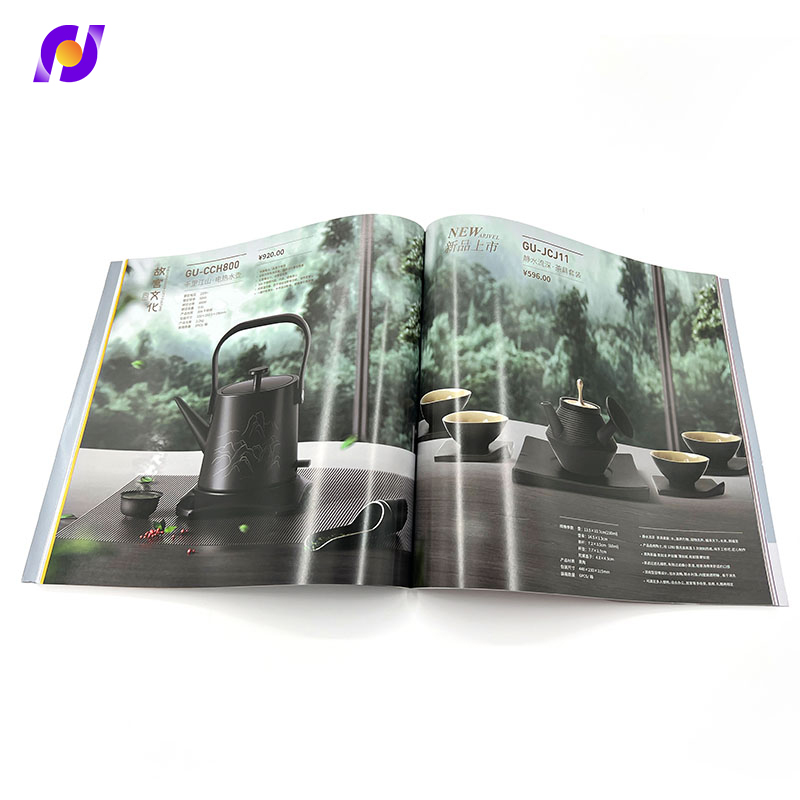
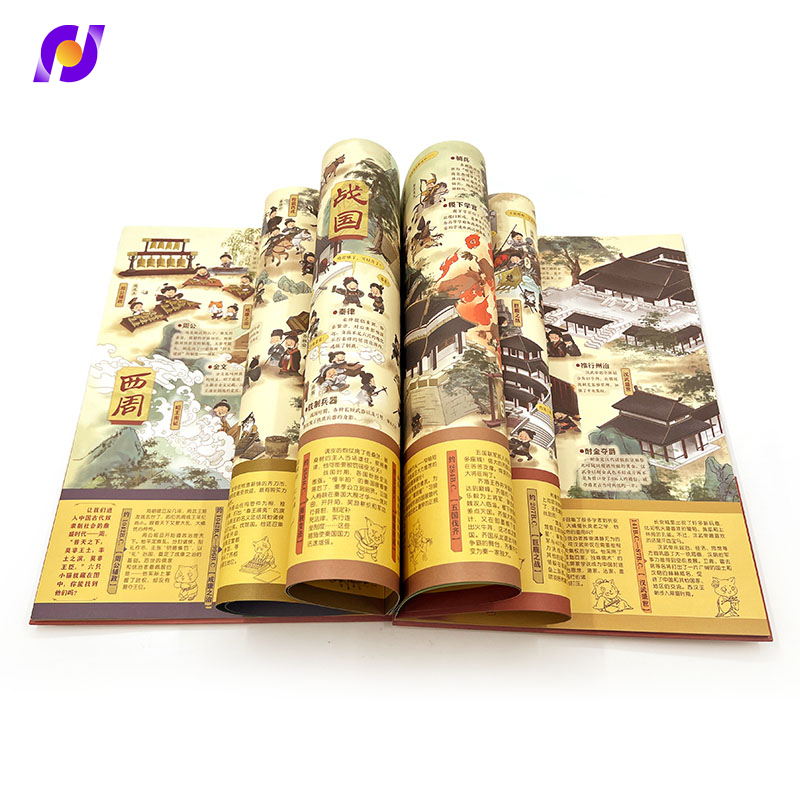
Hardcover printing and binding represents the pinnacle of book manufacturing excellence, combining sophisticated production techniques with premium materials to create durable, professional publications. This advanced printing method involves mounting printed signatures onto rigid boards, typically made from high-density chipboard or millboard, then covering them with decorative materials such as cloth, leather, or specialty papers. The hardcover printing and binding process begins with careful pre-press preparation, where digital files undergo thorough quality checks before being transferred to high-resolution printing equipment. Modern hardcover printing utilizes state-of-the-art offset lithography or digital printing technologies, ensuring exceptional color reproduction and crisp text clarity. The binding phase involves precise folding, gathering, and sewing of printed signatures using industrial-grade equipment that maintains perfect page alignment. Quality control measures throughout hardcover printing and binding guarantee consistent results, with automated systems monitoring color accuracy, registration, and binding integrity. The technological features of hardcover printing and binding include advanced color management systems, automated cutting and folding machinery, and precision binding equipment capable of handling various book sizes and thickness specifications. These systems support multiple finishing options, including dust jacket application, foil stamping, embossing, and UV coating applications. The applications for hardcover printing and binding span numerous industries and purposes, from educational textbooks and reference materials to corporate presentations, coffee table books, and commemorative publications. Libraries, publishers, corporations, and individuals choose hardcover printing and binding for projects requiring longevity, professional appearance, and enhanced perceived value. The process accommodates various paper weights, from lightweight text papers to heavy art papers, while maintaining structural integrity through proven binding techniques that have evolved over centuries of bookmaking tradition.

New Product Recommendations

Hardcover printing and binding offers remarkable durability that significantly extends the lifespan of printed materials compared to softcover alternatives. The rigid cover construction protects internal pages from wear, moisture, and physical damage, making these publications ideal for frequent handling and long-term storage. This enhanced protection translates directly into cost savings over time, as hardcover books maintain their structural integrity and readability for decades without requiring replacement. The professional appearance achieved through hardcover printing and binding immediately elevates the perceived value and credibility of any publication. The substantial feel and elegant presentation command attention and respect, making these publications perfect for corporate communications, academic publications, and premium marketing materials. Clients consistently report increased engagement rates when presenting information in hardcover format, as recipients perceive the content as more authoritative and valuable. The customization possibilities with hardcover printing and binding are virtually limitless, allowing for unique branding opportunities through cover materials, textures, colors, and finishing techniques. Foil stamping, embossing, debossing, and specialty coatings can be applied to create distinctive visual and tactile experiences that reinforce brand identity and message impact. These customization options enable organizations to create memorable publications that stand out in competitive markets and leave lasting impressions on target audiences. Quality control advantages inherent in hardcover printing and binding processes ensure consistent, professional results across entire print runs. Advanced manufacturing techniques minimize variations in color, alignment, and finishing, delivering publications that meet exacting standards. The binding strength achieved through sewn signatures and reinforced spine construction prevents page separation and maintains book integrity even under heavy use. Storage and shipping benefits make hardcover printing and binding particularly attractive for distribution-intensive projects. The protective cover reduces damage during transit and storage, minimizing replacement costs and customer satisfaction issues. The flat, stackable design facilitates efficient warehousing and inventory management, while the professional appearance eliminates concerns about product presentation quality. Environmental considerations favor hardcover printing and binding through extended product lifecycles that reduce waste and replacement frequency. The ability to refurbish and rebind hardcover publications further extends their useful life, supporting sustainability initiatives while maintaining cost effectiveness for organizations committed to responsible resource management.

Practical Tips

【B2B Printing Guide】What Are Custom Printing Services? 5 Key Processes Explained and Business Applications

13

Jan

【B2B Printing Guide】What Are Custom Printing Services? 5 Key Processes Explained and Business Applications

View More
How to Choose the Right Printing Process for Your Business? A Comprehensive Decision Guide from Offset to Digital Printing

13

Jan

How to Choose the Right Printing Process for Your Business? A Comprehensive Decision Guide from Offset to Digital Printing

View More
The Complete Process of Company Brochure Printing Revealed: 7 Steps to Professional Results from File Preparation to Final Delivery

13

Jan

The Complete Process of Company Brochure Printing Revealed: 7 Steps to Professional Results from File Preparation to Final Delivery

View More

Get a Free Quote

Our representative will contact you soon.
Email
Name
Company Name
Message
0/1000

hardcover printing and binding

Superior Durability and Longevity Protection

Superior Durability and Longevity Protection

The exceptional durability provided by hardcover printing and binding stems from its robust construction methodology that combines multiple protective layers to safeguard valuable content for extended periods. The foundation of this durability begins with the rigid board construction, typically utilizing high-density chipboard or millboard materials that resist warping, bending, and crushing forces that would easily damage softcover publications. This structural integrity proves particularly valuable for reference materials, textbooks, and archival documents that require frequent access while maintaining pristine condition over years of use. The hardcover printing and binding process incorporates reinforced spine construction that distributes stress evenly across the entire book structure, preventing the common failure points associated with perfect binding methods used in paperback production. Professional bookbinders employ time-tested techniques such as Smyth sewing, where individual signatures are sewn together with strong thread, creating a flexible yet secure binding that allows pages to lay flat when opened while maintaining permanent attachment to the book block. The protective cover materials used in hardcover printing and binding, whether cloth, leather, or specialty papers, provide an additional barrier against environmental hazards including moisture, dirt, oils, and abrasion that can degrade book content over time. Advanced coating applications and lamination processes further enhance this protection, creating surfaces that can be easily cleaned and maintained without compromising the underlying materials. Quality hardcover printing and binding includes features such as head and tail bands, decorative elements that also serve functional purposes by reinforcing the spine attachment points where books experience the most stress during handling. The endsheet construction, where heavy paper stocks are adhered to both the cover boards and book block, creates additional structural integrity while providing elegant interior presentation that enhances the overall reading experience. This comprehensive approach to protective construction ensures that documents produced through hardcover printing and binding maintain their functionality and appearance far longer than alternatives, making them ideal investments for materials intended for long-term use, frequent reference, or archival preservation purposes.
Enhanced Professional Image and Perceived Value

Enhanced Professional Image and Perceived Value

The professional presentation achieved through hardcover printing and binding immediately transforms any publication into a premium communication tool that commands respect and attention from target audiences. This enhanced professional image stems from the substantial physical presence of hardcover books, which convey authority, permanence, and quality through their tactile and visual characteristics. When recipients handle publications produced through hardcover printing and binding, they immediately perceive higher value and importance, leading to increased engagement rates and more serious consideration of the presented content. Research consistently demonstrates that hardcover publications receive significantly more attention and retention compared to their softcover counterparts, making them invaluable tools for critical business communications, academic publications, and marketing initiatives where message impact directly affects success outcomes. The customization capabilities inherent in hardcover printing and binding processes enable organizations to create distinctive publications that reinforce brand identity while maintaining professional standards. Premium finishing options such as foil stamping allow for elegant metallic accents that catch light and draw attention, while embossing and debossing techniques create tactile experiences that engage multiple senses and create memorable interactions with brand materials. These sophisticated finishing techniques, when applied through professional hardcover printing and binding services, transform ordinary communications into extraordinary brand ambassadors that reflect organizational quality and attention to detail. The spine presentation advantages of hardcover printing and binding prove particularly valuable for publications intended for library or reference use, where professional appearance on shelves contributes to institutional credibility and user confidence in content quality. The ability to incorporate dust jackets in hardcover printing and binding projects provides additional opportunities for eye-catching graphics and protective functionality while maintaining the elegant simplicity of the underlying hardcover design. Corporate presentations, annual reports, and strategic planning documents benefit enormously from the gravitas provided by hardcover printing and binding, as stakeholders, investors, and decision-makers associate the premium presentation format with serious, well-researched content deserving careful consideration. Educational institutions leverage hardcover printing and binding for thesis publications, commemorative volumes, and institutional histories that represent their academic excellence and commitment to scholarly achievement, creating lasting impressions that extend far beyond initial publication dates.
Versatile Customization and Finishing Options

Versatile Customization and Finishing Options

The remarkable flexibility offered by hardcover printing and binding in terms of customization and finishing options enables creators to produce truly unique publications that perfectly align with specific aesthetic, functional, and branding requirements. This versatility begins with an extensive selection of cover materials ranging from traditional book cloth in numerous colors and textures to genuine leather, synthetic alternatives, and specialty papers that provide distinct visual and tactile characteristics. Each material option in hardcover printing and binding brings unique properties and presentation possibilities, allowing publishers to select surfaces that complement their content theme, target audience preferences, and brand positioning strategies. The decorative finishing techniques available through professional hardcover printing and binding services include hot foil stamping in metallic and colored foils that create striking visual accents and premium brand presentations. Gold, silver, copper, and specialty colored foils can be applied to text, logos, and decorative elements, creating publications that shimmer with elegance and sophistication. Embossing and debossing capabilities in hardcover printing and binding allow for raised or recessed design elements that provide tactile interest and visual depth, creating multi-sensory experiences that engage readers before they even open the book. These dimensional effects can be combined with foil applications for particularly dramatic results that command attention and communicate quality craftsmanship. Advanced hardcover printing and binding techniques support specialty coatings such as soft-touch laminates that provide velvet-like textures, spot UV applications that create selective gloss effects, and textured coatings that simulate materials like linen or canvas. Interior customization options in hardcover printing and binding extend to endsheet selection, where decorative papers, printed materials, or solid colors can be chosen to complement the overall design scheme while providing elegant transitions from cover to content pages. The binding style variations available include traditional case binding, concealed wire-o binding for lay-flat functionality, and specialty structures that accommodate unusual page configurations or interactive elements. Size flexibility in hardcover printing and binding accommodates everything from compact pocket editions to large format coffee table books, with custom sizing available to meet specific project requirements. The integration capabilities of hardcover printing and binding support mixed media elements such as pockets for loose materials, ribbon bookmarks, elastic closures, and magnetic clasps that enhance functionality while maintaining aesthetic appeal, making each publication a carefully crafted communication tool that serves both practical and promotional purposes effectively.

Get a Free Quote

Our representative will contact you soon.
Email
Name
Company Name
Message
0/1000