packaging customization
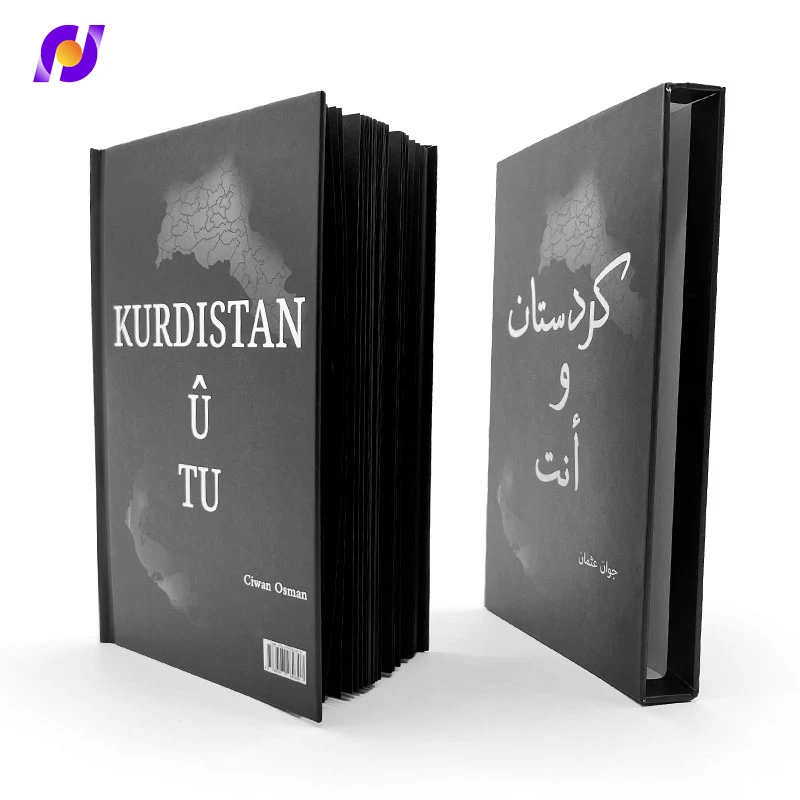
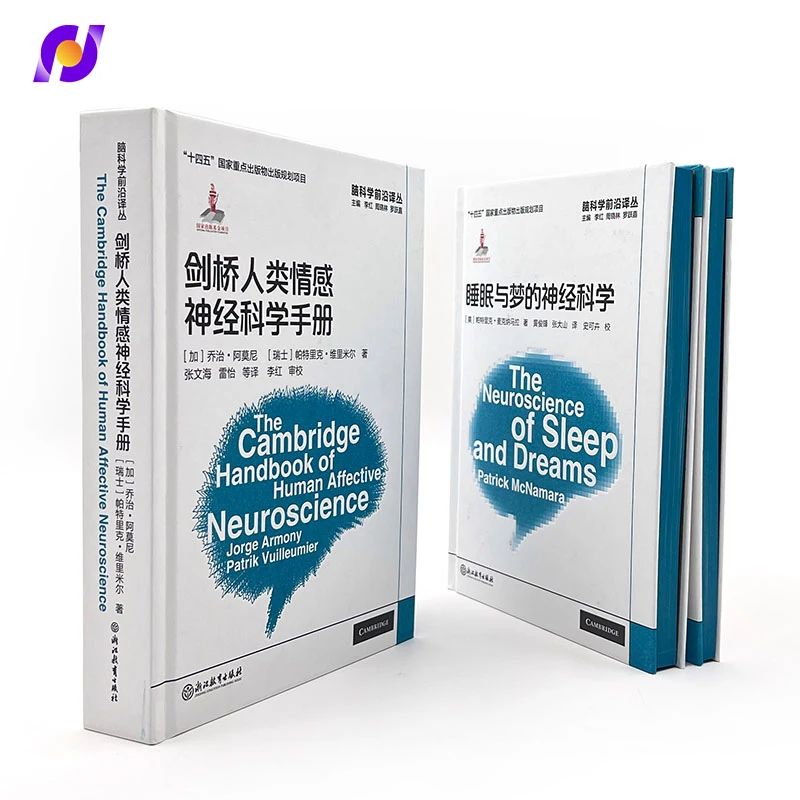
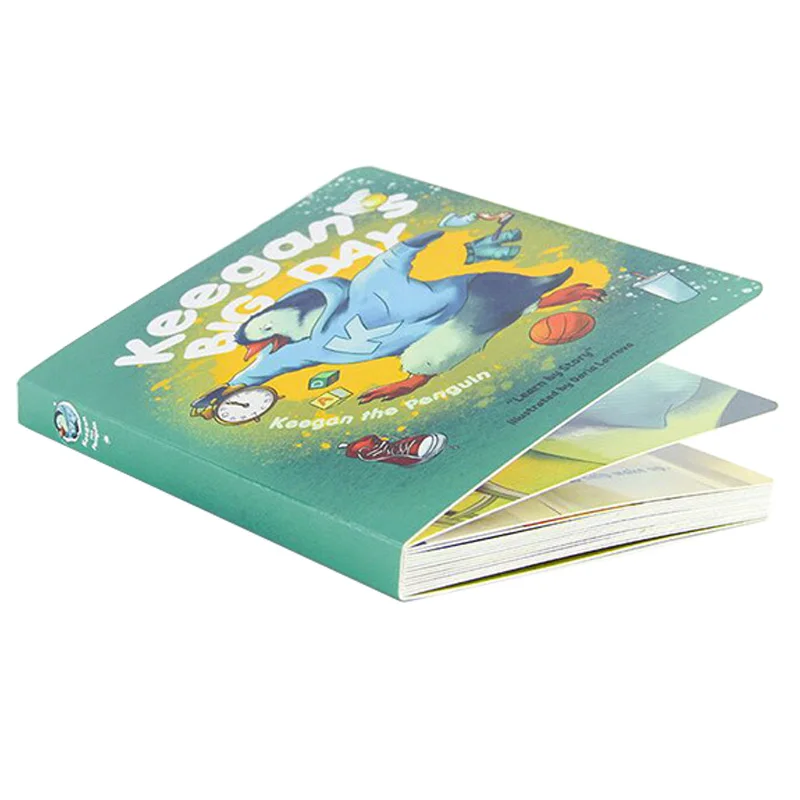
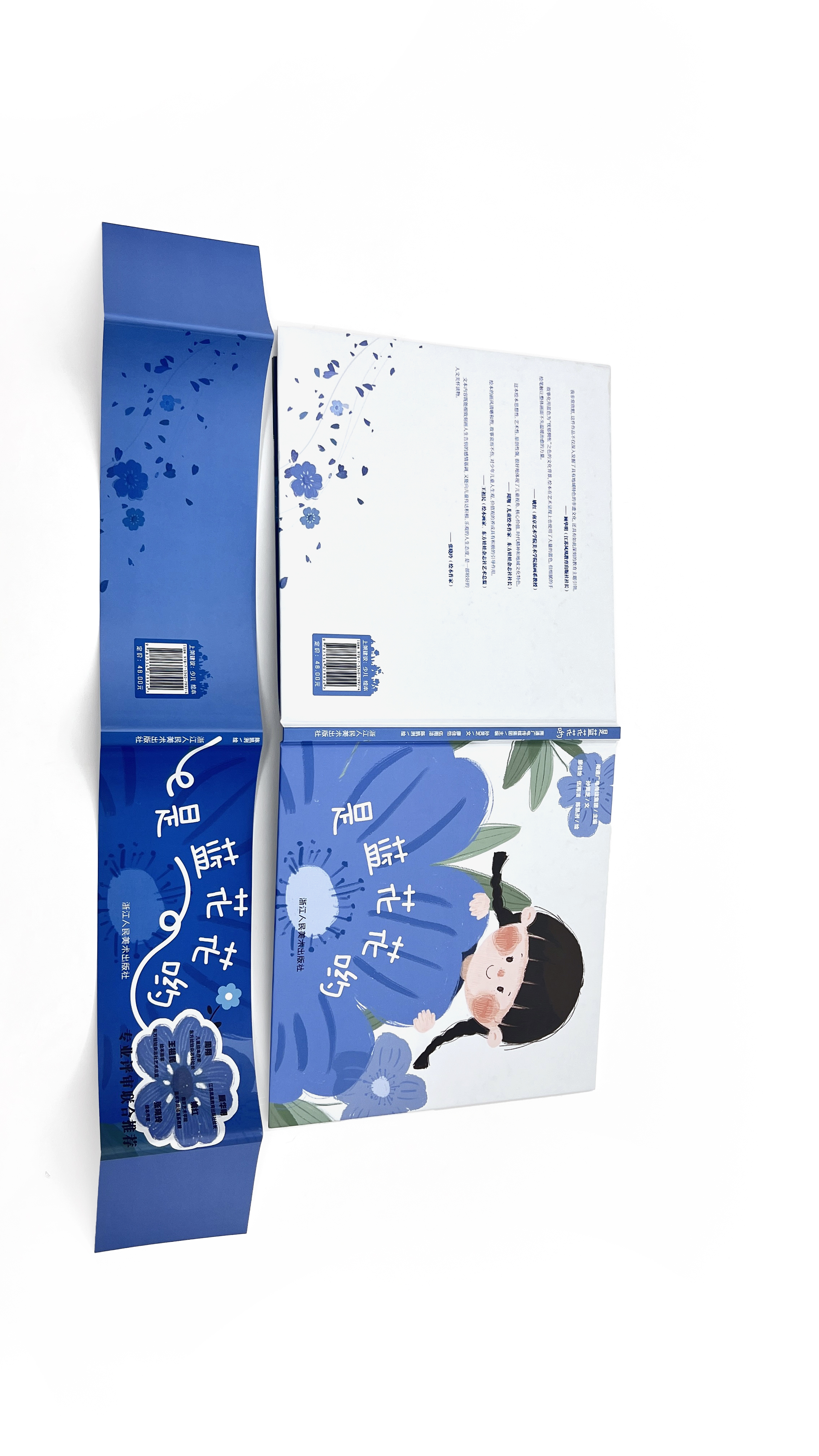
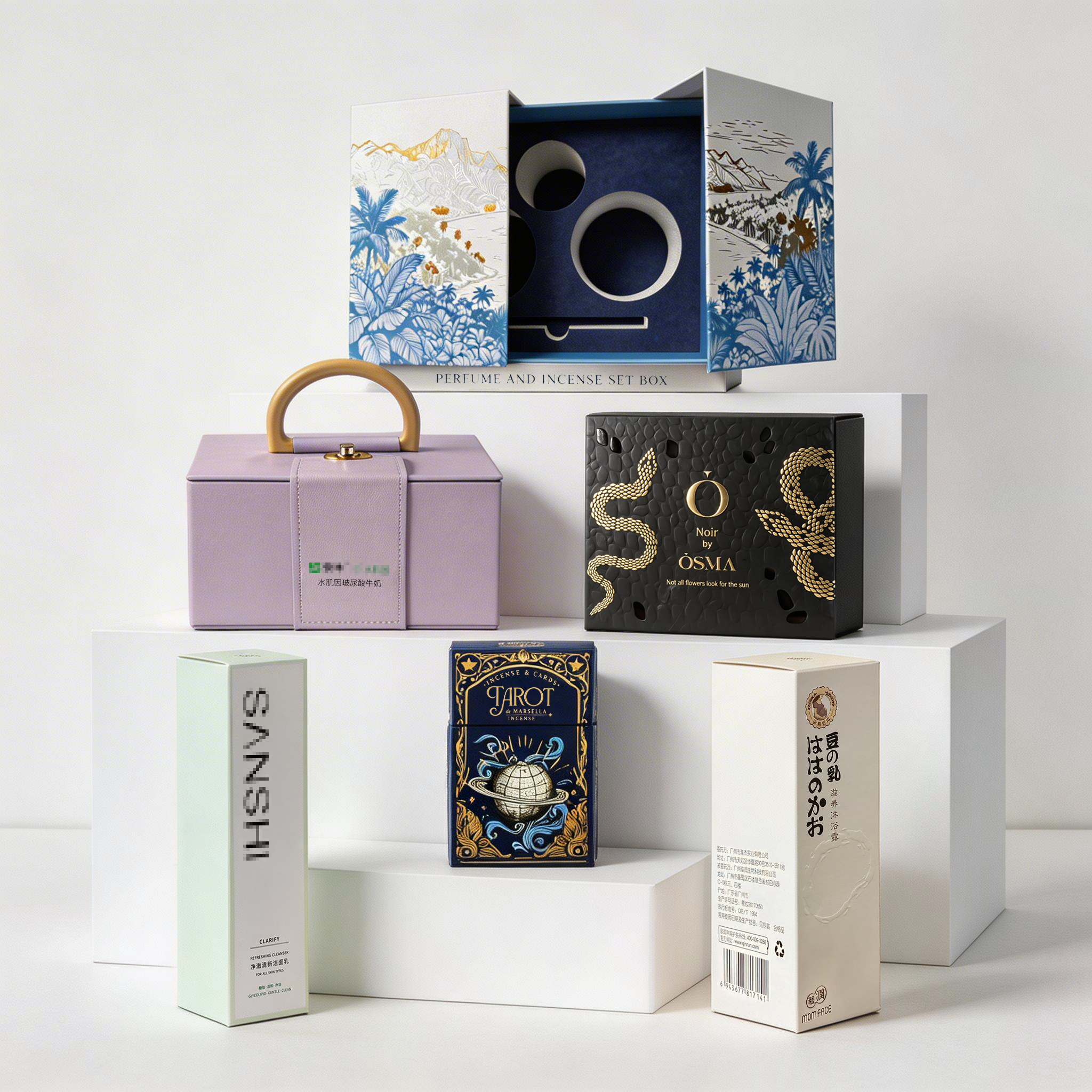
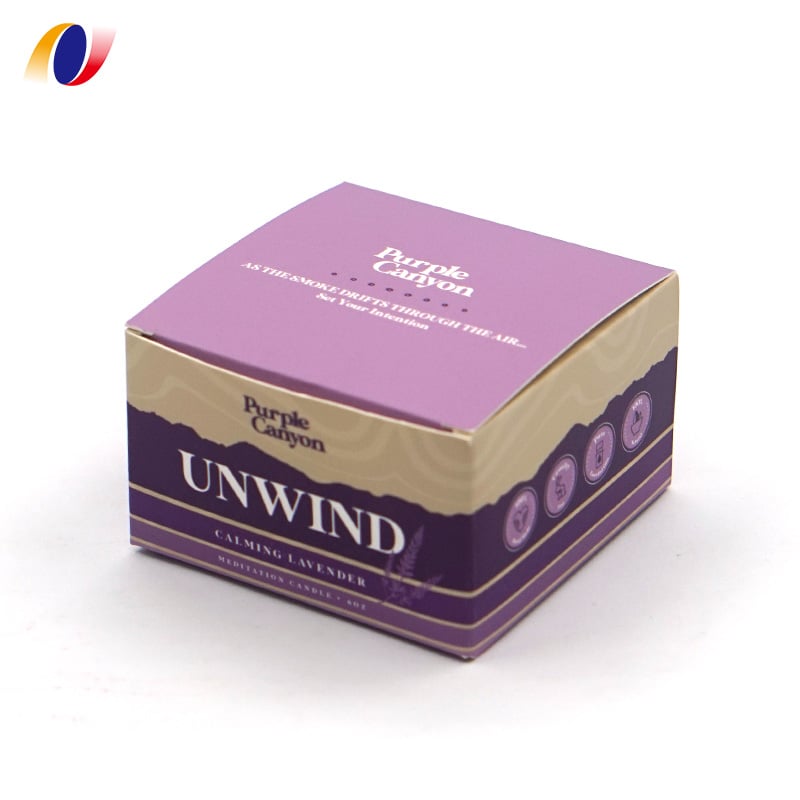
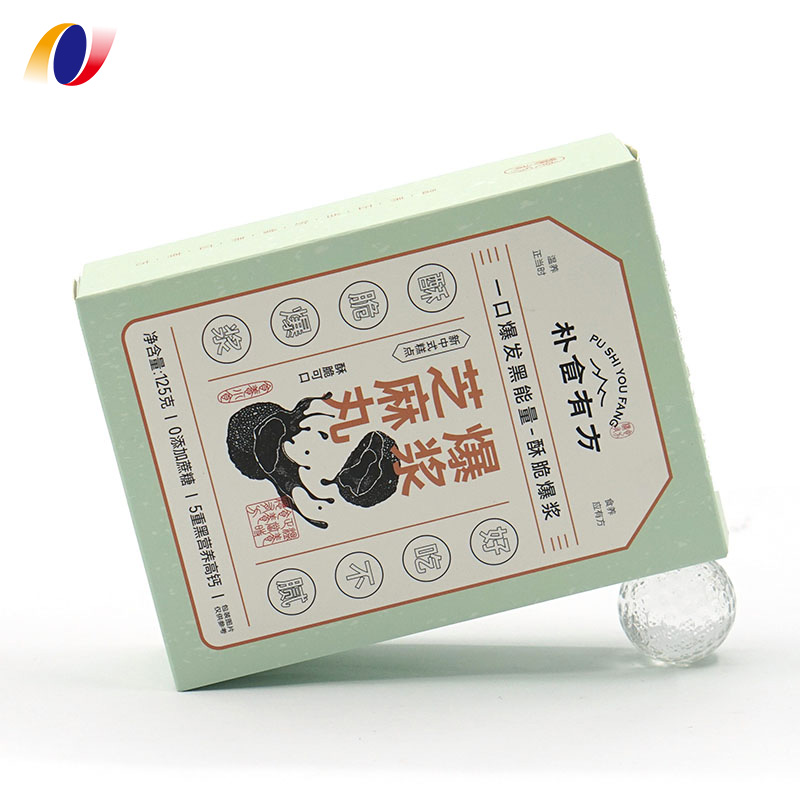
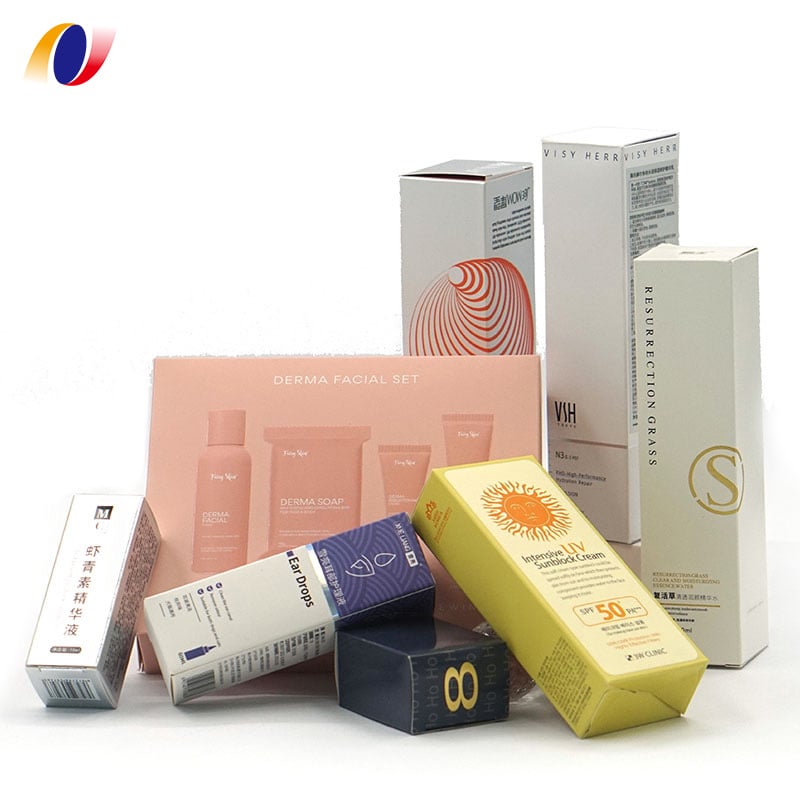
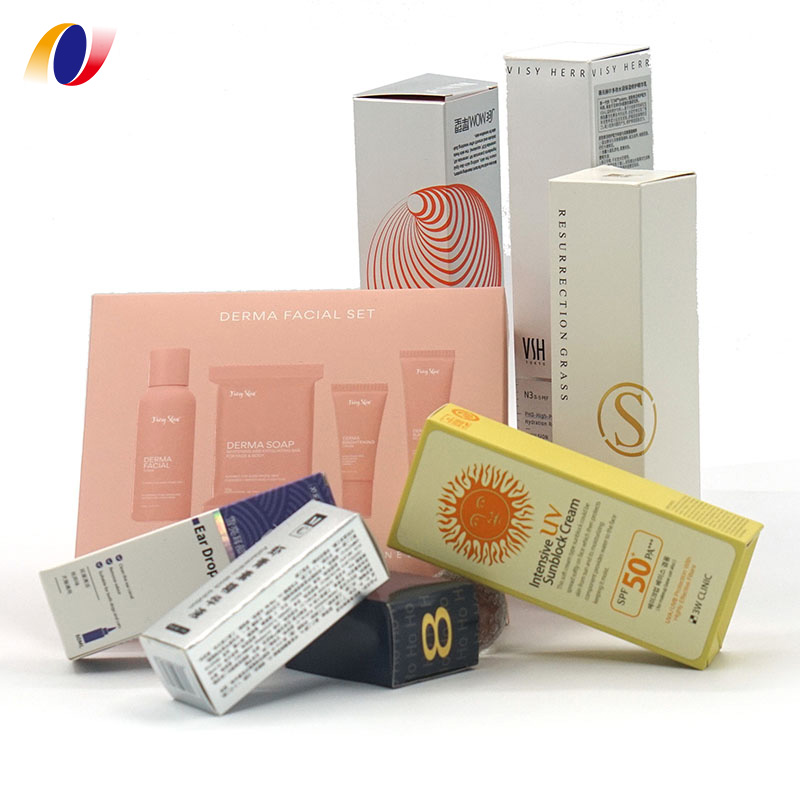
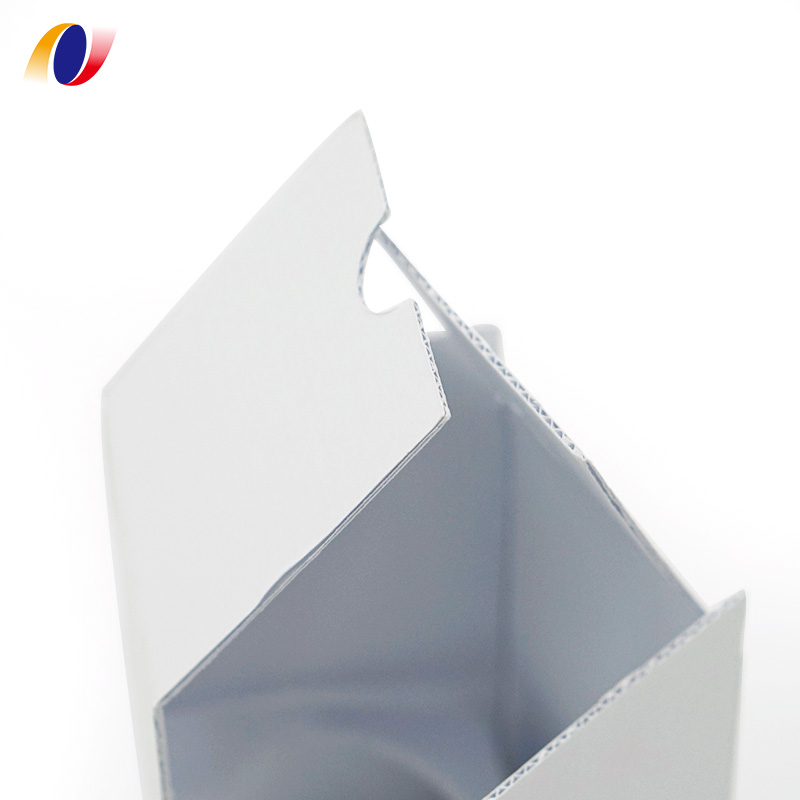
Packaging customization represents a strategic approach to tailoring product packaging solutions that meet specific business requirements and brand identity goals. This innovative service allows companies to design, modify, and produce packaging that reflects their unique market positioning and customer preferences. Packaging customization encompasses various aspects including size adjustments, material selection, printing designs, color schemes, and structural modifications to create distinctive packaging solutions.
The technological features of packaging customization include advanced digital printing capabilities, precision cutting systems, and automated production processes that ensure consistent quality across all units. Modern packaging customization utilizes computer-aided design software, allowing businesses to visualize their packaging before production begins. These technological advancements enable rapid prototyping and quick adjustments to designs, reducing time-to-market for new products.
Applications for packaging customization span across numerous industries including food and beverage, cosmetics, pharmaceuticals, electronics, and retail sectors. Businesses leverage packaging customization to enhance brand recognition, improve product protection, and create memorable unboxing experiences that strengthen customer loyalty. Whether you need eco-friendly materials, luxury finishes, or functional design innovations, packaging customization provides flexible solutions that align with your operational needs and market demands, ultimately driving competitive advantage and customer satisfaction.

 EN
EN