
 EN
EN
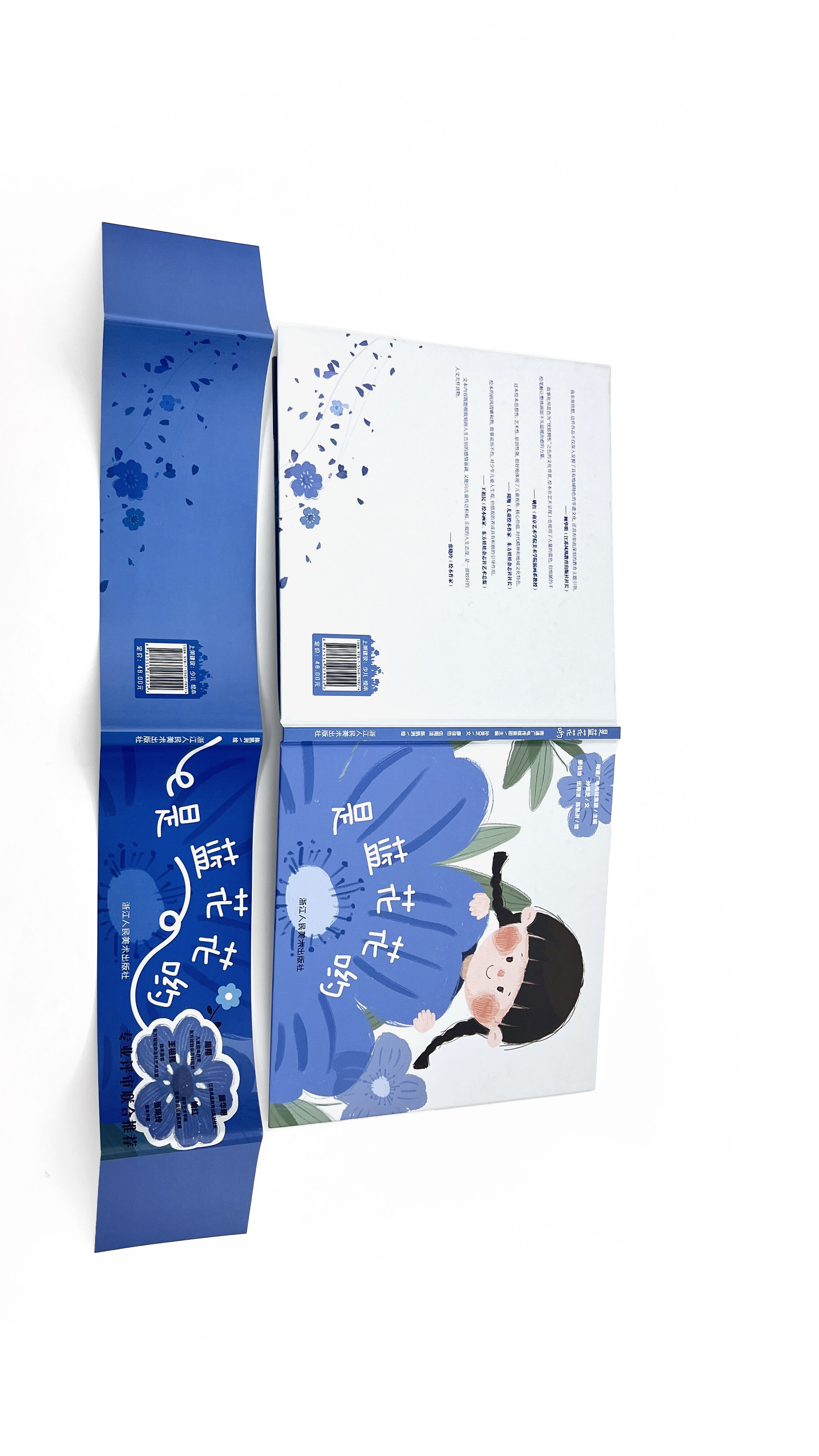
When businesses, educators, and marketers invest in booklet printing, one of the first decisions they face is how the finished piece will be bound. Binding is not merely a finishing detail — it directly affects durability, cost, page capacity, and how the reader experiences the content. Among the several binding methods available today, saddle stitch has maintained a remarkably strong presence across industries, from retail catalogs to corporate brochures and event programs.

Understanding why saddle stitch continues to dominate so many booklet printing projects requires a closer look at the full landscape of binding options and the practical realities of production. This article examines the most common binding methods used in booklet printing, explains the specific advantages that keep saddle stitch relevant, and helps you determine when it is the right choice for your next print project.
The Main Binding Options in Booklet Printing
Saddle Stitch Binding
Saddle stitch is the process of folding printed sheets together and fastening them with wire staples through the spine. It is one of the oldest and most widely used methods in booklet printing, and for good reason. The process is fast, cost-effective, and produces a clean, professional result that works well for a wide range of page counts, typically between 8 and 64 pages.
The name comes from the way sheets are draped over a saddle-shaped support during the stitching process. The result is a flat, lightweight booklet that lies reasonably flat when opened, making it easy to read without holding the spine down. For booklet printing projects that prioritize speed and economy, saddle stitch is almost always the first method considered.
Its compatibility with high-volume print runs also makes it a preferred choice for commercial printers. Setup time is minimal, and the finishing process can be automated at scale, which keeps per-unit costs low even for large quantities.
Perfect Binding
Perfect binding uses a strong adhesive to attach the pages to a flat spine, creating a square-edged booklet that resembles a paperback book. This method is common in booklet printing for thicker publications such as product catalogs, annual reports, and magazines with higher page counts, typically 48 pages or more.
While perfect binding produces a more premium appearance and allows for spine text, it comes with higher production costs and longer turnaround times. The adhesive requires curing time, and the process is less forgiving with very thin paper stocks. For booklet printing projects that need a polished, substantial feel, perfect binding is a strong option, but it is not always the most practical one.
Perfect binding also does not lie as flat when opened, which can be a drawback for instructional booklets or reference materials where readers need both hands free. This limitation is one reason many buyers return to saddle stitch for functional print pieces.
Wire-O and Spiral Binding
Wire-O and spiral binding use a continuous coil or double-loop wire threaded through punched holes along the spine. These methods are popular in booklet printing for workbooks, training manuals, and reference guides because the finished piece opens completely flat and can be folded back on itself.
The trade-off is cost and aesthetics. Wire-O and spiral binding are more expensive per unit than saddle stitch, and the exposed binding mechanism gives a more utilitarian appearance that may not suit brand-forward marketing materials. For booklet printing intended for trade shows, client presentations, or retail distribution, the visual impression of wire binding can feel less polished.
Case Binding and Other Premium Methods
Case binding, also known as hardcover binding, is the most durable and premium option in booklet printing. It involves sewing or gluing signatures together and attaching them to a rigid cover board. This method is reserved for high-value publications such as corporate anniversary books, luxury product lookbooks, and archival documents.
The cost and production time for case binding are significantly higher than any other method. For most standard booklet printing applications — brochures, event programs, product guides — case binding is neither practical nor necessary. It occupies a niche at the top of the quality spectrum rather than serving everyday print needs.
Why Saddle Stitch Remains the Most Common Choice
Cost Efficiency at Scale
One of the primary reasons saddle stitch dominates booklet printing is its exceptional cost efficiency, particularly at medium to high volumes. The machinery required for saddle stitching is widely available, the process is highly automated, and the materials — wire staples — are inexpensive. This combination keeps the per-unit cost lower than virtually any other binding method.
For businesses ordering booklet printing in quantities of 500, 1,000, or 10,000 units, the cost difference between saddle stitch and perfect binding can be substantial. Marketing teams working within tight budgets consistently find that saddle stitch allows them to allocate more of their spend toward paper quality, print resolution, and design rather than binding mechanics.
This economic advantage is not just relevant for small businesses. Large corporations producing seasonal catalogs, event programs, or internal training materials also rely on saddle stitch booklet printing to manage print budgets without sacrificing professional quality.
Fast Turnaround and Production Simplicity
Speed is another factor that keeps saddle stitch central to booklet printing workflows. Because the process requires minimal setup and can be run inline with printing and folding equipment, saddle-stitched booklets can often be produced and shipped faster than any other bound format.
For time-sensitive booklet printing projects — event programs needed within days, promotional materials for an upcoming trade show, or quarterly reports with a hard distribution deadline — saddle stitch is frequently the only binding method that fits the timeline. Printers can move from press to finished product quickly, reducing the risk of delays.
This production simplicity also reduces the likelihood of errors or quality issues during finishing. Fewer steps in the binding process mean fewer points of failure, which is a meaningful advantage when consistency across a large print run is essential.
Suitable Page Range for Most Booklet Printing Needs
The page range that saddle stitch handles well — typically 8 to 64 pages — aligns closely with the most common booklet printing applications. Product brochures, event programs, menus, lookbooks, and instructional guides almost always fall within this range. This means that for the majority of booklet printing projects, saddle stitch is not a compromise but a genuinely appropriate solution.
When page counts exceed 64 pages, the spine begins to bulge and the booklet does not close as cleanly, which is when perfect binding or other methods become more suitable. But for the vast middle ground of booklet printing — the projects that make up the bulk of commercial print volume — saddle stitch fits naturally without requiring any workarounds.
Reader-Friendly Format
Saddle-stitched booklets open relatively flat, which makes them comfortable to read without requiring the reader to hold the spine open. This is a practical advantage for booklet printing projects where the content needs to be consulted actively, such as product guides, instruction booklets, or event schedules.
The lightweight nature of saddle-stitched booklet printing also makes distribution easier. These booklets can be mailed, inserted into packaging, handed out at events, or displayed in retail environments without adding significant weight or bulk. For direct mail campaigns in particular, the weight savings can translate directly into lower postage costs.
When to Choose Saddle Stitch Over Other Binding Methods
Project Characteristics That Favor Saddle Stitch
Saddle stitch is the right binding choice for booklet printing when the page count falls between 8 and 64 pages, the budget is a primary consideration, and the turnaround time is tight. It is also the preferred method when the booklet will be distributed in high volumes, mailed, or inserted into other packaging, since its low weight and flat profile make it logistically convenient.
Marketing collateral, seasonal catalogs, event programs, product brochures, and membership guides are all classic examples of booklet printing projects where saddle stitch delivers excellent results. The finished product looks professional, reads comfortably, and holds up well under normal handling conditions.
If the booklet will be used as a long-term reference document that will be opened and closed repeatedly over months or years, it may be worth considering a more durable binding method. But for most marketing and communications applications, saddle stitch booklet printing provides more than adequate durability.
When Other Methods Make More Sense
There are situations where saddle stitch is not the best fit for booklet printing. If the page count exceeds 64 pages, perfect binding or case binding will produce a cleaner, more stable result. If the booklet needs to lie completely flat for hands-free use — such as a training workbook or a recipe guide — Wire-O or spiral binding may be more functional.
If the booklet is intended to serve as a premium brand artifact — a luxury lookbook, a high-end annual report, or a commemorative publication — the visual weight and tactile quality of perfect binding or case binding may better reflect the brand's positioning. In these cases, the higher cost is justified by the impression the finished piece creates.
Understanding these distinctions helps buyers make informed decisions rather than defaulting to one method for every booklet printing project. The goal is always to match the binding method to the specific purpose, audience, and budget of the piece.
Paper, Cover, and Finishing Considerations in Saddle Stitch Booklet Printing
Cover Stock and Interior Paper Selection
The quality of a saddle-stitched booklet printing project is heavily influenced by the paper choices made for the cover and interior pages. A heavier cover stock — typically 250gsm to 350gsm — gives the booklet a more substantial feel and protects the interior pages during handling and distribution. Interior pages are commonly printed on 100gsm to 170gsm coated or uncoated stock depending on the visual requirements of the content.
Coated paper stocks produce sharper images and more vibrant colors, making them ideal for booklet printing projects that feature photography, product imagery, or detailed graphics. Uncoated stocks offer a more tactile, natural feel that works well for text-heavy content or brands that want a less glossy aesthetic.
The paper weight also affects how well the booklet holds its shape over time. Heavier stocks resist curling and wear better under repeated handling, which is worth considering for booklet printing projects that will be kept and referenced rather than read once and discarded.
Finishing Options That Enhance Saddle Stitch Booklets
Saddle stitch booklet printing can be elevated significantly through finishing treatments applied to the cover. Gloss or matte lamination protects the cover from scuffs and moisture while enhancing the visual impact of the design. Spot UV coating can be applied selectively to highlight logos, images, or key text elements, creating a contrast between matte and glossy surfaces that adds a premium dimension to the finished piece.
Soft-touch lamination is another popular finishing option for booklet printing projects targeting upscale audiences. It gives the cover a velvety texture that feels distinctive in the hand and communicates quality without requiring a more expensive binding method. These finishing options allow buyers to achieve a premium result within the cost-efficient framework of saddle stitch production.
Foil stamping and embossing are also compatible with saddle stitch booklet printing covers, though they add cost and production time. For special editions, event programs, or brand flagship materials, these treatments can make a saddle-stitched booklet feel as impressive as a much more expensive bound format.
FAQ
What is the maximum page count for saddle stitch booklet printing?
Most printers recommend a maximum of 64 pages for saddle stitch booklet printing. Beyond this count, the spine begins to bulge and the booklet does not close cleanly. For projects exceeding 64 pages, perfect binding is generally the more appropriate choice. Some printers can accommodate up to 80 pages with saddle stitch depending on the paper weight used, but results may vary.
Is saddle stitch booklet printing suitable for high-quality marketing materials?
Yes, saddle stitch booklet printing is widely used for high-quality marketing materials including product catalogs, brand brochures, and event programs. When combined with premium paper stocks, full-color printing, and cover finishing treatments such as lamination or spot UV, saddle-stitched booklets can achieve a very polished and professional appearance that reflects well on the brand.
How does saddle stitch compare to perfect binding in terms of cost for booklet printing?
Saddle stitch is consistently less expensive than perfect binding for booklet printing, often by a meaningful margin. The cost difference comes from simpler machinery, faster production, and lower material costs. For high-volume booklet printing runs, the savings from choosing saddle stitch over perfect binding can be significant, making it the preferred choice when budget efficiency is a priority.
Can saddle stitch booklet printing be used for direct mail campaigns?
Saddle stitch booklet printing is well suited for direct mail campaigns. The lightweight and flat profile of saddle-stitched booklets keeps mailing weight low, which can reduce postage costs considerably at scale. Many direct mail catalogs, promotional booklets, and membership guides are produced using saddle stitch specifically because of this logistical and cost advantage.
Table of Contents
- The Main Binding Options in Booklet Printing
- Why Saddle Stitch Remains the Most Common Choice
- When to Choose Saddle Stitch Over Other Binding Methods
- Paper, Cover, and Finishing Considerations in Saddle Stitch Booklet Printing
-
FAQ
- What is the maximum page count for saddle stitch booklet printing?
- Is saddle stitch booklet printing suitable for high-quality marketing materials?
- How does saddle stitch compare to perfect binding in terms of cost for booklet printing?
- Can saddle stitch booklet printing be used for direct mail campaigns?