
 EN
EN

When businesses first venture into commercial printing projects, they often focus on obvious factors like cost and delivery time while missing critical quality elements that can make or break their final products. Understanding what separates exceptional printing results from mediocre ones requires looking beyond surface-level considerations to examine the technical and material factors that professional printing services prioritize. These overlooked elements can significantly impact brand perception, customer experience, and the overall success of marketing materials, packaging, and corporate communications.
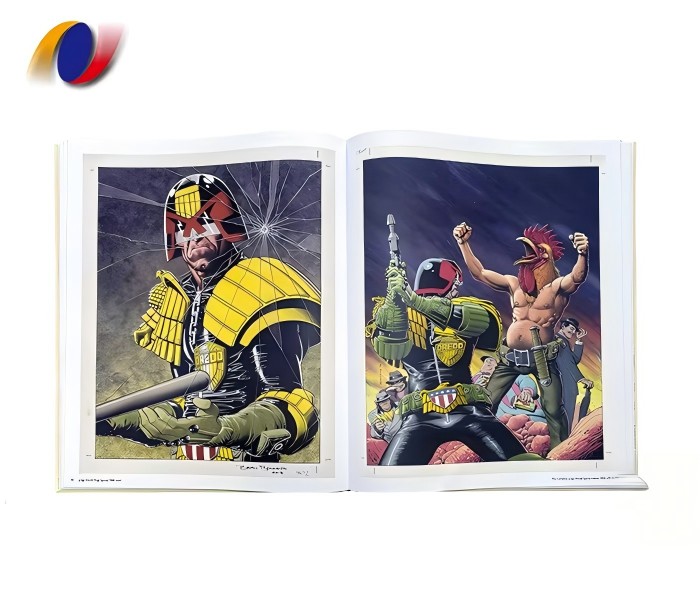
The gap between basic printing awareness and professional-grade quality control stems from the complex interplay of substrate selection, ink chemistry, color management systems, and finishing processes that most businesses encounter only after experiencing disappointing results. Professional printing operations understand that achieving consistent, high-quality output requires attention to dozens of variables that work together to create the final printed piece, many of which remain invisible until problems arise during production or after delivery.
Paper and Substrate Selection Impact
Weight and Thickness Considerations
Paper weight directly influences how printing appears and feels to end users, yet many businesses initially focus only on cost per sheet rather than understanding how weight affects ink absorption, opacity, and perceived value. Lightweight papers often show through from one side to another, creating a cheap appearance that undermines professional credibility. The printing process itself can cause lightweight substrates to curl, wrinkle, or jam during production, leading to waste and delays that offset any initial cost savings.
Professional printing services recommend matching paper weight to the intended use and printing method, considering factors like how the piece will be handled, stored, and displayed. Business cards, for example, require sufficient weight to convey quality and durability, while bulk mailings might prioritize lighter weights for postal savings without sacrificing readability. Understanding the relationship between paper weight and printing quality helps businesses make informed decisions that balance cost with performance requirements.
Surface Texture and Coating Effects
The surface characteristics of printing substrates dramatically affect ink adhesion, color saturation, and finish appearance in ways that become apparent only after production begins. Coated papers provide smooth surfaces that enhance color vibrancy and sharpness, while uncoated papers offer natural texture that can add warmth and authenticity to printed materials. The choice between glossy, matte, and satin finishes affects not only appearance but also functionality, including resistance to fingerprints, glare, and wear over time.
Many businesses discover too late that their chosen substrate doesn't support their design intentions, such as fine detail reproduction or specific color matching requirements. Professional printing operations conduct substrate testing during the planning phase to ensure compatibility between paper characteristics and design elements, preventing costly reprints and delays. This testing process reveals how different textures affect readability, color perception, and overall visual impact under various lighting conditions and handling scenarios.
Color Management and Consistency
Color Profile Understanding
Color profiles serve as translation systems between different devices in the printing workflow, ensuring consistent color reproduction from screen to final printed output. Most businesses initially assume that colors will appear exactly as displayed on their monitors, not realizing that uncalibrated screens and missing color profiles can cause significant variations in the final product. Professional printing services use standardized color profiles and calibrated equipment to maintain consistency across different projects and production runs.
The RGB to CMYK conversion process often surprises businesses when vibrant screen colors appear duller or shifted in the printed version. This conversion limitation affects certain color ranges more than others, particularly bright blues, oranges, and neon colors that exist outside the CMYK color gamut. Understanding these limitations during the design phase allows businesses to make informed decisions about color choices and set realistic expectations for the final printing results.
Lighting and Viewing Conditions
The environment where printed materials will be viewed significantly impacts color perception and overall quality assessment, yet this factor rarely receives consideration during initial planning stages. Colors appear different under fluorescent office lighting compared to natural daylight or LED illumination, affecting how customers and stakeholders perceive the final product. Professional printing facilities use standardized viewing booths with controlled lighting to evaluate color accuracy and make adjustments before full production runs.
Metamerism, the phenomenon where colors appear to match under one light source but differ under another, can create quality issues that become apparent only after delivery. This effect particularly impacts corporate branding materials that need to maintain consistent appearance across various environments and applications. Understanding how lighting affects color perception helps businesses communicate their quality requirements more effectively and avoid disappointment with otherwise technically correct printing results.
Ink Quality and Application Methods
Ink Chemistry Compatibility
Different printing methods use distinct ink formulations that interact with substrates in specific ways, affecting color reproduction, drying time, and durability characteristics. Offset printing inks provide different performance characteristics compared to digital printing systems, with variations in opacity, gloss level, and fade resistance that impact long-term appearance. Many businesses learn about these differences only after experiencing issues with color matching between different printing methods or noticing quality degradation over time.
The interaction between ink chemistry and substrate characteristics determines how well colors adhere, how quickly they dry, and how resistant they are to handling and environmental factors. Water-based and solvent-based inks each offer specific advantages for different applications, but compatibility issues can arise when substrate selection doesn't align with ink requirements. Professional printing operations understand these relationships and select appropriate ink systems to optimize both immediate appearance and long-term performance based on intended use requirements.
Drying and Curing Considerations
Proper ink drying and curing processes directly affect print quality, handling characteristics, and production efficiency, yet many businesses remain unaware of how these factors influence their project outcomes. Insufficient drying time can cause smearing, offsetting, and poor adhesion that becomes apparent during finishing operations or when materials are handled after delivery. Different ink systems require specific temperature, humidity, and time parameters to achieve optimal performance characteristics.
UV-cured inks offer instant drying capabilities that enable faster production and better handling characteristics, but they require compatible substrates and specific equipment capabilities. The choice between air-dry and UV-cured systems affects not only production speed but also final appearance, durability, and cost structures. Understanding these relationships helps businesses make informed decisions about printing methods and timeline expectations while ensuring quality requirements are met throughout the production process.
Registration and Alignment Precision
Multi-Color Registration Accuracy
Registration refers to the precise alignment of different color layers during the printing process, and even small misalignments can create visible quality issues that undermine professional appearance. When colors don't register properly, text may appear fuzzy, images can show color fringing, and fine details lose sharpness and clarity. These registration problems often become more noticeable in high-contrast areas and detailed graphics where precision is most critical for visual impact.
Professional printing equipment maintains registration through sophisticated monitoring and adjustment systems that most businesses never see or understand. The printing process involves multiple passes or plates for different colors, and maintaining alignment across thousands of sheets requires consistent pressure, precise timing, and stable environmental conditions. Variations in humidity, temperature, or equipment maintenance can affect registration accuracy, making quality control monitoring essential throughout production runs.
Cutting and Finishing Precision
Post-printing operations like cutting, folding, and binding require the same precision as the printing process itself to maintain overall quality standards. Misaligned cuts can make registration problems more apparent, create uneven margins, or result in asymmetrical finished pieces that appear unprofessional. The relationship between printing accuracy and finishing precision means that quality control must continue throughout the entire production workflow rather than ending with the printing process.
Bleeds and margins must be planned carefully to accommodate normal variations in cutting precision while ensuring that important design elements don't get trimmed accidentally. Professional printing services build appropriate tolerances into their workflow planning, but businesses need to understand these requirements during the design phase to avoid quality issues. The interaction between design specifications, printing accuracy, and finishing capabilities determines whether the final product meets quality expectations across all production stages.
Environmental and Handling Factors
Production Environment Control
Temperature and humidity variations during printing significantly affect ink behavior, paper stability, and color consistency, yet many businesses don't realize how environmental factors influence their project quality. Paper can expand, contract, or curl in response to humidity changes, affecting registration accuracy and causing feeding problems during production. Ink viscosity and drying characteristics also respond to temperature variations, potentially causing color shifts or quality inconsistencies between different production runs.
Professional printing facilities maintain controlled environments with specific temperature and humidity ranges optimized for consistent results. Static electricity buildup in dry conditions can cause paper feeding problems and dust attraction that creates spots or streaks on printed surfaces. Understanding these environmental factors helps businesses appreciate why quality printing requires more than just good equipment and explains why results can vary between different facilities or seasons without proper controls.
Storage and Handling Requirements
How printed materials are stored and handled after production affects their appearance and usability over time, yet most businesses focus only on immediate post-delivery appearance. Stacking heavy materials while inks are still curing can cause offsetting or marking that appears days or weeks after production completion. Exposure to light, heat, or moisture during storage can cause color fading, paper warping, or adhesive failure in bound materials.
The packaging and shipping methods used for printed materials must protect against handling damage while preventing environmental exposure that could affect quality. Professional printing services understand these requirements and provide appropriate packaging recommendations based on material characteristics and intended storage conditions. Businesses that understand handling requirements can better protect their investment in quality printing and ensure that materials maintain their appearance and functionality throughout their intended lifespan.
FAQ
How can businesses identify printing quality issues before they become expensive problems?
Requesting press proofs or digital proofs that accurately represent final production conditions allows businesses to identify potential issues before full production begins. Working with printing services that provide detailed quality specifications and conducting pre-production meetings to discuss substrate choices, color expectations, and finishing requirements helps prevent misunderstandings. Regular communication throughout the production process and understanding the normal variation ranges for different printing methods enables early detection of quality concerns.
What questions should businesses ask their printing service provider about quality control?
Key questions include asking about color management systems, environmental controls, quality monitoring procedures, and how variations in substrate or ink performance are handled during production. Businesses should also inquire about press check opportunities, proof accuracy standards, and what recourse exists if quality issues arise. Understanding the facility's equipment capabilities, maintenance schedules, and staff experience levels provides insight into their ability to deliver consistent quality results.
How do printing method differences affect quality outcomes for typical business materials?
Digital printing offers excellent quality for short runs and variable data applications but may have limitations in color matching and specialty ink options compared to offset printing. Offset printing provides superior color consistency and substrate flexibility for longer runs but requires more setup time and minimum quantities. Understanding these trade-offs helps businesses select appropriate printing methods based on their quality requirements, quantity needs, and budget constraints while setting realistic expectations for results.
What role does design preparation play in achieving optimal printing quality?
Proper file preparation, including correct resolution, color profiles, and bleed specifications, directly impacts final print quality and prevents common production problems. Designing within the capabilities of the chosen printing method and substrate ensures that creative intentions can be realized without compromising quality. Collaboration between designers and printing professionals during the planning phase helps optimize both visual impact and production efficiency while avoiding costly revisions or quality compromises.
Table of Contents
- Paper and Substrate Selection Impact
- Color Management and Consistency
- Ink Quality and Application Methods
- Registration and Alignment Precision
- Environmental and Handling Factors
-
FAQ
- How can businesses identify printing quality issues before they become expensive problems?
- What questions should businesses ask their printing service provider about quality control?
- How do printing method differences affect quality outcomes for typical business materials?
- What role does design preparation play in achieving optimal printing quality?