Eco-Friendly Packaging Printing Solutions: Sustainable, Cost-Effective, and High-Quality Printing Services

Get a Free Quote

Our representative will contact you soon.
Email
Name
Company Name
Message
0/1000

eco-friendly packaging printing

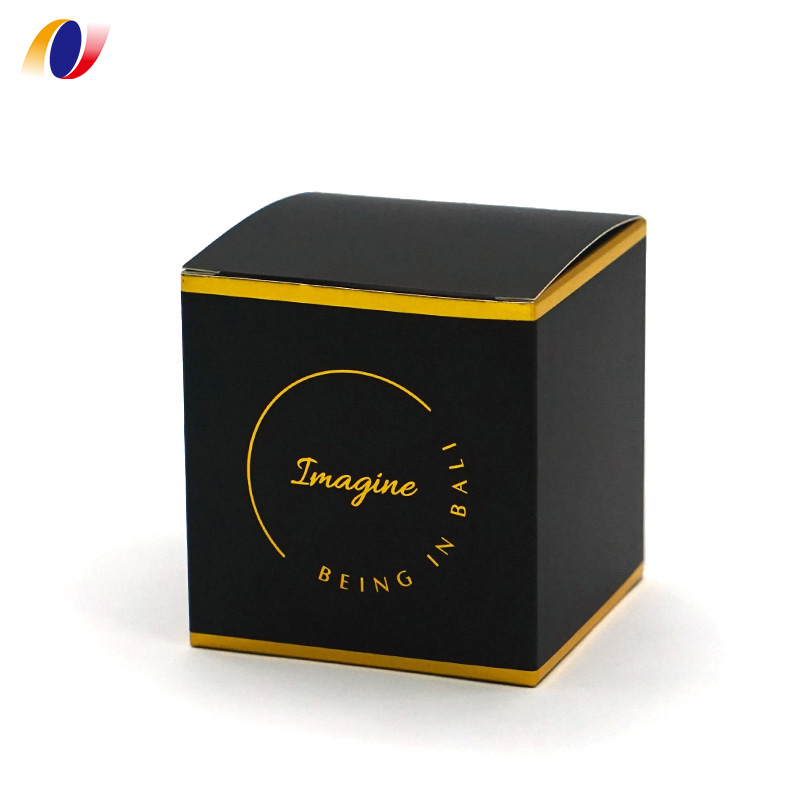
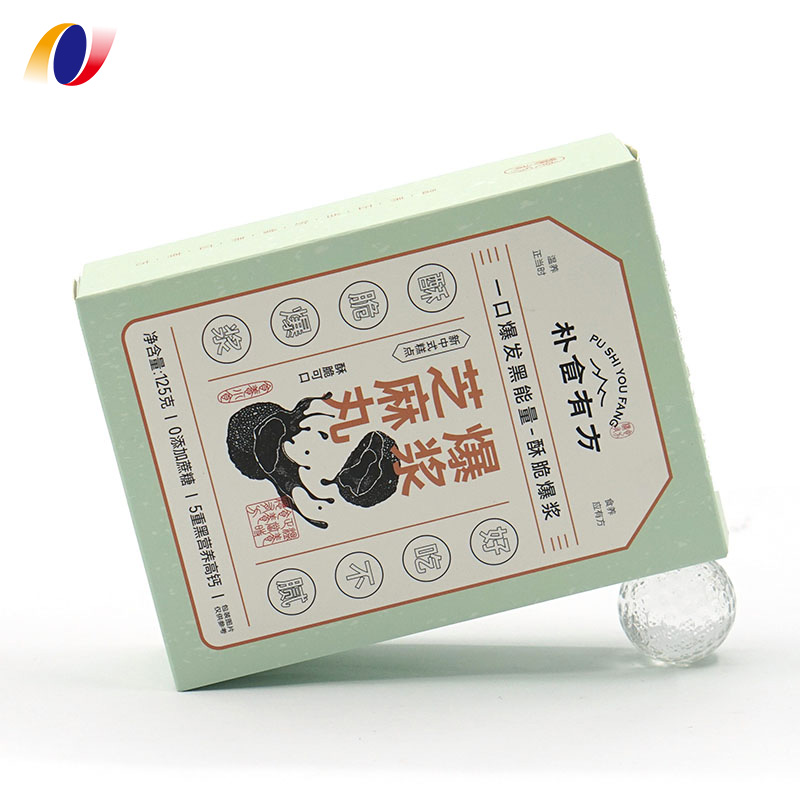
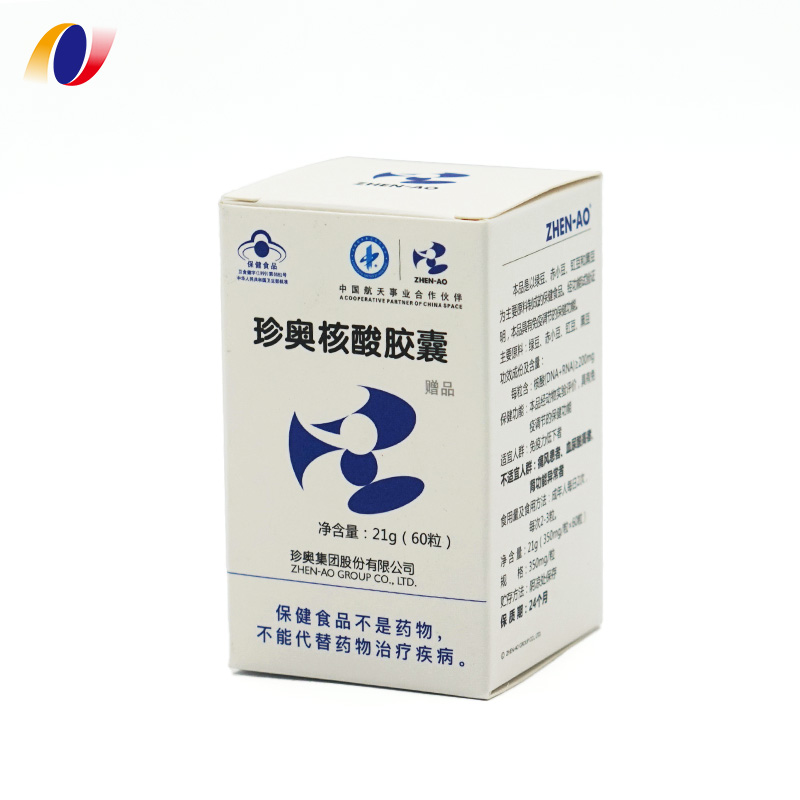
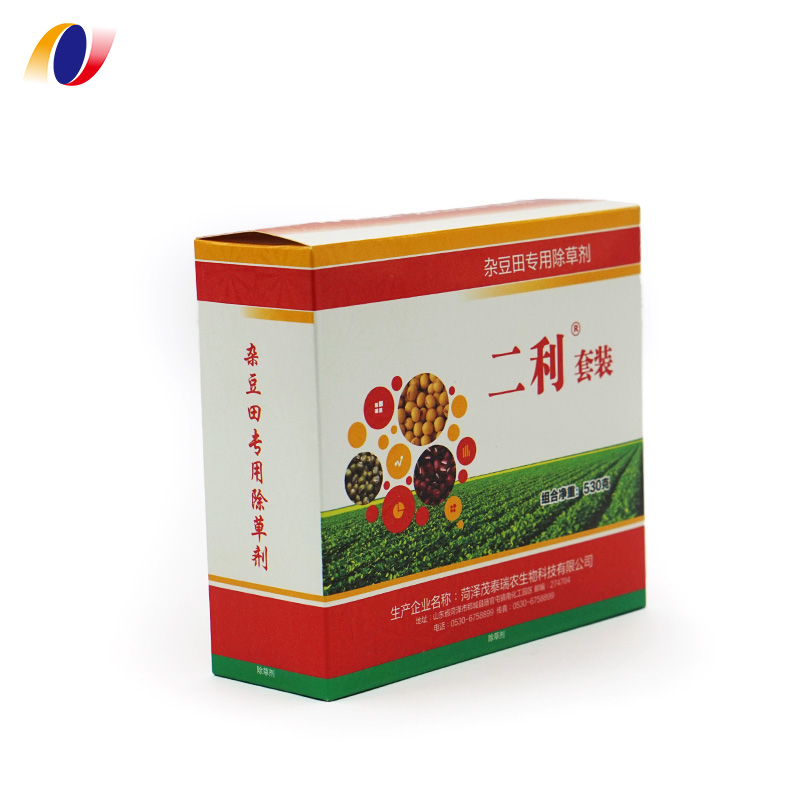
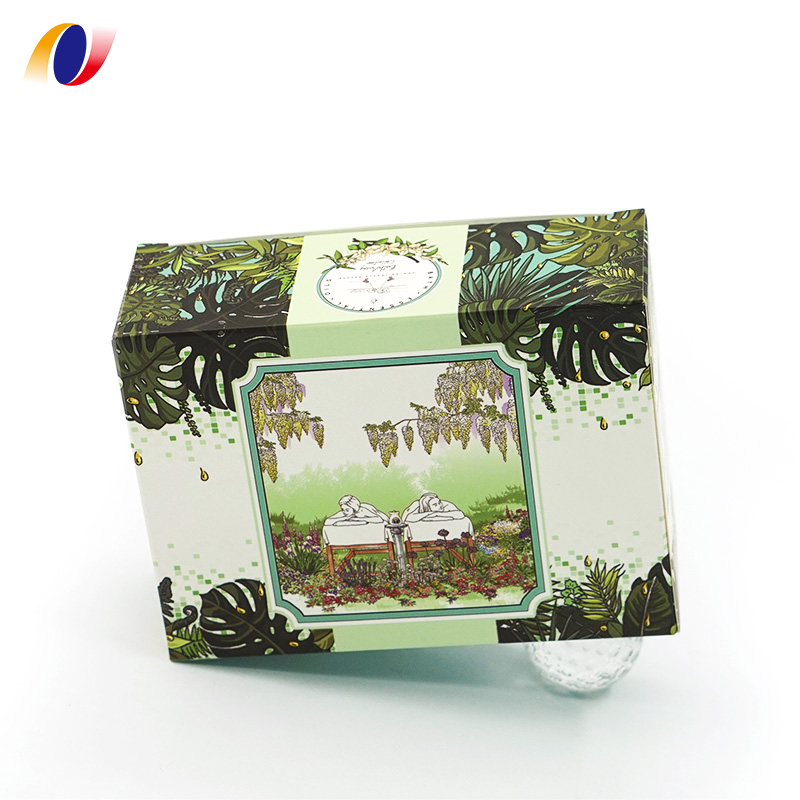
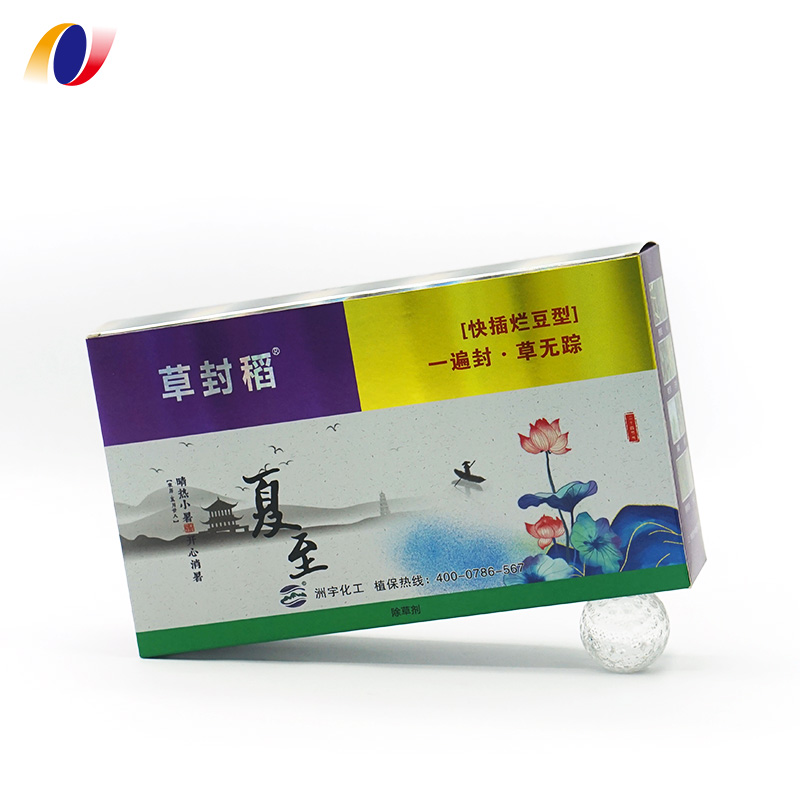
Eco-friendly packaging printing represents a revolutionary approach to sustainable manufacturing that combines environmental responsibility with high-quality printing solutions. This innovative technology utilizes biodegradable materials, water-based inks, and energy-efficient processes to create packaging that minimizes environmental impact while maintaining superior visual appeal and functionality. The main functions of eco-friendly packaging printing encompass complete brand messaging, product protection, and consumer information delivery through sustainable methods that reduce carbon footprints and eliminate harmful chemicals from the production cycle. Technological features include advanced digital printing systems that consume less energy, soy-based and vegetable inks that replace petroleum-based alternatives, recyclable substrates made from post-consumer materials, and innovative coating technologies that provide barrier protection without compromising biodegradability. The printing process incorporates precision color matching systems, high-resolution imaging capabilities, and automated quality control mechanisms that ensure consistent results across large production runs. Applications span across multiple industries including food and beverage packaging, cosmetics containers, pharmaceutical labeling, retail product boxes, and e-commerce shipping materials. The technology supports various printing methods such as flexographic printing, digital printing, offset printing, and screen printing, each optimized for different packaging types and volume requirements. Modern eco-friendly packaging printing facilities integrate renewable energy sources, water recycling systems, and waste reduction protocols that significantly decrease environmental impact compared to traditional printing methods. The substrates used include recycled paperboard, cornstarch-based plastics, hemp fibers, bamboo materials, and other renewable resources that decompose naturally without releasing toxic substances. Quality control systems ensure that eco-friendly packaging printing meets industry standards for durability, print clarity, color accuracy, and regulatory compliance while maintaining cost-effectiveness for businesses of all sizes.

New Product Recommendations

Eco-friendly packaging printing delivers substantial cost savings through reduced material waste and energy consumption, making it an economically viable choice for businesses seeking sustainable solutions. Companies implementing this technology report decreased disposal costs since biodegradable materials eliminate expensive waste management fees associated with traditional packaging. The printing process uses renewable energy sources and efficient machinery that consumes significantly less electricity, resulting in lower operational expenses and improved profit margins. Businesses gain competitive advantages through enhanced brand reputation as consumers increasingly prefer products with sustainable packaging, leading to increased customer loyalty and market share growth. Eco-friendly packaging printing helps companies meet regulatory requirements and avoid potential fines related to environmental compliance, protecting them from future legislative changes that may restrict traditional packaging materials. The technology offers superior print quality with vibrant colors and sharp graphics that effectively communicate brand messages while demonstrating corporate environmental responsibility. Production flexibility allows for customization of packaging designs, sizes, and materials to meet specific product requirements without compromising sustainability goals. Supply chain benefits include reduced transportation costs due to lighter packaging materials and improved storage efficiency through compact designs that maximize shipping capacity. The printing process generates minimal volatile organic compounds, creating healthier workplace environments for employees and reducing insurance costs related to occupational safety. Customer satisfaction increases as eco-friendly packaging printing demonstrates corporate values alignment with consumer environmental concerns, fostering stronger brand relationships and positive word-of-mouth marketing. Businesses experience reduced liability exposure since sustainable materials minimize environmental contamination risks and associated legal complications. The technology enables rapid prototyping and short production runs, allowing companies to test market responses and adjust packaging strategies without significant material waste. Long-term sustainability benefits include resource conservation, reduced dependence on petroleum-based materials, and contribution to circular economy principles that create lasting value for businesses and communities while supporting global environmental protection initiatives.

Practical Tips

【B2B Printing Guide】What Are Custom Printing Services? 5 Key Processes Explained and Business Applications

13

Jan

【B2B Printing Guide】What Are Custom Printing Services? 5 Key Processes Explained and Business Applications

View More
How to Choose the Right Printing Process for Your Business? A Comprehensive Decision Guide from Offset to Digital Printing

13

Jan

How to Choose the Right Printing Process for Your Business? A Comprehensive Decision Guide from Offset to Digital Printing

View More
The Complete Process of Company Brochure Printing Revealed: 7 Steps to Professional Results from File Preparation to Final Delivery

13

Jan

The Complete Process of Company Brochure Printing Revealed: 7 Steps to Professional Results from File Preparation to Final Delivery

View More

Get a Free Quote

Our representative will contact you soon.
Email
Name
Company Name
Message
0/1000

eco-friendly packaging printing

Advanced Sustainable Material Technology

Advanced Sustainable Material Technology

Eco-friendly packaging printing utilizes cutting-edge sustainable materials that revolutionize traditional packaging approaches while maintaining exceptional quality and performance standards. The technology incorporates innovative bio-based substrates derived from renewable resources such as agricultural waste, recycled paper fibers, and plant-based polymers that provide excellent printability and structural integrity. These materials undergo specialized processing techniques that enhance their barrier properties, ensuring product protection while maintaining complete biodegradability within controlled composting environments. The substrate selection process considers factors including moisture resistance, oxygen barrier capabilities, temperature stability, and mechanical strength to match specific packaging requirements across diverse industries. Advanced coating technologies apply thin protective layers using water-based formulations that replace traditional petroleum-based coatings, providing essential barrier functions without compromising environmental safety. The material science behind eco-friendly packaging printing involves molecular engineering of cellulose fibers, biopolymer matrices, and natural additives that create packaging solutions with performance characteristics comparable to conventional materials. Quality testing protocols verify that sustainable materials meet rigorous standards for food safety, pharmaceutical compatibility, and consumer product regulations while ensuring consistent printing results across large production volumes. The technology supports various material combinations and hybrid solutions that optimize packaging performance for specific applications, enabling businesses to achieve sustainability goals without sacrificing functionality or visual appeal. Research and development efforts continuously advance material technologies, introducing new renewable resources and improving existing formulations to enhance performance characteristics and reduce environmental impact. The sustainable material supply chain ensures reliable sourcing from certified suppliers who follow responsible harvesting practices and environmental stewardship principles, creating a transparent and traceable production process that supports corporate sustainability reporting requirements.
Zero-Waste Production Systems

Zero-Waste Production Systems

Eco-friendly packaging printing implements comprehensive zero-waste production systems that eliminate material waste and maximize resource utilization throughout the entire manufacturing process. The technology incorporates advanced planning software that calculates precise material requirements, minimizing overproduction and reducing excess inventory that typically becomes waste in traditional printing operations. Automated cutting and trimming systems utilize sophisticated algorithms to optimize material layout patterns, achieving maximum substrate utilization rates while maintaining quality standards and reducing off-cuts that require disposal. The production process features closed-loop water systems that capture, filter, and recycle process water, eliminating discharge into municipal systems and reducing overall water consumption by up to eighty percent compared to conventional printing methods. Ink recycling systems collect and process unused inks, reformulating them for future production runs while maintaining color consistency and quality specifications required for brand standards. Energy recovery systems capture waste heat from printing processes and redirect it to facility heating systems, reducing overall energy consumption and improving operational efficiency. Material recovery protocols identify and separate different waste streams, ensuring that paper scraps, plastic off-cuts, and other materials enter appropriate recycling channels rather than landfill disposal. The zero-waste approach extends to packaging materials used within the facility, utilizing reusable containers, biodegradable protective materials, and minimal packaging systems that reduce waste generation throughout the supply chain. Quality management systems track waste generation metrics and identify opportunities for continuous improvement, implementing process modifications that further reduce material consumption and waste production. Employee training programs ensure consistent implementation of zero-waste practices across all production shifts and departments, creating a culture of environmental responsibility that supports long-term sustainability objectives. The technology integrates with inventory management systems to optimize material ordering and storage, preventing material degradation and obsolescence that traditionally contribute to waste generation in printing facilities.
Carbon-Neutral Production Processes

Carbon-Neutral Production Processes

Eco-friendly packaging printing achieves carbon-neutral production through integrated renewable energy systems and comprehensive carbon offset programs that eliminate net greenhouse gas emissions throughout the manufacturing process. The technology utilizes solar panel arrays, wind turbines, and other renewable energy sources to power printing equipment, ventilation systems, and facility operations, reducing reliance on fossil fuel-generated electricity. Advanced energy management systems monitor real-time power consumption and automatically adjust equipment operation to maximize efficiency during peak renewable energy generation periods, ensuring optimal utilization of clean energy resources. Carbon footprint tracking systems measure emissions from all production activities including material transportation, energy consumption, and waste processing, providing accurate data for offset calculations and environmental reporting requirements. The production process incorporates energy-efficient printing technologies that consume significantly less power than traditional systems while maintaining high-speed operation and superior print quality, reducing overall energy requirements and associated carbon emissions. Facility design principles include natural lighting systems, high-efficiency insulation, and passive cooling technologies that minimize energy consumption for environmental control systems throughout the year. Transportation optimization programs coordinate material deliveries and product shipments to minimize fuel consumption and associated emissions, utilizing efficient routing software and consolidated shipment strategies. Carbon offset investments support verified environmental projects including reforestation initiatives, renewable energy development, and methane capture programs that remove atmospheric carbon dioxide equivalent to production emissions. The technology includes lifecycle assessment protocols that evaluate carbon impacts from raw material extraction through end-of-life disposal, ensuring comprehensive environmental accounting and continuous improvement opportunities. Supply chain partnerships prioritize vendors and materials with lower carbon footprints, creating a network of environmentally responsible suppliers who share sustainability commitments and contribute to overall emission reduction goals. Regular third-party audits verify carbon-neutral claims and ensure compliance with international environmental standards, providing transparency and credibility for corporate sustainability reporting and customer communications about environmental impact reduction achievements.

Get a Free Quote

Our representative will contact you soon.
Email
Name
Company Name
Message
0/1000