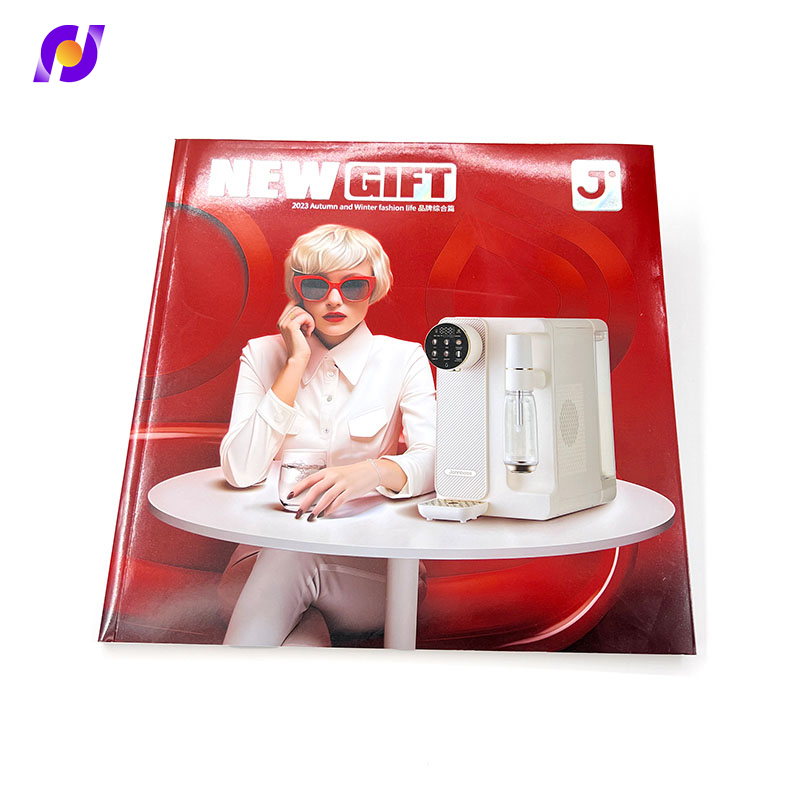
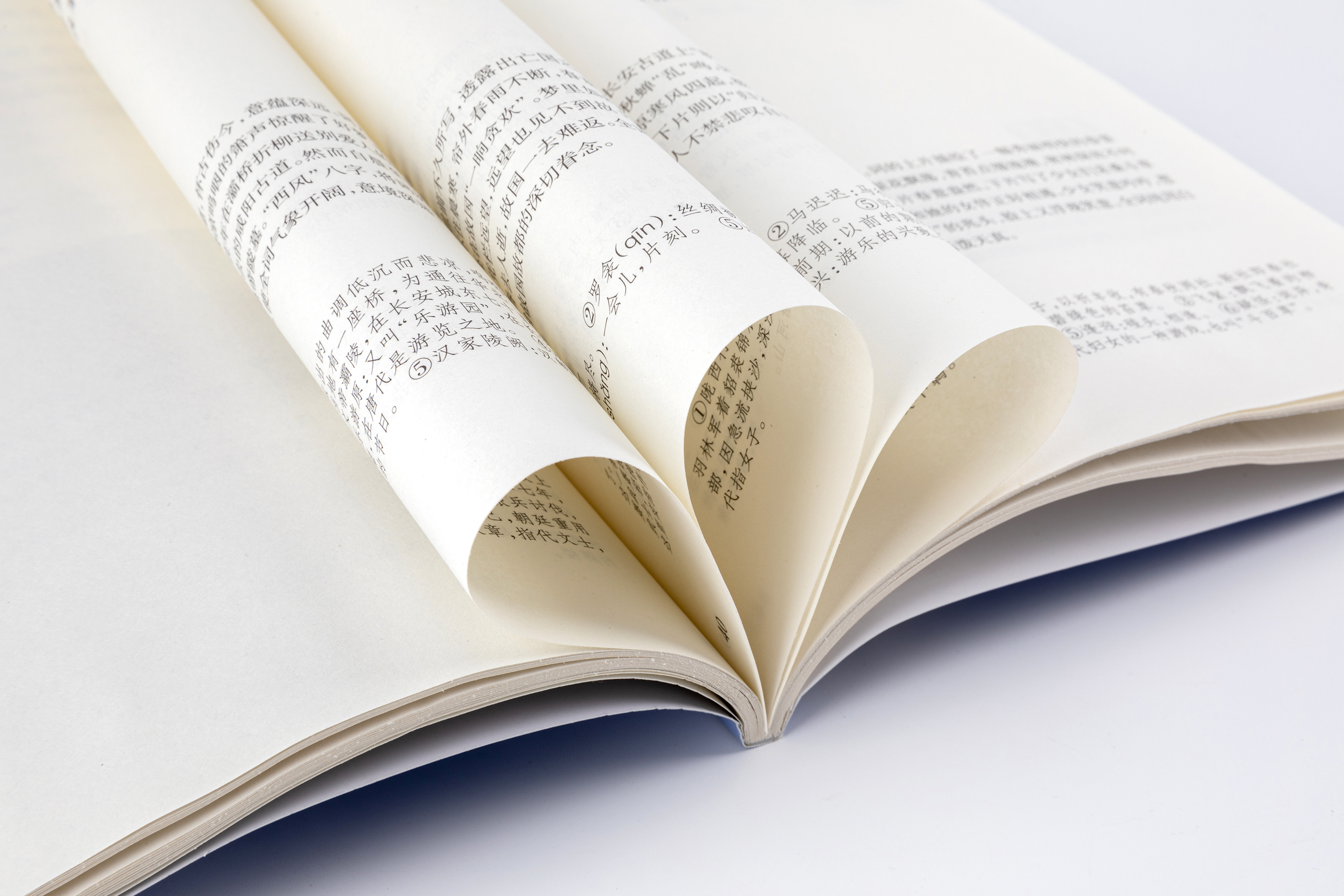
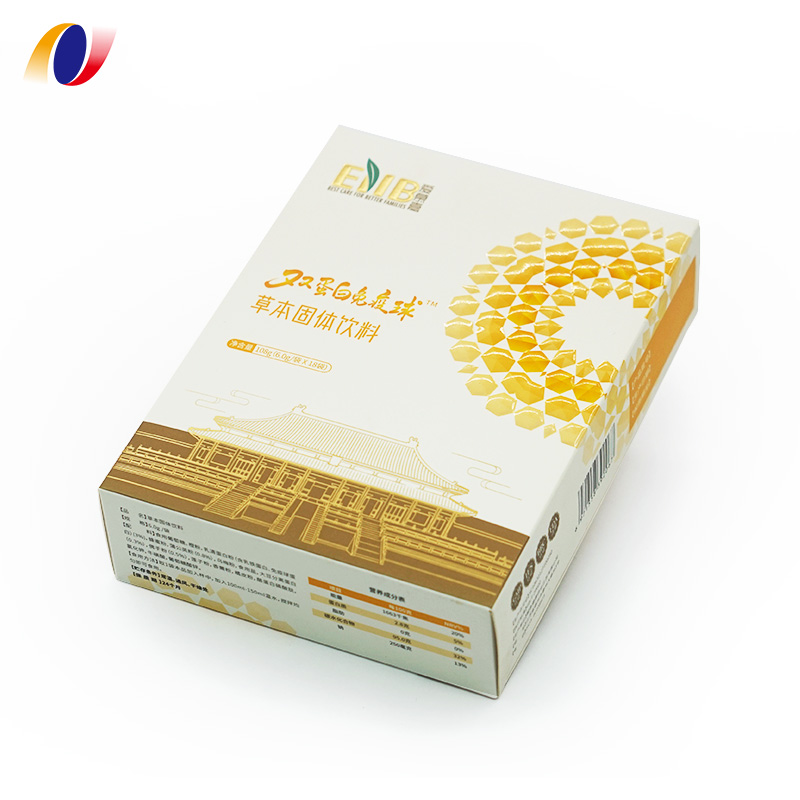
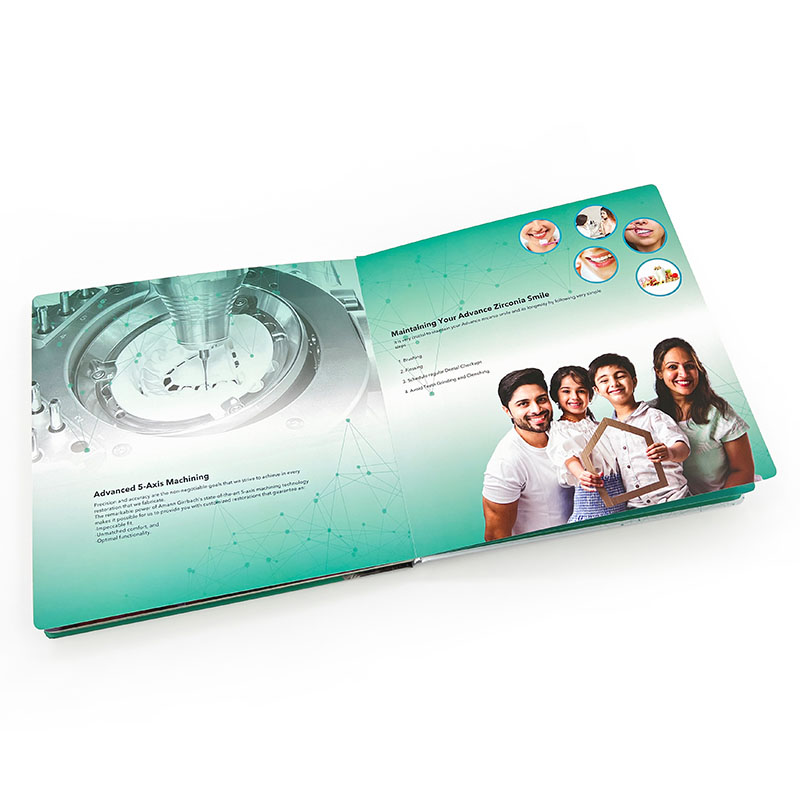
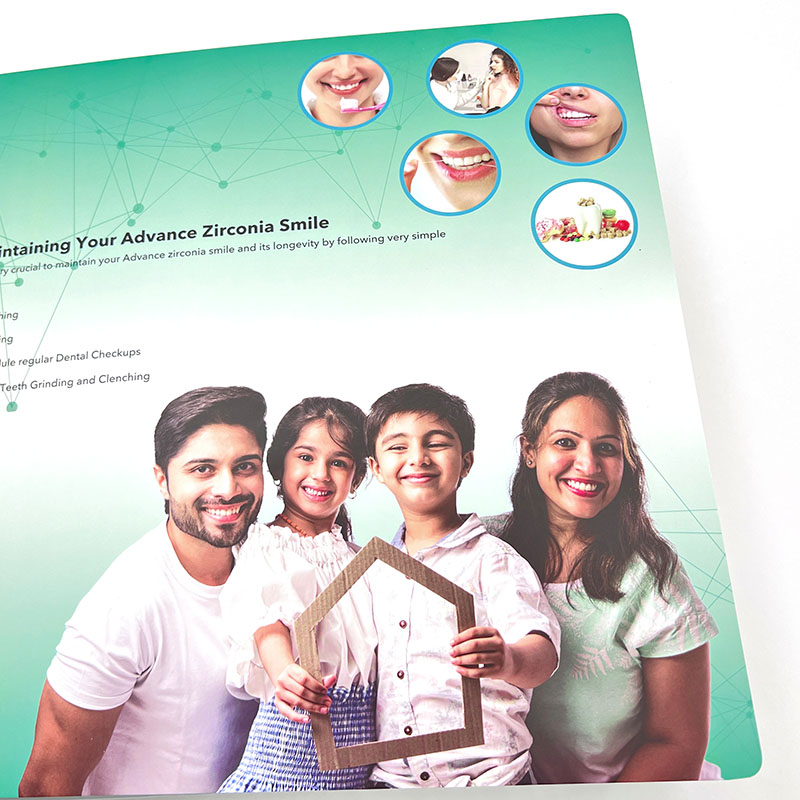
textbook printing
Textbook printing represents a specialized printing service designed to meet the unique demands of educational publishing. This process involves producing high-quality printed materials specifically tailored for academic institutions, creating durable and visually engaging educational resources. Textbook printing utilizes advanced printing technologies to ensure consistent quality, vibrant colors, and precise typography that enhances learning experiences.
The primary function of textbook printing is to transform digital manuscript files into physical books that meet educational standards and publisher specifications. Modern textbook printing incorporates digital printing technology alongside traditional offset methods, allowing for both small-batch and large-scale production runs. This flexibility enables publishers to manage inventory efficiently while maintaining cost-effectiveness.
Technologically, textbook printing features advanced color management systems, high-resolution imaging capabilities, and automated binding processes. These features ensure pages remain securely fastened, covers resist wear and tear, and illustrations display with exceptional clarity. The technology supports various paper stocks and binding options, from paperback to hardcover formats.
Applications of textbook printing extend across K-12 education, higher education, and professional training programs. Publishers utilize textbook printing services for core curriculum materials, supplementary workbooks, and specialized educational content. The versatility of textbook printing makes it invaluable for creating engaging materials that support diverse learning methodologies and student engagement strategies.

 EN
EN