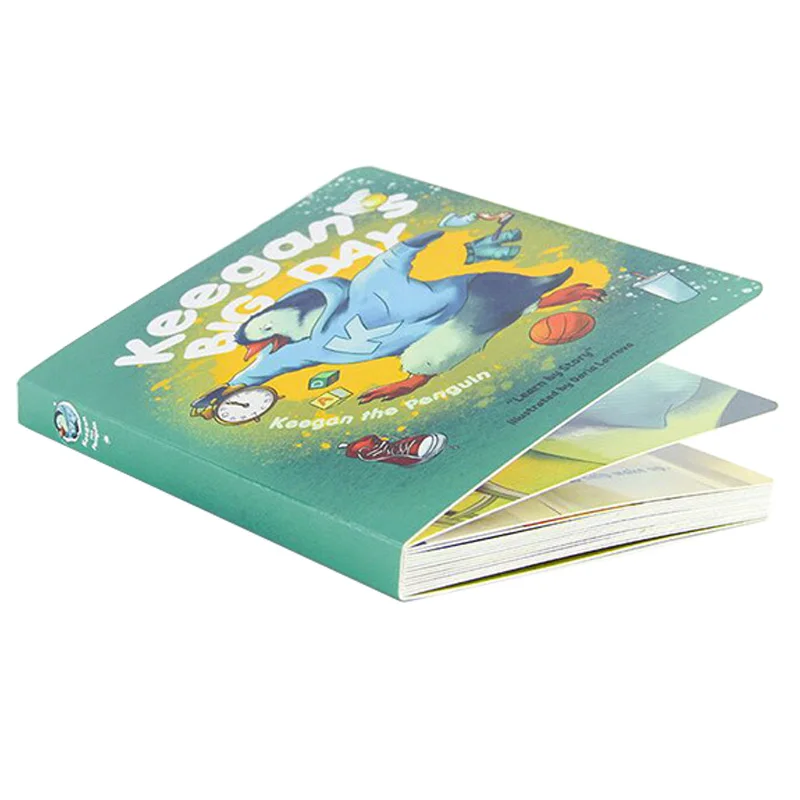
Professional Textbook Printing Services - High-Quality Educational Materials

Get a Free Quote

Our representative will contact you soon.
Email
Name
Company Name
Message
0/1000

textbook printing

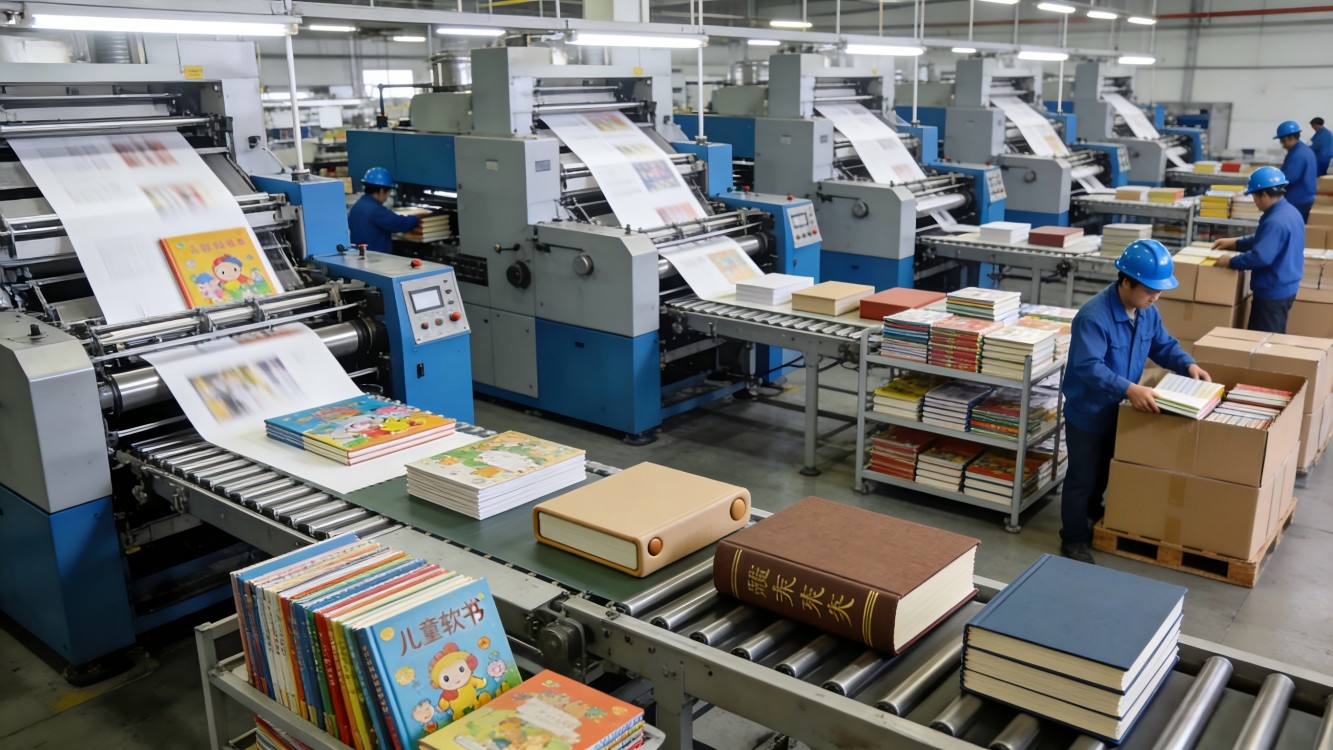
Textbook printing represents a specialized segment of the publishing industry that focuses on producing educational materials for academic institutions, students, and educators worldwide. This comprehensive printing process encompasses the creation of various educational resources including elementary school workbooks, high school textbooks, college coursework materials, and professional training manuals. The main functions of textbook printing involve transforming digital educational content into physical books that meet rigorous academic standards and durability requirements. Modern textbook printing facilities utilize advanced digital and offset printing technologies to ensure consistent quality, accurate color reproduction, and long-lasting materials that can withstand repeated use throughout academic semesters. The technological features of contemporary textbook printing include high-resolution imaging systems, automated binding equipment, quality control mechanisms, and eco-friendly printing processes that minimize environmental impact. These facilities often incorporate sophisticated workflow management systems that track projects from initial manuscript submission through final delivery, ensuring timely completion of educational materials. Applications of textbook printing extend beyond traditional classroom materials to include supplementary educational resources such as workbooks, laboratory manuals, reference guides, and interactive learning materials. Publishers rely on textbook printing services to produce materials that comply with educational standards, accessibility requirements, and institutional specifications. The printing process typically involves pre-press preparation, proof approval, production planning, printing execution, binding operations, and quality assurance testing. Advanced textbook printing operations can handle various paper types, binding styles, and finishing options to create customized educational materials that meet specific institutional needs and budget constraints.

New Products

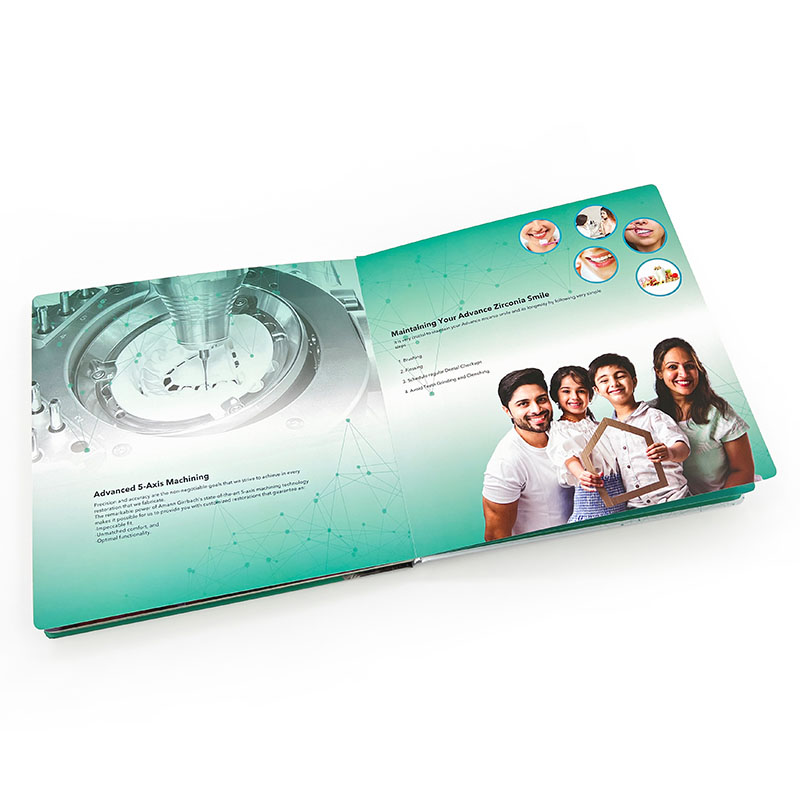
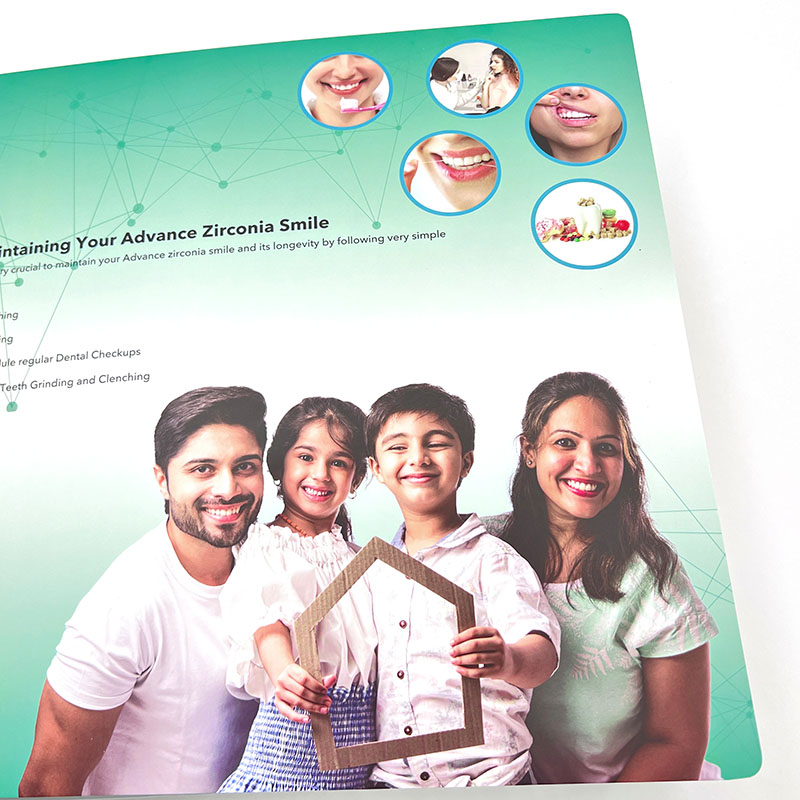
Textbook printing offers numerous practical benefits that make it an essential service for educational publishers and institutions seeking high-quality learning materials. The durability advantage of professionally printed textbooks ensures that educational materials can withstand extensive handling, repeated use, and various environmental conditions throughout multiple academic terms. This longevity translates into significant cost savings for schools and students who can rely on textbooks that maintain their structural integrity and readability over extended periods. Professional textbook printing provides superior print quality compared to basic printing alternatives, delivering crisp text, accurate diagrams, and vibrant illustrations that enhance the learning experience for students across all age groups. The consistency achieved through specialized textbook printing processes ensures that every copy meets identical quality standards, eliminating variations that could impact educational outcomes or create confusion among students using the same materials. Cost-effectiveness represents another major advantage, as large-scale textbook printing operations can produce educational materials at competitive prices through efficient production processes and bulk printing economies. Modern textbook printing services offer flexible customization options that allow publishers to create materials tailored to specific curriculum requirements, learning objectives, and institutional preferences without compromising production efficiency. Environmental responsibility has become increasingly important in textbook printing, with many facilities adopting sustainable practices including recycled paper usage, vegetable-based inks, and waste reduction programs that minimize the ecological footprint of educational material production. The speed and reliability of professional textbook printing services ensure that educational materials arrive on schedule, supporting academic calendar requirements and preventing disruptions to classroom instruction. Quality assurance protocols implemented throughout the textbook printing process guarantee that educational materials meet industry standards for readability, binding strength, and overall construction quality. Professional textbook printing operations provide comprehensive project management services that handle complex logistics, coordinate with multiple stakeholders, and ensure seamless delivery of finished materials to educational institutions worldwide.

Practical Tips

【B2B Printing Guide】What Are Custom Printing Services? 5 Key Processes Explained and Business Applications

13

Jan

【B2B Printing Guide】What Are Custom Printing Services? 5 Key Processes Explained and Business Applications

View More
How to Choose the Right Printing Process for Your Business? A Comprehensive Decision Guide from Offset to Digital Printing

13

Jan

How to Choose the Right Printing Process for Your Business? A Comprehensive Decision Guide from Offset to Digital Printing

View More
The Complete Process of Company Brochure Printing Revealed: 7 Steps to Professional Results from File Preparation to Final Delivery

13

Jan

The Complete Process of Company Brochure Printing Revealed: 7 Steps to Professional Results from File Preparation to Final Delivery

View More

Get a Free Quote

Our representative will contact you soon.
Email
Name
Company Name
Message
0/1000

textbook printing

Advanced Production Technology for Superior Educational Materials

Advanced Production Technology for Superior Educational Materials

Modern textbook printing facilities leverage cutting-edge production technology that revolutionizes how educational materials are created and delivered to academic institutions. These advanced systems incorporate state-of-the-art digital printing presses capable of producing high-resolution text and graphics with exceptional clarity and color accuracy. The integration of automated workflow management systems streamlines the entire textbook printing process, from initial file preparation through final quality control checks, ensuring consistent results and reduced production timelines. Computer-to-plate technology eliminates traditional film-based processes, resulting in sharper images, more precise registration, and enhanced overall print quality that directly benefits student learning experiences. Sophisticated color management systems maintain accurate color reproduction throughout the textbook printing process, ensuring that diagrams, charts, and illustrations appear exactly as intended by educational content creators. Variable data printing capabilities enable customization of textbooks for different regions, schools, or student populations without disrupting production efficiency or increasing costs significantly. Advanced binding technologies, including perfect binding, saddle stitching, and case binding options, provide durable construction that withstands repeated use while maintaining professional appearance standards expected in educational environments. Real-time quality monitoring systems continuously assess print quality during production, automatically detecting and correcting potential issues before they affect finished textbook quality. Digital asset management platforms facilitate efficient handling of complex textbook projects involving multiple contributors, revision cycles, and approval processes common in educational publishing. These technological advances translate into tangible benefits for educational institutions, including faster turnaround times, consistent quality across print runs, competitive pricing through operational efficiency, and the ability to accommodate special requirements such as accessibility features or custom formatting needs that support diverse learning environments.
Comprehensive Quality Assurance for Educational Excellence

Comprehensive Quality Assurance for Educational Excellence

Quality assurance in textbook printing encompasses a multi-layered approach that ensures every educational material meets the highest standards for academic use and student engagement. Professional textbook printing operations implement rigorous quality control protocols that begin with pre-press evaluation and continue through every stage of production, guaranteeing that finished materials exceed industry benchmarks for educational publishing. Experienced quality control specialists conduct thorough reviews of digital files, checking for potential issues including font compatibility, image resolution, color accuracy, and layout consistency that could compromise the final textbook appearance or functionality. Pre-flight analysis identifies and resolves technical problems before production begins, preventing costly reprints and ensuring that textbook printing projects stay on schedule and within budget constraints. Color profiling and calibration procedures maintain consistent color reproduction across different printing runs, ensuring that textbooks produced months apart maintain identical visual characteristics essential for curriculum continuity. Binding strength testing evaluates the durability of textbook construction, verifying that educational materials can withstand the rigorous handling expected in classroom environments throughout multiple academic terms. Paper quality assessment ensures that textbook printing utilizes materials appropriate for educational use, considering factors such as opacity, brightness, printability, and environmental sustainability requirements. Finished product inspection includes comprehensive checks of text clarity, image reproduction, binding integrity, and overall construction quality before textbooks are approved for distribution to educational institutions. Statistical quality control methods track production metrics and identify trends that could indicate potential quality issues, enabling proactive adjustments to maintain optimal textbook printing standards. Documentation and traceability systems record quality control data throughout the production process, providing valuable feedback for continuous improvement initiatives and ensuring accountability for textbook printing quality standards. This comprehensive approach to quality assurance provides educational publishers and institutions with confidence that their textbook printing investments will deliver reliable, professional-quality materials that support effective teaching and learning outcomes.
Sustainable and Cost-Effective Educational Publishing Solutions

Sustainable and Cost-Effective Educational Publishing Solutions

Sustainable textbook printing practices have emerged as a critical consideration for educational institutions and publishers seeking to balance environmental responsibility with cost-effective production of high-quality learning materials. Modern textbook printing facilities implement comprehensive sustainability programs that significantly reduce environmental impact while maintaining competitive pricing and superior product quality. Recycled paper utilization in textbook printing operations helps conserve natural resources and reduces waste generation, with many facilities offering educational materials printed on papers containing substantial post-consumer recycled content without compromising print quality or durability. Vegetable-based and soy-based ink formulations replace traditional petroleum-based inks, reducing volatile organic compound emissions and improving recyclability of finished textbooks while maintaining vibrant color reproduction and text clarity expected in educational materials. Energy-efficient printing equipment and LED-UV curing systems minimize power consumption during textbook printing operations, reducing both operational costs and carbon footprint associated with educational material production. Waste reduction initiatives implemented throughout textbook printing processes include digital proofing systems that eliminate paper waste from traditional proofing methods, optimized sheet layouts that maximize paper utilization, and recycling programs for production waste materials. Water-based coating technologies provide protective finishes for textbook covers and pages while eliminating harmful solvent emissions associated with traditional coating processes. Print-on-demand capabilities available through advanced textbook printing services reduce inventory waste by producing educational materials only when needed, eliminating overproduction and storage costs while ensuring current content availability. Carbon-neutral shipping options and regional distribution networks minimize transportation-related environmental impact while reducing delivery costs for educational institutions. Certification programs including Forest Stewardship Council chain-of-custody verification ensure that paper materials used in textbook printing originate from responsibly managed forests. These sustainable practices translate into measurable benefits for educational stakeholders, including reduced total cost of ownership, enhanced corporate social responsibility credentials, and alignment with institutional sustainability goals while maintaining the quality and reliability essential for effective educational material distribution.

Get a Free Quote

Our representative will contact you soon.
Email
Name
Company Name
Message
0/1000