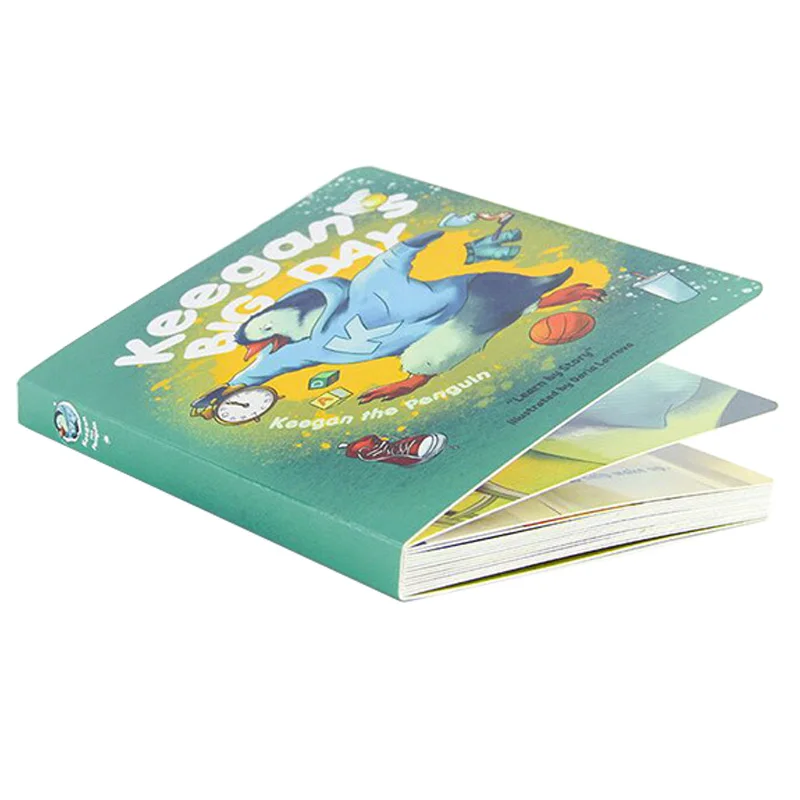
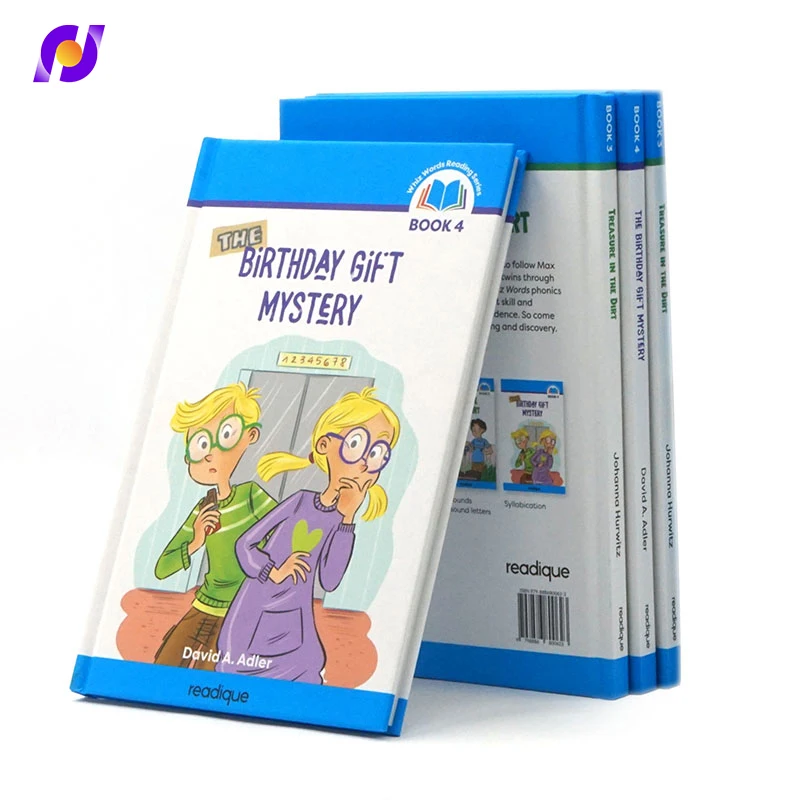
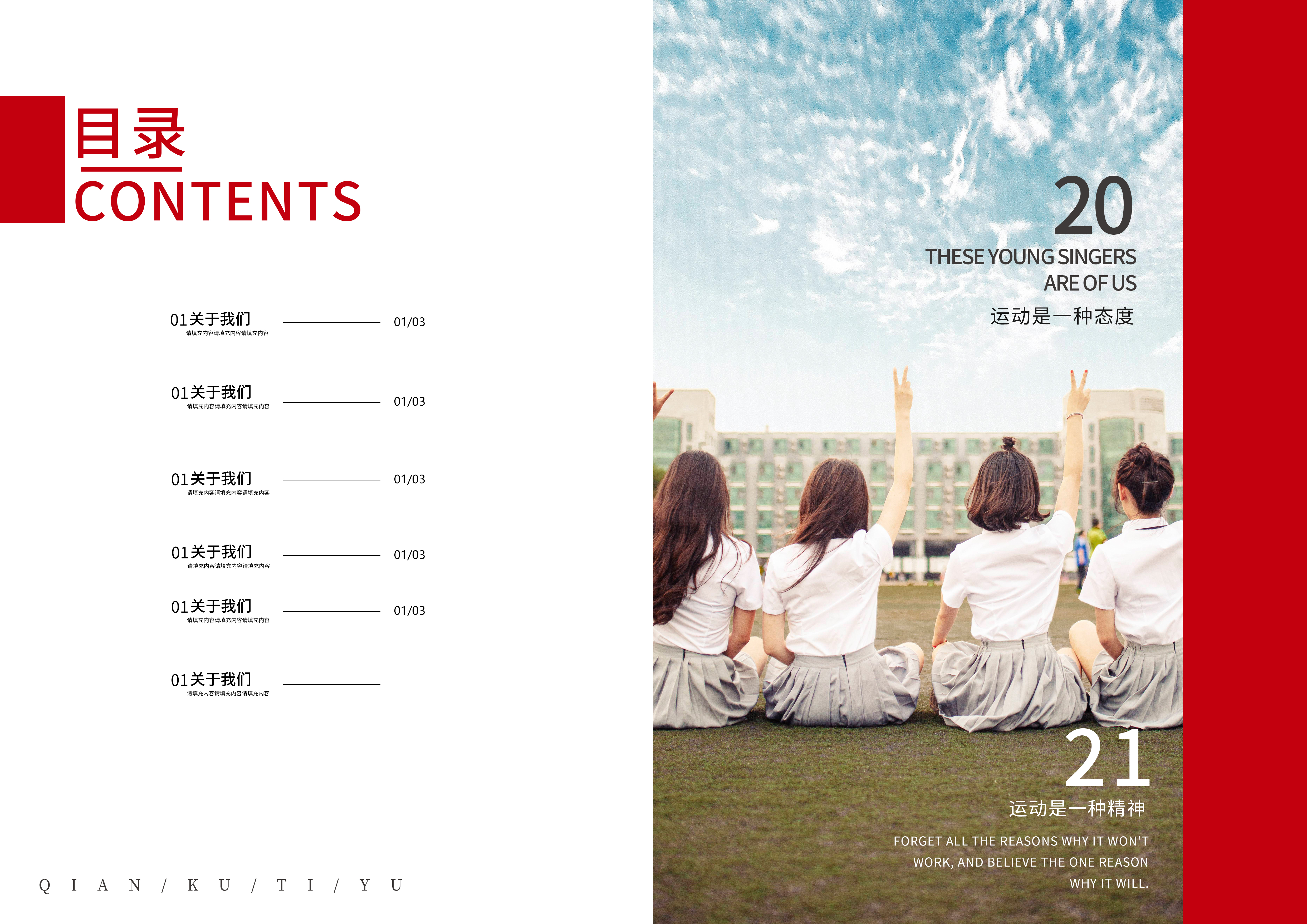
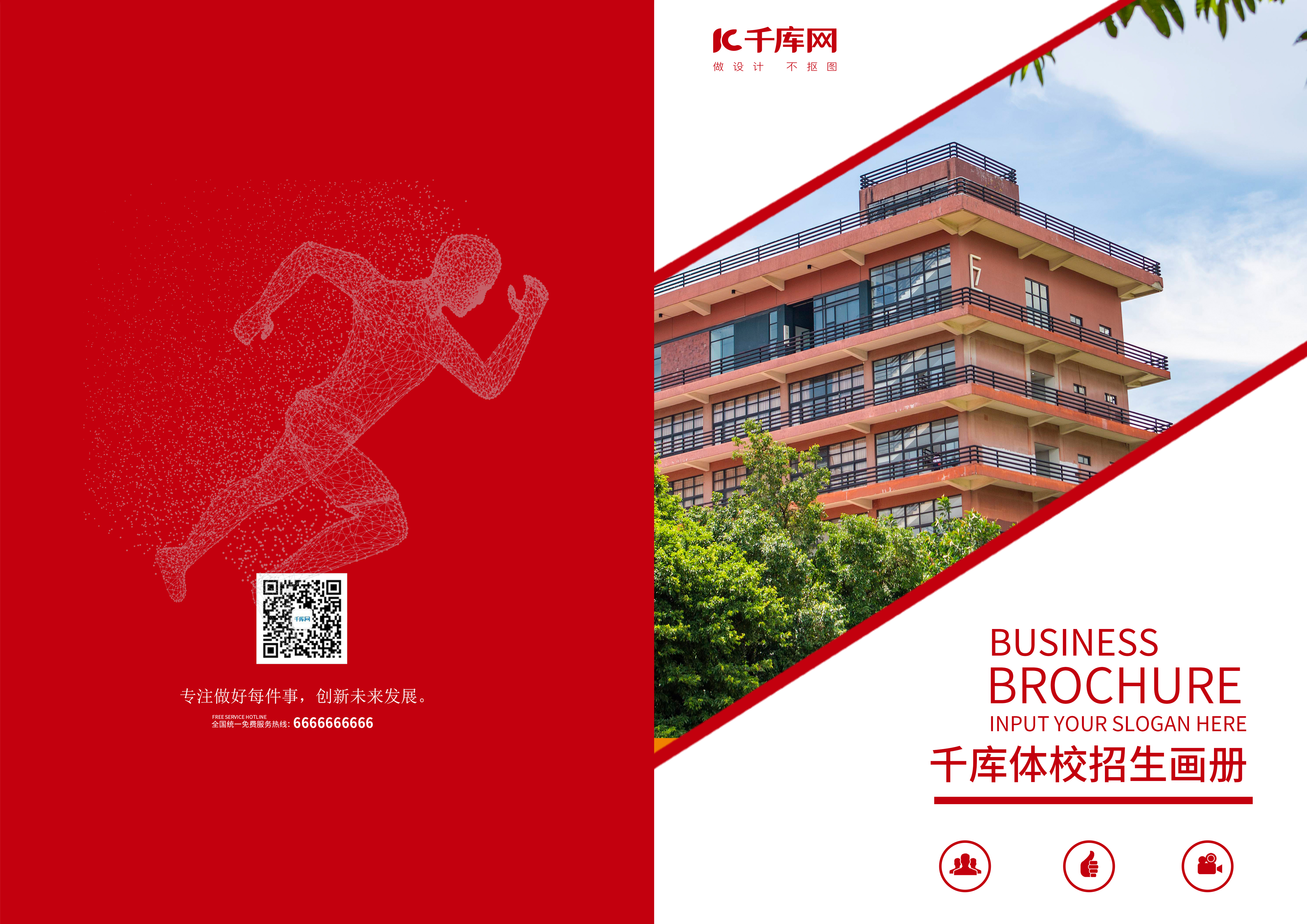
school brochure printing
School brochure printing serves as a fundamental marketing tool for educational institutions seeking to establish their presence and attract prospective students. School brochure printing enables schools to showcase their academic programs, facilities, campus culture, and student achievements through professionally designed printed materials. This form of promotional communication combines visual appeal with detailed information, creating a tangible representation of the institution's values and educational offerings.
The primary function of school brochure printing is to communicate key institutional information effectively. School brochure printing materials typically include program descriptions, faculty profiles, extracurricular activities, admission requirements, and tuition details. Modern school brochure printing incorporates advanced printing technologies such as high-resolution digital printing, premium paper stocks, and sophisticated color management systems that ensure vibrant, professional-quality output.
Technological features of contemporary school brochure printing include variable data printing capabilities, allowing customization for different audiences and distribution channels. Schools leverage school brochure printing to create targeted materials for various stakeholder groups including prospective students, parents, alumni, and partner organizations. The integration of QR codes and augmented reality elements within school brochure printing materials bridges traditional print media with digital engagement opportunities.
Applications of school brochure printing extend across multiple scenarios including college fairs, open house events, direct mail campaigns, and campus recruitment activities. Educational institutions utilize school brochure printing to differentiate themselves in competitive enrollment markets. The versatility of school brochure printing formats—from pocket-sized brochures to large-format materials—allows schools to adapt their messaging for specific promotional contexts and audience preferences.

 EN
EN