Perfect Bind Printing Services - Professional Book Binding Solutions for Quality Publications

Get a Free Quote

Our representative will contact you soon.
Email
Name
Company Name
Message
0/1000

perfect bind printing

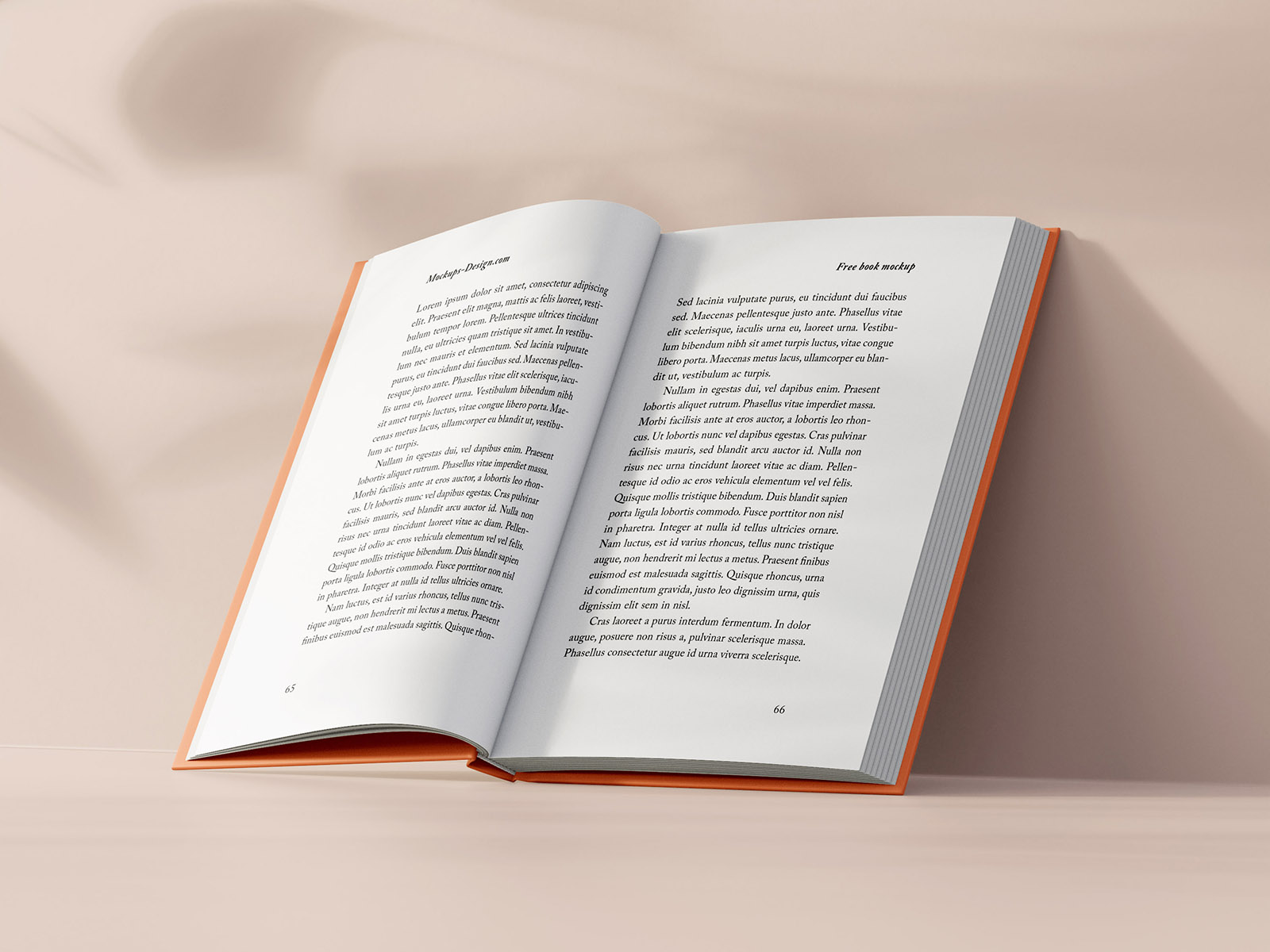
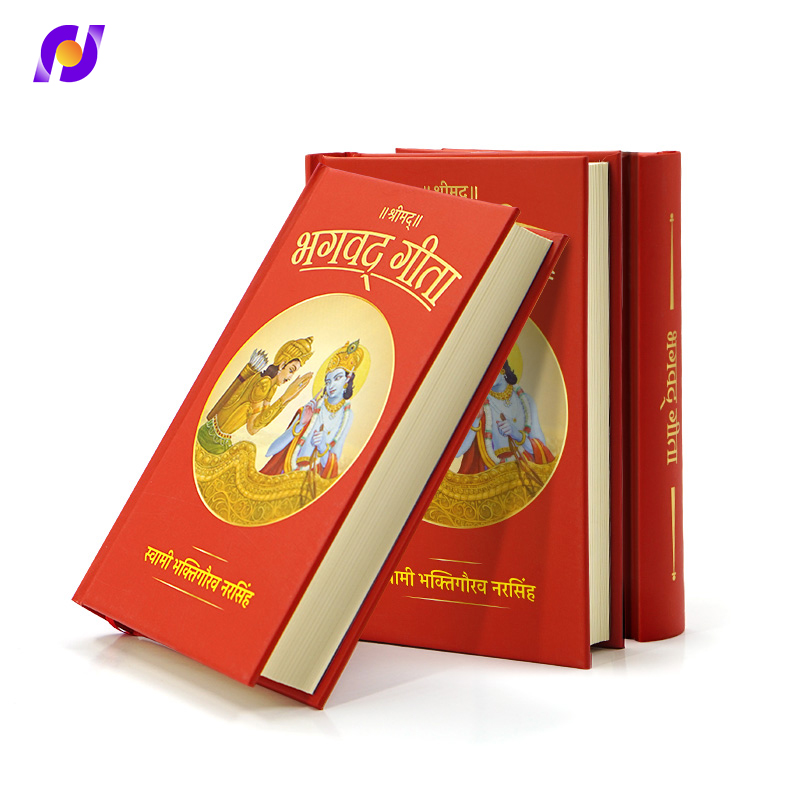
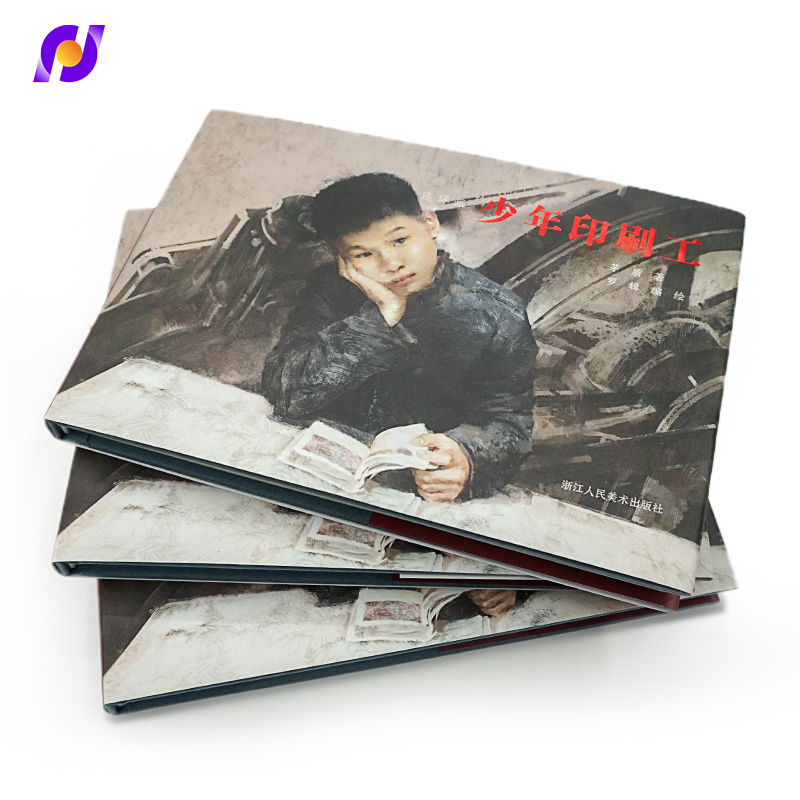
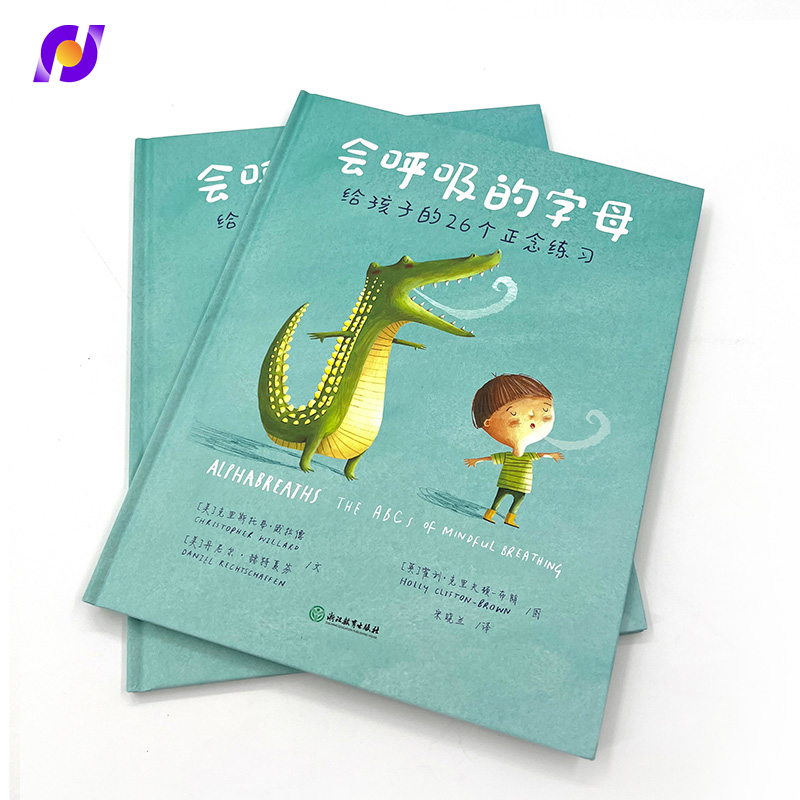
Perfect bind printing represents a sophisticated bookbinding technique that creates professional-quality publications through a streamlined adhesive binding process. This method involves gathering individual pages or signatures, roughening the spine edge, and applying hot-melt adhesive to secure all components together before attaching a wraparound cover. The perfect bind printing process delivers exceptional results for magazines, catalogs, paperback books, manuals, and corporate publications requiring a polished, retail-ready appearance. The technology utilizes advanced binding machinery that ensures precise spine preparation, consistent adhesive application, and accurate cover positioning. Modern perfect bind printing equipment incorporates computerized controls that monitor temperature, pressure, and timing throughout the binding sequence, guaranteeing uniform quality across large production runs. The spine roughening process creates optimal surface texture for adhesive penetration, while heated rollers ensure proper glue viscosity and distribution. Temperature regulation systems maintain ideal conditions for various paper stocks and adhesive formulations, accommodating diverse project requirements. Perfect bind printing accommodates publications ranging from thin booklets to substantial volumes exceeding 300 pages, making it versatile for numerous applications. The process supports various paper weights, from lightweight text stock to heavy cover materials, providing flexibility for different design specifications. Digital integration capabilities allow for variable data printing, enabling personalized publications within the same binding run. Quality control mechanisms include spine inspection systems, adhesive monitoring sensors, and automated rejection protocols that maintain consistent standards. The binding strength achieved through perfect bind printing ensures long-term durability, with properly executed bindings withstanding repeated handling and page turning. Environmental considerations drive continuous improvements in adhesive formulations, with many systems now utilizing recyclable hot-melt compounds that support sustainability initiatives while maintaining superior binding performance.

Popular Products

Perfect bind printing offers remarkable cost efficiency compared to alternative binding methods, particularly for medium to high-volume production runs. The automated nature of perfect bind printing reduces labor costs significantly, as minimal manual intervention is required once the binding process begins. This automation translates into faster turnaround times, allowing publishers and businesses to meet tight deadlines while maintaining budget constraints. The streamlined workflow of perfect bind printing eliminates multiple handling steps associated with traditional binding methods, reducing both time investment and potential quality issues. Production scalability represents another compelling advantage, as perfect bind printing systems can accommodate orders ranging from hundreds to thousands of copies without requiring equipment changes or setup modifications. The professional appearance achieved through perfect bind printing rivals that of traditional case binding at a fraction of the cost, making high-quality publications accessible to smaller publishers and businesses. Inventory management becomes more efficient with perfect bind printing, as the flat spine allows for easy storage and shipping optimization. The binding strength provided by modern perfect bind printing techniques ensures publications maintain their integrity throughout distribution and handling processes. Flexibility in paper selection gives designers creative freedom while maintaining binding reliability, supporting everything from recycled stocks to premium coated papers. The square spine created through perfect bind printing provides excellent surface area for title printing and branding elements, enhancing marketing potential and shelf appeal. Perfect bind printing supports various finishing options, including lamination, spot UV coating, and embossing, allowing for enhanced visual impact without compromising structural integrity. The process accommodates last-minute content changes more easily than sewn binding methods, providing valuable flexibility during production planning. Quality consistency remains exceptional across large runs, as computerized controls eliminate variations that might occur with manual binding processes. The environmental impact of perfect bind printing is generally lower than alternatives, particularly when using recyclable adhesives and sustainable paper sources, supporting corporate responsibility initiatives while maintaining professional results.

Latest News

【B2B Printing Guide】What Are Custom Printing Services? 5 Key Processes Explained and Business Applications

13

Jan

【B2B Printing Guide】What Are Custom Printing Services? 5 Key Processes Explained and Business Applications

View More
How to Choose the Right Printing Process for Your Business? A Comprehensive Decision Guide from Offset to Digital Printing

13

Jan

How to Choose the Right Printing Process for Your Business? A Comprehensive Decision Guide from Offset to Digital Printing

View More
The Complete Process of Company Brochure Printing Revealed: 7 Steps to Professional Results from File Preparation to Final Delivery

13

Jan

The Complete Process of Company Brochure Printing Revealed: 7 Steps to Professional Results from File Preparation to Final Delivery

View More

Get a Free Quote

Our representative will contact you soon.
Email
Name
Company Name
Message
0/1000

perfect bind printing

Superior Cost-Effectiveness and Production Efficiency

Superior Cost-Effectiveness and Production Efficiency

Perfect bind printing delivers exceptional value through its optimized production methodology that significantly reduces per-unit costs while maintaining professional quality standards. The automated binding process eliminates labor-intensive manual operations, creating substantial savings that benefit both large publishers and small businesses seeking professional results within budget constraints. This efficiency stems from the streamlined workflow where pages are automatically gathered, spine edges are prepared through mechanical roughening, and adhesive application occurs with precision timing that maximizes productivity. The equipment investment for perfect bind printing pays dividends through reduced operational costs, as the system requires minimal supervision once properly calibrated and can operate continuously for extended periods. Production scheduling becomes more predictable with perfect bind printing, as the consistent processing times allow for accurate delivery commitments and efficient resource allocation. The scalability advantage means businesses can start with smaller runs and expand capacity without changing binding methods, providing growth flexibility that supports long-term planning. Material waste reduction is another significant cost factor, as perfect bind printing optimizes paper usage and minimizes spoilage compared to more complex binding alternatives. The ability to combine different paper stocks within a single publication opens creative possibilities while maintaining cost control, allowing for premium inserts or special sections without requiring separate binding runs. Energy efficiency in modern perfect bind printing equipment further reduces operational expenses, with advanced heating systems that maintain optimal temperatures while minimizing power consumption. The quick changeover capabilities between different job specifications reduce downtime and increase machine utilization, maximizing return on equipment investment. Perfect bind printing also supports just-in-time production strategies, reducing inventory carrying costs and storage requirements while maintaining the ability to fulfill orders promptly. The reduced complexity compared to sewn binding methods means lower maintenance costs and fewer specialized technician requirements, contributing to overall operational efficiency and cost management.
Exceptional Versatility and Design Flexibility

Exceptional Versatility and Design Flexibility

Perfect bind printing accommodates an impressive range of publication types and specifications, making it the preferred choice for diverse printing projects that demand professional presentation with creative freedom. The versatility extends to page count flexibility, supporting everything from slim promotional booklets containing as few as 16 pages to comprehensive catalogs and manuals exceeding 300 pages, all while maintaining consistent binding quality and structural integrity. Paper stock compatibility represents a major advantage, as perfect bind printing successfully handles various weights and finishes, from lightweight text papers to heavy cover stocks, glossy coated materials, and textured specialty papers. This flexibility enables designers to create publications with varied tactile experiences and visual appeal without compromising the binding process. The spine customization options available through perfect bind printing provide excellent branding opportunities, with the flat binding edge offering optimal surface area for title placement, logo application, and marketing messages that enhance shelf presence and brand recognition. Color matching capabilities ensure spine graphics integrate seamlessly with cover designs, creating cohesive visual presentations that strengthen brand identity and market appeal. Perfect bind printing supports various finishing techniques including lamination for durability, spot UV coating for visual impact, embossing for tactile enhancement, and foil stamping for premium appearance, all while maintaining the structural integrity of the binding. The process accommodates mixed content types within single publications, allowing for different paper stocks in various sections, such as glossy photo inserts combined with matte text pages, creating dynamic publications that engage readers through varied textures and visual experiences. Format flexibility extends to unusual sizes and proportions, as perfect bind printing can handle custom dimensions that support unique design concepts while maintaining professional binding standards. The ability to incorporate fold-out pages, tip-ins, and other special elements within the binding process provides additional creative possibilities for complex publications. Digital integration capabilities enable variable data printing within perfect bind printing workflows, supporting personalized publications, versioned content, and targeted marketing materials without disrupting the binding process or requiring separate production runs.
Durability and Professional Quality Standards

Durability and Professional Quality Standards

Perfect bind printing delivers exceptional longevity and professional appearance that meets the demanding requirements of commercial publishing and corporate communications. The binding strength achieved through modern perfect bind printing techniques creates publications that withstand extensive handling, repeated opening and closing, and various environmental conditions while maintaining their structural integrity and visual appeal. Advanced adhesive formulations specifically designed for perfect bind printing provide superior flexibility and adhesion properties that adapt to different paper types and usage patterns, ensuring consistent performance across diverse applications. The spine preparation process, which includes precise edge trimming and controlled roughening, creates optimal bonding surfaces that maximize adhesive penetration and holding power, resulting in bindings that resist separation even under stress. Quality control measures integrated throughout the perfect bind printing process include automated inspection systems that monitor adhesive application, spine alignment, and cover positioning, ensuring every publication meets established quality standards. Temperature and pressure monitoring systems maintain optimal binding conditions throughout production runs, eliminating variations that could compromise binding strength or appearance. The professional appearance achieved through perfect bind printing rivals more expensive binding methods, with clean spine edges, precise cover alignment, and consistent page positioning that creates a premium look suitable for retail environments and professional presentations. Perfect bind printing supports various cover treatments that enhance both durability and visual impact, including protective lamination that resists moisture and wear while providing enhanced color saturation and tactile appeal. The flat spine configuration allows for optimal storage and shipping efficiency while providing excellent surface area for identification and branding elements that remain legible throughout the publication's lifespan. Modern perfect bind printing equipment incorporates advanced clamping and positioning systems that ensure accurate registration between text blocks and covers, eliminating gaps or misalignments that could compromise professional appearance. The binding process creates uniform spine thickness that supports consistent stacking and storage, important factors for inventory management and retail display applications. Environmental resistance testing confirms that properly executed perfect bind printing maintains integrity under various conditions including temperature fluctuations, humidity changes, and normal handling stress, ensuring publications remain functional and attractive throughout their intended lifespan.

Get a Free Quote

Our representative will contact you soon.
Email
Name
Company Name
Message
0/1000