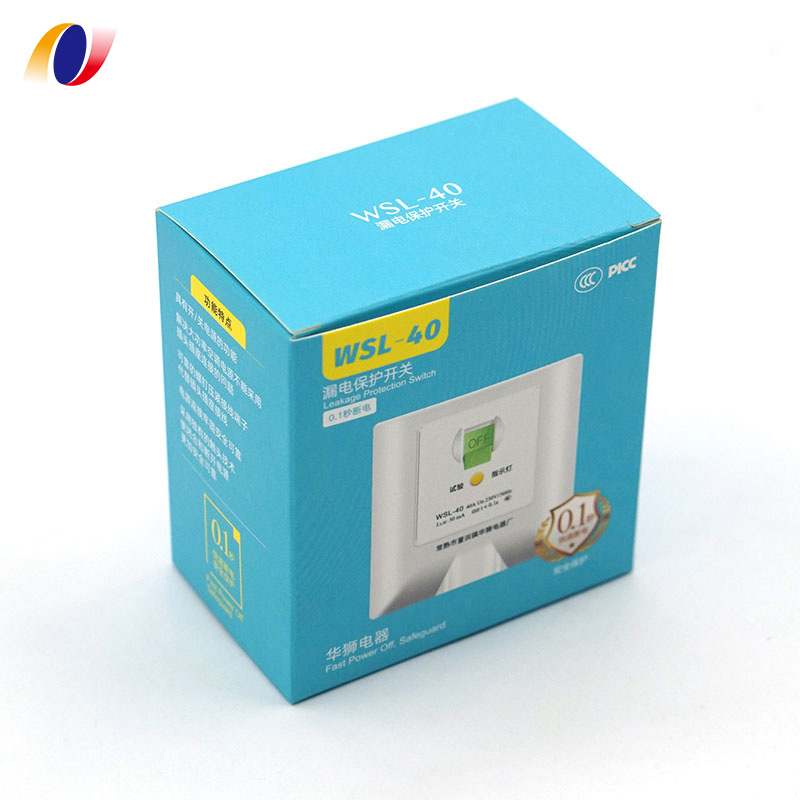
Eco-Friendly Packaging Box Printing Solutions | Sustainable Custom Packaging

Get a Free Quote

Our representative will contact you soon.
Email
Name
Company Name
Message
0/1000

eco-friendly packaging box printing

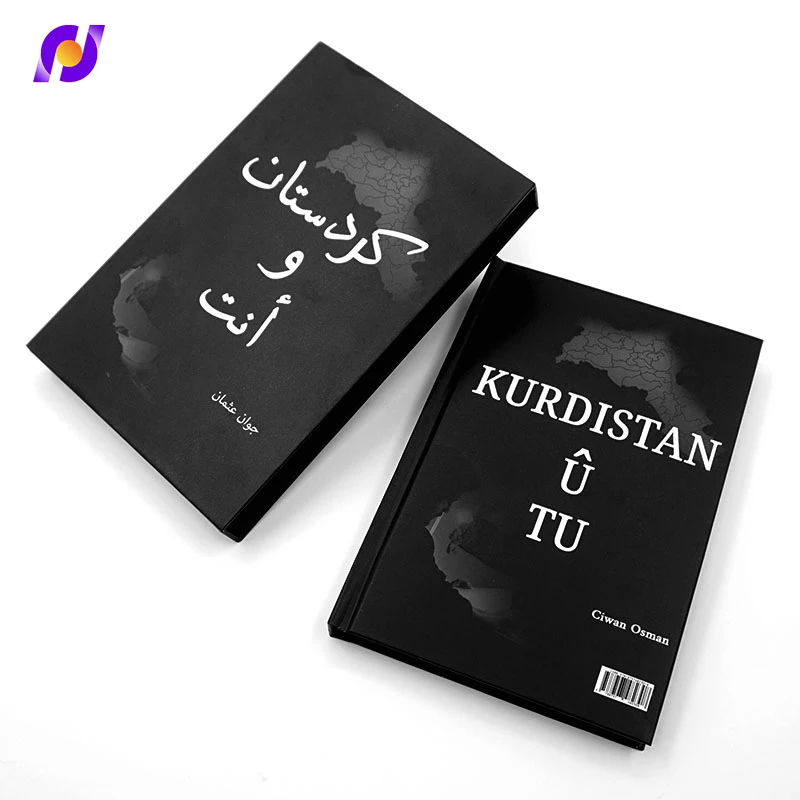
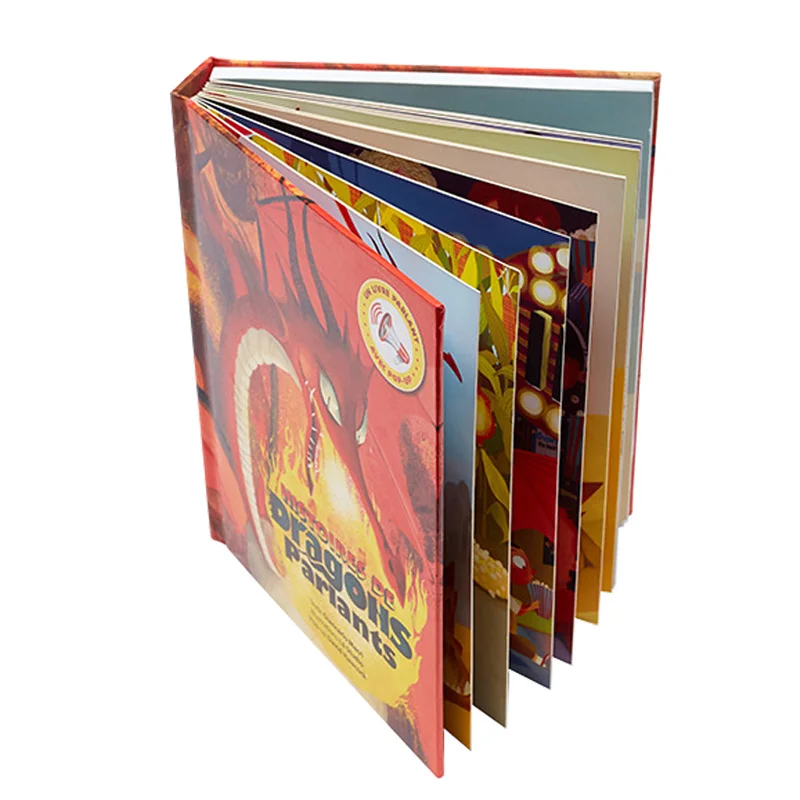
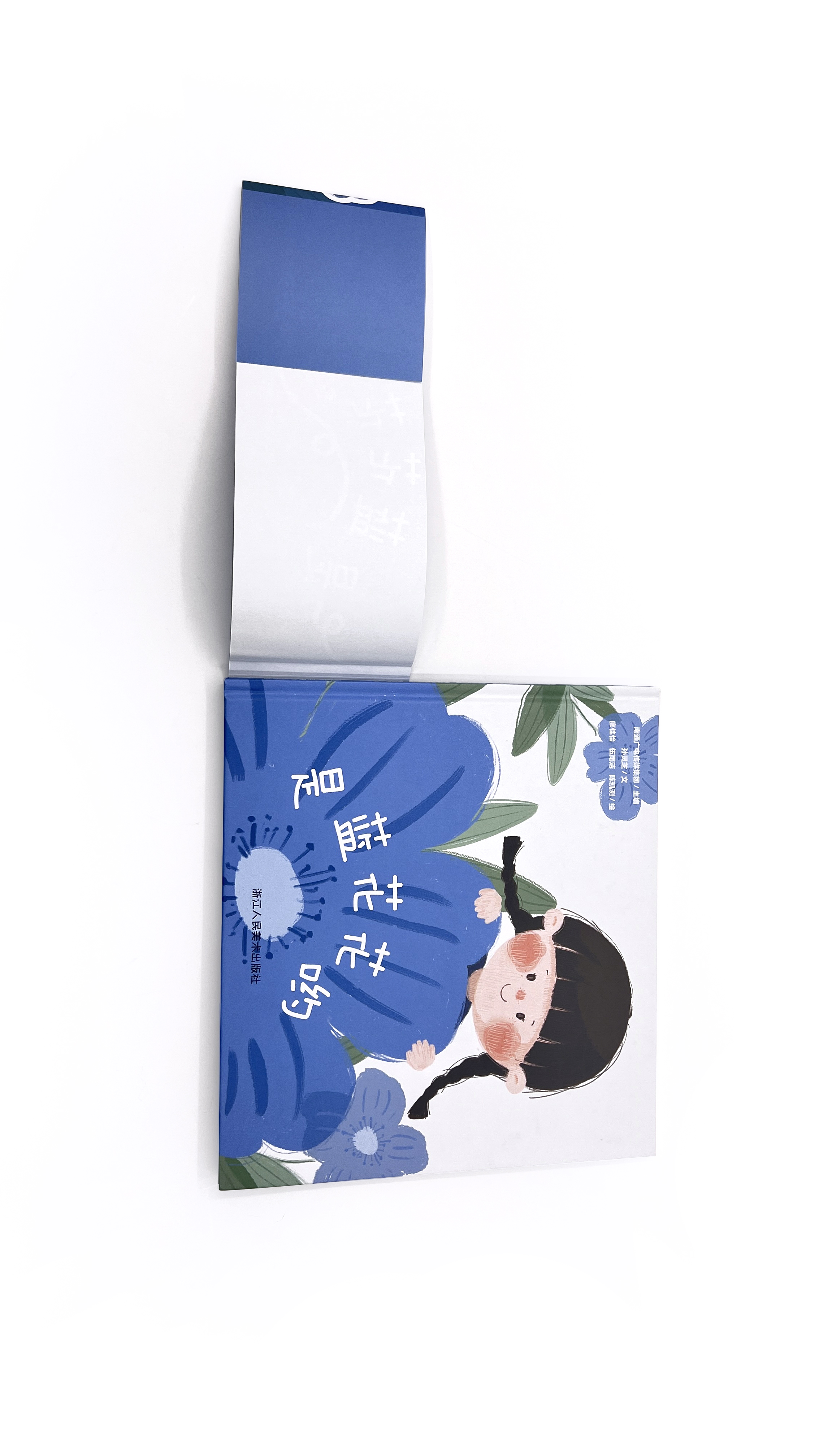
Eco-friendly packaging box printing represents a revolutionary approach to sustainable packaging solutions that combines environmental responsibility with high-quality visual appeal. This innovative printing technology utilizes biodegradable materials, water-based inks, and energy-efficient processes to create packaging boxes that minimize environmental impact while maintaining superior functionality and aesthetic standards. The main functions of eco-friendly packaging box printing encompass protecting products during transportation, enhancing brand visibility through attractive designs, and reducing carbon footprint through sustainable manufacturing practices. Modern eco-friendly packaging box printing employs advanced digital printing technologies that significantly reduce waste generation compared to traditional offset printing methods. These systems use precision ink application techniques that minimize excess material usage while delivering vibrant colors and sharp graphics. The technological features include soy-based and vegetable-based ink formulations that eliminate harmful chemicals typically found in conventional printing inks. Additionally, the printing process incorporates recycled cardboard substrates and FSC-certified materials sourced from responsibly managed forests. Water-based coating systems replace solvent-based alternatives, reducing volatile organic compound emissions and improving workplace safety conditions. The applications of eco-friendly packaging box printing span numerous industries including food and beverage, cosmetics, electronics, pharmaceuticals, and e-commerce sectors. Retail businesses increasingly adopt this technology to meet consumer demand for sustainable packaging while maintaining product protection and visual appeal. The printing process accommodates various box styles including folding cartons, corrugated boxes, rigid boxes, and specialty packaging formats. Advanced color management systems ensure consistent color reproduction across different substrate materials while maintaining environmental compliance standards. The integration of renewable energy sources in production facilities further enhances the sustainability credentials of eco-friendly packaging box printing operations.

New Product Recommendations

Eco-friendly packaging box printing delivers substantial cost savings through reduced material waste and energy consumption optimization. Companies utilizing this technology experience lower production costs due to efficient ink usage and streamlined manufacturing processes that eliminate unnecessary steps and reduce labor requirements. The environmental benefits extend beyond immediate cost reductions, as businesses can qualify for green certification programs and tax incentives designed to encourage sustainable practices. Customers increasingly prefer brands that demonstrate environmental consciousness, leading to enhanced brand loyalty and market differentiation opportunities. The superior print quality achieved through modern eco-friendly printing technologies ensures that packaging boxes maintain professional appearance standards while supporting sustainability goals. Water-based inks provide excellent color vibrancy and durability, resulting in packaging that withstands handling and transportation without compromising visual appeal. The absence of toxic chemicals in the printing process creates safer working conditions for employees and reduces health risks associated with traditional printing methods. Eco-friendly packaging box printing also offers faster turnaround times due to simplified drying processes and reduced setup requirements compared to conventional printing systems. The versatility of sustainable printing technologies accommodates complex design requirements including spot colors, gradients, and intricate patterns without compromising environmental standards. Businesses benefit from improved supply chain sustainability as eco-friendly packaging box printing supports circular economy principles through recyclable materials and biodegradable components. The reduced environmental footprint helps companies meet corporate social responsibility targets and comply with increasingly stringent environmental regulations. Market research indicates that consumers are willing to pay premium prices for products packaged in environmentally responsible materials, creating additional revenue opportunities for businesses adopting eco-friendly packaging box printing solutions. The technology supports customization requirements while maintaining sustainability standards, enabling businesses to create unique packaging designs that reflect brand identity without environmental compromise.

Practical Tips

【B2B Printing Guide】What Are Custom Printing Services? 5 Key Processes Explained and Business Applications

13

Jan

【B2B Printing Guide】What Are Custom Printing Services? 5 Key Processes Explained and Business Applications

View More
How to Choose the Right Printing Process for Your Business? A Comprehensive Decision Guide from Offset to Digital Printing

13

Jan

How to Choose the Right Printing Process for Your Business? A Comprehensive Decision Guide from Offset to Digital Printing

View More
The Complete Process of Company Brochure Printing Revealed: 7 Steps to Professional Results from File Preparation to Final Delivery

13

Jan

The Complete Process of Company Brochure Printing Revealed: 7 Steps to Professional Results from File Preparation to Final Delivery

View More

Get a Free Quote

Our representative will contact you soon.
Email
Name
Company Name
Message
0/1000

eco-friendly packaging box printing

Advanced Sustainable Material Technology

Advanced Sustainable Material Technology

The foundation of eco-friendly packaging box printing lies in its revolutionary sustainable material technology that transforms traditional packaging manufacturing through innovative substrate selection and processing methods. This advanced system utilizes post-consumer recycled cardboard content ranging from 70 to 100 percent, dramatically reducing the demand for virgin materials while maintaining structural integrity and print quality standards. The material technology incorporates specialized fiber treatment processes that enhance the recyclability of finished packaging boxes, ensuring that products can be efficiently reprocessed through existing waste management systems. FSC-certified substrates guarantee that any virgin materials used originate from responsibly managed forest resources that prioritize biodiversity conservation and sustainable harvesting practices. The innovative material composition includes natural binding agents derived from plant-based sources, replacing synthetic adhesives that typically contain formaldehyde and other volatile organic compounds. This substitution creates packaging boxes that decompose naturally in composting environments within 90 to 180 days, significantly reducing landfill accumulation and environmental pollution. The sustainable material technology also encompasses barrier coatings formulated from renewable resources such as corn starch and cellulose derivatives, providing moisture and grease resistance without compromising biodegradability. Advanced fiber engineering techniques optimize material strength-to-weight ratios, enabling the production of lightweight packaging boxes that maintain durability while reducing transportation costs and carbon emissions. The technology supports various thickness specifications and structural configurations, accommodating diverse packaging requirements from delicate electronics to heavy industrial components. Quality control systems ensure consistent material performance across production batches while monitoring environmental compliance metrics including carbon footprint reduction and waste stream optimization. The integration of nanotechnology applications enhances barrier properties and print adhesion without introducing harmful chemicals, representing a breakthrough in sustainable packaging material science.
Revolutionary Low-Impact Printing Process

Revolutionary Low-Impact Printing Process

The revolutionary low-impact printing process distinguishes eco-friendly packaging box printing through its comprehensive approach to minimizing environmental effects while maximizing operational efficiency and print quality outcomes. This innovative system employs waterless offset printing technology that eliminates the need for fountain solutions containing isopropyl alcohol and other volatile organic compounds traditionally used in conventional printing operations. The process utilizes advanced digital inkjet systems equipped with precision droplet placement technology that reduces ink consumption by up to 40 percent compared to traditional printing methods while maintaining superior color accuracy and consistency. Heat-assisted drying systems powered by renewable energy sources replace solvent-based drying methods, eliminating toxic emissions and reducing energy consumption by approximately 60 percent. The revolutionary process incorporates closed-loop water recycling systems that purify and reuse process water, achieving near-zero liquid waste discharge while maintaining strict quality standards. Automated color management systems optimize ink usage through real-time monitoring and adjustment capabilities, preventing overprinting and reducing material waste during production runs. The low-impact printing process features modular equipment designs that enable rapid changeovers between different packaging box specifications without extensive cleanup procedures that generate chemical waste. Advanced curing technologies utilizing LED UV systems provide instant ink setting capabilities while consuming 80 percent less energy than traditional mercury vapor lamps. The process eliminates the need for chemical plate processing through computer-to-plate imaging systems that reduce chemical consumption and disposal requirements. Integrated quality monitoring systems track environmental performance metrics including energy usage, material efficiency, and waste generation, providing real-time feedback for continuous improvement initiatives. The revolutionary printing process supports variable data printing capabilities, enabling personalized packaging solutions without increasing environmental impact through efficient production planning and execution methods.
Comprehensive Environmental Impact Reduction

Comprehensive Environmental Impact Reduction

Comprehensive environmental impact reduction represents the cornerstone benefit of eco-friendly packaging box printing, delivering measurable sustainability improvements across multiple environmental categories while maintaining commercial viability and operational excellence. This holistic approach addresses carbon footprint reduction through optimized production workflows that minimize energy consumption, transportation requirements, and raw material extraction impacts throughout the entire packaging lifecycle. The system achieves significant greenhouse gas emission reductions of up to 75 percent compared to conventional printing methods through renewable energy integration, efficient equipment utilization, and sustainable material sourcing strategies. Water conservation initiatives built into the printing process reduce consumption by implementing closed-loop recycling systems and waterless printing technologies that eliminate the discharge of contaminated wastewater into municipal treatment facilities. Air quality improvements result from the elimination of volatile organic compound emissions through water-based ink formulations and solvent-free processing methods that create healthier workplace environments and reduce atmospheric pollution. Waste stream optimization minimizes landfill contributions through comprehensive recycling programs that process production waste into reusable materials for future manufacturing cycles. The environmental impact reduction extends to packaging end-of-life scenarios through enhanced biodegradability and compostability features that accelerate natural decomposition processes in both industrial and home composting environments. Forest conservation benefits emerge from reduced virgin material consumption and support for certified sustainable forestry practices that maintain ecosystem integrity while providing renewable resources for packaging production. The comprehensive approach includes transportation efficiency improvements through lightweight packaging designs that reduce fuel consumption during distribution while maintaining product protection standards. Supply chain sustainability enhancements result from strategic partnerships with environmentally responsible suppliers who share commitment to sustainable practices and continuous improvement initiatives. Life cycle assessment methodologies quantify environmental benefits across multiple impact categories including carbon emissions, water usage, energy consumption, and ecological footprint metrics, providing transparent reporting capabilities for corporate sustainability programs and environmental compliance requirements.

Get a Free Quote

Our representative will contact you soon.
Email
Name
Company Name
Message
0/1000