digital book printing
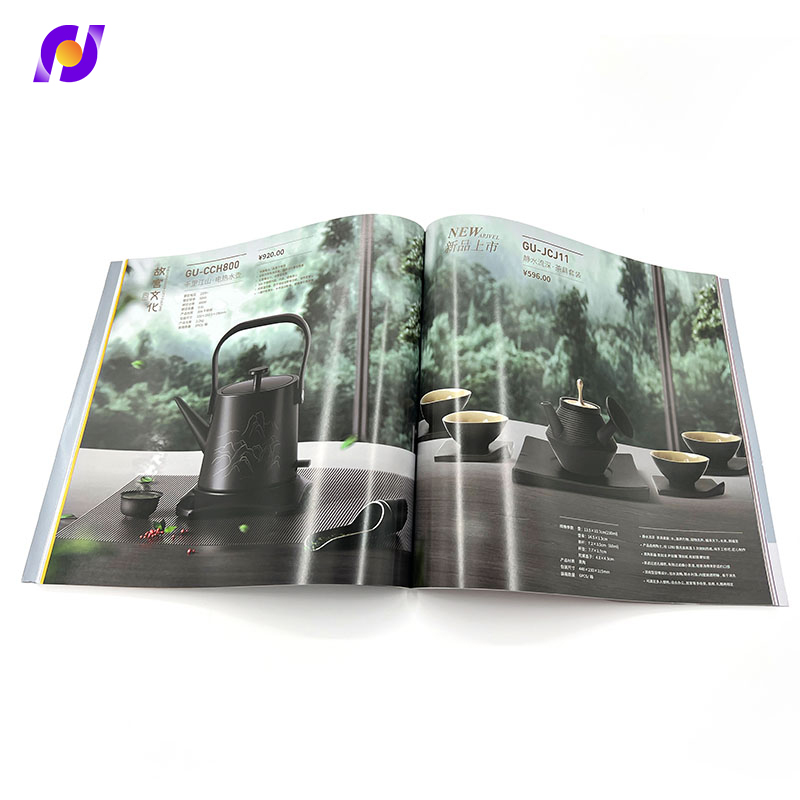
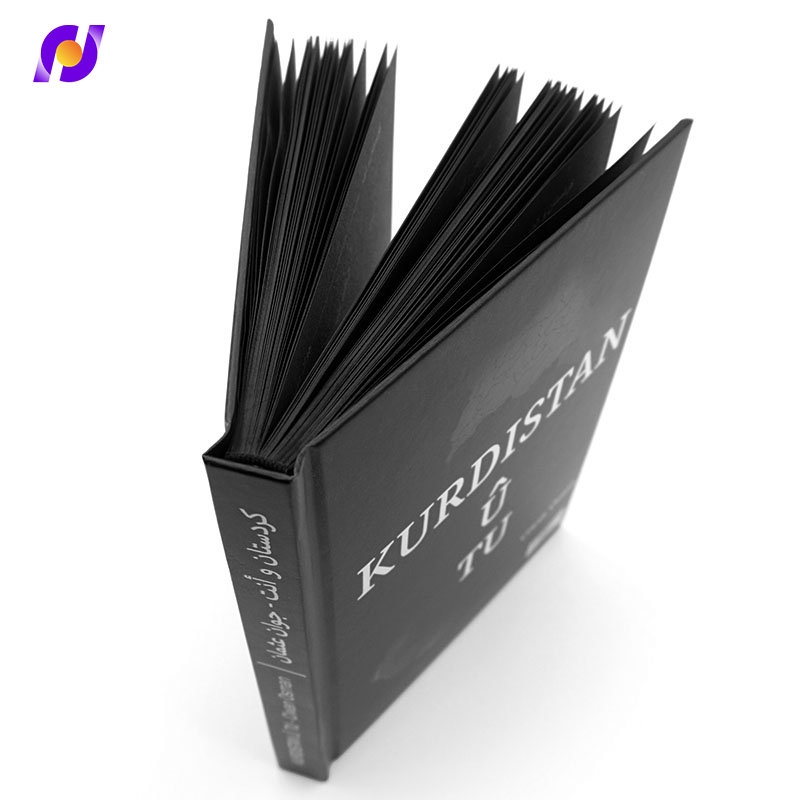
Digital book printing represents a modern publishing solution that enables authors, publishers, and businesses to produce high-quality printed books on demand without requiring large print runs. This innovative technology transforms the publishing landscape by eliminating traditional constraints associated with offset printing methods. Digital book printing utilizes advanced inkjet and laser printing technologies to reproduce text and images with exceptional precision and color accuracy. The process begins with digital files that are directly transmitted to specialized printing equipment, which produces finished books in remarkably short timeframes. Digital book printing accommodates various paper stocks, binding options, and cover finishes, allowing customization for different project requirements. The main functions of digital book printing include rapid production, cost-effective small batch manufacturing, and variable data printing capabilities. Technological features include high-resolution output up to 2400 DPI, automated color management systems, and intelligent workflow software that streamlines production processes. Digital book printing applications span self-published novels, corporate manuals, educational textbooks, marketing materials, and limited-edition collections. Publishers leverage digital book printing to test market demand before committing to larger print quantities, reducing financial risk. The technology supports both black-and-white and full-color publications with consistent quality throughout each run, making it ideal for contemporary publishing needs.

 EN
EN