
 EN
EN
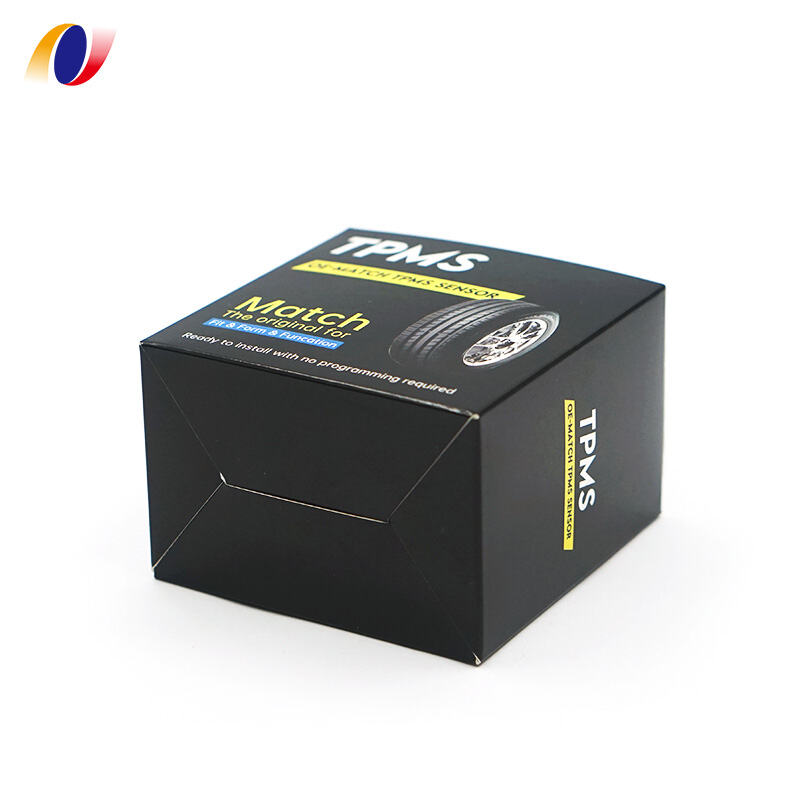
Effective communication with a printing factory begins with one critical foundation: precise specifications. When businesses fail to provide detailed, accurate specifications, projects face delays, cost overruns, and quality issues that could have been entirely preventable. The printing factory relies on your specifications as the blueprint for transforming your vision into physical reality, making this documentation the single most important factor in project success.

Understanding why specifications matter most in printing factory communication requires recognizing the complex production environment where your project will be manufactured. Modern printing operations involve multiple departments, specialized equipment, quality control checkpoints, and technical processes that must align perfectly to deliver your desired outcome. Without comprehensive specifications, even the most experienced printing factory cannot guarantee results that match your expectations.
The Foundation of Printing Factory Operations
Production Planning Dependencies
Every printing factory operates on detailed production schedules that depend entirely on accurate project specifications. When you submit a project without complete specifications, the printing factory cannot properly estimate production time, allocate appropriate equipment, or schedule the necessary personnel. This uncertainty creates bottlenecks that affect not only your project but also other clients' work in the production queue.
Production planners at the printing factory use your specifications to determine which printing press will handle your job, what paper stock needs to be ordered, which binding equipment will be required, and how long each production stage will take. Missing specifications force the printing factory to make assumptions or halt production to request clarification, both of which introduce unnecessary delays and potential errors.
The printing factory's ability to provide accurate cost estimates also depends on complete specifications. Without knowing exact page counts, paper specifications, binding requirements, and finishing options, the printing factory cannot calculate material costs, labor requirements, or equipment usage time accurately. This often results in preliminary estimates that change significantly once full specifications are provided.
Quality Control Framework
Quality control processes at any professional printing factory are built around the specifications you provide. Quality inspectors use your specifications as the standard against which they measure the finished product. When specifications are incomplete or unclear, quality control becomes subjective rather than objective, increasing the likelihood of disputes over whether the final product meets acceptable standards.
The printing factory establishes quality checkpoints throughout the production process based on your specifications. Pre-press technicians verify that digital files meet the specifications before creating printing plates. Press operators monitor color consistency, registration accuracy, and print quality according to the standards outlined in your specifications. Post-press workers ensure that binding, cutting, and finishing operations conform to your specified requirements.
Detailed specifications enable the printing factory to implement preventive quality measures rather than reactive corrections. When specifications clearly define acceptable tolerances for color variation, cutting accuracy, and binding strength, the printing factory can adjust equipment settings and procedures to stay within those parameters throughout production.
Communication Efficiency and Error Prevention
Reducing Back-and-Forth Exchanges
Comprehensive specifications dramatically reduce the number of clarification requests between you and the printing factory. When specifications cover all aspects of the project, from paper selection to delivery requirements, the printing factory can proceed confidently without interrupting your schedule with questions about missing details. This efficiency benefits both parties by reducing communication overhead and accelerating project timelines.
The printing factory's project management team can focus on production coordination rather than specification gathering when you provide complete documentation upfront. This allows them to identify potential production challenges early and propose solutions before work begins, rather than discovering issues mid-production when corrections become more expensive and time-consuming.
Clear specifications also enable the printing factory to provide more accurate project updates and milestone reports. When everyone understands exactly what is being produced, progress tracking becomes straightforward and meaningful. The printing factory can report completion percentages based on specific production stages rather than vague estimates.
Minimizing Interpretation Errors
Vague or incomplete specifications force the printing factory to interpret your requirements, which introduces the possibility of misunderstanding. What seems obvious to you may not be clear to production staff who work with dozens of different projects simultaneously. Detailed specifications eliminate ambiguity and ensure that your vision translates accurately through every stage of production.
The printing factory employs specialists in different areas who need specific information to perform their roles effectively. Pre-press technicians require detailed file specifications and color management instructions. Press operators need paper specifications and print quality standards. Bindery workers must understand finishing requirements and packaging instructions. Comprehensive specifications ensure each specialist receives the information necessary for optimal performance.
Technical specifications are particularly important because printing involves precise measurements, color values, and material properties. A printing factory cannot guess at bleeds, color profiles, or binding margins – these must be explicitly specified to ensure accurate production results.
Cost Control and Budget Management
Accurate Initial Pricing
Complete specifications enable the printing factory to provide accurate initial quotes that reflect true project costs. When specifications are detailed and comprehensive, the printing factory can calculate exact material requirements, production time, and equipment usage without building in contingency margins for unknown variables. This transparency benefits your budget planning and eliminates unpleasant cost surprises during production.
The printing factory's estimating department relies on specifications to determine the most cost-effective production methods for your project. Different specifications might favor different printing processes, paper grades, or binding techniques, each with distinct cost implications. Detailed specifications allow the printing factory to recommend alternatives that could reduce costs while maintaining quality standards.
Specification-based pricing also enables better comparison shopping between different printing factories. When multiple vendors receive identical, comprehensive specifications, their quotes reflect actual capability and efficiency differences rather than variations in how they interpreted incomplete requirements. This leads to more meaningful vendor selection decisions.
Change Order Prevention
Thorough specifications significantly reduce the need for change orders during production. Change orders typically carry premium pricing because they disrupt established production schedules, require equipment reconfiguration, and may result in material waste. The printing factory must charge for these disruptions to maintain profitability and fair pricing for other clients.
When specifications are incomplete, changes become inevitable as missing details are discovered during production. The printing factory must halt work, recalculate costs, and adjust schedules to accommodate these changes. Complete upfront specifications prevent most of these disruptions by addressing all project requirements before production begins.
The printing factory can also better manage its own costs when specifications are comprehensive. Material ordering, equipment scheduling, and labor allocation become more predictable, allowing the printing factory to operate more efficiently and pass those efficiency savings to clients through competitive pricing.
Timeline Management and Delivery Predictability
Production Schedule Optimization
Detailed specifications allow the printing factory to optimize production schedules for maximum efficiency. When all project requirements are known upfront, the printing factory can sequence operations to minimize setup changes, reduce material waste, and maximize equipment utilization. This optimization directly benefits project timelines by eliminating delays caused by production inefficiencies.
The printing factory can also identify potential bottlenecks before they occur when specifications are complete. If your project requires specialized materials or processes that have longer lead times, the printing factory can order materials or schedule equipment accordingly. This proactive approach prevents delays that would otherwise surprise both you and the printing factory during production.
Production scheduling at the printing factory also depends on accurate workload estimates derived from specifications. Each project's specifications determine how much press time, finishing work, and quality control attention will be required. Accurate specifications enable better capacity planning and more reliable delivery commitments.
Delivery Certainty
Complete specifications enable the printing factory to provide delivery commitments with greater confidence. When all production variables are known, scheduling becomes predictable rather than reactive. The printing factory can account for each production stage, material procurement time, and quality control requirements when establishing delivery dates.
Your business planning benefits significantly from reliable delivery commitments. Marketing campaigns, product launches, and distribution schedules can be coordinated with confidence when the printing factory provides delivery dates based on comprehensive specifications rather than preliminary estimates that may change as project details emerge.
The printing factory's reputation and client relationships also depend on meeting delivery commitments. Detailed specifications enable them to make promises they can keep, which benefits long-term partnerships and repeat business opportunities. This reliability creates value for both the printing factory and its clients.
Quality Assurance and Expectation Management
Measurable Quality Standards
Specifications transform quality from a subjective concept into measurable standards that both you and the printing factory can evaluate objectively. When specifications define acceptable color tolerances, registration accuracy, binding strength, and finishing quality, there is no ambiguity about whether the finished product meets requirements.
The printing factory's quality control processes become more effective when they have specific targets to achieve rather than general quality guidelines. Quality inspectors can use measuring instruments, color densitometers, and standardized testing procedures to verify that products meet specified requirements. This objective approach reduces disputes and ensures consistent quality across production runs.
Detailed quality specifications also enable the printing factory to invest in appropriate equipment and training to meet your standards. When quality requirements are clearly defined, the printing factory can determine whether their current capabilities are sufficient or whether additional resources are needed to deliver acceptable results.
Managing Client Expectations
Clear specifications help align expectations between you and the printing factory before production begins. When all project details are documented and agreed upon, both parties understand exactly what will be delivered. This alignment prevents disappointment and disputes that can arise when expectations are not clearly communicated.
The printing factory can also use specifications to educate clients about realistic outcomes given their budget and timeline constraints. Sometimes client expectations exceed what is practical or cost-effective, and detailed specification discussions provide opportunities to adjust expectations or modify requirements to achieve better balance between quality, cost, and schedule.
Specification-based communication also enables the printing factory to explain technical limitations and trade-offs that might affect project outcomes. This educational aspect of the relationship helps clients make informed decisions about specifications that will impact their satisfaction with the final product.
FAQ
What specific information should be included in printing factory specifications?
Comprehensive printing factory specifications should include exact dimensions, paper weight and type, color requirements with Pantone or CMYK values, binding method, quantity, delivery date, and any special finishing requirements. Additionally, provide digital file specifications including resolution, bleed requirements, and color profiles to ensure the printing factory can process your files correctly.
How do incomplete specifications affect printing factory pricing?
Incomplete specifications force the printing factory to estimate unknown variables, typically resulting in higher preliminary quotes that include contingency margins for uncertainty. As missing details emerge during production, change orders become necessary, which carry premium pricing due to production disruptions and schedule adjustments.
Can a printing factory proceed without complete specifications?
While a printing factory may accept projects with incomplete specifications, this approach significantly increases risks for both parties. Production delays, cost overruns, and quality disputes become much more likely when specifications are missing or unclear. Professional printing factories typically require complete specifications before beginning production to ensure successful project outcomes.
How far in advance should specifications be provided to a printing factory?
Specifications should be provided to the printing factory as early as possible in the project planning process, ideally when requesting initial quotes. Early specification sharing allows the printing factory to provide accurate pricing, realistic timelines, and identify any potential production challenges that might require specification adjustments or alternative approaches.