
 EN
EN
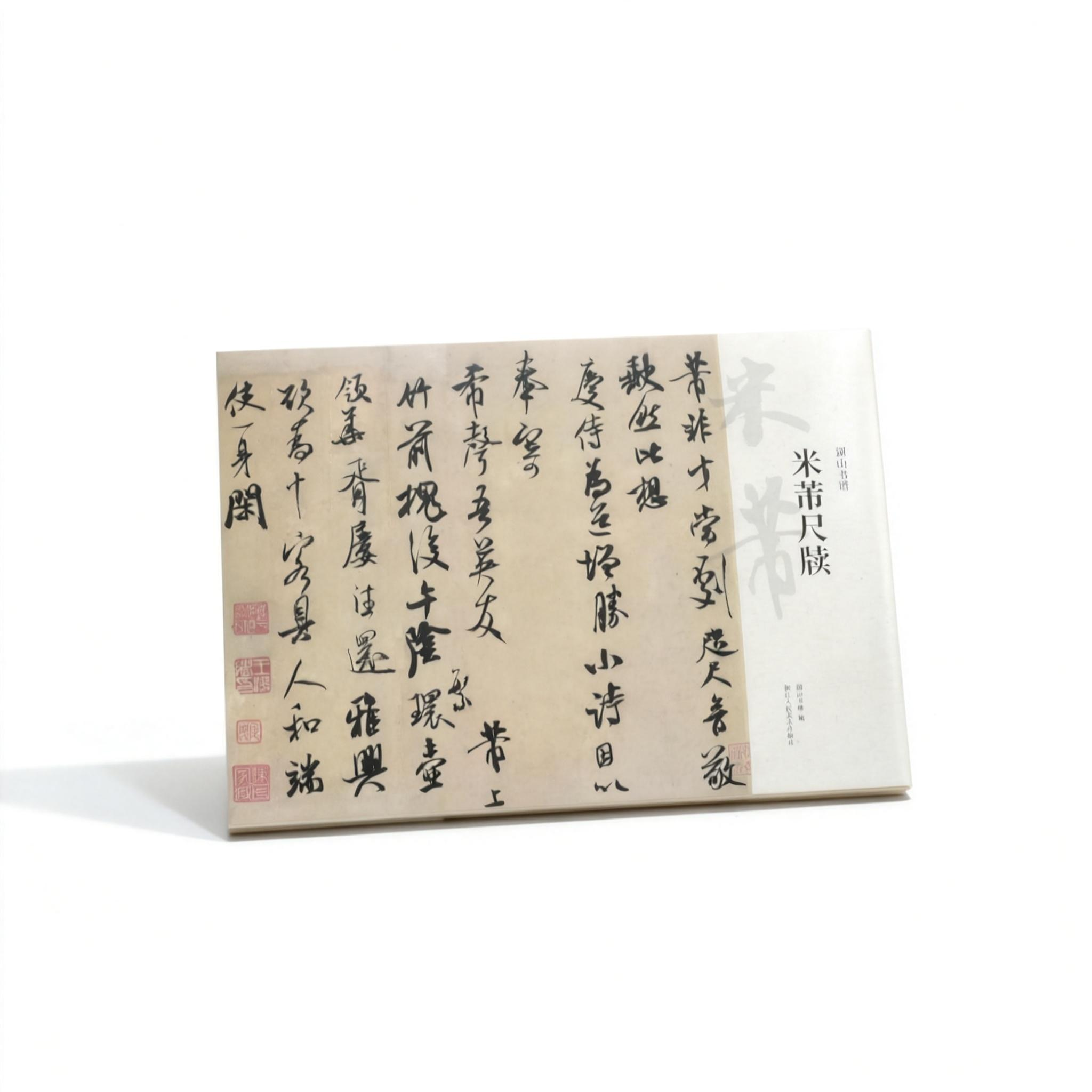
Hardcover book printing represents a significant step above standard paperback production, offering durability, prestige, and professional appeal. Understanding the structural differences in hardcover book printing is essential for publishers, authors, and businesses seeking to produce high-quality bound volumes. The process involves specialized techniques, premium materials, and careful engineering to create books that withstand years of handling while maintaining aesthetic excellence. Hardcover book printing combines traditional craftsmanship with modern printing technology, resulting in products that command shelf presence and reader confidence.
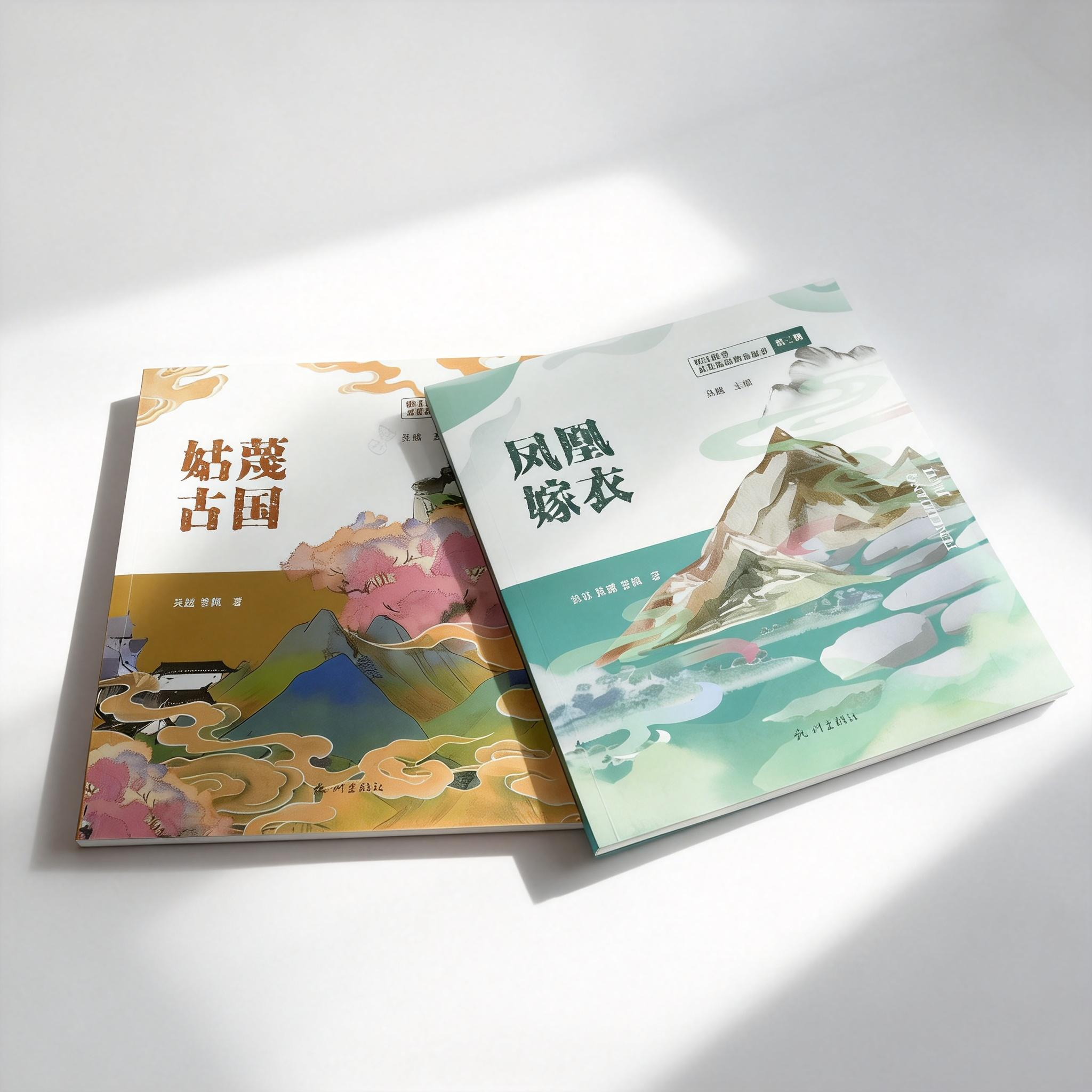
The demand for hardcover book printing continues across academic publishing, corporate communications, literary markets, and luxury packaging sectors. Whether producing limited editions, coffee table books, or institutional publications, the structural integrity of hardcover book printing ensures long-term value and reader satisfaction. This guide explores the core architectural elements that distinguish hardcover book printing from other binding formats, examining materials, construction methods, quality control, and practical applications in modern publishing environments.
Core Structural Components in Hardcover Book Printing
The Case and Cover Assembly
The protective outer case is the most visible element differentiating hardcover book printing from softcover alternatives. In hardcover book printing, the case is constructed from rigid materials such as millboard or chipboard, typically measuring between 2–3 mm thick. These boards are laminated with decorative covering materials including cloth, paper, or specialty finishes. The hardcover book printing case wraps around the book block with endpapers serving as the adhesive bridge between the case interior and the bound pages. This rigid structure provides protection and structural support that paperback spines cannot match, making hardcover book printing ideal for reference materials and collectible editions.
The Book Block and Binding Methods
The book block—the assembled and bound pages—forms the foundation of any hardcover book printing project. Traditional hardcover book printing employs sewn binding, where signatures (folded sheets) are stitched together using thread, creating a flexible yet durable spine. This method contrasts sharply with adhesive-only binding used in many paperbacks. Advanced hardcover book printing often uses Perfect Binding combined with reinforcement strips or Smythe Sewing for premium durability. The spine of hardcover book printing receives additional reinforcement through crash material and lining fabrics, ensuring the book opens smoothly without pages separating. Professional hardcover book printing facilities calibrate binding tension precisely to allow natural page articulation while maintaining structural integrity across thousands of open-close cycles.
Materials and Manufacturing Differences
Premium Paper and Board Selection
Material specification directly impacts the perceived quality and longevity of hardcover book printing. The interior pages in hardcover book printing typically use paper stocks ranging from 80–100 gsm, selected for opacity, brightness, and aging resistance. Hardcover book printing manufacturers source boards from suppliers specializing in archival-grade materials resistant to warping and delamination. Cover materials for hardcover book printing include buckram cloth, linen, art paper, and leather-grain laminates, each chosen for texture, durability, and visual appeal. Unlike paperback production, hardcover book printing budgets accommodate these premium substrates because the rigid structure justifies higher material costs through extended shelf life and collector value.
Finishing and Enhancement Options
Hardcover book printing supports sophisticated finishing techniques that enhance both durability and aesthetics. Foil stamping, embossing, and debossing create tactile cover elements that distinguish luxury hardcover book printing from mass-market editions. Lamination coatings in hardcover book printing provide moisture resistance and fingerprint protection, critical for institutional and library applications. The hardcover book printing process accommodates edge painting, gilding, and deckle-edge finishes that signal premium production. Dust jackets, bookmark ribbons, and slipcase packaging further differentiate hardcover book printing offerings from standard commercial printing, allowing publishers to command premium positioning in the market.
Production Process and Quality Control
Precision Engineering in Hardcover Book Printing
The manufacturing sequence for hardcover book printing follows a carefully orchestrated workflow that differs significantly from paperback production. After page signatures are printed and folded, the book block undergoes collating, gathering, and binding in specialized equipment designed to handle rigid structures. Hardcover book printing presses apply precise pressure to ensure even ink coverage on complex surfaces and textured materials. The casing-in process—where the bound book block is attached to the case—requires synchronized pressure systems that hardcover book printing manufacturers calibrate to prevent misalignment or adhesive bleed-through. Quality checkpoints throughout hardcover book printing production monitor page registration, binding tension, case squareness, and cover alignment to ensure every volume meets specification.
Durability Testing and Standards Compliance
Professional hardcover book printing facilities implement rigorous testing protocols to validate structural performance. Binding durability tests simulate thousands of page openings to verify that hardcover book printing withstands institutional use. Accelerated aging tests assess how hardcover book printing materials respond to environmental stress, ensuring colors remain stable and boards resist warping. Hardcover book printing production also monitors adhesive cure times, coating thickness, and surface finish uniformity. International standards such as ISO 14117 guide hardcover book printing quality benchmarks, particularly for library and archival applications where long-term preservation is non-negotiable. Modern hardcover book printing facilities employ automated vision systems and statistical process controls to maintain consistency across production runs.
Applications and Industry Context
Publishing and Literary Markets
Traditional hardcover book printing dominates trade publishing, particularly for first editions, award-nominated works, and collector's editions. Literary agents and publishers choose hardcover book printing to position titles in premium market segments where readers expect quality construction and aesthetic refinement. Hardcover book printing also serves academic publishing, supporting textbooks, research monographs, and reference materials that require longevity and frequent consultation. Corporate publishing increasingly leverages hardcover book printing for annual reports, brand histories, and executive communications where the product itself communicates organizational values and attention to detail.
Institutional and Specialty Applications
Libraries, archives, and preservation institutions prioritize hardcover book printing specifically for archival durability and handling resilience. Museum catalogs, exhibition publications, and institutional histories rely on hardcover book printing to withstand decades of reference use and public handling. Photo books, art catalogs, and premium gift publications employ hardcover book printing to showcase visual content with gallery-quality presentation. Educational institutions use hardcover book printing for commemorative yearbooks, alumni directories, and donor recognition volumes that carry ceremonial significance and display value. Legal publishing, medical documentation, and technical manuals increasingly adopt hardcover book printing when rapid reference accessibility and environmental durability matter more than cost minimization.
FAQ
What specific binding techniques distinguish hardcover book printing from paperback production?
Hardcover book printing typically employs sewn or reinforced Perfect Binding where signatures are stitched or mechanically joined before being attached to a rigid case. This contrasts with many paperbacks that use adhesive-only binding directly to the spine. Hardcover book printing includes crash lining and reinforcement fabrics along the spine that distribute stress across multiple pages, preventing separation. The rigid case in hardcover book printing provides structural support that absorbs impact and prevents cover warping, whereas paperback covers flex with handling. Professional hardcover book printing facilities use casing-in equipment that precisely aligns the bound block within the case while ensuring uniform adhesive application.
How do material choices in hardcover book printing affect production costs and durability?
Hardcover book printing requires premium board stocks, specialty covering materials, and archival-grade papers that increase per-unit material costs by 30–60% compared to paperback alternatives. However, these materials directly extend product lifespan and justify premium pricing in collector and institutional markets. Hardcover book printing using quality linen cloth, acid-free endpapers, and pH-neutral adhesives can preserve text integrity for over a century, whereas lower-cost materials degrade within 20–30 years. Publishers often view hardcover book printing material investment as value creation rather than expense, particularly for reference works and literary titles where durability influences long-term resale and circulation value.
Which industries and applications most benefit from investing in hardcover book printing?
Hardcover book printing delivers greatest return in market segments where durability, prestige, and repeated handling justify premium production costs. Trade publishing, academic institutions, corporate communications, and library systems consistently choose hardcover book printing for long-term value and brand positioning. Photo books, gift publications, and art catalogs leverage hardcover book printing's visual presentation capabilities. Legal and medical documentation, technical reference materials, and archival publications prioritize hardcover book printing for preservation and accessibility standards. Institutions maintaining collections for 50+ years particularly benefit from hardcover book printing's environmental resistance and structural integrity.