
 EN
EN
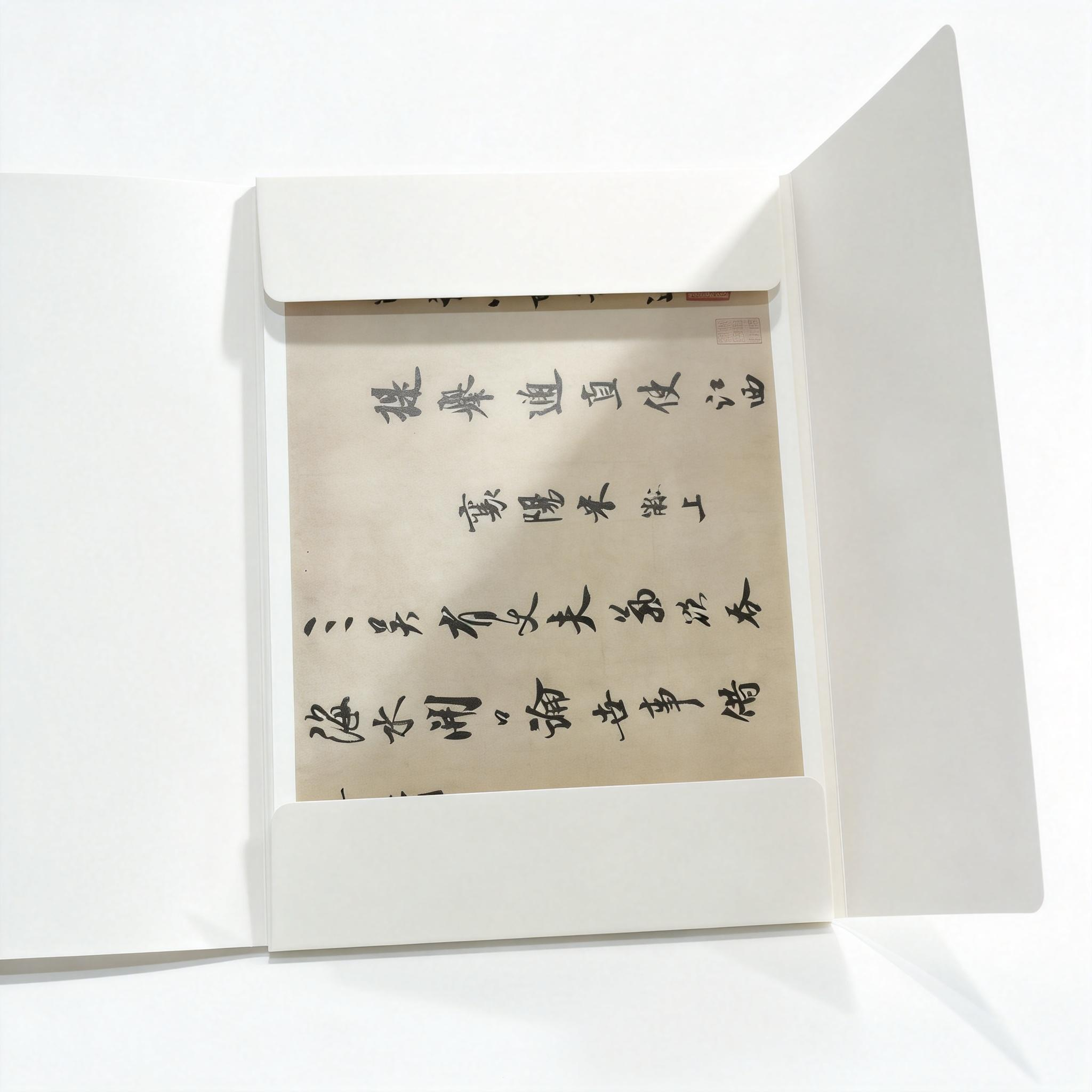
When planning a hardcover book printing project, understanding the cost drivers behind production expenses is essential for budgeting and decision-making. Hardcover book printing costs vary significantly based on materials, design complexity, production volume, and binding specifications. Many publishers and independent authors are surprised by how many factors influence the final price of their hardcover book printing investment. This guide explores the primary expense drivers in hardcover book printing to help you make informed choices about your production strategy.
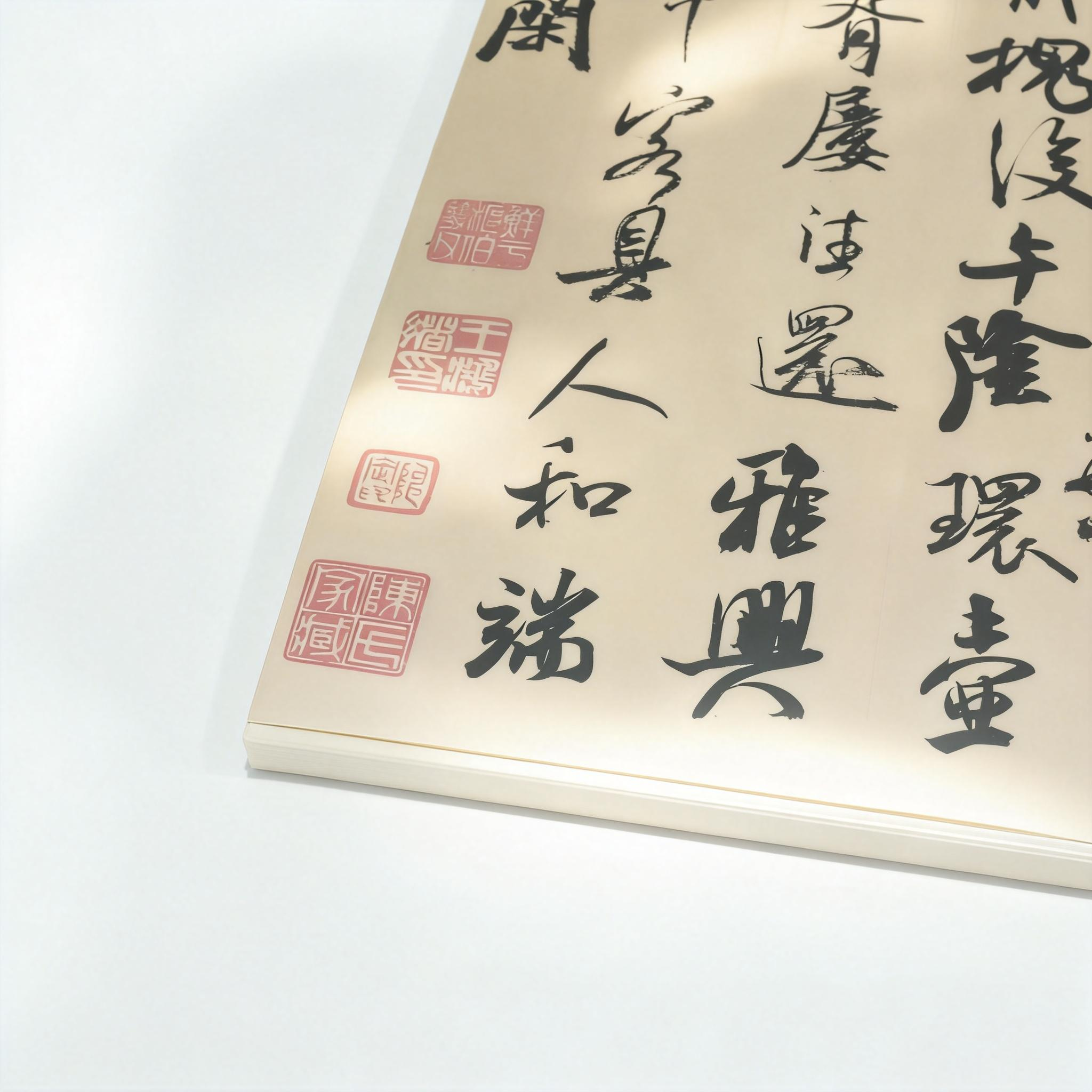
The landscape of hardcover book printing has evolved, with modern production techniques offering both premium quality and opportunities for cost optimization. Whether you are printing a limited author edition or launching a commercial title, recognizing the expense categories in hardcover book printing helps you allocate your budget wisely. Understanding these cost drivers allows publishers to negotiate with printers, choose appropriate materials, and plan print runs that balance unit costs with market demand.
Material Quality and Cover Specifications
Cover Material Selection Impact
The cover material represents one of the largest variable costs in hardcover book printing expenses. Premium cloth, specialty paper, and embossed finishes add significant cost compared to standard materials. Hardcover book printing with advanced cover treatments such as spot UV, foil stamping, or embossing increases per-unit expenses substantially. The thickness and grade of board stock used in the cover structure directly influence the price of hardcover book printing projects. Thicker boards provide better durability but require more material investment, raising the overall cost of your hardcover book printing production.
Dust Jacket and Finishing Options
Dust jackets add both aesthetic value and production expense to hardcover book printing costs. Jackets with full-color printing, gloss finishes, or matte coatings contribute measurably to the total expense of hardcover book printing. Die-cutting, lamination, and specialized finishes on jackets further escalate hardcover book printing expenses. Publishers often view dust jackets as essential marketing tools, but they represent a separate cost component within hardcover book printing pricing. Conversely, case lamination or alternative protective finishes can sometimes reduce overall hardcover book printing costs while maintaining professional appearance.
Print Volume and Unit Economics
Economies of Scale in Production
Print volume fundamentally affects the per-unit price of hardcover book printing projects. Larger print runs distribute fixed setup costs across more units, reducing the unit price of hardcover book printing dramatically. A run of 500 copies will have a significantly higher per-book cost than a run of 5,000 in hardcover book printing production. Printers typically offer tiered pricing structures where hardcover book printing costs decrease as volume increases. Understanding the break-even points in your print quantity helps optimize your hardcover book printing budget allocation.
Minimum Order Quantities and Setup Fees
Most printing facilities impose minimum order quantities for hardcover book printing projects to justify setup and preparation expenses. Setup fees for binding, trimming, and case assembly constitute a substantial portion of hardcover book printing costs at lower volumes. The relationship between minimum quantities and total hardcover book printing expenses means that small print runs face proportionally higher costs. Negotiating minimum quantities or understanding bulk discount structures can significantly impact your hardcover book printing expense planning. Some printers offer digital hardcover book printing alternatives for shorter runs, though this typically increases per-unit hardcover book printing costs.
Design Complexity and Interior Specifications
Color Printing and Paper Stock
Full-color interior pages raise hardcover book printing costs substantially compared to black-and-white printing. The type and weight of interior paper directly influences the total expense of hardcover book printing projects. Specialty papers, recycled stocks, or premium finishes all increase the per-unit cost of hardcover book printing. Color separations, proofing, and press adjustments required for multi-color hardcover book printing add labor expenses. Thicker interior paper creates a more premium feel but increases production costs for hardcover book printing significantly.
Special Effects and Binding Complexity
Advanced design elements such as embossing, debossing, foil stamping, and specialty inks escalate hardcover book printing costs. Ribbon markers, thumb tabs, or unusual page dimensions add manufacturing complexity and expense to hardcover book printing production. Spiral binding, wire binding, or sewn binding options each carry different cost implications for hardcover book printing projects. Hand-assembled elements or limited-run customization features substantially increase the total hardcover book printing budget. Understanding which special effects genuinely serve your audience versus marketing hype helps control hardcover book printing expenses.
Production Timeline and Rush Charges
Standard Versus Expedited Schedules
Production timeline directly impacts hardcover book printing costs, with rush orders incurring premium charges. Standard turnaround periods allow printers to batch multiple hardcover book printing jobs, reducing individual project costs. Rush hardcover book printing services disrupt production schedules, requiring overtime labor and priority equipment allocation. The price differential between standard and expedited hardcover book printing can range from 15 to 40 percent depending on urgency. Planning ahead and allowing standard timelines for hardcover book printing projects provides substantial cost savings.
Proofing and Quality Control Expenses
Comprehensive proofing processes add cost to hardcover book printing but prevent costly errors and reprints. Digital proofs, color-managed proofs, and multiple revision rounds increase hardcover book printing expenses upfront but save money long-term. Quality control inspections and hand-checking in hardcover book printing production ensure consistency but add labor costs. Understanding which proofing stages are essential versus optional helps optimize your hardcover book printing budget. Supplier expertise and process efficiency significantly affect the total cost of hardcover book printing oversight activities.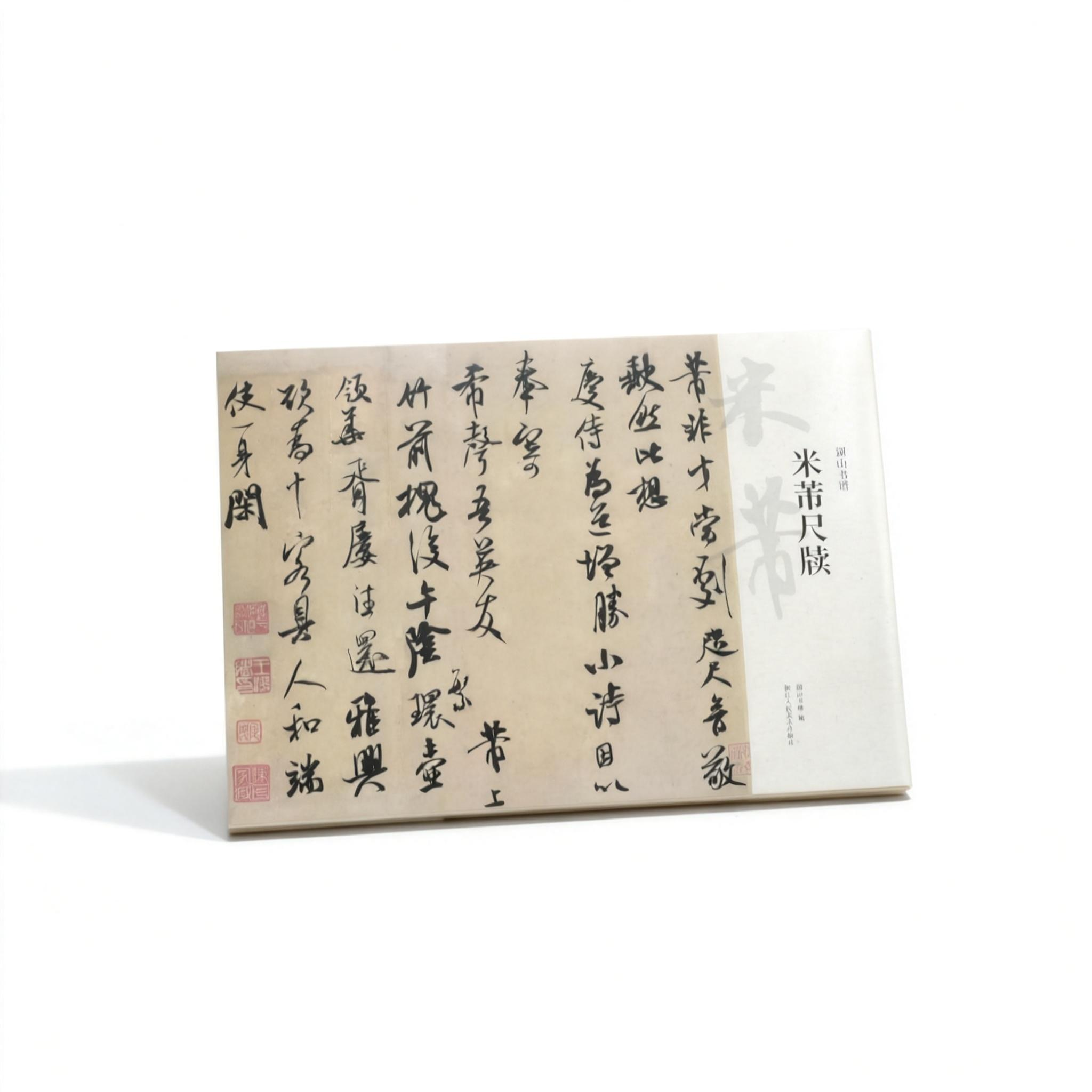
FAQ
What is the average cost per unit for hardcover book printing?
The average cost varies widely based on specifications, but typical hardcover book printing ranges from $4 to $15 per unit for moderate print runs of 1,000 to 5,000 copies. Smaller runs of 100 to 500 books may cost $15 to $30 per unit due to higher setup proportions. Large runs exceeding 10,000 units can reduce hardcover book printing costs to $3 to $8 per unit. Your specific hardcover book printing costs depend on trim size, page count, cover materials, and design complexity.
How can I reduce hardcover book printing expenses?
Increasing your print quantity is the most effective method to lower per-unit hardcover book printing costs through economies of scale. Simplifying cover designs, choosing standard paper stocks, and avoiding rush timelines all reduce hardcover book printing expenses. Combining multiple titles in a single production run or negotiating volume discounts can optimize hardcover book printing pricing. Digital proofing instead of physical samples and standard binding methods help minimize hardcover book printing budget overruns.
Does paper quality significantly affect hardcover book printing costs?
Yes, paper quality substantially influences total hardcover book printing expenses, with premium stocks costing 20 to 40 percent more than standard grades. Heavier paper weights, specialty finishes, and eco-friendly options all increase hardcover book printing per-unit costs. The choice between gloss, matte, or uncoated finishes affects both hardcover book printing price and the reader's perception of quality. Selecting appropriate rather than premium paper stocks offers significant cost savings while maintaining professional hardcover book printing quality standards.