Single Book Printing: On-Demand Publishing Solutions for Authors and Publishers

Get a Free Quote

Our representative will contact you soon.
Email
Name
Company Name
Message
0/1000

single book printing

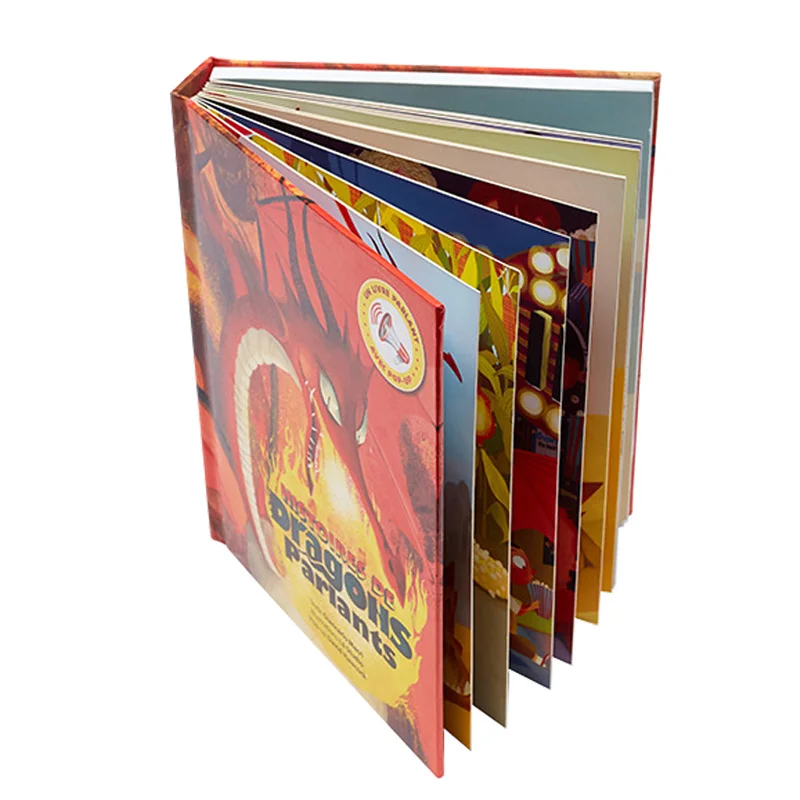
Single book printing represents a revolutionary approach to publishing that enables authors, businesses, and organizations to produce individual books on demand without requiring large minimum order quantities. This innovative printing method utilizes advanced digital printing technology to create high-quality books one at a time, making it an ideal solution for personalized publications, limited editions, test runs, and niche market publications. The core functionality of single book printing revolves around digital printing systems that can handle various paper types, binding options, and finishing techniques while maintaining professional standards throughout the production process. Modern single book printing technology incorporates sophisticated color management systems, precise registration controls, and automated quality checks to ensure consistent results across every printed volume. The process typically begins with digital file preparation, where manuscripts are formatted and optimized for the specific printing parameters. Advanced software systems then manage the printing workflow, coordinating paper feeding, ink application, drying processes, and finishing operations. Single book printing systems can accommodate multiple book sizes, from pocket-sized novels to large format coffee table books, offering flexibility in paper weights, cover options, and binding styles including perfect binding, saddle stitching, and hardcover construction. The technology supports both black and white and full-color printing, with many systems capable of producing photo-quality images and graphics. Applications for single book printing span numerous industries and purposes, including self-publishing for independent authors, corporate training materials, academic publications, family histories, art portfolios, marketing materials, proof copies for traditional publishers, and specialty books for collectors. Educational institutions utilize single book printing for custom textbooks, research publications, and student projects. The technology particularly benefits small press publishers who can test market demand without significant financial risk.

New Product Recommendations

Single book printing delivers exceptional cost-effectiveness for small quantity productions, eliminating the financial burden of large minimum orders that traditional printing methods impose. Authors and publishers can produce exactly the number of books they need, when they need them, reducing inventory costs and storage requirements significantly. This approach prevents overproduction waste and allows for better cash flow management since capital is not tied up in unsold inventory. The speed advantage of single book printing cannot be overstated, as books can be produced within days rather than weeks or months required by conventional printing methods. This rapid turnaround enables publishers to respond quickly to market demands, seasonal opportunities, and time-sensitive publications. Quality control becomes more manageable with single book printing since each book can be individually inspected and any issues can be addressed immediately without affecting large print runs. The technology allows for easy customization and personalization, enabling publishers to create unique versions of books for different markets, audiences, or special editions without additional setup costs. Testing market viability becomes significantly more affordable through single book printing, as publishers can produce small quantities to gauge reader interest before committing to larger investments. Environmental benefits emerge from reduced waste, lower transportation requirements, and the elimination of unsold books that typically end up in landfills. Single book printing supports sustainable publishing practices by producing only what is actually needed. The flexibility to make last-minute changes or corrections proves invaluable, as publishers can update content, fix errors, or modify designs without scrapping entire print runs. Geographic distribution becomes more efficient since books can be printed closer to end customers, reducing shipping costs and delivery times. Independent authors particularly benefit from single book printing as it provides access to professional-quality book production without requiring significant upfront investments or publishing house partnerships. The technology democratizes publishing by removing traditional barriers to entry, allowing more diverse voices and specialized content to reach readers. Risk mitigation represents another crucial advantage, as publishers avoid the financial exposure associated with large print runs that may not sell as expected.

Tips And Tricks

【B2B Printing Guide】What Are Custom Printing Services? 5 Key Processes Explained and Business Applications

13

Jan

【B2B Printing Guide】What Are Custom Printing Services? 5 Key Processes Explained and Business Applications

View More
How to Choose the Right Printing Process for Your Business? A Comprehensive Decision Guide from Offset to Digital Printing

13

Jan

How to Choose the Right Printing Process for Your Business? A Comprehensive Decision Guide from Offset to Digital Printing

View More
The Complete Process of Company Brochure Printing Revealed: 7 Steps to Professional Results from File Preparation to Final Delivery

13

Jan

The Complete Process of Company Brochure Printing Revealed: 7 Steps to Professional Results from File Preparation to Final Delivery

View More

Get a Free Quote

Our representative will contact you soon.
Email
Name
Company Name
Message
0/1000

single book printing

Complete Creative Control and Customization Freedom

Complete Creative Control and Customization Freedom

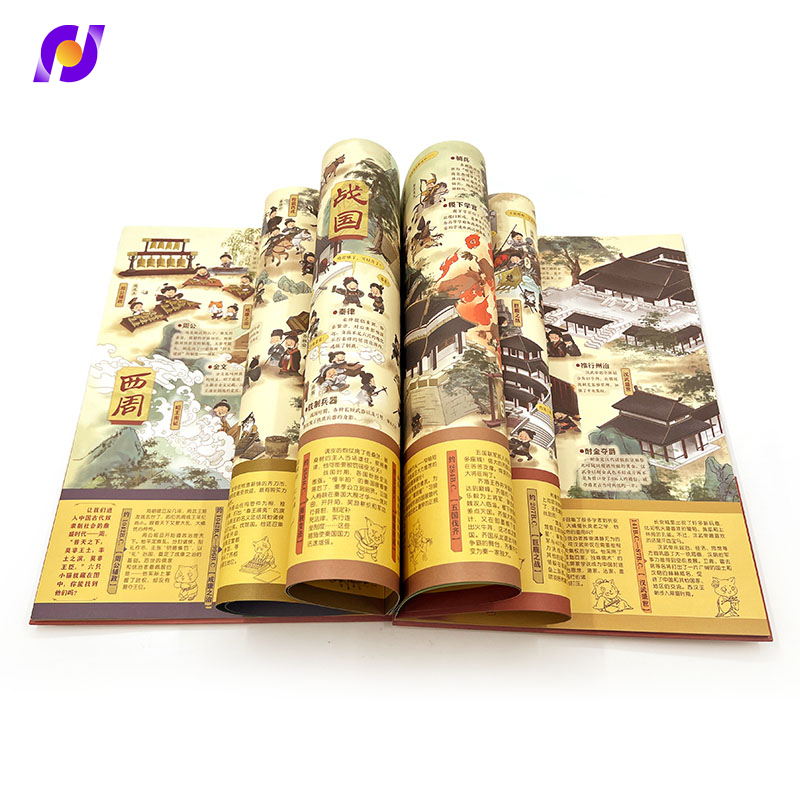
Single book printing empowers authors and publishers with unprecedented creative control over every aspect of their publications, from initial concept through final production. This technology eliminates the constraints typically imposed by traditional printing methods, allowing for unlimited customization options that can transform ordinary books into extraordinary reading experiences. Publishers can experiment with different paper textures, weights, and finishes for various sections within the same book, creating tactile experiences that enhance reader engagement. Cover materials can be selected from extensive options including matte, gloss, soft-touch, and specialty finishes that reflect the book's content and target audience preferences. Interior layout flexibility enables publishers to incorporate variable data printing, where each book can contain personalized content, names, or images while maintaining cost-effectiveness. This capability proves particularly valuable for educational materials, corporate publications, and commemorative books where personalization adds significant value. Color management systems in single book printing technology ensure consistent reproduction across different print runs, maintaining brand integrity and visual appeal regardless of production timing. The ability to produce mixed media books, combining different paper types, photographic inserts, and specialty pages within a single binding operation, opens creative possibilities that traditional printing cannot match economically. Publishers can create books with fold-out pages, different paper stocks for text versus image sections, and integrated pockets or attachments without requiring separate production runs or complex assembly processes. Quality control becomes granular, with each book receiving individual attention and inspection, ensuring that every copy meets the highest standards. This level of control extends to binding options, where publishers can choose from perfect binding, saddle stitching, spiral binding, or hardcover construction based on the specific requirements of each project. The technology supports variable page counts within print runs, allowing publishers to offer different editions or versions of the same title without separate setup procedures.
Rapid Market Response and Testing Capabilities

Rapid Market Response and Testing Capabilities

Single book printing revolutionizes market testing and response strategies by enabling publishers to quickly adapt to changing market conditions, reader preferences, and emerging opportunities without significant financial risk or time investment. This agility proves crucial in today's fast-paced publishing environment where market windows can open and close rapidly. Publishers can produce small test quantities to evaluate reader response, gather feedback, and refine their offerings before committing to larger investments. Market research becomes more practical and affordable when publishers can produce actual books rather than relying solely on surveys or focus groups to predict reader interest. The technology enables rapid prototyping for new book concepts, allowing publishers to create physical samples for presentations, marketing purposes, or investor meetings within days of concept development. Seasonal opportunities can be captured more effectively since books can be produced quickly to meet holiday markets, trending topics, or current events without long lead times. Publishers can test different cover designs, titles, or marketing approaches by producing small quantities of each variation and measuring actual sales performance rather than theoretical projections. Educational publishers particularly benefit from this rapid response capability when developing materials for new curricula, regulations, or teaching methodologies that require quick adaptation. Corporate publishers can produce training materials, policy updates, or reference guides that reflect current business conditions without waiting for traditional printing schedules. The ability to make content updates or corrections and immediately implement them in new productions ensures that information remains current and accurate. Geographic market testing becomes feasible, allowing publishers to introduce titles in specific regions or demographics before broader distribution. Trade show and conference materials can be produced on short notice, enabling publishers to capitalize on networking opportunities and immediate sales potential. Emergency publications, such as response guides, memorial books, or timely reference materials, can be produced within hours when circumstances demand rapid action.
Sustainable and Economically Efficient Production Model

Sustainable and Economically Efficient Production Model

Single book printing establishes a fundamentally more sustainable and economically efficient production model that aligns with modern environmental consciousness and business optimization principles. This approach eliminates the wasteful overproduction that characterizes traditional publishing, where unsold books often become environmental burdens. The environmental impact reduction stems from producing only the books that are actually needed, significantly decreasing paper waste, ink consumption, and energy usage associated with large-scale production runs. Transportation efficiency improves dramatically since books can be printed closer to their final destinations, reducing carbon emissions from shipping and distribution networks. Storage requirements disappear for publishers, eliminating warehouse costs, inventory management expenses, and the risk of book damage during extended storage periods. The economic efficiency extends beyond simple cost savings to fundamental business model improvements that enhance profitability and reduce financial risk. Cash flow optimization occurs naturally since publishers invest in production only when sales are confirmed, rather than speculating on future demand with large upfront investments. This model particularly benefits independent publishers and authors who can compete effectively without access to substantial capital reserves. Economies of scale traditionally favoring large publishers become less relevant when single book printing offers competitive per-unit costs for small quantities. The technology supports dynamic pricing strategies, allowing publishers to adjust prices based on real-time market conditions without being constrained by existing inventory investments. Obsolescence risk disappears since books are printed fresh for each order, ensuring that information remains current and relevant. Publishers can continuously improve their products by incorporating reader feedback and market insights into each new production without financial penalties associated with updating existing inventory. Small publishers gain access to the same quality and finishing options previously available only to large volume publishers, democratizing the publishing industry and encouraging innovation. The model supports experimental publishing, niche markets, and specialized content that traditional publishers might consider too risky or unmarketable due to volume requirements.

Get a Free Quote

Our representative will contact you soon.
Email
Name
Company Name
Message
0/1000