
 EN
EN
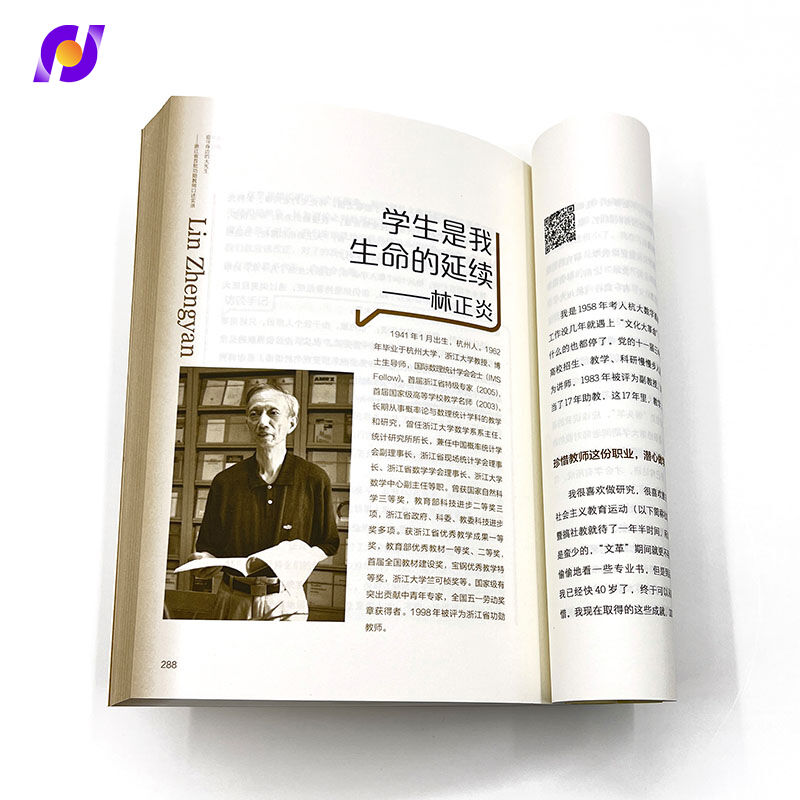
Ang mga modernong operasyon ng pabrika ng pagpi-print ay kumakatawan sa isang sopistikadong orkestrasyon ng teknolohiya, kasanayang panggawa, at sistematikong proseso na nagpapalit sa mga hilaw na materyales upang mabuo ang mga natapos na produkto ng pagpi-print.

Ang pag-unawa sa mga nangyayari sa labas ng mga nakikitang gawain sa produksyon ay nagbubunyag ng komprehensibong ekosistema na nagpapahintulot sa isang pabrika ng pagpi-print na gumana nang epektibo. Mula sa pagpaplano bago ang produksyon at pagkuha ng materyales hanggang sa pagtitiyak ng kalidad matapos ang produksyon at logistics ng distribusyon, bawat pabrika ng pagpi-print ay mayroong mga kumplikadong balangkas ng operasyon na sumasamahan ang maraming departamento, espesyalisadong koponan, at mga sistemang teknolohikal na gumagana nang perpekto nang sabay-sabay.
Pagpaplano Bago ang Produksyon at Pamamahala ng Disenyo
Pagsusuri ng Tiyak na Spesipikasyon ng Proyekto
Ang bawat matagumpay na operasyon ng isang pabrika ng pagpi-print ay nagsisimula sa malalim na pagsusuri ng mga teknikal na detalye ng proyekto, kung saan sinusuri ng mga koponan ng teknikal ang mga kinakailangan ng kliyente, mga espesipikasyon ng materyales, mga profile ng kulay, at mga takdang panahon ng paghahatid. Ang mahalagang yugtong ito ang nagtatakda ng paglalaan ng mga likha, pagpaplano ng produksyon, at pag-configure ng kagamitan na kinakailangan upang makamit ang pinakamahusay na kalidad ng output. Ang mga eksperyensiyadong project manager ay nakikipag-koordinasyon sa mga koponan ng disenyo upang tiyaking ang lahat ng teknikal na parameter ay sumasalig sa mga kakayahan ng pabrika ng pagpi-print at sa mga pamantayan ng industriya.
Sa panahon ng pagsusuri ng mga espesipikasyon, sinusuri ng mga eksperto ng pabrika ng pagpi-print ang mga format ng file, mga kinakailangan sa pamamahala ng kulay, mga espesipikasyon ng papel, mga paraan ng pag-uugnay (binding), at mga teknik ng pagwawakas (finishing). Ang komprehensibong pagsusuring ito ay tumutulong na matukoy ang mga posibleng hamon sa produksyon, mga oportunidad para sa pag-optimize ng gastos, at mga checkpoint sa kontrol ng kalidad na magbibigay-daan sa buong proseso ng pagmamanupaktura mula sa paunang pag-setup hanggang sa huling paghahatid.
Mga Estratehiya para sa Optimize Workflow
Sa likod ng bawat epektibong pabrika ng pagpi-print ay may mga sopistikadong estratehiya para sa pag-optimize ng workflow na nagpapabilis sa operasyon, binabawasan ang basura, at pinakamumaximize ang paggamit ng kagamitan. Ang mga tagaplano ng produksyon ay gumagawa ng detalyadong mga iskedyul na sumasabay sa maraming proyekto nang sabay-sabay habang tiyakin ang optimal na distribusyon ng mga yunit ng mapagkukunan sa iba’t ibang teknolohiya ng pagpi-print, mga departamento ng pagtatapos, at mga istasyon ng kontrol ng kalidad.
Ang mga estratehiyang ito sa pag-optimize ay kasama ang mga advanced na sistema ng software na sinusubaybayan ang pag-unlad ng bawat gawain, sinusubaybayan ang pagganap ng kagamitan, at hinaharap ang mga pangangailangan sa pagpapanatili. Ang isang modernong pabrika ng pagpi-print ay gumagamit ng data analytics upang matukoy ang mga bottleneck, i-optimize ang laki ng bawat batch, at i-coordinate ang mga paghahatid batay sa mga iskedyul ng mga kliyente, na nagpapagarantiya ng maayos na operasyon kahit noong mga panahon ng tuktok na produksyon.
Pamamahala ng Materyales at Kontrol sa Imbentaryo
Mga Sistema ng Pagkuha ng Hilaw na Materyales
Ang epektibong operasyon ng mga pabrika ng pagpi-print ay nakasalalay sa mga sopistikadong sistema ng pagbili ng materyales na nagsisiguro ng pare-parehong availability ng mga papel, tinta, kemikal, at mga consumable na kailangan para sa iba't ibang proyektong pagpi-print. Ang mga koponan sa pagbili ay nagpapanatili ng mga ugnayan sa maraming supplier, nag-uusap para sa mga diskwento batay sa dami, at ipinatutupad ang mga sistema ng pagpapadala nang "just-in-time" na binabawasan ang mga gastos sa imbentaryo habang pinipigilan ang mga pagkaantala sa produksyon.
Ang pagpapatibay ng kalidad ay nagsisimula sa yugto ng pagbili, kung saan ang mga paparating na materyales ay dina-daan sa mahigpit na pagsusuri upang mapatunayan ang kanilang mga teknikal na tukoy, pagkakapare-pareho, at kakayahang magamit kasama ng umiiral na kagamitan sa pabrika ng pagpi-print. Ang proaktibong pamamaraang ito ay nagpapigil sa mga isyu sa kalidad, binabawasan ang basura, at pinapanatili ang mataas na pamantayan na inaasahan mula sa propesyonal na operasyon ng pagpi-print sa iba't ibang kategorya ng produkto.
Pagsubaybay sa Imbentaryo at Pamamahagi
Ang mga modernong pasilidad ng pabrika ng pagpi-print ay gumagamit ng mga napapanahong sistema ng pamamahala ng imbentaryo na sinusubaybayan ang paggamit ng materyales, binabantayan ang antas ng stock, at awtomatikong nagrereorder ng mahahalagang suplay. Ang mga sistemang ito ay nagbibigay ng real-time na visibility sa availability ng mga materyales, na tumutulong sa mga tagaplanong pang-produksyon na gumawa ng impormadong desisyon tungkol sa pag-schedule ng mga gawain at paglalaan ng mga yaman.
Ang logistics ng distribusyon sa loob ng isang pabrika ng pagpi-print ay nangangailangan ng maingat na koordinasyon upang matiyak na ang mga materyales ay nararating sa tamang mga estasyon ng produksyon sa optimal na oras. Ang mga awtomatikong sistema ng imbakan, pagsubaybay gamit ang barcode, at digital na pamamahala ng imbentaryo ay tumutulong na panatilihin ang tumpak na mga rekord habang pinabababa ang mga gastos sa paghawak at binabawasan ang panganib ng pinsala o nawawalang materyales sa panahon ng panloob na transportasyon.
Mga Proseso ng Pagpapatunay at Kontrol ng Kalidad
Mga Protokol ng Pagsusuri sa Maraming Yugto
Ang pagkontrol sa kalidad sa isang pabrika ng pagpi-print ay umaabot nang malayo sa inspeksyon ng huling produkto, kung saan kasama ang komprehensibong mga protokol na may maraming yugto na sumusubaybay sa bawat aspeto ng produksyon mula sa paunang pag-setup hanggang sa pagpapakete at pagpapadala.
Kasali sa mga protokol na ito para sa inspeksyon ang pagpapatunay ng katumpakan ng kulay, pagsusuri ng kahusayan sa pagkakalagay (registration), pagsusuri sa lakas ng pag-uugnay (binding), at pagtataya sa kalidad ng ibabaw. Bawat pabrika ng pagpi-print ay nag-iingat ng detalyadong dokumentasyon ng mga pamantayan sa kalidad na nagbibigay-gabay sa mga tagainspeksyon sa tiyak na mga pamamaraan ng pagsusuri, mga payagan na saklaw ng toleransya, at mga proseso para sa corrective action kapag natukoy ang anumang pagkakaiba.
Integrasyon ng Teknolohiya para sa Pagmomonitor ng Kalidad
Ang mga operasyon ng advanced na pabrika ng pagpi-print ay sumasali sa mga sopistikadong sistema ng teknolohiya para sa patuloy na pagsubaybay sa kalidad sa buong mga siklo ng produksyon. Ginagamit ng mga awtomatikong sistema ng inspeksyon ang mga mataas na resolusyong kamera, spectrophotometer, at mga digital na kasangkapan sa pagsukat upang matukoy ang mga pagbabago sa kulay, pag-align, at mga katangian ng ibabaw na maaaring hindi makikita sa panahon ng mga proseso ng manu-manong inspeksyon.
Ang pagkuha ng datos mula sa mga sistemang ito ng pagsubaybay ay nagbibigay-daan sa mga pangulo ng pabrika ng pagpi-print na kilalanin ang mga trend, hulaan ang mga potensyal na isyu, at ipatupad ang mga pansalaing hakbang bago pa man makaapekto ang mga problema sa kalidad sa output ng produksyon. Ang teknolohiya-orihinal na pamamaraan sa pagtiyak ng kalidad na ito ay nababawasan ang basura, pinabubuti ang kasiyahan ng mga customer, at pinapanatili ang mga kompetitibong kalamangan na mahalaga para sa matagumpay na operasyon ng pabrika ng pagpi-print.
Pangangalaga sa Kagamitan at Suportang Teknikal
Pagsasaya ng Preventive Maintenance
Sa likod ng bawat mahusay na pabrika ng pagpi-print, ang komprehensibong mga programa sa pansariling pangangalaga ay nagsisiguro sa katiyakan ng kagamitan, binabawasan ang hindi inaasahang pagkakatigil sa operasyon, at pinapahaba ang buhay ng makinarya sa pamamagitan ng sistematikong pangangalaga at pansin. Ang mga koponan sa pangangalaga ay sumusunod sa detalyadong mga iskedyul na koordinado ang regular na serbisyo, pagpapalit ng mga bahagi, at optimisasyon ng pagganap sa lahat ng kagamitan sa produksyon nang sabay-sabay.
Ang mga programang ito sa pangangalaga ay kasama ang detalyadong mga sistema ng pagrerecord na sinusubaybayan ang pagganap ng kagamitan, nakikilala ang mga pattern ng pagkasira, at hinuhulaan ang pinakamainam na oras para sa malalaking pag-aayos o pagpapalit ng mga bahagi. Ang isang maayos na pinamamahalaan pabrika ng Pagpi-print ay nag-iingat ng malawak na imbentaryo ng mga sangkap na kapalit, kwalipikadong teknikal na tauhan, at mga ugnayan sa mga tagapagbigay upang matiyak ang mabilis na tugon sa mga isyu sa kagamitan kapag ito mangyayari.
Pagsasagawa ng Teknikal na Inobasyon
Ang mga operasyon ng modernong pabrika ng pagpi-print ay patuloy na sinusuri at ipinatutupad ang mga inobasyong teknolohikal na nagpapabuti ng kahusayan, nagpapalakas ng kakayahan sa kalidad, at nagpapalawak ng mga serbisyo upang tugunan ang umuunlad na pangangailangan ng merkado. Ang mga koponan ng teknikal ay sinusuri ang bagong kagamitan, mga upgrade ng software, at mga pagpapabuti ng proseso na maaaring magbigay ng kompetitibong kalamangan habang pinapanatili ang kahusayan sa gastos at katiyakan ng operasyon.
Ang pagpapatupad ng inobasyon sa isang pabrika ng pagpi-print ay nangangailangan ng maingat na pagpaplano upang bawasan ang pagkagambala sa kasalukuyang produksyon habang tiyakin na ang mga bagong teknolohiya ay maaaring maisama nang maayos sa mga umiiral na sistema. Ang mga programa sa pagsasanay, pagsusubok sa pamamagitan ng pilot testing, at estratehiya ng gradwal na pagpapakilala ay tumutulong upang matiyak ang matagumpay na pagtanggap ng mga bagong teknolohiya na nagpapalakas ng kabuuang kakayahan ng operasyon.
Mga Pangangasiwaan at Suportang Gawain
Koordineysyon ng Serbisyo sa Customer
Ang epektibong operasyon ng pabrika ng pagpi-print ay nangangailangan ng matibay na koordinasyon sa serbisyo sa customer na namamahala sa komunikasyon sa mga kliyente, mga update sa proyekto, at pagpaplano ng paghahatid sa buong siklo ng produksyon. Ang mga koponan ng serbisyo sa customer ay nagpapanatili ng detalyadong database ng mga proyekto, nakikipag-koordina sa mga departamento ng produksyon, at nagbibigay ng mga update sa real-time tungkol sa pag-unlad ng trabaho upang tiyaking patuloy na natutugunan ang mga inaasahan ng mga kliyente.
Ang koordinasyong ito ay sumasaklaw din sa proaktibong komunikasyon tungkol sa mga posibleng pagkaantala, mga isyu sa kalidad, o mga pagbabago sa mga teknikal na tukoy na maaaring makaapekto sa mga resulta ng proyekto. Ang propesyonal na operasyon ng pabrika ng pagpi-print ay nagpapanatili ng transparent na mga channel ng komunikasyon na nagtatayo ng tiwala ng mga kliyente at sumusuporta sa pangmatagalang relasyon sa negosyo sa pamamagitan ng maaasahang paghahatid ng serbisyo at mabilis na resolusyon ng mga problema.
Pansariling at Pangregulatoryong Pagkakasunod
Sa likod ng bawat matagumpay na operasyon ng isang pabrika ng pagpi-print ay mayroong komprehensibong sistema ng pamamahala sa pinansya at pagsunod sa regulasyon na nagsisiguro sa pagsunod sa batas, pananagutan sa kapaligiran, at mga praktika ng pangmatagalang negosyo. Ang mga pangkat sa administrasyon ang namamahala sa cost accounting, regulatory reporting, at dokumentasyon para sa pagsunod na kinakailangan para sa iba’t ibang sertipikasyon sa industriya at pamantayan sa kapaligiran.
Kasali sa mga gawaing pagsunod na ito ang mga protokol sa pamamahala ng basura, mga prosedura sa paghawak ng kemikal, at mga programa sa kaligtasan ng manggagawa na sumusunod o lumalampas sa mga kinakailangang regulasyon. Ang isang responsable na pabrika ng pagpi-print ay nagpapanatili ng detalyadong mga sistema ng dokumentasyon na nagpapakita ng pagsunod sa mga regulasyon sa kapaligiran, mga pamantayan sa industriya, at mga sertipikasyon sa kalidad na sumusuporta sa kredibilidad ng negosyo at sa pag-access sa merkado.
Madalas Itanong
Paano koordinado ng isang pabrika ng pagpi-print ang maramihang proyekto nang sabay-sabay?
Ginagamit ng isang pabrika ng pagpi-print ang advanced na software sa pagpaplano ng produksyon na nag-iischedule ng mga gawain batay sa availability ng kagamitan, mga kinakailangang materyales, at mga deadline sa paghahatid. Ang mga project manager ay nagsasama-sama sa iba't ibang departamento upang matiyak ang optimal na pamamahagi ng workflow habang pinapanatili ang mga pamantayan sa kalidad sa lahat ng kasalukuyang proyekto sa pamamagitan ng sistematikong paglalaan ng mga yaman at pagsubaybay sa pag-unlad.
Ano ang mga hakbang sa pagkontrol ng kalidad na ginagawa sa likod ng production floor?
Sa likod ng eksena, ang pagkontrol ng kalidad sa pabrika ng pagpi-print ay kasama ang inspeksyon ng mga dumarating na materyales, pagpapatunay ng calibration ng kagamitan, pagsubaybay sa mga kondisyon ng kapaligiran, at komprehensibong sistema ng dokumentasyon. Ang mga koponan ng quality assurance ay nangangalaga ng detalyadong mga rekord ng inspeksyon, nagkakaroon ng statistical process control analysis, at ipinatutupad ang mga protokol sa corrective action upang matiyak ang pare-parehong kalidad ng output sa buong siklo ng produksyon.
Paano nakaaapekto ang pangangalaga sa kagamitan sa operasyon ng pabrika ng pagpi-print?
Ang mga programa sa pangunang pagpapanatili sa isang pabrika ng pagpi-print ay direktang nakaaapekto sa katiyakan ng produksyon, kalidad ng output, at kahusayan ng operasyon. Ang mga gawain sa nakatakda na pagpapanatili ay pinag-uusap at inuugnay sa mga iskedyul ng produksyon upang mabawasan ang anumang pagkakagambala habang tiyakin na ang mga kagamitan ay gumagana sa optimal na antas ng pagganap, na nagbabawas ng hindi inaasahang pagkabigo at pananatiling pare-pareho ang mga pamantayan sa kalidad sa lahat ng nai-print na produkto.
Ano ang mga pang-administratibong tungkulin na sumusuporta sa produksyon ng pabrika ng pagpi-print?
Ang pang-administratibong suporta sa isang pabrika ng pagpi-print ay kinabibilangan ng koordinasyon sa pamamahala ng proyekto, mga sistema ng komunikasyon sa customer, pagsubaybay sa pinansyal, dokumentasyon para sa pagsunod sa regulasyon, at pamamahala ng ugnayan sa mga vendor. Ang mga tungkuling ito ay nagpapagana ng maayos na operasyon sa pamamagitan ng koordinasyon sa pagitan ng mga departamento ng produksyon, pamamahala sa mga inaasahan ng mga kliyente, at pananatiling buo ang mga balangkas na pang-regulasyon at pang-pinansyal na kailangan para sa mapagpatuloy na operasyon ng negosyo.
Talaan ng mga Nilalaman
- Pagpaplano Bago ang Produksyon at Pamamahala ng Disenyo
- Pamamahala ng Materyales at Kontrol sa Imbentaryo
- Mga Proseso ng Pagpapatunay at Kontrol ng Kalidad
- Pangangalaga sa Kagamitan at Suportang Teknikal
- Mga Pangangasiwaan at Suportang Gawain
-
Madalas Itanong
- Paano koordinado ng isang pabrika ng pagpi-print ang maramihang proyekto nang sabay-sabay?
- Ano ang mga hakbang sa pagkontrol ng kalidad na ginagawa sa likod ng production floor?
- Paano nakaaapekto ang pangangalaga sa kagamitan sa operasyon ng pabrika ng pagpi-print?
- Ano ang mga pang-administratibong tungkulin na sumusuporta sa produksyon ng pabrika ng pagpi-print?