
 EN
EN
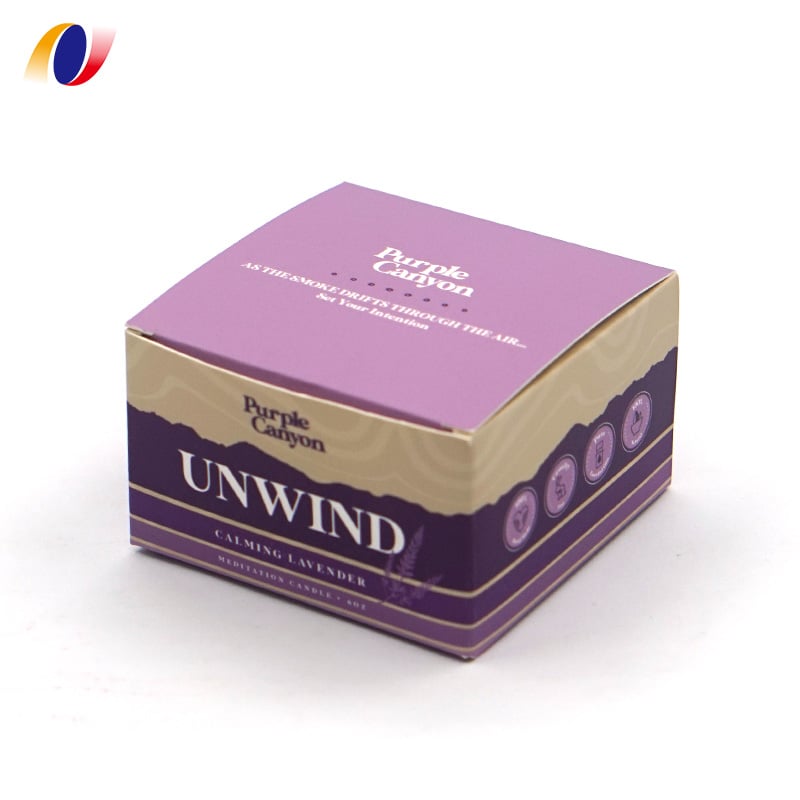
In today's competitive marketplace, the difference between a product that disappears from shelves and one that commands premium pricing often comes down to a single factor: custom packaging. While generic options dominate the low-end segment, custom packaging has become the invisible force that separates successful brands from forgettable competitors. Understanding where differentiation truly appears when comparing custom packaging against standard, off-the-shelf alternatives requires examining both the tangible and intangible benefits that custom packaging delivers to manufacturers, distributors, and end consumers alike.
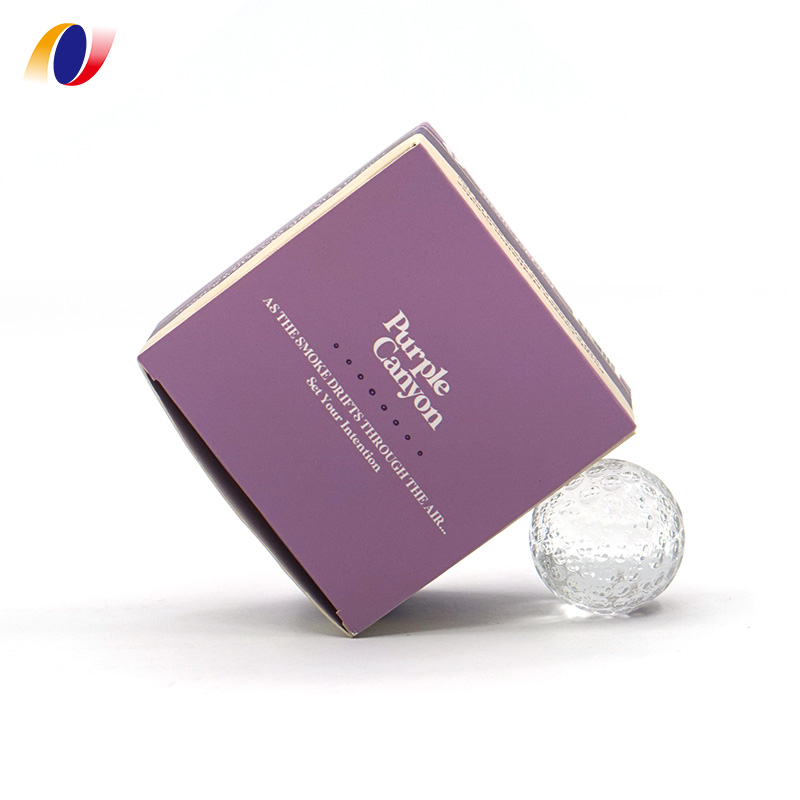
Generic packaging serves a functional purpose: it protects the product during transit and storage. However, custom packaging transcends basic protection by transforming the packaging itself into a marketing asset, a brand statement, and a customer experience touchpoint. When buyers evaluate products in retail environments or unbox purchases at home, they encounter the visual and tactile impact of custom packaging before they ever use the product inside. This critical moment determines whether custom packaging reinforces brand identity, commands attention on crowded shelves, or gets lost among thousands of competing options.
The Brand Identity Advantage in Custom Packaging
Visual Recognition and Market Positioning
Custom packaging creates immediate visual differentiation that generic packaging cannot achieve. When a brand invests in custom packaging, every design element—color palette, typography, logo placement, and material finish—works together to create a cohesive identity. This visual consistency across custom packaging reinforces brand recognition and builds customer trust through professional presentation. Generic options, by contrast, force brands into a one-size-fits-all mold where dozens of competitors occupy the same visual space, making differentiation nearly impossible.
The psychological impact of custom packaging extends beyond aesthetics. Consumers unconsciously associate well-designed, premium custom packaging with higher quality products, justifying higher price points even when the actual product specifications remain identical to cheaper alternatives. This perception gap is where custom packaging creates real business value, transforming packaging from a cost center into a profit multiplier that supports margin expansion and customer loyalty.
Storytelling and Emotional Connection
Custom packaging enables brands to tell their story in ways generic packaging simply cannot accommodate. Whether highlighting sustainability initiatives, displaying certifications, or sharing brand heritage, custom packaging becomes a narrative vehicle that connects emotionally with consumers. This storytelling dimension differentiates custom packaging by creating meaning beyond the functional product inside. Generic packaging offers no such opportunity; it delivers a commodity experience that generates no emotional resonance or memorable impression.
When custom packaging includes personalized messages, QR codes linking to brand content, or special edition variations, it transforms the unboxing experience into a shareable moment. This social media amplification extends the value of custom packaging far beyond its physical presence, driving organic brand awareness that generic packaging never generates. The differentiation here is profound: custom packaging becomes part of the product experience itself.
Manufacturing and Supply Chain Differentiation
Production Efficiency and Scale Flexibility
Generic packaging thrives on standardization because the production volume justifies low unit costs. However, this standardization creates operational constraints for brands seeking differentiation. Custom packaging manufacturers have evolved to offer production flexibility that rivals generic options in cost efficiency. Modern custom packaging facilities leverage digital printing, modular die-cutting, and inventory management systems that enable competitive pricing even for custom designs. This convergence means brands no longer sacrifice pricing power to achieve the differentiation that custom packaging provides.
The supply chain advantage of custom packaging becomes apparent when analyzing lead times and inventory optimization. Brands using custom packaging can adjust designs seasonally, respond to market trends quickly, and manage inventory more efficiently because custom packaging production cycles have shortened dramatically over the past decade. Generic packaging, by contrast, locks brands into long production runs and static inventory management, creating waste and missed market opportunities. Differentiation through custom packaging now includes operational agility that generic options cannot match.
Material Quality and Sustainability Messaging
Custom packaging provides manufacturers the freedom to specify material composition, durability standards, and sustainability credentials that generic packaging typically ignores. When brands invest in custom packaging made from recycled materials, biodegradable components, or premium finishes, these choices become part of the brand story and differentiation strategy. Generic packaging often defaults to whatever material costs the least, undercutting sustainability positioning and creating a mismatch between brand values and packaging reality. Custom packaging enables alignment between environmental commitments and actual material choices.
The differentiation through custom packaging extends to certifications and compliance documentation. Brands can display recycled content percentages, chain-of-custody certifications, and sustainability credentials directly on custom packaging, building consumer confidence and justifying premium pricing. This transparency differentiates custom packaging as a trust-building tool, particularly for conscious consumers evaluating products based on environmental impact. Generic packaging rarely accommodates such detailed messaging, forcing brands into generic sustainability claims that lack credibility.
Customer Experience and Long-Term Brand Value
Unboxing Experience and Customer Retention
The unboxing experience has become a critical touchpoint where custom packaging creates measurable differentiation. When custom packaging is designed for user delight—with protective tissue layers, branded inserts, or surprise elements—it generates positive emotional responses that generic packaging cannot replicate. Customers who enjoy unboxing custom packaging are more likely to share their experience on social media, recommend the brand to friends, and make repeat purchases. This customer experience advantage of custom packaging directly impacts lifetime value and acquisition efficiency.
Retention analysis consistently shows that brands utilizing custom packaging experience higher repeat purchase rates than those relying on generic alternatives. This differentiation stems from the psychological principle that premium experiences, including premium custom packaging, signal quality and justify repeat investment. Generic packaging conveys commodity positioning, encouraging price-based shopping behavior and customer churn. When custom packaging elevates the entire product experience, customers internalize the perceived value and become less price-sensitive, fundamentally shifting purchasing psychology.
Market Positioning and Premium Pricing Power
Custom packaging directly enables premium pricing strategies that generic packaging cannot support. When a brand's custom packaging communicates quality, heritage, and intentionality through every visual element, customers accept price premiums that would seem unreasonable if the same product arrived in generic packaging. This pricing power differentiation creates significant bottom-line impact, particularly for brands operating in discretionary categories where custom packaging elevates perceived value substantially. Generic packaging provides no such pricing leverage, forcing brands into commodity competition based primarily on price.
The market positioning advantage of custom packaging becomes apparent when comparing brand valuation metrics. Brands known for distinctive custom packaging command higher valuations, attract investor interest more readily, and generate stronger brand equity than functionally equivalent competitors using generic packaging. Differentiation through custom packaging creates strategic advantages that extend well beyond packaging itself, influencing how the entire brand is perceived, valued, and positioned within competitive landscapes. This cascading value creation is where custom packaging transitions from a tactical decision to a strategic brand investment.
FAQ
Does custom packaging always cost more than generic packaging?
Not necessarily. While custom packaging requires design investment upfront, the per-unit cost of custom packaging has become increasingly competitive with generic options as production technology has advanced. Many manufacturers find that custom packaging costs only 5–15% more per unit than generic alternatives, while enabling price premiums of 20–40% or higher. For high-volume producers, custom packaging unit costs can approach or even match generic pricing, making the differentiation advantage nearly free. The key is evaluating custom packaging within a total business model context rather than isolation.
How does custom packaging impact e-commerce sales specifically?
Custom packaging significantly impacts e-commerce performance because the unboxing experience becomes the primary brand touchpoint for online customers. Since e-commerce shoppers cannot examine products in person before purchase, custom packaging quality and presentation heavily influence perceived value and customer satisfaction ratings. Brands using custom packaging report higher customer ratings, reduced return rates, and increased social media sharing of unboxing videos. This multiplier effect—where custom packaging drives organic marketing and reduces friction—explains why e-commerce brands often prioritize custom packaging investment above other marketing channels.
What differentiates premium custom packaging from mid-range custom packaging options?
Premium custom packaging distinguishes itself through material quality, finishing techniques, precision printing, and design sophistication that mid-range custom packaging cannot achieve. Premium custom packaging might include metallic foiling, embossing, specialty inks, or luxury paper stocks that create tactile differentiation. While mid-range custom packaging improves upon generic packaging significantly, premium custom packaging creates luxury-tier experiences that justify substantial price premiums. The differentiation between mid-range and premium custom packaging becomes most apparent in luxury goods, limited editions, and high-end B2B gifting applications where packaging is as important as the product inside.