
 EN
EN
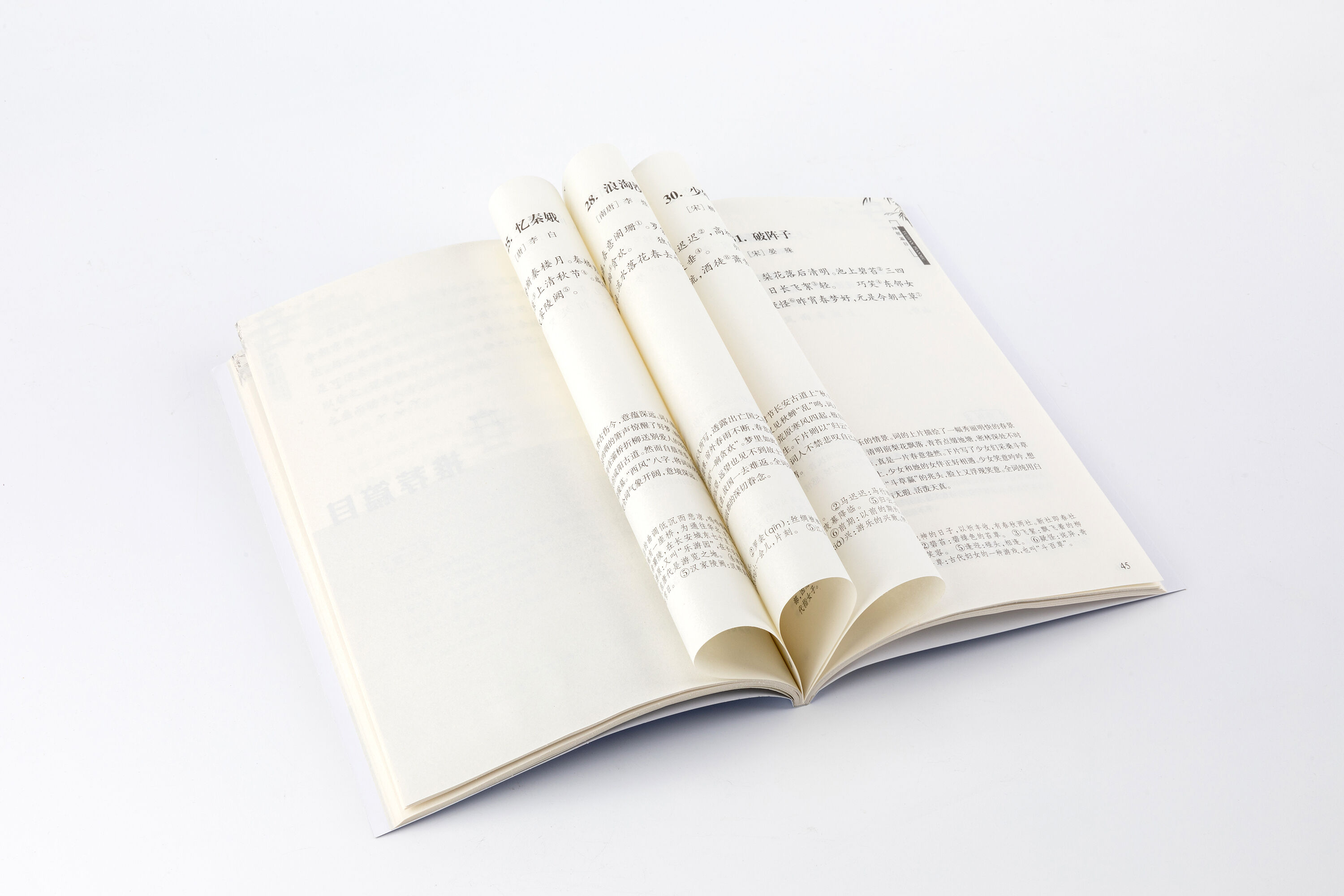
The tactile experience of handling marketing materials forms an immediate connection between your brand and potential clients, making paper texture selection a critical decision in custom brochures design. When recipients first touch your marketing materials, their fingers detect subtle variations in surface texture that instantly communicate messages about quality, professionalism, and brand positioning before they even read the content. This sensory engagement creates a psychological foundation that influences how audiences perceive your message, making texture selection far more than an aesthetic choice.

Understanding how different paper textures affect perception enables businesses to strategically align their custom brochures with brand objectives and audience expectations. From smooth coated stocks that convey modern sophistication to textured uncoated papers that suggest authenticity and craftsmanship, each surface treatment triggers specific psychological responses that can enhance or undermine your marketing effectiveness. The relationship between texture and perception operates on both conscious and subconscious levels, influencing reader engagement, brand recall, and purchasing decisions in measurable ways.
The Psychology Behind Paper Texture Perception
Neurological Response to Touch in Marketing Materials
Research in haptic psychology reveals that tactile sensations from custom brochures activate neural pathways directly connected to emotional processing and memory formation. When fingers detect smooth surfaces, the brain associates these sensations with modernity, cleanliness, and technological advancement, making smooth papers ideal for tech companies, medical practices, and financial institutions. Conversely, textured surfaces trigger neural responses linked to naturalness, craftsmanship, and authenticity, explaining why artisanal brands and luxury goods often utilize papers with pronounced texture patterns.
The neurological impact of texture extends beyond initial contact, as tactile memory reinforces visual messaging throughout the reading experience. Studies demonstrate that readers spend significantly more time engaging with custom brochures printed on textured papers compared to smooth alternatives, suggesting that surface variation encourages deeper exploration of content. This extended engagement period allows marketing messages more time to penetrate consciousness and establish brand connections, making texture selection a powerful tool for improving message retention rates.
Cultural and Demographic Texture Preferences
Different demographic groups exhibit distinct preferences for paper textures in custom brochures, influenced by cultural background, age, and professional experience. Younger audiences, particularly those under thirty-five, often associate smooth, glossy surfaces with innovation and digital integration, making high-gloss coated papers effective for reaching millennial and Generation Z consumers. Meanwhile, older demographics frequently prefer papers with subtle texture variations that remind them of traditional print materials, suggesting that linen or laid finishes may enhance reception among established professional audiences.
Cultural factors also shape texture perception, as regional preferences for custom brochures vary based on historical print traditions and aesthetic values. European markets often favor papers with natural textures that emphasize environmental consciousness and traditional craftsmanship, while American audiences may respond more positively to smooth, efficient-feeling surfaces that communicate business efficiency. Understanding these cultural nuances enables international businesses to adapt their texture choices for maximum impact across different markets and demographic segments.
Paper Surface Categories and Their Perceptual Impact
Coated Papers and Professional Authority
Coated papers create smooth, controlled surfaces that enhance color reproduction and image sharpness in custom brochures while communicating messages of professionalism and technical competence. The coating process eliminates paper fiber texture, resulting in surfaces that feel uniform and refined under finger contact, triggering associations with precision, quality control, and attention to detail. These psychological connections make coated papers particularly effective for industries where technical accuracy and professional credibility are paramount, such as healthcare, legal services, and financial consulting.
The reflective properties of coated surfaces also influence perception by creating visual depth and richness that suggests premium positioning and substantial investment in marketing materials. Recipients subconsciously interpret the smooth tactile experience and enhanced visual quality as indicators of company stability and resource availability, potentially increasing confidence in business relationships. This perception-building effect makes coated papers valuable for custom brochures targeting high-value clients or competitive B2B markets where professional image directly impacts business success.
Uncoated Papers and Authentic Communication
Uncoated papers retain natural fiber textures that create subtle surface variations, communicating authenticity, environmental consciousness, and human-centered values through tactile experience. The slightly absorbent quality of uncoated surfaces produces a distinctive feel that many recipients associate with handcrafted quality and personal attention, making these papers effective for brands emphasizing artisanal processes or sustainable practices. Custom brochures printed on uncoated stocks often generate stronger emotional connections because the natural texture suggests genuine craftsmanship rather than mass production.
The matte appearance and soft tactile qualities of uncoated papers also reduce visual fatigue during extended reading sessions, encouraging recipients to spend more time with marketing content. This extended engagement benefit makes uncoated papers particularly suitable for custom brochures containing detailed information, technical specifications, or educational content that requires sustained attention. The comfortable reading experience created by reduced glare and pleasant texture can significantly improve message comprehension and retention rates compared to more reflective alternatives.
Strategic Texture Selection for Brand Positioning
Luxury Brand Texture Strategies
Luxury brands leverage distinctive paper textures in custom brochures to reinforce premium positioning and justify elevated pricing through sensory experience. Specialized texture treatments, such as soft-touch coatings or embossed patterns, create memorable tactile impressions that distinguish luxury offerings from standard alternatives while communicating exclusivity and attention to detail. The investment required for premium texture treatments signals brand commitment to quality across all touchpoints, reinforcing luxury positioning through every interaction with marketing materials.
The tactile experience of luxury-textured papers also creates psychological anchoring effects that influence price perception and purchase decisions. When recipients handle custom brochures with premium textures, their brains associate the elevated sensory experience with higher product value, making premium pricing seem more justified and acceptable. This psychological effect enables luxury brands to use texture strategically as a value communication tool that supports pricing strategies while enhancing brand prestige and market differentiation.
Corporate and Professional Texture Approaches
Corporate environments require texture choices that balance professional credibility with approachability, leading many businesses to select papers with subtle surface variation that feels refined without appearing ostentatious. Slightly textured papers with controlled surface patterns communicate competence and stability while remaining accessible to diverse audiences, making them ideal for custom brochures targeting mixed professional audiences or general business applications. The moderate texture approach avoids the coldness of completely smooth surfaces while maintaining the authority needed for corporate communications.
Professional service providers often benefit from texture selections that reinforce expertise while suggesting personal attention and client focus. Papers with fine linen or laid textures create sophisticated impressions that enhance professional credibility without overwhelming the content or appearing pretentious. This balanced approach enables custom brochures to communicate both technical competence and interpersonal warmth, crucial factors for industries such as consulting, architecture, and professional services where client relationships drive business success.
Industry-Specific Texture Applications
Healthcare and Medical Marketing Textures
Healthcare marketing requires texture selections that communicate cleanliness, precision, and trustworthiness through tactile experience, making smooth coated papers the preferred choice for most medical custom brochures. The clean, controlled feel of coated surfaces reinforces messages about sterile environments, advanced technology, and meticulous care standards that patients expect from healthcare providers. This alignment between tactile experience and brand values helps build patient confidence and supports professional credibility in competitive healthcare markets.
Specialized medical fields may benefit from slightly textured papers that suggest human touch and personalized care while maintaining professional standards. Practices focusing on holistic medicine, mental health, or patient counseling often find that subtle texture variations create more approachable impressions that encourage patient engagement and trust development. The key lies in selecting textures that enhance rather than compete with medical authority, creating custom brochures that feel both professional and personally welcoming to diverse patient populations.
Creative Industry Texture Innovation
Creative industries leverage unconventional texture combinations to demonstrate design capability and artistic vision through custom brochures that serve as portfolio pieces and marketing tools simultaneously. Advertising agencies, design studios, and creative consultancies often select papers with distinctive textures that showcase their understanding of sensory design principles while creating memorable impressions that differentiate their services from competitors. The texture choice itself becomes a demonstration of creative capability and attention to experiential details.
The experimental approach to texture in creative industry custom brochures also signals innovation and willingness to push boundaries, qualities that many clients seek when selecting creative partners. By incorporating unexpected texture combinations or specialized surface treatments, creative professionals communicate their ability to think beyond conventional solutions and deliver distinctive results. This strategic use of texture as creative expression helps build trust in artistic judgment while demonstrating practical understanding of how sensory elements influence audience response and engagement levels.
FAQ
How does paper texture affect the perceived quality of custom brochures?
Paper texture directly influences quality perception through tactile feedback that triggers subconscious associations with craftsmanship and investment levels. Smooth, coated textures typically communicate precision and professional polish, while textured surfaces suggest authenticity and careful material selection. The brain interprets these tactile signals as quality indicators, meaning texture choice can enhance or diminish perceived value regardless of printing quality or design excellence.
Which paper textures work best for different industries in custom brochures?
Healthcare and technology industries typically benefit from smooth, coated textures that communicate precision and cleanliness, while creative and artisanal businesses often succeed with textured papers that suggest craftsmanship and authenticity. Financial services and legal practices usually prefer subtle textures that balance authority with approachability, while luxury brands may use distinctive texture treatments to reinforce premium positioning and exclusivity messaging.
Can texture choice impact the effectiveness of marketing messages in custom brochures?
Yes, texture significantly affects message effectiveness by influencing reading duration, emotional engagement, and memory retention rates. Textured papers encourage longer handling times and deeper content exploration, while smooth surfaces facilitate quick information scanning and professional impression formation. The alignment between texture choice and brand message amplifies marketing effectiveness, while mismatched combinations can create cognitive dissonance that undermines communication goals.
How do cultural differences affect texture preferences in international custom brochures campaigns?
Cultural backgrounds significantly influence texture preferences, with European markets often favoring natural textures that emphasize environmental responsibility, while American audiences may respond better to smooth, efficient-feeling surfaces that communicate business competence. Asian markets often prefer subtle texture variations that suggest quality without ostentation, while emerging markets may associate smooth, glossy textures with modernity and progress. Understanding these cultural nuances is essential for international custom brochures campaigns.
Table of Contents
- The Psychology Behind Paper Texture Perception
- Paper Surface Categories and Their Perceptual Impact
- Strategic Texture Selection for Brand Positioning
- Industry-Specific Texture Applications
-
FAQ
- How does paper texture affect the perceived quality of custom brochures?
- Which paper textures work best for different industries in custom brochures?
- Can texture choice impact the effectiveness of marketing messages in custom brochures?
- How do cultural differences affect texture preferences in international custom brochures campaigns?