
 EN
EN
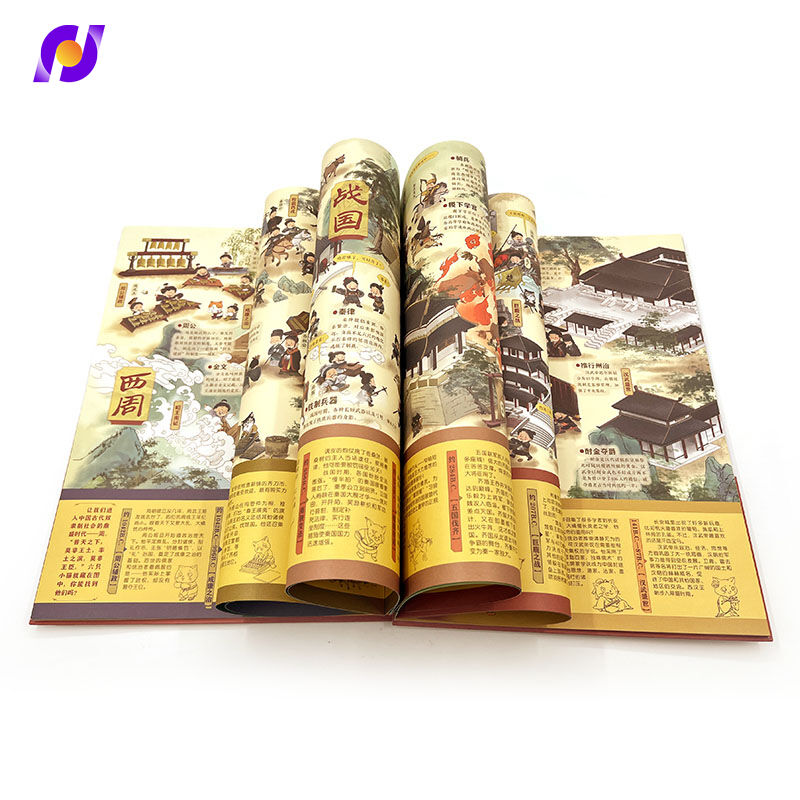
Understanding the cost structure of booklet printing for short runs is crucial for businesses, nonprofits, and organizations planning promotional materials, training manuals, or product catalogs. Short-run booklet printing typically involves quantities ranging from 25 to 2,500 copies, where traditional offset printing becomes less economical and digital printing methods offer more competitive pricing. The key to managing your booklet printing budget lies in understanding how various production factors interact to determine your final cost per unit.

Multiple variables significantly impact booklet printing costs for short runs, from paper selection and page count to binding methods and finishing options. Unlike high-volume printing where setup costs are distributed across thousands of units, short-run booklet printing requires careful consideration of each cost component to achieve optimal value. By examining these pricing factors systematically, you can make informed decisions that balance quality requirements with budget constraints while ensuring your printed materials meet their intended purpose effectively.
Paper Quality and Weight Impact on Booklet Printing Costs
Standard Paper Grades and Their Cost Implications
Paper selection represents one of the most significant cost variables in booklet printing projects. Standard text weight papers, typically ranging from 60gsm to 80gsm, offer the most economical option for booklet printing while providing adequate durability for most applications. These papers work well for training materials, event programs, and informational booklets where cost efficiency takes priority over premium presentation quality.
Mid-range paper options, including 100gsm to 120gsm weights, provide enhanced tactile quality and improved opacity, reducing show-through between pages. This paper category represents a balanced choice for booklet printing projects where professional appearance matters but premium costs must be controlled. The price increase typically ranges from 15% to 25% compared to standard weights, making it a popular choice for marketing materials and product catalogs.
Premium Paper Options and Specialized Substrates
Premium paper selections, including coated stocks and specialty substrates, can significantly increase booklet printing costs while delivering superior visual impact and durability. Coated papers, available in gloss, satin, and matte finishes, typically cost 30% to 50% more than uncoated alternatives but provide enhanced color reproduction and sharper image quality for photograph-heavy booklets.
Specialty substrates, such as recycled papers, textured stocks, or synthetic materials, command premium pricing due to their unique characteristics and limited availability. These options may increase booklet printing costs by 40% to 80% but deliver distinctive tactile experiences and environmental benefits that justify the investment for specific applications.
Page Count and Binding Method Cost Considerations
Page Count Economics in Short-Run Production
Page count directly influences booklet printing costs through material consumption and production complexity. Short-run digital printing typically shows linear cost increases with page count, unlike offset printing where setup costs can be amortized across larger quantities. Each additional four-page signature adds incrementally to material costs, printing time, and finishing requirements.
The relationship between page count and cost becomes more complex when considering binding requirements and finishing operations. Booklets with page counts below 16 pages often utilize simple folding methods, while those exceeding 32 pages require more sophisticated binding techniques that impact both labor costs and equipment requirements in booklet printing operations.
Binding Method Selection and Cost Impact
Saddle stitching remains the most economical binding method for booklet printing, particularly effective for page counts up to 64 pages. This binding technique involves folding printed sheets in half and securing them with wire staples along the spine fold, offering excellent cost efficiency for short runs while maintaining professional appearance and durability.
Perfect binding, while more expensive than saddle stitching, becomes necessary for thicker booklets and provides a more book-like appearance with a flat spine suitable for title printing. The additional costs associated with perfect binding include adhesive application, spine preparation, and trimming operations that can increase booklet printing costs by 25% to 40% compared to saddle-stitched alternatives.
Color Requirements and Printing Technology Selection
Full Color versus Limited Color Printing Economics
Color requirements significantly influence booklet printing costs, with full-color printing commanding premium pricing compared to black-and-white or limited-color alternatives. Digital printing technology has reduced the cost gap between color and monochrome printing, making full-color booklet printing more accessible for short runs while maintaining competitive pricing structures.
Strategic use of spot colors or two-color printing can provide visual impact while controlling costs more effectively than full-color processes. This approach works particularly well for text-heavy booklets where color serves accent purposes rather than full photographic reproduction, allowing businesses to balance visual appeal with budget constraints in their booklet printing projects.
Digital versus Offset Printing for Short Runs
Digital printing technology dominates the short-run booklet printing market due to its elimination of setup costs and plate requirements. Variable data capabilities and quick turnaround times make digital printing ideal for quantities below 1,000 copies, where the cost advantages become most apparent compared to traditional offset methods.
Offset printing may still provide cost advantages for short runs exceeding 1,500 copies, particularly when multiple reprints are anticipated. The decision between digital and offset printing for booklet printing projects requires careful analysis of total project requirements, including turnaround time, color accuracy demands, and potential volume variations across the project lifecycle.
Finishing Options and Special Requirements
Standard Finishing Operations and Cost Impact
Standard finishing operations in booklet printing include trimming, folding, and basic binding, which are typically included in base pricing structures. These essential operations ensure professional appearance and functionality without adding significant premium costs to short-run projects, making them standard components of most booklet printing quotations.
Additional finishing options, such as UV coating, lamination, or embossing, can enhance perceived value and durability but increase costs substantially. UV coating typically adds 10% to 15% to booklet printing costs while providing superior protection and visual enhancement, making it popular for marketing materials and presentation booklets.
Custom Finishing and Specialty Requirements
Custom finishing operations, including die-cutting, foil stamping, or specialty fold configurations, require additional setup and specialized equipment that significantly impact short-run pricing. These premium finishing options can increase booklet printing costs by 50% to 200% depending on complexity and equipment requirements, but deliver unique differentiation for high-value applications.
Specialty requirements, such as environmental certifications, rush delivery, or custom packaging, introduce additional cost factors that must be evaluated against project benefits. Understanding these premium services helps businesses make informed decisions about which enhancements justify their costs within specific booklet printing budgets and timeline requirements.
Quantity Breaks and Production Efficiency Factors
Understanding Short-Run Quantity Break Points
Short-run booklet printing typically features quantity breaks at 50, 100, 250, 500, and 1,000 copies, where unit costs decrease as volumes increase due to setup cost distribution. Understanding these break points helps businesses optimize order quantities to achieve better pricing while avoiding excessive inventory investment or waste.
The most significant cost reductions in booklet printing often occur between 25 and 100 copies, where fixed costs begin spreading across sufficient units to create meaningful savings. Beyond 250 copies, unit cost reductions become more gradual, requiring careful analysis to determine optimal order quantities based on usage patterns and storage capabilities.
Production Efficiency and Turnaround Time Considerations
Production efficiency factors, including file preparation quality, specification consistency, and turnaround time requirements, directly impact booklet printing costs through labor and equipment utilization. Well-prepared print files with proper specifications reduce prepress time and minimize revision cycles, helping control overall project costs.
Rush delivery requirements typically increase booklet printing costs by 25% to 50% due to production schedule disruptions and overtime labor requirements. Planning adequate lead times allows printers to optimize production schedules and deliver competitive pricing while maintaining quality standards throughout the manufacturing process.
FAQ
What is the most cost-effective quantity for short-run booklet printing?
The most cost-effective quantity for short-run booklet printing typically falls between 100-250 copies, where setup costs are adequately distributed while avoiding excessive inventory investment. This range offers the best balance between unit cost savings and practical usage requirements for most businesses and organizations.
How much can paper selection impact booklet printing costs?
Paper selection can impact booklet printing costs by 20-80% depending on weight, coating, and specialty characteristics. Standard 80gsm uncoated paper provides the most economical option, while premium coated stocks or specialty substrates can increase costs significantly while delivering enhanced visual impact and durability.
Is digital or offset printing more economical for short runs?
Digital printing is typically more economical for booklet printing quantities below 1,000 copies due to eliminated setup costs and plate requirements. Offset printing may become competitive for quantities exceeding 1,500 copies, particularly when multiple reprints are anticipated or when specific color matching requirements exist.
What finishing options provide the best value for booklet printing projects?
Standard finishing options including saddle stitching, basic trimming, and optional UV coating provide the best value for most booklet printing projects. These options enhance professional appearance and durability without excessive cost increases, making them suitable for a wide range of business and marketing applications.