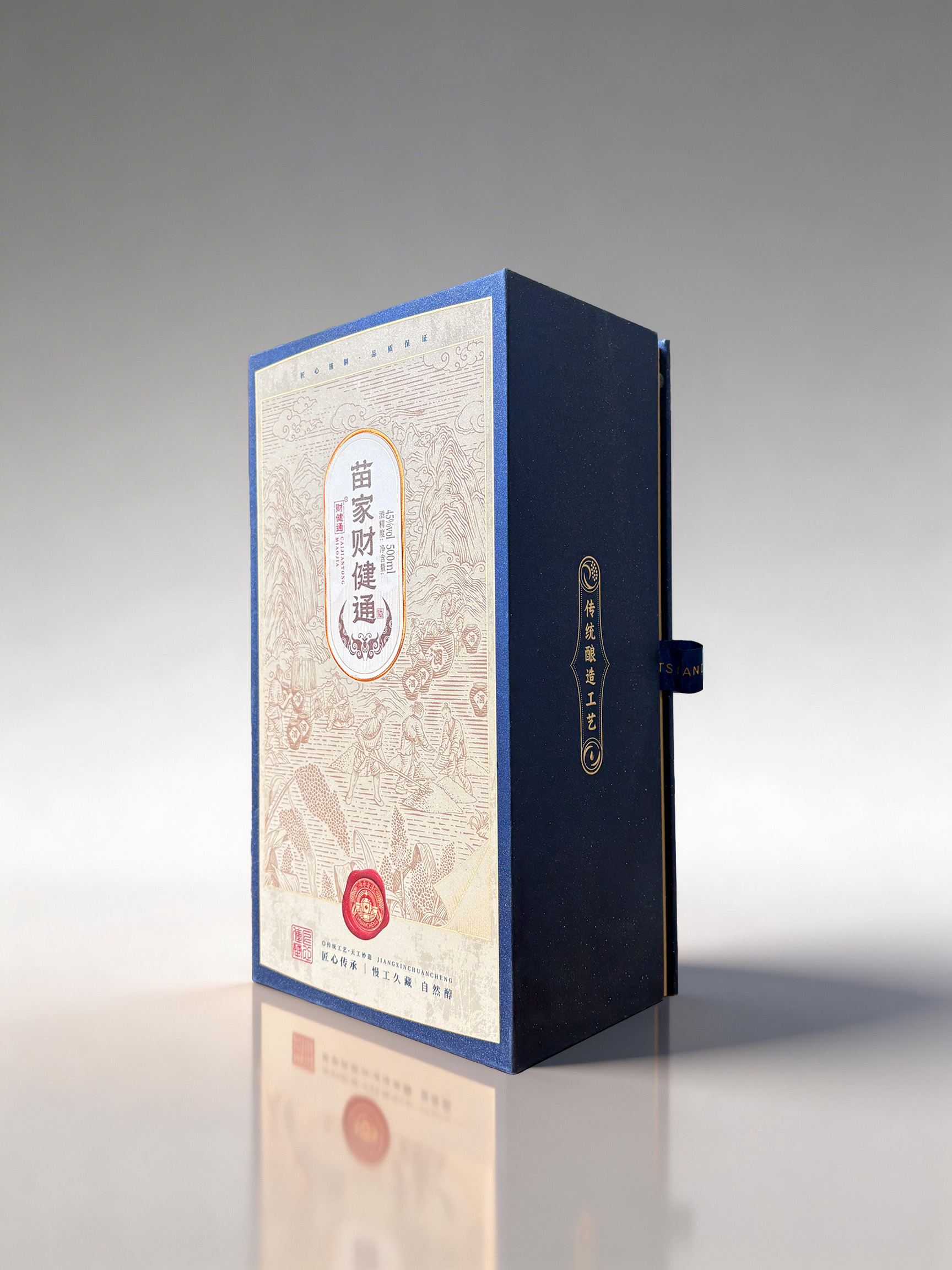
books in print
Books in print represent a comprehensive collection of published titles currently available for purchase through various retail channels and publishers worldwide. These books in print encompass diverse genres, subjects, and formats, serving as essential resources for readers, researchers, educators, and professionals seeking published materials. The primary function of books in print is to provide accessible information about available publications, helping customers locate specific titles, authors, and genres they wish to acquire.
Technologically, books in print databases utilize advanced cataloging systems that organize millions of titles by ISBN, title, author, subject, and publication date. Modern books in print platforms integrate search algorithms that deliver precise results within seconds, connecting readers with their desired publications instantly. These systems maintain real-time inventory tracking, showing availability status across multiple distribution networks and retailers.
Applications of books in print extend across numerous sectors including publishing houses, bookstores, libraries, educational institutions, and online retailers. Publishers use books in print catalogs to manage their backlist titles and track sales performance. Booksellers rely on books in print databases to fulfill customer orders efficiently and maintain accurate stock information. Libraries utilize these resources for collection development and interlibrary loan services. Academic institutions employ books in print tools for curriculum support and research purposes. Additionally, individuals use books in print services to discover new publications, compare prices, and make informed purchasing decisions about available literature in their areas of interest.

 EN
EN